Finding delicious snacks that everyone can enjoy, regardless of dietary restrictions, doesn’t have to be complicated. Creating allergy-friendly treats opens up a world of culinary creativity while ensuring safety and inclusion for all.

Whether you’re managing food allergies yourself, cooking for family members with sensitivities, or hosting gatherings with diverse dietary needs, mastering allergy-friendly snacking transforms how we approach food. The journey toward inclusive eating celebrates flavor, texture, and nutrition without compromise, proving that restriction can actually fuel innovation in the kitchen.
🌟 Understanding the Allergy-Friendly Landscape
The rise in food allergies and sensitivities has reshaped our culinary world dramatically over the past decade. According to recent health statistics, millions of people worldwide manage food allergies daily, with common allergens including dairy, eggs, nuts, wheat, soy, fish, and shellfish. This growing awareness has sparked a revolution in how we think about snacking and treat preparation.
Allergy-friendly cooking isn’t about deprivation—it’s about reimagining classic favorites with safe, wholesome ingredients. When you remove common allergens from recipes, you’re forced to discover alternative ingredients that often bring unexpected nutritional benefits and exciting flavor profiles to your creations.
The beauty of preparing allergy-friendly snacks lies in their universal appeal. What starts as a necessity for some becomes a preferred choice for many who appreciate cleaner ingredient lists, plant-based options, and the peace of mind that comes with transparent food preparation.
Essential Pantry Staples for Allergy-Friendly Snacking 🥥
Building a well-stocked pantry sets the foundation for spontaneous snack creation. Having the right ingredients readily available means you’re always prepared to whip up something delicious when cravings strike or unexpected guests arrive.
Alternative flours have revolutionized allergy-friendly baking. Rice flour offers neutral flavor and fine texture, while oat flour brings wholesome heartiness to recipes. Coconut flour adds natural sweetness and fiber, and almond flour—when tree nuts aren’t an issue—provides richness and protein. These substitutes create incredible textures that sometimes surpass traditional wheat-based versions.
Plant-based milk alternatives have evolved far beyond basic soy milk. Oat milk delivers creamy consistency perfect for baking, coconut milk adds tropical richness, and rice milk offers hypoallergenic versatility. Each brings unique characteristics that can enhance your recipes in different ways.
Sweeteners matter tremendously in allergy-friendly cooking. Maple syrup, date paste, coconut sugar, and agave nectar provide natural sweetness while contributing distinct flavor notes. These alternatives often contain trace minerals and process more gradually in the body compared to refined sugars.
Binding Agents That Work Magic
Without eggs, many people assume baking becomes impossible, but numerous alternatives create structure and moisture beautifully. Ground flaxseed mixed with water forms a gel-like consistency that binds ingredients effectively. Chia seeds perform similarly while adding omega-3 fatty acids and fiber.
Mashed bananas not only bind ingredients but also contribute natural sweetness and moisture. Applesauce serves the same purpose with lighter flavor impact. Aquafaba—the liquid from canned chickpeas—whips into peaks for meringues and mousses, opening entirely new categories of allergy-friendly desserts.
Quick No-Bake Treats for Busy Schedules ⏰
No-bake snacks deliver maximum flavor with minimal effort, perfect for hectic days when you need something nutritious quickly. These recipes require no special equipment beyond a food processor or mixing bowl, making them accessible to everyone regardless of cooking experience.
Energy balls have become the poster child of allergy-friendly snacking for good reason. Combining dates, seeds, and dried fruits creates naturally sweet, satisfying bites packed with sustained energy. Roll them in shredded coconut, cocoa powder, or crushed freeze-dried fruit for visual appeal and flavor variety.
Chocolate avocado mousse sounds indulgent but requires just ripe avocados, cocoa powder, maple syrup, and vanilla extract blended until silky smooth. The healthy fats from avocado create luxurious texture while delivering nutrients that satisfy on multiple levels. Serve chilled with fresh berries for an elegant presentation.
Frozen banana “nice cream” transforms simple frozen bananas into creamy soft-serve that rivals traditional ice cream. Blend with cocoa powder for chocolate, add berries for fruity versions, or incorporate cinnamon and date paste for caramel-like flavors. The versatility is endless, and kids love participating in the creation process.
Crispy Rice Treats Reimagined
Classic crispy rice treats typically contain butter and marshmallows—both problematic for common allergies. The allergy-friendly version uses coconut oil, brown rice syrup, and vanilla extract to bind puffed rice cereal into squares that taste remarkably similar to the original.
Add dried cranberries, pumpkin seeds, or dark chocolate chips for texture and nutritional upgrades. These treats press easily into pans, cut cleanly, and transport beautifully for lunchboxes, potlucks, or picnics. They prove that allergy-friendly doesn’t mean sacrifice.
🍪 Baked Goods That Bring Joy
Baking allergy-friendly treats requires understanding how ingredients interact differently than traditional recipes. Success comes from embracing new techniques rather than simply swapping ingredients one-to-one in conventional recipes.
Oatmeal cookies made with certified gluten-free oats, coconut oil, and flax eggs become chewy perfection when you nail the ratios. Adding cinnamon, raisins, or dairy-free chocolate chips creates familiar comfort food that happens to be allergy-safe. The key lies in not over-mixing the batter and baking just until edges set while centers remain slightly soft.
Banana bread transforms beautifully into an allergy-friendly staple. Overripe bananas provide moisture and sweetness, reducing needed added sugars. Combine with your choice of allergy-safe flour blend, a flax egg, coconut oil, and warming spices for loaves that fill your kitchen with irresistible aromas.
Blondies and brownies achieve fudgy decadence through combinations of nut butter alternatives like sunflower seed butter, coconut sugar, and dairy-free chocolate. These dense, rich squares satisfy chocolate cravings intensely while remaining completely free from common allergens.
Muffins for Every Occasion
Muffins offer endless customization possibilities while providing portable nutrition. A basic allergy-friendly muffin base combines gluten-free flour blend, plant-based milk, coconut oil, flax eggs, and baking powder. From this foundation, create blueberry, apple cinnamon, chocolate chip, or savory vegetable versions.
The secret to tender allergy-friendly muffins involves careful measuring and gentle mixing. Let batter rest for five minutes before portioning into tins, allowing flours to hydrate fully. This simple step dramatically improves texture, creating muffins that rival any traditional bakery offering.
Savory Snacks That Satisfy 🥨
Sweet treats often dominate allergy-friendly conversations, but savory snacks deserve equal attention. These options provide satisfying alternatives for those who prefer salty, umami-rich flavors or need balanced blood sugar throughout the day.
Roasted chickpeas transform humble legumes into addictively crunchy snacks. Toss drained, dried chickpeas with olive oil and your preferred seasonings—everything bagel blend, curry powder, smoked paprika, or cinnamon sugar for sweet-savory versions. Roast until golden and crispy for protein-packed munching.
Vegetable chips made from sweet potatoes, beets, or zucchini offer colorful, nutrient-dense alternatives to traditional potato chips. Slice thinly using a mandoline, toss with minimal oil and sea salt, then bake or air-fry until crisp. These satisfy crunchy cravings while delivering vitamins and fiber.
Homemade crackers surprise people with their simplicity. Combine gluten-free flour, seeds, herbs, salt, and water into dough, roll thin, cut into shapes, and bake until crisp. These crackers pair beautifully with hummus, guacamole, or dairy-free cheese spreads for complete snack experiences.
Popcorn Possibilities
Plain popcorn is naturally allergy-friendly and incredibly versatile. Air-popped kernels become blank canvases for creative seasoning combinations. Try nutritional yeast for cheesy flavor, cinnamon and coconut sugar for sweet versions, or za’atar and olive oil for Mediterranean flair.
Popcorn balls made with brown rice syrup instead of traditional corn syrup create fun handheld treats for parties and celebrations. Add dried fruit, seeds, or dairy-free chocolate drizzle for festive variations that kids and adults equally adore.
🎉 Party-Worthy Treats That Impress
Hosting gatherings with dietary restrictions present needn’t limit your menu creativity. These impressive treats prove that allergy-friendly options can steal the show at any celebration.
Fruit kabobs dipped in dairy-free chocolate create elegant, naturally sweet desserts. Thread strawberries, pineapple, and grapes onto skewers, then dip ends in melted dark chocolate and sprinkle with shredded coconut or crushed freeze-dried raspberries. These look stunning on platters and disappear quickly.
Mini fruit pizzas use allergy-friendly sugar cookie dough as bases, topped with coconut cream “frosting” and arranged fresh fruit. The rainbow of colors makes them Instagram-worthy while accommodating virtually all dietary restrictions.
Stuffed dates wrapped in coconut bacon offer sophisticated sweet-salty-savory complexity. Fill pitted dates with sunflower seed butter or dairy-free cream cheese, then wrap with coconut bacon strips for appetizers that spark conversation and compliments.
Celebration Cakes and Cupcakes
Special occasions deserve special treats, and allergy-friendly cakes have come remarkably far. Chocolate cake made with vinegar and baking soda creates chemical leavening that produces tender crumbs without eggs. Frost with coconut cream whipped with powdered sugar and vanilla for bakery-quality results.
Vanilla cupcakes using aquafaba as an egg replacer achieve light, fluffy texture that surprises skeptics. Top with vibrant fruit purees, dairy-free buttercream, or ganache made from coconut cream and dark chocolate. These treats look and taste indistinguishable from traditional versions.
Smart Strategies for Snack Success 📝
Beyond individual recipes, developing systems and habits ensures consistent allergy-friendly snacking success. These practical approaches make healthy eating sustainable long-term rather than a temporary project.
Batch preparation transforms weekends into snack-production sessions that set you up for the entire week. Dedicate two hours to making energy balls, muffins, and roasted chickpeas simultaneously. Store properly in airtight containers, and you’ll have grab-and-go options that prevent desperate, less-healthy choices during busy moments.
Label everything clearly, especially when serving others with allergies. Even when you’ve prepared food carefully, transparent communication about ingredients builds trust and ensures safety. Create ingredient cards for parties listing all components in each dish.
Involve children in snack preparation whenever possible. Kids who participate in cooking develop better relationships with food and feel empowered about managing their dietary needs. Simple tasks like mixing, rolling balls, or arranging fruit develop motor skills while teaching valuable life competencies.
Reading Labels Like a Pro
When purchasing packaged allergy-friendly snacks, scrutinize labels carefully. Allergens hide under unexpected names—whey indicates dairy, lecithin often comes from soy, and albumin signals egg presence. Familiarize yourself with alternative names for common allergens to avoid accidental exposure.
Look for dedicated allergen-free facilities when severity demands it. Cross-contamination during manufacturing poses real risks for highly sensitive individuals, so “may contain” warnings require serious consideration based on individual tolerance levels.
Nutritional Considerations Beyond Allergens 🥗
Creating allergy-friendly snacks offers opportunities to boost nutritional profiles simultaneously. Focus on whole foods, incorporate diverse ingredients, and balance macronutrients for snacks that truly nourish.
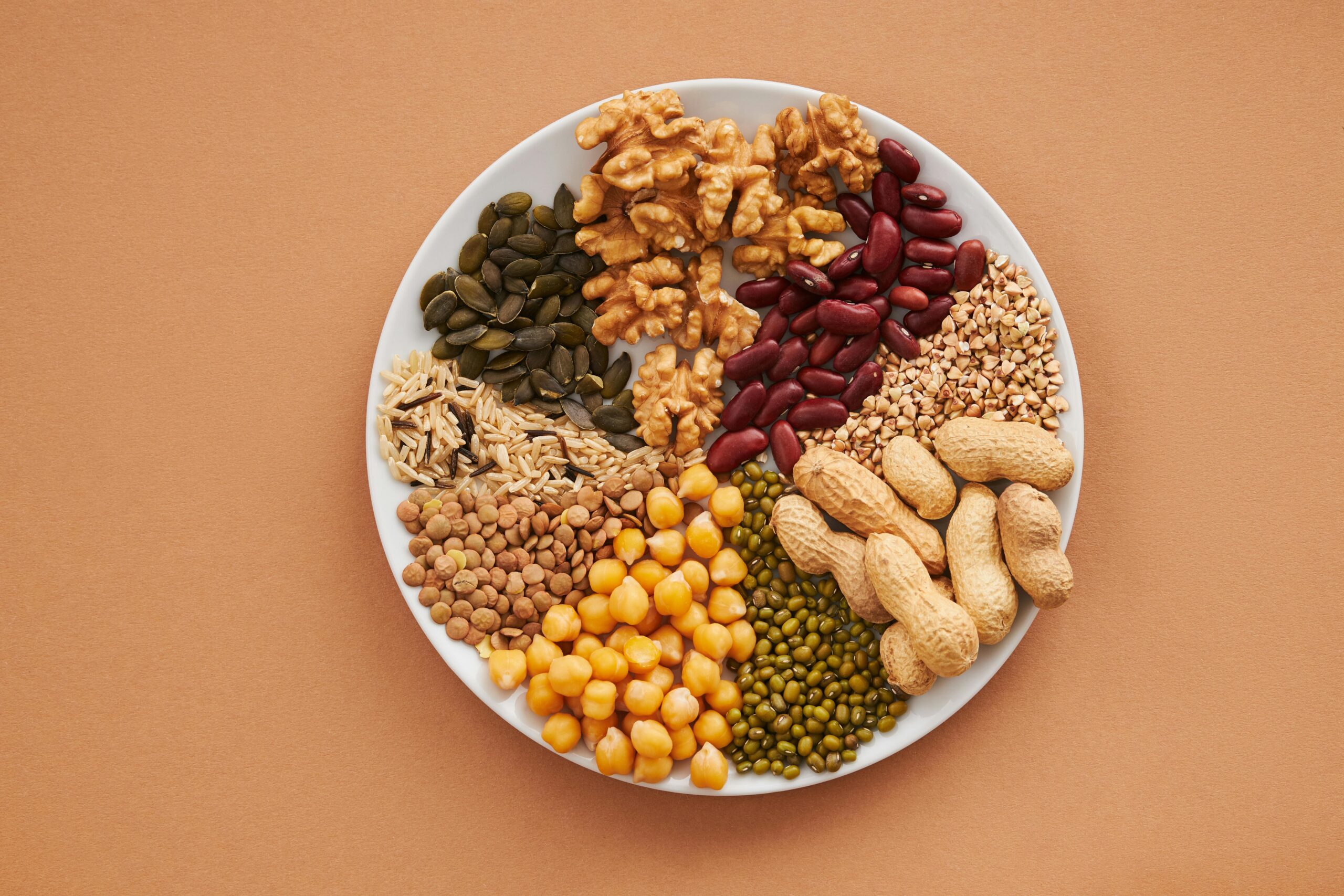
Protein often becomes challenging when removing common allergens like nuts, dairy, and eggs. Seeds—sunflower, pumpkin, hemp, and chia—provide excellent alternatives. Legumes including chickpeas, lentils, and beans offer plant-based protein in both sweet and savory applications. Incorporating these consistently ensures adequate protein intake.
Healthy fats support satisfaction and nutrient absorption. Coconut, avocado, olive oil, and seeds deliver essential fatty acids that support brain function, hormone production, and cellular health. Including quality fats in snacks prevents blood sugar spikes and subsequent crashes.
Fiber from whole grains, fruits, vegetables, and seeds supports digestive health and creates lasting fullness. Allergy-friendly snacking often naturally increases fiber intake compared to conventional treats, delivering benefits beyond allergen avoidance.
Building Confidence in Allergy-Friendly Cooking 💪
Transitioning to allergy-friendly snacking feels overwhelming initially, but confidence builds quickly with practice. Start with simple recipes, gradually expanding your repertoire as comfort grows. Each success reinforces your capabilities and inspires further experimentation.
Join online communities focused on allergy-friendly cooking. These groups provide recipe inspiration, troubleshooting advice, and emotional support from others navigating similar challenges. Sharing failures and successes normalizes the learning process and accelerates skill development.
Keep a cooking journal documenting what works and what doesn’t. Note texture observations, flavor combinations you loved, and adjustments that improved recipes. This personal reference becomes invaluable over time, helping you develop intuition about ingredient behavior.
Remember that perfection isn’t the goal—progress is. Some recipes will flop, and that’s completely normal. View each attempt as valuable learning rather than failure. The most accomplished allergy-friendly bakers all started with burnt cookies and dense muffins before mastering their craft.
Creating Inclusive Food Environments 🤝
Beyond personal cooking, advocating for allergy-friendly options in broader contexts creates safer, more inclusive communities. Whether at schools, workplaces, or social gatherings, your voice matters in normalizing diverse dietary needs.
When attending potlucks or parties, bring allergy-friendly dishes that everyone can enjoy rather than segregating special dietary options. This approach reduces stigma while introducing others to delicious possibilities they might never otherwise try. Often, people can’t identify which dishes are allergy-friendly until you reveal it—the ultimate compliment.
Educate others gently about cross-contamination concerns. Many people genuinely want to accommodate allergies but lack knowledge about proper precautions. Sharing information about separate utensils, thoroughly cleaned surfaces, and careful ingredient sourcing helps hosts feel confident including everyone safely.
Celebrate the creativity that dietary restrictions inspire rather than focusing on limitations. Frame allergy-friendly cooking as an exciting culinary adventure that expands rather than restricts possibilities. This positive perspective shifts cultural narratives around food allergies from burden to opportunity.

The Joy of Sharing Safe, Delicious Food 🎁
The greatest reward of mastering allergy-friendly snacks comes from sharing them with others. Watching someone with allergies light up when discovering treats they can safely enjoy creates profound connection and joy. These moments remind us that food represents more than nutrition—it’s love, community, and inclusion made tangible.
Creating treats that accommodate various dietary needs demonstrates care and consideration. Whether for your own family or broader community, the effort invested in allergy-friendly cooking sends powerful messages about value and belonging. No one should sit excluded while others enjoy treats, and you now possess the skills to prevent that.
Start small, be patient with yourself, and remember that every allergy-friendly snack you create contributes to a more inclusive food culture. Your kitchen can become a source of nourishment, comfort, and celebration for everyone—regardless of dietary restrictions. That’s powerful magic worth creating.
The world of allergy-friendly snacking continues expanding rapidly with new ingredients, techniques, and creative minds pushing boundaries daily. You’re joining a movement that proves restriction breeds innovation and that everyone deserves delicious, safe food that brings joy. Now get into your kitchen and start creating irresistible treats that truly are for everyone!