Navigating a soy-free lifestyle doesn’t mean sacrificing flavor or nutrition. With the right strategies and recipes, you can create satisfying meals that support your health goals while avoiding soy allergens.

Whether you’re dealing with soy allergies, sensitivities, or simply choosing to eliminate soy from your diet for health reasons, meal planning becomes your most powerful tool. The challenge isn’t just avoiding obvious soy products like tofu and soy sauce—it’s learning to identify hidden soy ingredients in processed foods and discovering delicious alternatives that make every meal enjoyable. This comprehensive guide will transform your approach to soy-free cooking, offering practical tips, meal planning strategies, and mouthwatering recipes that prove restriction doesn’t mean deprivation.
🌱 Understanding Why Soy-Free Matters for Your Health
Soy allergies rank among the most common food allergies, particularly in children, though many adults also experience adverse reactions. Beyond allergies, some people choose soy-free diets due to concerns about phytoestrogens, digestive issues, or thyroid function. Understanding your motivation helps you stay committed to this dietary change.
Soy proteins can trigger immune responses ranging from mild skin reactions to severe anaphylaxis. Even small amounts hidden in processed foods can cause symptoms like hives, digestive distress, respiratory problems, or swelling. For those with sensitivities rather than allergies, symptoms might be subtler but equally disruptive—bloating, fatigue, hormonal imbalances, or inflammatory responses.
The prevalence of soy in modern food manufacturing makes avoidance challenging. Soy appears as lecithin, textured vegetable protein, hydrolyzed plant protein, and numerous other derivatives. Learning to identify these hidden sources becomes essential for successfully maintaining a soy-free lifestyle.
🔍 Identifying Hidden Soy in Your Current Diet
Before planning soy-free meals, conduct a thorough pantry audit. Soy hides in surprising places, making label reading an essential skill. Beyond obvious sources like edamame, tofu, and soy milk, this ingredient appears in breads, cereals, protein bars, salad dressings, mayonnaise, and chocolate.
Common soy derivatives to watch for include:
- Soy lecithin (emulsifier in chocolates, baked goods, and supplements)
- Textured vegetable protein or TVP (meat substitutes and processed foods)
- Hydrolyzed soy protein (flavor enhancer in soups and sauces)
- Soybean oil (cooking oils and fried foods)
- Soy flour (baked goods and pasta)
- Mono-diglycerides (may be soy-derived)
- Natural and artificial flavors (can contain soy proteins)
- Vegetable broth or vegetable gum (often soy-based)
Asian cuisines present particular challenges since soy sauce, miso, and tamari are foundational ingredients. Restaurant dining requires asking detailed questions about ingredients and preparation methods, as cross-contamination can occur even when soy isn’t a listed ingredient.
🍽️ Building Your Soy-Free Pantry Foundation
Success with soy-free meal planning starts with stocking the right ingredients. Focus on whole, unprocessed foods as your foundation, then carefully select packaged items that meet your dietary requirements.
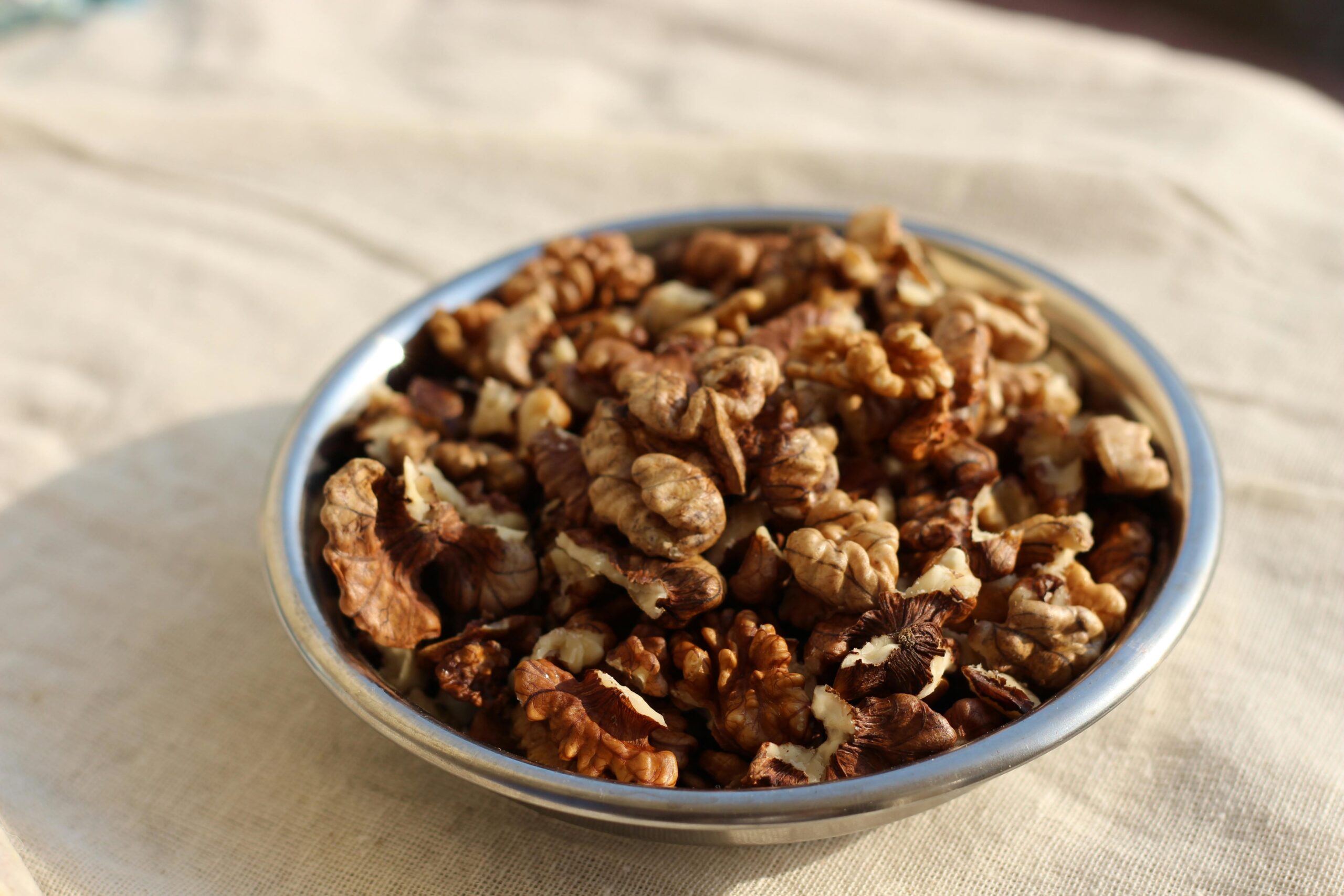
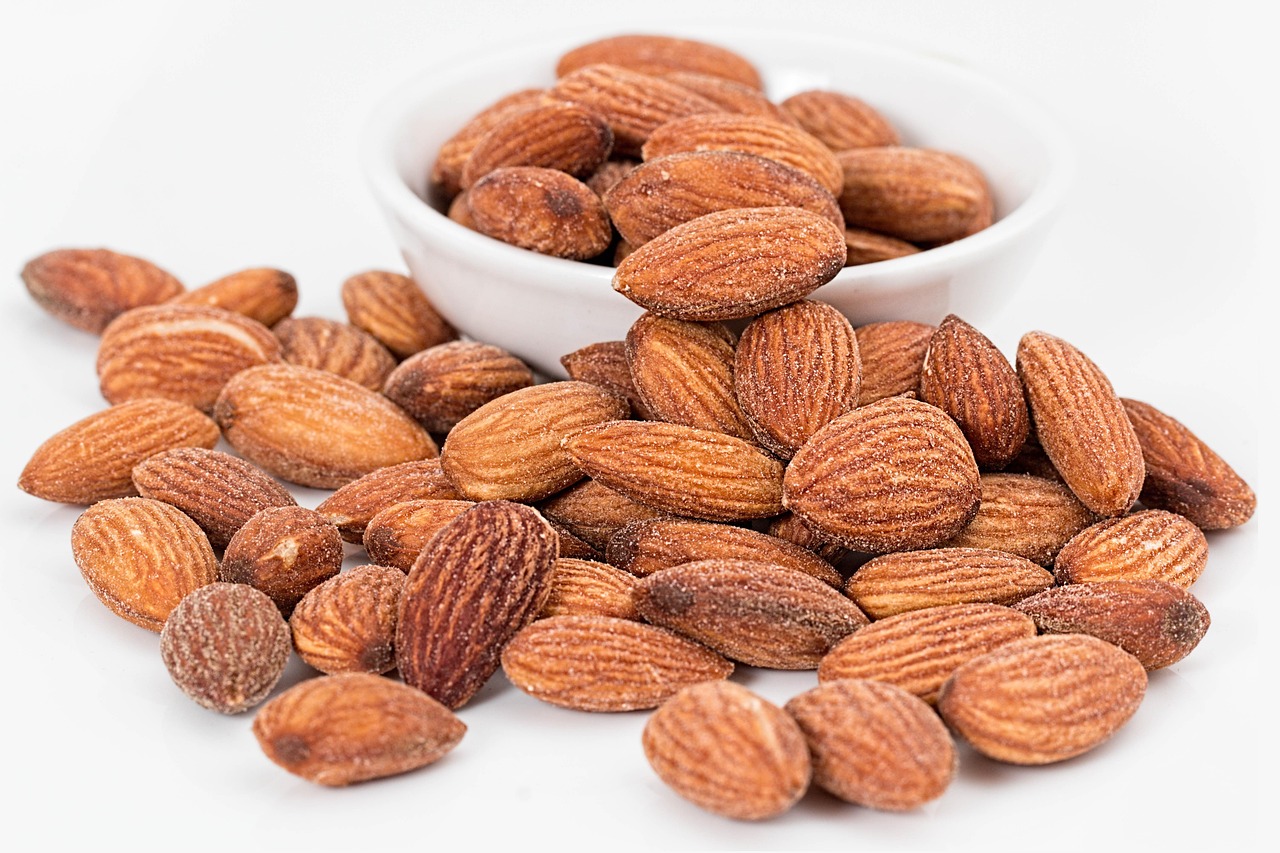
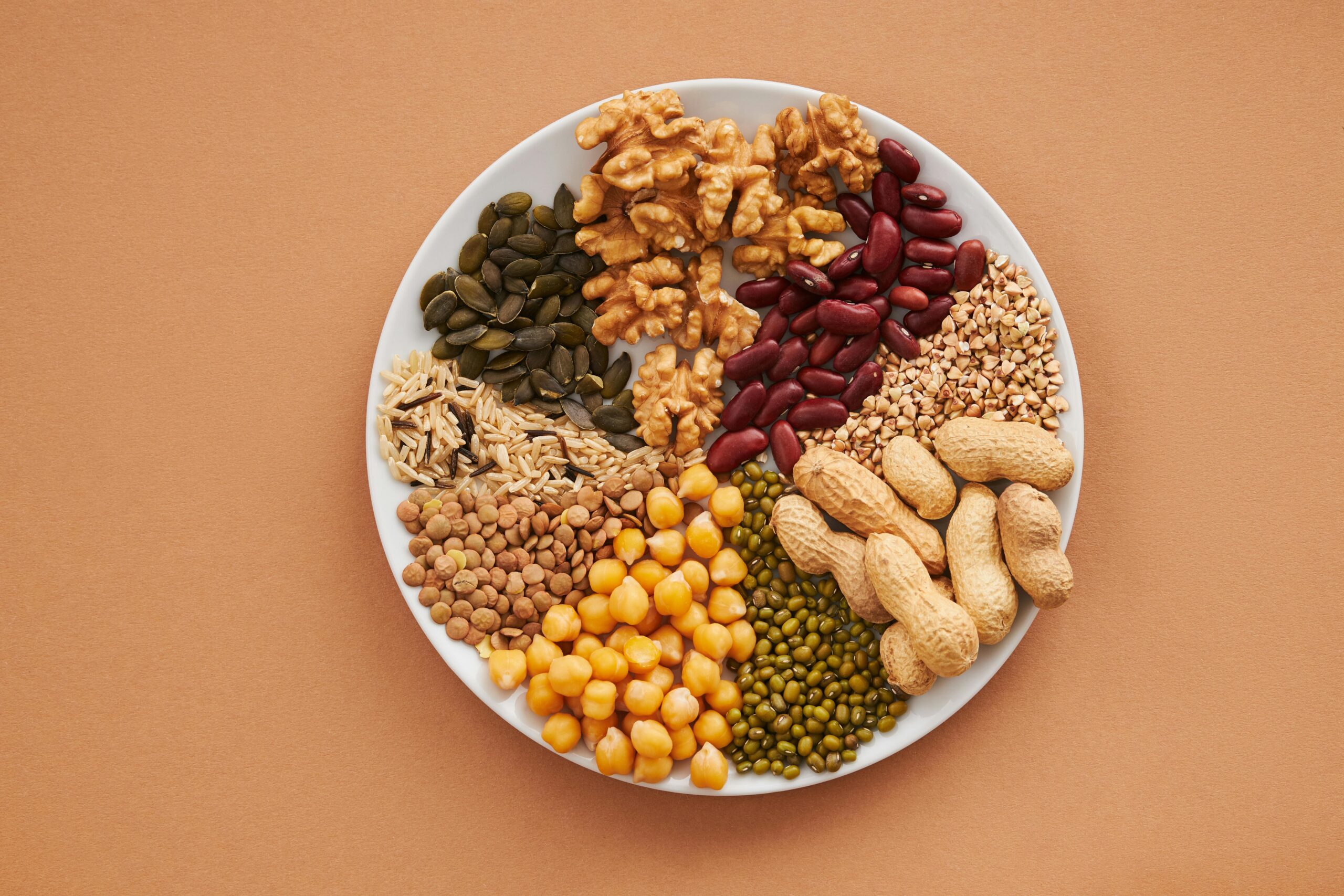
Essential soy-free staples include fresh fruits and vegetables, unprocessed meats and poultry, fish and seafood, eggs, dairy products (if tolerated), rice, quinoa, oats, potatoes, beans, lentils, nuts, and seeds. These whole foods form the backbone of nutritious, allergen-friendly meals.
For cooking and flavor enhancement, invest in quality alternatives:
- Coconut aminos (soy sauce substitute with similar umami flavor)
- Olive oil, avocado oil, or coconut oil (replacing soybean oil)
- Almond milk, coconut milk, or oat milk (dairy-free alternatives)
- Tahini or sunflower seed butter (instead of soy nut butter)
- Nutritional yeast (adds savory, cheesy flavor)
- Apple cider vinegar and balsamic vinegar (for tang and depth)
- Fresh herbs and spices (flavor without allergens)
When purchasing packaged products, look for certified soy-free labels or contact manufacturers to verify ingredient sources. Many companies now cater to allergen-conscious consumers with clearly labeled products.
📅 Strategic Meal Planning for Soy-Free Success
Effective meal planning eliminates daily stress about what to eat while ensuring nutritional balance. Start by dedicating one hour weekly to plan meals, create shopping lists, and prep ingredients. This investment saves time and reduces the temptation to choose convenience foods that likely contain soy.
Begin with a simple framework: plan three main meals and two snacks daily for the week ahead. Include variety across protein sources, vegetables, and preparation methods to prevent boredom. Theme nights—like Taco Tuesday or Mediterranean Friday—simplify decision-making while maintaining diversity.
Batch cooking becomes your secret weapon. Prepare large quantities of soy-free basics like roasted vegetables, grilled chicken, hard-boiled eggs, quinoa, and homemade sauces. These components mix and match throughout the week, creating different meals with minimal daily effort.
Weekly Meal Planning Template
Structure your week with this balanced approach that ensures adequate protein, vegetables, and satisfying flavors without relying on soy products:
| Day | Breakfast | Lunch | Dinner |
|---|---|---|---|
| Monday | Vegetable omelet with avocado | Greek chicken salad with olive oil dressing | Baked salmon with roasted sweet potatoes |
| Tuesday | Overnight oats with berries and almonds | Turkey lettuce wraps with hummus | Beef tacos with corn tortillas and guacamole |
| Wednesday | Smoothie bowl with coconut milk | Quinoa bowl with roasted vegetables | Herb-roasted chicken with green beans |
| Thursday | Scrambled eggs with sautéed spinach | Leftover chicken over mixed greens | Pork chops with cauliflower mash |
| Friday | Banana pancakes (egg and banana only) | Tuna salad with cucumber slices | Shrimp stir-fry with coconut aminos |
👨🍳 Delicious Soy-Free Recipes to Master
These tested recipes deliver outstanding flavor while remaining completely soy-free. Each emphasizes whole ingredients and straightforward preparation methods that work for busy lifestyles.
Creamy Coconut Curry Chicken
This aromatic dish satisfies cravings for rich, complex flavors without any soy-based ingredients. The coconut milk provides creaminess while curry spices deliver warmth and depth.
Ingredients: 1.5 pounds chicken thighs cut into chunks, 1 can full-fat coconut milk, 2 tablespoons curry powder, 1 onion diced, 3 garlic cloves minced, 1 tablespoon fresh ginger grated, 2 cups spinach, 1 tablespoon coconut oil, salt and pepper to taste, fresh cilantro for garnish.
Instructions: Heat coconut oil in a large skillet over medium heat. Add onion and cook until softened, about 5 minutes. Add garlic and ginger, cooking for another minute until fragrant. Add chicken pieces and brown on all sides. Sprinkle curry powder over chicken and stir to coat evenly. Pour in coconut milk and bring to a simmer. Reduce heat and cook for 15-20 minutes until chicken is cooked through and sauce thickens. Stir in spinach until wilted. Season with salt and pepper. Serve over rice or cauliflower rice, garnished with fresh cilantro.
Mediterranean Herb-Crusted Salmon
Salmon provides omega-3 fatty acids and protein in this elegant yet simple preparation. The herb crust adds texture and Mediterranean flair without any hidden allergens.
Ingredients: 4 salmon fillets, 2 tablespoons fresh parsley chopped, 1 tablespoon fresh dill chopped, 2 garlic cloves minced, zest of 1 lemon, 3 tablespoons olive oil, 1 teaspoon sea salt, black pepper to taste.
Instructions: Preheat oven to 400°F. Mix herbs, garlic, lemon zest, olive oil, salt, and pepper in a small bowl. Place salmon fillets on a parchment-lined baking sheet. Spread herb mixture evenly over each fillet. Bake for 12-15 minutes until salmon flakes easily with a fork. Serve with roasted vegetables or a fresh salad.
Savory Breakfast Hash 🍳
Starting your day with protein and vegetables sets a nutritious foundation. This versatile hash adapts to whatever vegetables you have available.
Ingredients: 3 medium potatoes diced, 1 bell pepper diced, 1 onion diced, 8 ounces ground turkey or beef, 4 eggs, 2 tablespoons olive oil, 1 teaspoon paprika, 1/2 teaspoon garlic powder, salt and pepper, fresh herbs for garnish.
Instructions: Heat olive oil in a large cast-iron skillet. Add diced potatoes and cook for 10 minutes, stirring occasionally until they begin to soften. Add onion and bell pepper, cooking another 5 minutes. Push vegetables to the sides and add ground meat to the center. Break up meat and cook until browned. Combine everything and season with paprika, garlic powder, salt, and pepper. Create four wells in the mixture and crack an egg into each. Cover skillet and cook until eggs reach desired doneness. Garnish with fresh herbs.
Asian-Inspired Lettuce Wraps
These wraps deliver Asian flavors without traditional soy sauce. Coconut aminos provides the essential umami taste while keeping the dish allergen-friendly.
Ingredients: 1 pound ground chicken or turkey, 1 can water chestnuts diced, 3 green onions sliced, 3 tablespoons coconut aminos, 1 tablespoon rice vinegar, 1 tablespoon sesame oil, 2 garlic cloves minced, 1 teaspoon fresh ginger grated, butter lettuce leaves for wrapping, lime wedges for serving.
Instructions: Heat sesame oil in a large skillet over medium-high heat. Add ground meat and cook until browned, breaking it into small pieces. Add garlic and ginger, cooking for 1 minute. Stir in water chestnuts, green onions, coconut aminos, and rice vinegar. Cook for 3-4 minutes until everything is heated through and flavors meld. Spoon mixture into butter lettuce leaves and serve with lime wedges.
🥗 Soy-Free Sauces and Dressings That Transform Meals
Homemade sauces and dressings eliminate hidden soy while elevating simple ingredients into restaurant-quality dishes. These versatile recipes keep well refrigerated for quick weeknight meals.
Creamy Avocado Lime Dressing
This dairy-free dressing works beautifully on salads, as a dip, or as a sauce for tacos and bowls. The healthy fats from avocado provide satisfying richness.
Ingredients: 1 ripe avocado, juice of 2 limes, 1/4 cup olive oil, 2 tablespoons water, 1 garlic clove, 1/4 cup fresh cilantro, 1/2 teaspoon cumin, salt to taste.
Instructions: Combine all ingredients in a blender or food processor. Blend until completely smooth, adding more water if needed to reach desired consistency. Taste and adjust seasonings. Store in an airtight container in the refrigerator for up to 5 days.
Honey Mustard Vinaigrette
This simple dressing requires just pantry staples and comes together in minutes. The sweet-tangy balance complements both delicate greens and hearty grain bowls.
Ingredients: 1/4 cup apple cider vinegar, 2 tablespoons honey, 2 tablespoons Dijon mustard, 1/2 cup olive oil, salt and pepper to taste.
Instructions: Whisk together vinegar, honey, and mustard in a bowl. Slowly drizzle in olive oil while whisking constantly until emulsified. Season with salt and pepper. Store refrigerated for up to 2 weeks.
🍪 Satisfying Soy-Free Snacks and Treats
Having prepared snacks prevents reaching for processed options that likely contain soy. These recipes provide energy between meals while supporting your dietary goals.
Energy balls made from dates, nuts, coconut, and seeds offer portable nutrition. Blend pitted dates with almond butter, rolled oats, chia seeds, and a pinch of sea salt. Roll into balls and refrigerate. These keep for two weeks and travel well.
Roasted chickpeas provide crunchy satisfaction with protein and fiber. Drain and dry canned chickpeas, toss with olive oil and spices like cumin or paprika, then roast at 400°F for 30-40 minutes until crispy. Store in an airtight container.
Vegetable sticks with homemade hummus delivers nutrients and keeps you satisfied. Traditional hummus contains no soy—just chickpeas, tahini, lemon juice, garlic, and olive oil. Prepare a large batch weekly for easy snacking.
🛒 Smart Shopping Strategies for Soy-Free Living
Grocery shopping requires vigilance when avoiding soy. Develop a systematic approach that makes each trip efficient while ensuring you bring home only safe foods.
Shop the perimeter of the store first, where whole foods like produce, meat, dairy, and eggs are typically located. These unprocessed options rarely contain soy. Fill most of your cart from these sections before venturing into center aisles.
When buying packaged goods, read every label every time. Manufacturers change formulations without warning, so a previously safe product might now contain soy. Look for allergen statements that clearly indicate “soy-free” or check that soy isn’t listed in ingredients or “contains” statements.
Building relationships with local butchers, farmers market vendors, and specialty store staff provides valuable resources. These experts can answer questions about sourcing, processing methods, and which products meet your dietary needs.
🍽️ Dining Out Successfully on a Soy-Free Diet
Restaurant meals present challenges but remain manageable with proper preparation and communication. Research restaurants in advance, looking for those with allergen menus or reputations for accommodating dietary restrictions.
Call ahead during non-peak hours to discuss your needs with the chef or manager. Explain your soy allergy or intolerance and ask about menu options prepared without soy products or cross-contamination risks. This conversation helps you arrive confident about ordering.
When ordering, be specific about your requirements. Request that your meal be prepared with olive oil instead of vegetable oil, ask for dishes without soy sauce, and verify that marinades and seasonings don’t contain soy derivatives. Don’t hesitate to request ingredient lists or speak directly with the chef.
Carry restaurant cards that clearly list your dietary restrictions in multiple languages if dining at ethnic restaurants. These cards help overcome language barriers and ensure kitchen staff understand your needs.
💪 Nutritional Considerations for Long-Term Soy-Free Health
Eliminating soy from your diet requires attention to nutrients commonly obtained from soy products, particularly if you also avoid other food groups. Focus on getting adequate protein, calcium, omega-3 fatty acids, and B vitamins from alternative sources.
Protein needs are easily met through meat, poultry, fish, eggs, dairy, legumes, nuts, and seeds. Combining different plant proteins throughout the day ensures complete amino acid profiles for those avoiding animal products alongside soy.
Calcium sources include dairy products, leafy greens, almonds, sardines with bones, and fortified non-soy plant milks. Vitamin D supports calcium absorption, so consider sun exposure or supplementation depending on your circumstances.
Omega-3 fatty acids from fish, flaxseeds, chia seeds, and walnuts support heart and brain health. If you previously relied on soy for these nutrients, consciously incorporate these alternatives several times weekly.

🌟 Embracing Your Soy-Free Journey with Confidence
Transitioning to soy-free eating requires initial effort but becomes second nature with practice. The investment in learning ingredient lists, developing new recipes, and establishing routines pays dividends in improved health and wellbeing.
Track your symptoms and energy levels as you eliminate soy. Many people notice reduced inflammation, better digestion, clearer skin, and more stable energy when removing problematic foods. These positive changes reinforce your commitment during challenging moments.
Connect with others following soy-free lifestyles through online communities, social media groups, or local support groups. Sharing recipes, restaurant recommendations, and encouragement makes the journey less isolating and more enjoyable.
Remember that occasional mistakes happen, especially when learning to navigate hidden soy sources. Treat these moments as learning opportunities rather than failures. Each experience teaches you something new about reading labels, asking better questions, or preparing food differently.
Your soy-free lifestyle opens doors to discovering new ingredients, cooking techniques, and flavors you might never have explored otherwise. Embrace the creativity required to prepare allergen-friendly meals, and celebrate the nourishing dishes you create that support your health goals. With the strategies, recipes, and confidence you’ve gained, you’re fully equipped to thrive while living completely soy-free. 🎉