Living with food allergies doesn’t mean sacrificing flavor or spending hours in the kitchen. Creating delicious, safe meals with minimal ingredients has become easier than ever for those managing dietary restrictions.

Whether you’re dealing with nut allergies, gluten intolerance, dairy sensitivities, or multiple food restrictions, the key to successful allergy-friendly cooking lies in simplicity and smart ingredient selection. Modern approaches to allergen-free cooking focus on whole foods, creative substitutions, and recipes that naturally avoid common allergens without compromising on taste or nutrition.
🌟 Understanding the Basics of Low-Ingredient Allergy-Friendly Cooking
The foundation of successful allergy-friendly cooking starts with understanding what makes a recipe truly safe and accessible. Low-ingredient meals offer multiple advantages for people with food allergies: fewer components mean fewer chances of accidental exposure, easier label reading, and simpler meal preparation that fits busy lifestyles.
Most allergen-friendly recipes can be created using five to seven core ingredients, eliminating the complexity that often discourages home cooks. This minimalist approach also reduces grocery costs and food waste, making healthy eating more sustainable and budget-friendly.
When planning allergy-safe meals, focus on naturally allergen-free ingredients rather than relying heavily on processed substitutes. Fresh vegetables, fruits, quality proteins, and whole grains form the backbone of nutritious meals that accommodate various dietary needs without artificial additives or hidden allergens.
Identifying Your Safe Ingredient Foundation
Building a reliable pantry of safe staples is the first step toward stress-free meal preparation. Rice, quinoa, oats (if certified gluten-free), olive oil, coconut products, and fresh produce typically form a safe foundation for most allergy protocols.
Understanding cross-contamination risks and reading labels carefully remains crucial even with simple recipes. Always verify that single-ingredient foods haven’t been processed in facilities that handle your specific allergens, and maintain separate cooking tools if necessary.
🍳 Breakfast Solutions That Start Your Day Right
Morning meals set the tone for your entire day, and allergy-friendly breakfasts can be both satisfying and simple. Sweet potato hash with vegetables and protein offers a nutrient-dense, naturally free-from option that requires only a skillet and five ingredients.
Smoothie bowls made with safe fruits, coconut milk, and allergy-friendly protein powders provide quick nutrition with endless customization possibilities. Top with seeds, coconut flakes, or safe granola for added texture and sustained energy throughout the morning.
Oatmeal variations using certified gluten-free oats, plant-based milk alternatives, and natural sweeteners like maple syrup create warming breakfasts adaptable to any season. Add cinnamon, vanilla extract, or fresh berries to keep breakfast interesting without complicated recipes.
Quick Portable Morning Options
For busy mornings, prepare allergy-friendly muffins using simple flour blends, applesauce as a binder, and safe add-ins like chocolate chips or blueberries. These freeze beautifully and provide grab-and-go convenience for hectic schedules.
Rice cakes topped with sunflower seed butter and banana slices offer a five-minute solution that’s satisfying and safe for most common allergies. This combination provides balanced nutrition with protein, healthy fats, and natural sugars for sustained energy.
🥗 Lunch Ideas That Pack Well and Taste Great
Midday meals need to be portable, satisfying, and safe when eating away from home. Building lunch around a protein source, a grain or starch, and vegetables creates balanced meals that accommodate most dietary restrictions naturally.
Rice bowl combinations offer infinite variety with minimal ingredients: cook a batch of rice, add grilled chicken or baked tofu, roasted vegetables, and a simple dressing made from olive oil, lemon juice, and herbs. This formula works for meal prep and adapts to seasonal produce availability.
Salads become more substantial with the addition of safe proteins like grilled fish, beans, or seeds, paired with homemade vinaigrettes that avoid hidden allergens found in commercial dressings. Mason jar salads layer ingredients strategically, keeping everything fresh until mealtime.
Soup Solutions for Comfort and Nutrition
Simple soups made in one pot provide warming nutrition with minimal cleanup. Start with vegetable or chicken broth, add your choice of vegetables, protein, and seasonings for customized meals that freeze well for future convenience.
Blended soups like butternut squash or tomato basil require fewer than six ingredients yet deliver restaurant-quality flavor. These smooth textures work well for all ages and can be enriched with safe cream alternatives if desired.
🍽️ Dinner Recipes That Bring Everyone Together
Evening meals often involve accommodating multiple family members with varying tastes and restrictions. Sheet pan dinners simplify this challenge by cooking protein and vegetables together with simple seasonings, requiring minimal hands-on time and creating less cleanup.
Choose a protein like chicken breasts, salmon fillets, or firm tofu, surround it with chopped vegetables like broccoli, carrots, and bell peppers, drizzle with olive oil and your preferred safe seasonings, then roast until everything is perfectly cooked.
Taco nights adapt easily to allergy-friendly requirements using corn tortillas, seasoned ground meat or beans, fresh vegetable toppings, and safe sauces. This build-your-own approach lets each person customize their meal while sharing the same core ingredients.
One-Pot Wonders for Easy Cleanup
Stir-fries in a large skillet or wok combine protein, vegetables, and a simple sauce over rice or rice noodles for quick weeknight dinners. Use coconut aminos instead of soy sauce for a soy-free alternative that delivers similar umami flavor.
Pasta dishes made with allergen-friendly noodles like rice pasta or chickpea pasta work with simple olive oil-based sauces, roasted vegetables, and fresh herbs. These combinations feel indulgent while remaining safe and straightforward to prepare.
🍪 Snacks and Treats That Satisfy Cravings
Managing food allergies shouldn’t mean giving up enjoyable snacks between meals. Energy balls made from dates, oats, and allergy-safe seeds provide portable nutrition that kids and adults both love, requiring no baking and minimal preparation time.
Roasted chickpeas seasoned with your favorite spices create crunchy snacks that satisfy chip cravings without common allergens. Experiment with different seasoning combinations to find your family’s favorites, from savory ranch to sweet cinnamon sugar.
Fresh fruit with coconut cream creates simple yet elegant desserts that feel special without complicated techniques. Baked apples with cinnamon, grilled peaches, or berry compotes deliver natural sweetness and satisfaction.
Baking Without Common Allergens
Simple cookies using allergen-friendly flour blends, coconut oil, and natural sweeteners prove that restriction doesn’t equal deprivation. Three-ingredient banana cookies made from mashed bananas, oats, and mix-ins like safe chocolate chips bake in under 15 minutes.
Brownies and cakes adapt surprisingly well to allergen-free ingredients when you understand proper substitutions. Applesauce or mashed banana replaces eggs, plant-based milks substitute for dairy, and gluten-free flour blends work in most traditional recipes with minor adjustments.
🛒 Smart Shopping Strategies for Allergy-Safe Ingredients
Successful allergy-friendly cooking begins in the grocery store with informed purchasing decisions. Shopping the perimeter where fresh produce, meats, and whole foods are typically located naturally avoids many processed items containing hidden allergens.
Reading labels becomes second nature, but focus on products with minimal ingredient lists to simplify this process. Single-ingredient foods like fresh vegetables, plain rice, and unmarinated proteins eliminate guesswork and cross-contamination concerns.
Many stores now offer dedicated allergen-friendly sections, though prices may be higher than making items from scratch. Compare costs between convenience products and whole food ingredients to determine where your budget is best allocated.
Building Your Allergy-Friendly Pantry
Stock these versatile staples for easy meal creation: rice and quinoa for grains, canned coconut milk for creamy dishes, olive and coconut oils for cooking, certified allergen-free seasonings, and a variety of frozen vegetables for convenience without preservatives.
Invest in quality allergen-friendly alternatives for frequently used items like flour blends, milk substitutes, and safe proteins that match your specific restrictions. Buying in bulk when possible reduces costs on items you use regularly.
👨👩👧👦 Making Allergy-Friendly Eating a Family Affair
When one family member has food allergies, preparing separate meals creates extra work and can make that person feel isolated. Instead, build meals around naturally allergen-free recipes that everyone enjoys, adding optional components for those without restrictions.
Involve children in meal planning and preparation to build their confidence managing their own dietary needs. Teaching kids to read labels, identify safe ingredients, and prepare simple recipes empowers them for independence as they grow.
Create traditions around allergy-friendly favorites rather than focusing on what can’t be eaten. Taco Tuesdays with safe ingredients, pizza nights using allergen-free crusts, or weekend pancake breakfasts with special toppings make positive food memories.
Hosting and Social Situations
Entertaining becomes less stressful when you focus on naturally inclusive dishes. Grilled meats with vegetable sides, fruit platters, and simple desserts like sorbet accommodate most dietary restrictions while feeling abundant and celebratory.
When attending gatherings at other homes, offer to bring a dish or two that you know are safe. This ensures you have something to eat while contributing to the meal, and you might introduce others to delicious allergy-friendly options they hadn’t considered.
📱 Utilizing Technology for Recipe Management
Modern cooking apps help organize recipes, create shopping lists, and track safe ingredients for your specific allergies. Digital tools simplify meal planning and ensure you always have go-to recipes at your fingertips when inspiration runs low.
Photo documentation of favorite meals and their ingredients helps recreate successful dishes and provides visual reference when shopping for unfamiliar products. Many phones now offer built-in scanning features that can identify products and check ingredient lists quickly.
💪 Nutritional Considerations for Restricted Diets
Eliminating major food groups requires attention to nutritional adequacy, particularly for growing children or during pregnancy. Work with healthcare providers or registered dietitians familiar with food allergies to ensure your simplified meal plan meets all nutritional needs.
Calcium, vitamin D, protein, and certain B vitamins may require special attention depending on which foods you avoid. Fortified allergen-free products, supplements, and strategic food combinations help maintain optimal nutrition despite restrictions.
Focus on nutrient density rather than calorie counting when managing allergies, choosing whole foods that provide maximum nutrition in minimal ingredients. This approach naturally supports health while simplifying meal planning and preparation.
🌍 Cultural Cuisines That Naturally Accommodate Allergies
Exploring international cuisines opens doors to naturally allergy-friendly options you might not have considered. Many Asian dishes rely on rice, vegetables, and simple proteins with seasonings that avoid common Western allergens like dairy and wheat.
Mediterranean cooking emphasizes olive oil, fish, vegetables, and naturally gluten-free grains, creating satisfying meals that work for multiple restriction types. These traditional preparations prove that delicious food doesn’t require complicated ingredient lists or modern processed foods.
Latin American cuisine offers corn-based staples, beans for protein, and fresh salsas that brighten any meal without relying on common allergens. Rice and beans together form complete proteins, providing excellent nutrition in two simple, affordable ingredients.
🎯 Meal Planning Strategies That Save Time and Stress
Planning a week of meals in advance eliminates daily decision fatigue and ensures you always have safe ingredients on hand. Start with three to four dinner recipes, then use leftovers creatively for lunches to maximize efficiency without monotony.
Batch cooking on weekends or less busy days creates a reserve of ready-to-eat components that assemble quickly during hectic weekdays. Cook large batches of grains, roast multiple trays of vegetables, and prepare proteins that reheat well throughout the week.
Theme nights simplify planning while providing structure: meatless Mondays, fish Fridays, or soup Sundays create patterns that make grocery shopping and meal prep more efficient. Rotate through favorite recipes on a monthly cycle to maintain variety without constant menu planning.
✨ Embracing Simplicity Without Sacrifice
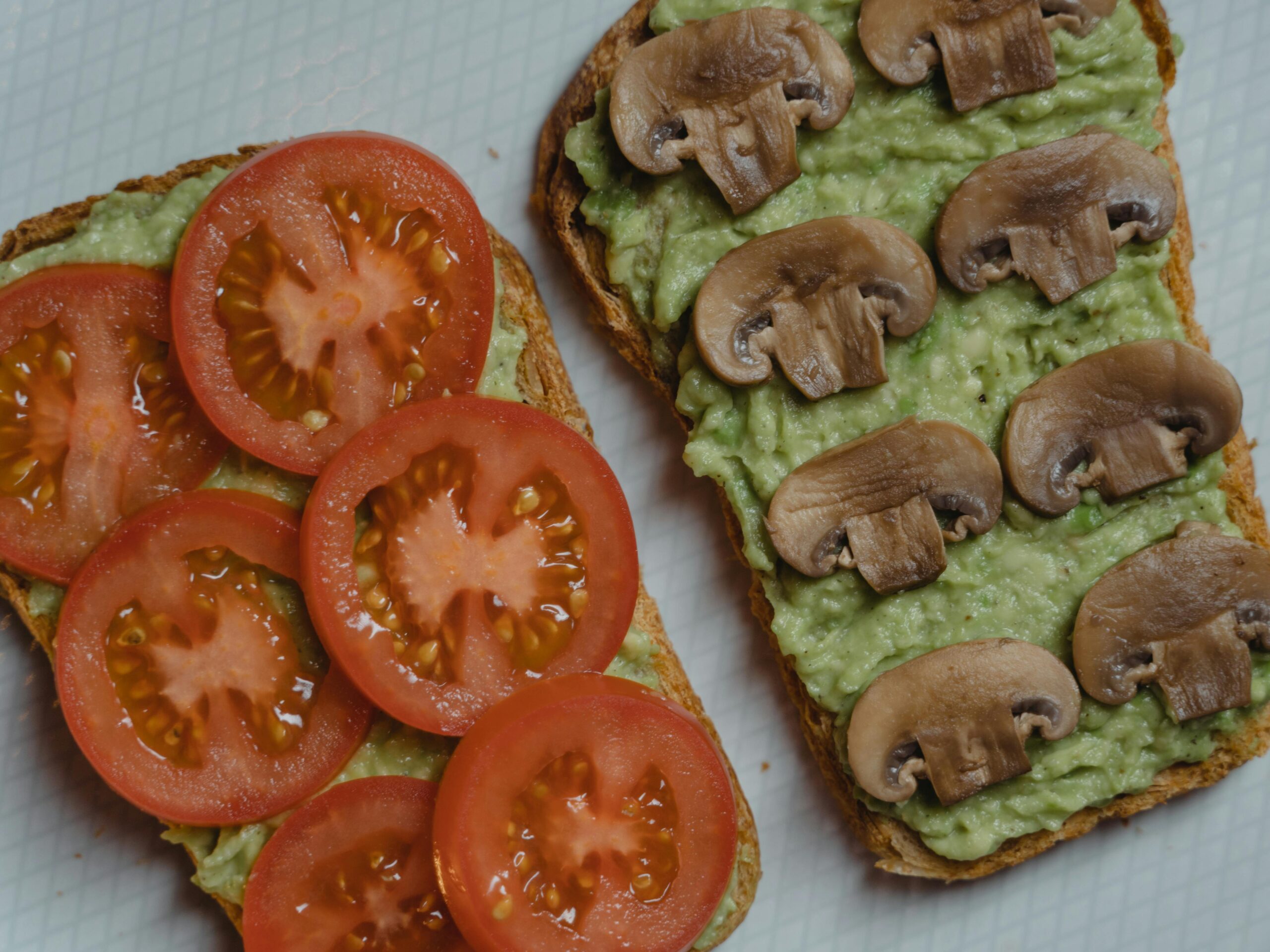
The journey to confident allergy-friendly cooking often reveals that simpler meals actually taste better and feel more satisfying than complicated recipes laden with specialty products. Fresh ingredients prepared simply allow natural flavors to shine without being masked by excessive seasonings or processing.
Building skills gradually creates lasting confidence in the kitchen. Master a handful of basic recipes first, then expand your repertoire as comfort grows. This approach prevents overwhelm and builds a foundation of reliable meals your family will request repeatedly.
Remember that perfection isn’t the goal—safe, nourishing, enjoyable meals are what matters. Some nights will feature elaborate cooking projects, while others might involve simple sandwiches or breakfast-for-dinner, and both serve their purpose equally well in maintaining health and happiness despite food allergies.
Living with dietary restrictions does present challenges, but it also offers opportunities to discover new ingredients, appreciate simple preparations, and focus on the wholesome foods that truly nourish bodies and bring people together around the table. With minimal ingredients, clear strategies, and creative thinking, every meal can be both delicious and safe for your unique needs. 🥘