Modern dining tables are becoming more diverse, reflecting a beautiful mosaic of dietary needs, preferences, and restrictions. Creating meals that welcome everyone—from vegans to those managing multiple food allergies—isn’t just thoughtful; it’s essential for building inclusive communities around food.

The intersection of plant-based eating and allergy-friendly cooking opens up a world of creative, nourishing possibilities. Gone are the days when dietary restrictions meant bland, boring meals. Today’s plant-based allergy-friendly recipes prove that accommodating everyone at the table can result in dishes that are not just safe, but absolutely delicious.
🌱 Understanding the Landscape of Food Allergies and Plant-Based Eating
Food allergies affect millions globally, with the most common culprits being dairy, eggs, tree nuts, peanuts, soy, wheat, fish, and shellfish. When you combine plant-based cooking with allergy awareness, you’re already eliminating several major allergens from the equation—namely dairy, eggs, fish, and shellfish.
However, plant-based diets often rely heavily on nuts, soy, and wheat-based products, which presents its own challenges. The key to truly inclusive cooking lies in understanding how to work around these ingredients while maintaining flavor, texture, and nutritional value.
This approach benefits everyone, not just those with diagnosed allergies. Many people experience sensitivities or intolerances that don’t qualify as full allergies but still cause discomfort. By creating recipes that avoid common triggers, you’re opening your table to a wider audience.
Essential Ingredients for Your Allergy-Friendly Plant-Based Pantry
Building a versatile pantry is the foundation of successful allergy-friendly cooking. Stock your kitchen with ingredients that offer flexibility and can substitute for common allergens seamlessly.
Safe Grain Alternatives
When wheat is off the table, numerous delicious alternatives step in. Rice flour, oat flour (certified gluten-free), quinoa, millet, buckwheat, and amaranth provide excellent bases for baking and cooking. These grains bring unique flavors and nutritional profiles that often surpass wheat in certain nutrients.
Cassava flour has emerged as a particularly versatile option, behaving remarkably similar to all-purpose flour in many recipes. It’s grain-free, nut-free, and relatively neutral in flavor, making it perfect for both sweet and savory applications.
Protein Without the Common Allergens
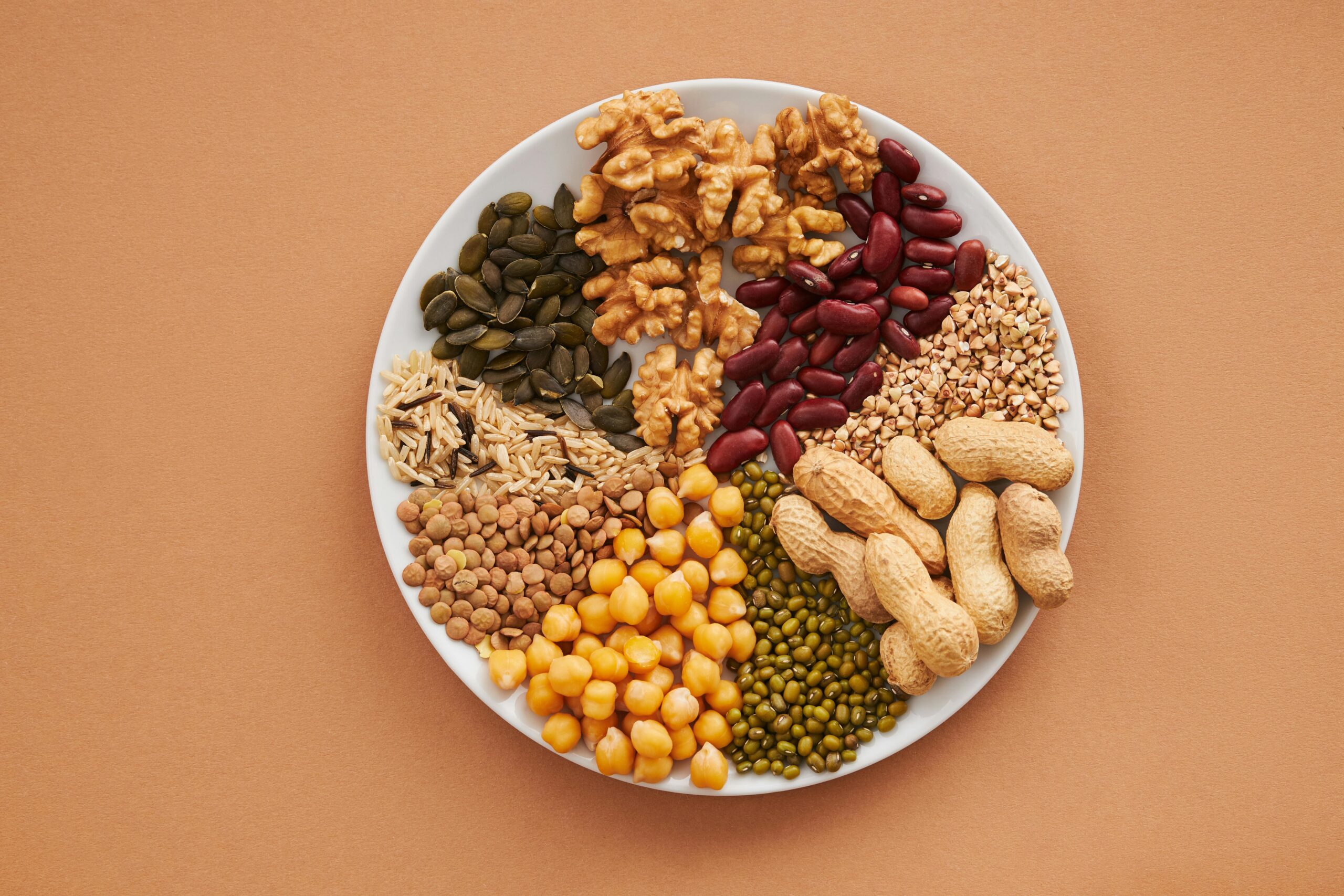
Moving beyond soy and nuts for protein might seem limiting, but options abound. Lentils, chickpeas, black beans, and other legumes form the protein backbone of many cultures’ cuisines. Sunflower seeds and pumpkin seeds (pepitas) offer nut-free alternatives for both eating and making seed butters.
Hemp seeds and chia seeds provide complete proteins and omega-3 fatty acids without triggering tree nut allergies. These tiny powerhouses can be sprinkled on virtually anything or blended into smoothies for an effortless nutrition boost.
Binding and Moisture Without Eggs
Plant-based cooking already excludes eggs, but finding the right binder for each recipe requires understanding different substitutes. Flax eggs (ground flaxseed mixed with water) work beautifully in denser baked goods. Applesauce adds moisture to muffins and quick breads. Mashed banana brings sweetness and binding power to pancakes and cookies.
For recipes requiring structure, aquafaba—the liquid from canned chickpeas—whips into impressive peaks for meringues and mousses. This discovery has revolutionized plant-based baking and created possibilities previously thought impossible without eggs.
🍳 Breakfast Recipes That Welcome Everyone
Fluffy Allergy-Friendly Pancakes
Start your morning with pancakes that everyone can enjoy. Using oat flour, mashed banana for binding, and plant milk like rice or oat milk creates stack-worthy pancakes with no wheat, nuts, soy, or eggs required.
The key to fluffy texture lies in not overmixing the batter and letting it rest for five minutes before cooking. Top with fresh fruit, maple syrup, or a homemade fruit compote for a breakfast that feels indulgent while being completely inclusive.
Warming Breakfast Bowls
Quinoa breakfast bowls offer warmth and sustenance without common allergens. Cook quinoa in coconut milk or safe plant milk, then top with cinnamon, roasted pumpkin seeds, dried fruit like raisins or chopped dates, and a drizzle of maple syrup.
This grain bowl concept works with any safe grain—try millet, amaranth, or rice for variety. Prepare a large batch at the beginning of the week and reheat portions each morning for convenient, allergen-safe breakfasts.
🥗 Satisfying Lunch and Dinner Main Dishes
Rainbow Buddha Bowls
Buddha bowls are naturally inclusive when constructed thoughtfully. Start with a grain base like brown rice or quinoa, add roasted vegetables like sweet potato, broccoli, and bell peppers, then include a protein source such as seasoned lentils or chickpeas.
The magic happens in the sauce. A tahini-free dressing made from sunflower seed butter, lemon juice, garlic, and water creates creaminess without sesame (which some people react to). Alternatively, a simple olive oil and balsamic vinaigrette never fails to please.
Hearty Lentil and Vegetable Stew
Few dishes comfort quite like a well-seasoned stew. Combining red or brown lentils with tomatoes, carrots, celery, potatoes, and warming spices creates a one-pot meal that’s naturally free of all major allergens.
This type of dish improves with time, making it perfect for meal prep. The flavors meld beautifully, and the stew can be frozen in portions for quick future meals. Serve with allergen-safe bread or over rice for a complete dinner.
Veggie-Packed Gluten-Free Pasta
Modern gluten-free pastas made from rice, quinoa, or chickpeas have improved dramatically. Pair these with a robust tomato sauce loaded with vegetables—think mushrooms, zucchini, spinach, and cherry tomatoes.
Keep the sauce simple with olive oil, garlic, herbs, and quality canned tomatoes. This approach avoids hidden allergens often found in store-bought sauces while delivering maximum flavor. Fresh basil added at the end brightens the entire dish.
🍰 Desserts That Don’t Compromise on Taste
Chocolate Avocado Mousse
This dessert sounds unusual but converts skeptics instantly. Ripe avocados blended with cocoa powder, maple syrup, vanilla, and a pinch of salt create an incredibly rich, creamy mousse that’s naturally free of dairy, eggs, nuts, and gluten.
The avocado flavor disappears completely, leaving only luxurious chocolate richness. This recipe proves that allergen-friendly desserts can be sophisticated and indulgent rather than consolation prizes.
Fruit Crumble with Oat Topping
A warm fruit crumble satisfies every sweet craving while being remarkably simple. Use any combination of fresh or frozen berries, apples, or stone fruits as your base. The topping combines oats, coconut oil, maple syrup, and a touch of cinnamon.
This dessert works year-round by adapting to seasonal fruits. It’s naturally gluten-free when using certified oats, contains no nuts or refined sugar, and can be made in individual ramekins or a large baking dish for sharing.
No-Bake Energy Balls
For a grab-and-go sweet treat, energy balls made with dates, oats, sunflower seed butter, and mini chocolate chips (dairy-free) satisfy without requiring any baking skills. These portable snacks work for dessert or afternoon energy boosts.
Roll them in shredded coconut, cocoa powder, or additional oats for variety. Make a double batch and freeze half for future convenience. Each bite delivers natural sweetness and sustained energy without any common allergens.
📋 Practical Tips for Cross-Contamination Prevention
Even the most carefully crafted allergy-friendly recipe becomes dangerous if cross-contamination occurs during preparation. Understanding proper kitchen practices protects those with severe allergies.
Designate specific cutting boards, utensils, and preparation areas for allergen-free cooking. Even microscopic amounts of allergens can trigger reactions in highly sensitive individuals. Thoroughly wash all surfaces, tools, and hands before beginning allergen-free meal preparation.
When cooking for others, communicate clearly about ingredients. Label dishes at potlucks and gatherings with all components listed. This transparency allows guests to make informed decisions about what they can safely consume.
🛒 Reading Labels and Shopping Smart
Manufacturing practices mean that allergens can hide in unexpected places. Products labeled “plant-based” aren’t automatically safe for all allergens—they might still contain soy, nuts, or wheat.
Familiarize yourself with alternative names for common allergens. Soy might appear as lecithin or textured vegetable protein. Wheat hides as semolina, durum, or farina. Reading ingredient lists becomes second nature with practice, but it requires vigilance.
Look for certified allergen-free labels when available, though understand these certifications focus on specific allergens. A “certified gluten-free” product might still contain soy or tree nuts. Always read the complete ingredient list regardless of front-label claims.
Adapting Family Favorites to Be More Inclusive 🔄
You don’t need to abandon beloved family recipes when cooking for allergies. Most traditional dishes can be adapted with thoughtful substitutions that maintain the spirit and flavor of the original.
Start by identifying the role each ingredient plays. Is it there for moisture, binding, flavor, or texture? Once you understand the function, finding an appropriate substitute becomes more straightforward. A muffin recipe calling for eggs and dairy can transform beautifully using flax eggs and oat milk.
Test adaptations before serving them to guests. Some substitutions work seamlessly while others require proportion adjustments or technique modifications. Keep notes on what works so you can perfect your allergen-friendly versions.
Building Community Through Inclusive Cooking
Food brings people together, but dietary restrictions can create isolation. When you learn to cook inclusively, you’re extending welcome and care to those who often feel excluded from communal meals.
Host potlucks with an allergy-friendly theme where everyone brings dishes free from the top eight allergens. This approach normalizes accommodating diets while introducing the entire group to delicious new recipes they might not have tried otherwise.
Share your knowledge generously. When friends express anxiety about cooking for someone with allergies, offer guidance and recipe suggestions. Building a culture of inclusion around food benefits everyone and reduces the burden on those managing restrictions.
Nutritional Considerations for Allergy-Friendly Plant-Based Eating 💪
Removing multiple food groups requires attention to nutritional completeness. Ensure adequate protein intake by incorporating varied legumes, seeds, and safe grains throughout the day. Don’t rely on a single source.
Pay special attention to calcium, vitamin D, B12, iron, and omega-3 fatty acids—nutrients sometimes challenging in restricted diets. Fortified plant milks, leafy greens, legumes, and seeds help meet these needs. Consider consulting a nutritionist familiar with both plant-based and allergen-free eating for personalized guidance.
Variety becomes even more critical when working within restrictions. Rotate your ingredients regularly to ensure broad nutrient intake and prevent developing new sensitivities from overconsuming limited foods.
The Joy of Discovery in Restricted Cooking
While navigating multiple dietary restrictions might initially seem limiting, many cooks discover unexpected creativity within these parameters. Constraints force innovation, leading to flavor combinations and techniques you might never have explored otherwise.
Cuisines from around the world offer inspiration for naturally allergy-friendly dishes. Many traditional Asian, African, and Latin American recipes use ingredients that align beautifully with allergen-free requirements. Explore Ethiopian lentil stews, Thai coconut curries made with rice noodles, or Mexican bean and rice dishes.
This exploration enriches your cooking repertoire beyond dietary accommodation. You’ll develop skills and flavor understanding that improve all your cooking, not just allergen-free meals. The precision required for substitutions makes you a more thoughtful, capable cook overall.

Making It Work for Your Table 🍽️
Start small if cooking allergy-friendly feels overwhelming. Choose one meal per week to prepare using inclusive recipes, gradually building your confidence and repertoire. As these recipes become familiar, they’ll integrate naturally into your regular rotation.
Involve family members or housemates in the process. Teaching children to cook inclusively from an early age normalizes accommodation and builds empathy. They’ll carry these skills and attitudes into their own lives, creating more welcoming spaces wherever they go.
Remember that perfection isn’t the goal—effort and care matter most. Someone managing food allergies will deeply appreciate your attempt to include them, even if the dish isn’t flawless. The gesture of consideration itself carries tremendous value.
Plant-based allergy-friendly cooking represents more than accommodation—it’s an invitation to creativity, community, and compassion. Every meal prepared with awareness of dietary needs tells someone they matter, they belong, and they’re valued at your table. In a world that often feels divided, creating space where everyone can safely share a meal together is both a practical skill and a radical act of inclusion. Start with one recipe, one meal, one gesture of welcome, and watch as your table becomes a gathering place where truly everyone belongs.