Living with food allergies doesn’t mean sacrificing flavor or excitement at the dinner table. Creating delicious, allergen-free meals opens up a world of culinary possibilities that everyone can enjoy safely.

Whether you’re managing multiple food sensitivities or cooking for loved ones with dietary restrictions, preparing allergen-free dinners has never been more accessible. With thoughtful ingredient selection and creative cooking techniques, you can craft memorable meals that satisfy both nutritional needs and taste preferences without compromise.
🍽️ Understanding Allergen-Free Cooking: The Foundation for Success
Allergen-free cooking requires more than simply removing certain ingredients from recipes. It demands a comprehensive understanding of which foods trigger reactions and how to replace them effectively while maintaining texture, flavor, and nutritional value.
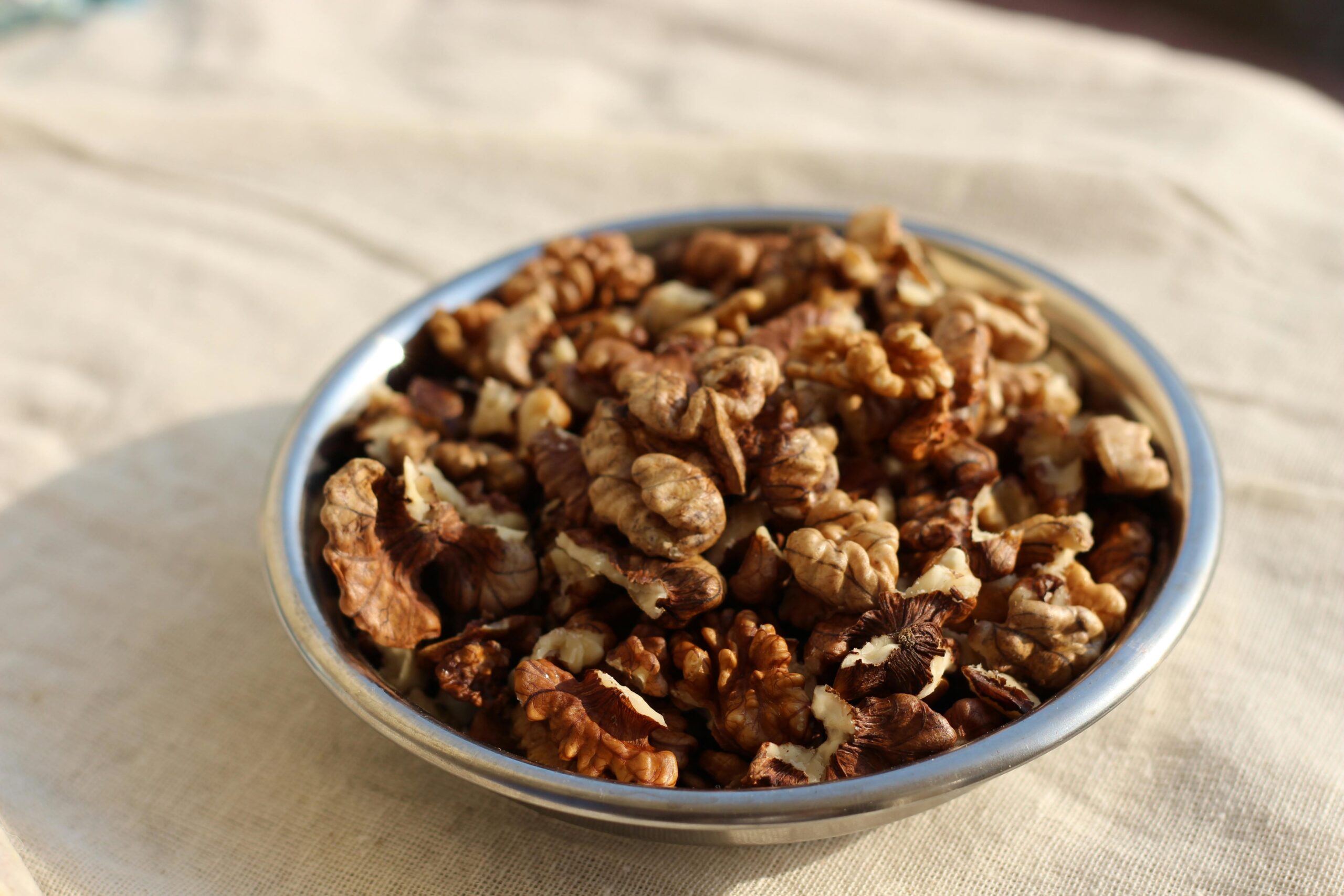
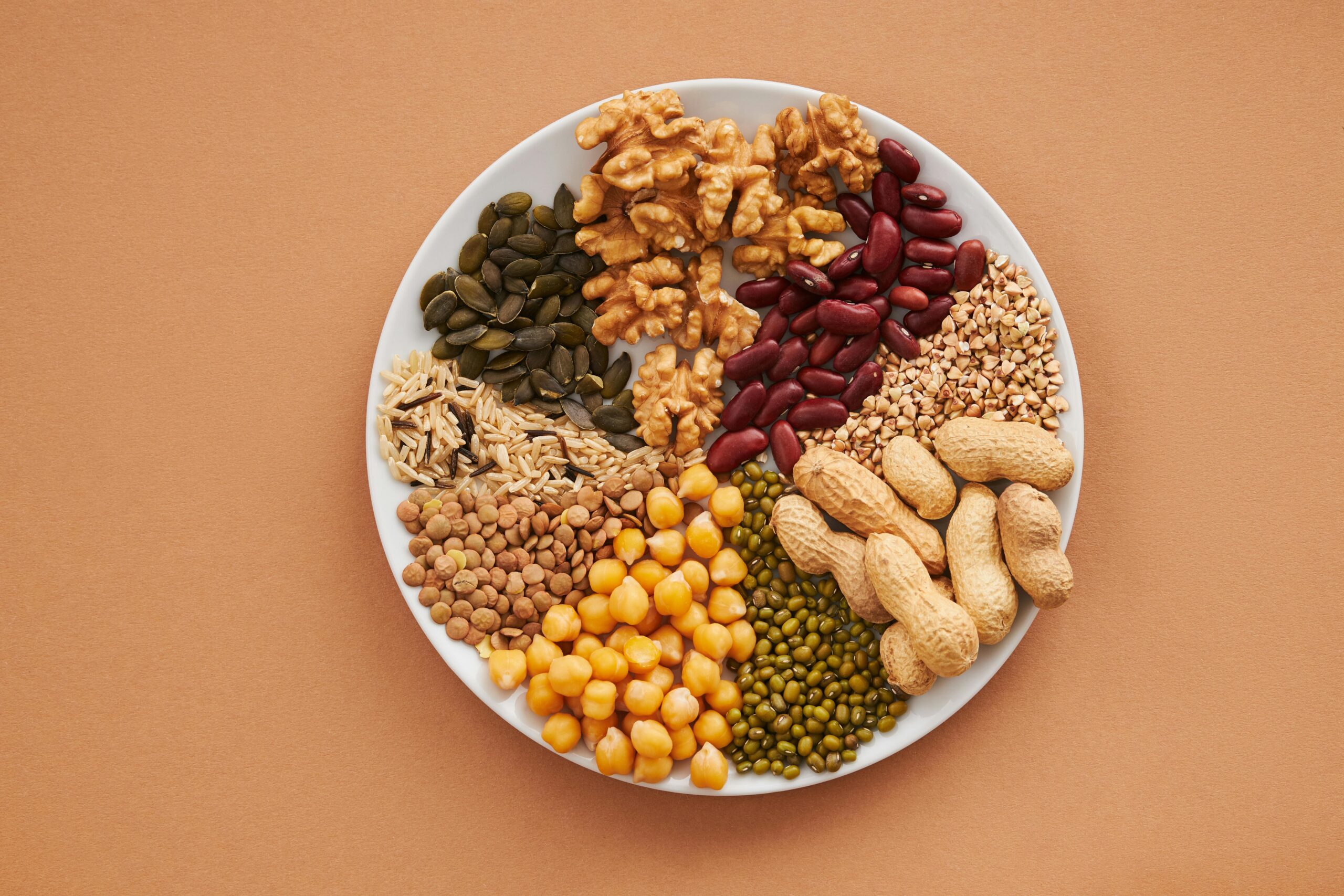
The most common food allergens include dairy, eggs, wheat, soy, tree nuts, peanuts, fish, and shellfish. These ingredients appear in countless traditional recipes, making allergen-free cooking seem challenging at first glance. However, with proper knowledge and the right substitutions, you can recreate almost any dish safely.
Cross-contamination poses a significant concern when preparing allergen-free meals. Designating separate cutting boards, utensils, and cooking surfaces for allergen-free preparation helps prevent accidental exposure. Reading labels meticulously and understanding ingredient terminology ensures you don’t inadvertently include hidden allergens in your cooking.
Essential Pantry Staples for Allergen-Free Cooking
Building a well-stocked allergen-free pantry simplifies meal preparation and ensures you always have safe ingredients on hand. Focus on whole foods and minimally processed items that naturally contain fewer allergens.
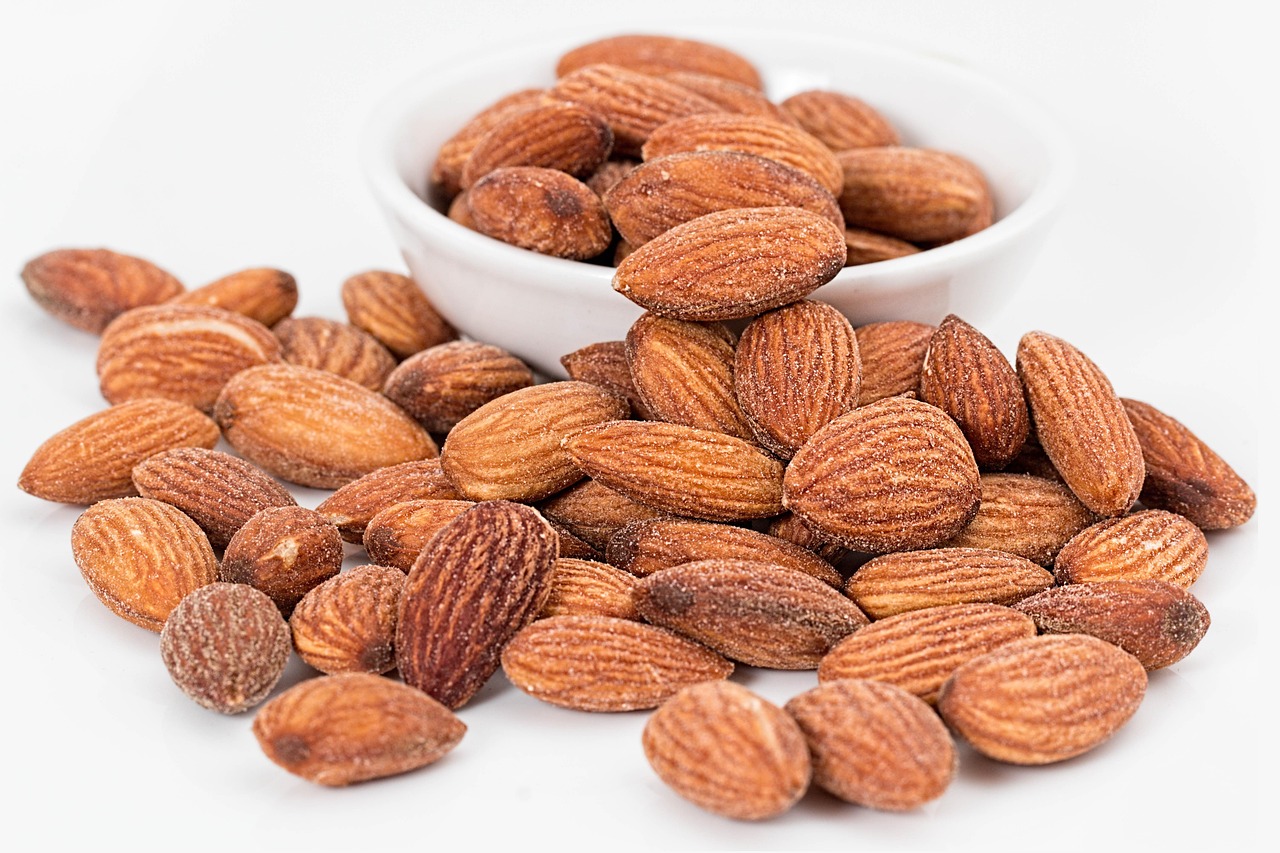
Stock your kitchen with alternative flours like rice flour, coconut flour, almond flour (if tree nuts aren’t an allergen), and oat flour. These versatile ingredients create excellent bases for breading, thickening sauces, and baking. Coconut milk, oat milk, and rice milk serve as wonderful dairy alternatives in both savory and sweet applications.
Keep your pantry stocked with high-quality oils like olive oil, avocado oil, and coconut oil for cooking and adding richness to dishes. Nutritional yeast provides a cheese-like flavor without dairy, while coconut aminos offer a soy-free alternative to soy sauce.
🌿 Magnificent Main Courses That Satisfy Every Palate
Creating impressive main courses without common allergens showcases how restrictive diets can still deliver restaurant-quality results. These recipes focus on naturally allergen-free ingredients enhanced with herbs, spices, and creative cooking methods.
Herb-Crusted Roasted Chicken with Root Vegetables
This classic comfort meal requires no allergens yet delivers incredible flavor through simple, quality ingredients. A whole chicken rubbed with olive oil, fresh rosemary, thyme, garlic, and lemon creates a golden, aromatic centerpiece for your dinner table.
Surround the chicken with carrots, parsnips, potatoes, and red onions that roast alongside the bird, absorbing the flavorful drippings. The vegetables caramelize beautifully, developing natural sweetness that complements the savory chicken. This one-pan meal simplifies preparation and cleanup while feeding a crowd.
Serve this dish with a simple salad dressed with olive oil and balsamic vinegar for a complete, balanced meal that proves allergen-free cooking can be both effortless and elegant.
Mediterranean Grilled Fish with Olive Tapenade
Fresh fish offers an excellent protein source for those avoiding common allergens, provided shellfish isn’t a concern. Halibut, cod, or sea bass work wonderfully when marinated in lemon juice, olive oil, and Mediterranean herbs before grilling.
Top the grilled fish with a homemade olive tapenade featuring kalamata olives, capers, garlic, fresh parsley, and additional olive oil. This intensely flavored condiment elevates simple grilled fish to gourmet status without any allergen concerns.
Accompany the fish with roasted bell peppers, zucchini, and eggplant for a colorful, nutritious plate that transports diners to the Mediterranean coast with every bite.
Slow-Cooked Beef Stew with Seasonal Vegetables
Hearty and satisfying, beef stew naturally contains no common allergens when prepared with careful ingredient selection. Chuck roast, cut into cubes and browned in olive oil, forms the protein-rich foundation of this comforting dish.
Add beef broth (ensuring it’s free from added allergens), tomato paste, carrots, celery, potatoes, and pearl onions. Season generously with bay leaves, thyme, and black pepper. Allow the stew to simmer slowly until the beef becomes fork-tender and the vegetables melt together in a rich, savory sauce.
This meal freezes exceptionally well, making it perfect for batch cooking and ensuring you always have a safe, delicious dinner option available on busy evenings.
🥗 Vibrant Vegetarian Options That Burst with Flavor
Plant-based dinners naturally avoid many common allergens while offering incredible variety and nutrition. These vegetarian recipes showcase how vegetables, legumes, and grains can create satisfying, complete meals.
Coconut Curry with Chickpeas and Sweet Potatoes
This aromatic curry demonstrates how allergen-free cooking embraces global flavors. Sauté onions, garlic, and ginger in coconut oil before adding curry powder, turmeric, and cumin. The spices bloom in the oil, releasing their essential oils and creating a fragrant base.
Add cubed sweet potatoes, cooked chickpeas, and full-fat coconut milk. The coconut milk creates a creamy sauce without any dairy, while the sweet potatoes provide natural sweetness that balances the warming spices. Fresh spinach wilted into the curry adds color and nutrients.
Serve over cauliflower rice or regular rice for a filling, nutritious dinner that satisfies vegetarians and meat-eaters alike. The leftovers taste even better the next day as the flavors meld together.
Quinoa-Stuffed Bell Peppers with Fresh Herbs
Colorful bell peppers become edible vessels for a flavorful quinoa filling in this visually stunning dish. Cook quinoa in vegetable broth for added flavor, then mix with sautéed mushrooms, diced tomatoes, black beans, corn, and fresh cilantro.
Season the mixture with cumin, paprika, and lime juice before stuffing into halved bell peppers. Bake until the peppers soften and the filling heats through. The result is a complete meal packed with protein, fiber, and vitamins.
These stuffed peppers work beautifully for meal prep, maintaining their texture and flavor when refrigerated and reheated throughout the week.
Mushroom and Vegetable Stir-Fry with Rice Noodles
Asian-inspired cuisine adapts beautifully to allergen-free cooking with simple substitutions. Wide rice noodles provide the perfect gluten-free base for this colorful stir-fry featuring shiitake mushrooms, snap peas, bell peppers, and bok choy.
Create a sauce using coconut aminos (soy-free), rice vinegar, fresh ginger, garlic, and a touch of maple syrup for balance. The sauce coats the noodles and vegetables, delivering umami-rich flavor without any soy or gluten.
This quick weeknight dinner comes together in under thirty minutes, proving that allergen-free cooking doesn’t require hours of preparation to achieve delicious results.
🍠 Spectacular Sides That Complete Your Meal
Side dishes round out your allergen-free feast, adding variety in texture, color, and flavor. These accompaniments complement your main courses while ensuring every component of the meal remains safe for all diners.
Garlic Roasted Brussels Sprouts with Balsamic Glaze
Brussels sprouts transform into crispy, caramelized bites when roasted at high heat. Toss halved sprouts with olive oil, minced garlic, salt, and pepper before roasting until the edges char and crisp.
Drizzle with a reduction of balsamic vinegar for a sweet-tart finish that elevates these humble vegetables to crave-worthy status. This side pairs beautifully with roasted meats or stands alone as a satisfying snack.
Creamy Mashed Cauliflower
Cauliflower mashed with olive oil and roasted garlic creates a luxuriously creamy side dish without any dairy. Steam cauliflower florets until very soft, then blend with roasted garlic, olive oil, salt, and fresh herbs.
The texture rivals traditional mashed potatoes while offering a lighter, nutrient-dense alternative. This side dish proves that allergen-free substitutions can actually enhance dishes rather than simply replacing problematic ingredients.
Rainbow Roasted Vegetable Medley
Celebrate seasonal produce with a colorful array of roasted vegetables. Combine butternut squash, red onions, beets, carrots, and Brussels sprouts on a large baking sheet. Drizzle with olive oil and sprinkle with fresh thyme, rosemary, salt, and pepper.
Roast until caramelized and tender, allowing the natural sugars in the vegetables to concentrate and develop. This versatile side complements virtually any main course and adds visual appeal to your dinner table.
🌟 Smart Strategies for Successful Allergen-Free Entertaining
Hosting dinner parties when cooking allergen-free requires additional planning but creates inclusive experiences where everyone enjoys the meal without worry. Communication and preparation ensure successful gatherings.
Contact guests ahead of time to understand all dietary restrictions and allergies. This prevents surprises and allows you to plan a menu that accommodates everyone safely. Keep a detailed list of ingredients used in each dish available for guests who need to verify safety.
Prepare foods in order from allergen-free to those containing allergens if cooking mixed dishes. Clean all surfaces, utensils, and equipment thoroughly between preparations to prevent cross-contamination. Label dishes clearly at buffets or family-style meals so guests can easily identify safe options.
Making Allergen-Free Cooking Feel Special, Not Restrictive
Frame allergen-free cooking as an opportunity for culinary creativity rather than a limitation. Explore new ingredients, cooking techniques, and flavor combinations that you might not have discovered otherwise.
Present dishes beautifully using attractive serving platters, garnishes, and thoughtful plating. The visual appeal enhances the dining experience and demonstrates that allergen-free meals deserve the same care and attention as any gourmet creation.
Focus conversations on the delicious flavors and interesting ingredients rather than what’s missing from the meal. This positive approach helps everyone appreciate the food for what it offers rather than dwelling on restrictions.
🔥 Flavor-Building Techniques for Allergen-Free Cooking
Without relying on butter, cheese, or cream for richness, allergen-free cooking requires alternative techniques to build deep, complex flavors. These methods ensure your dishes never taste bland or incomplete.
Caramelization develops natural sweetness and complexity in vegetables and proteins. Allow ingredients to brown properly without crowding the pan, which causes steaming instead of browning. This simple technique dramatically enhances flavor without adding anything to the dish.
Fresh herbs and aromatic vegetables form the flavor foundation of countless recipes. Sauté onions, garlic, celery, and carrots at the beginning of cooking to create depth. Add fresh herbs at the end to maintain their bright, vibrant notes.
Acids like lemon juice, lime juice, and vinegars brighten flavors and balance richness. A squeeze of fresh citrus at the end of cooking often makes the difference between a good dish and an exceptional one.
Creating Creaminess Without Dairy
Achieving creamy textures without cream, butter, or cheese requires understanding alternative ingredients that provide similar richness. Coconut milk offers substantial body and fat content that mimics cream in soups, curries, and sauces.
Blended cashews (if tree nuts aren’t an allergen) create remarkably creamy sauces when soaked and pureed with water or broth. The result rivals traditional cream-based sauces in texture and richness.
Pureed vegetables like cauliflower, white beans, or potatoes thicken sauces and soups while adding body and nutrition. These ingredients blend seamlessly into dishes, providing creaminess without detectable vegetable flavor.
📱 Planning and Organizing Your Allergen-Free Kitchen
Organization proves essential when managing allergen-free cooking, especially in households where some members have restrictions while others don’t. Systematic planning reduces stress and prevents dangerous mistakes.
Designate specific storage areas for allergen-free ingredients, clearly separating them from products containing common allergens. Use color-coded containers or labels to quickly identify safe foods. This system prevents accidental use of problematic ingredients during busy meal preparation.
Meal planning apps help organize recipes, create shopping lists, and track which meals work well for your household. Digital tools simplify the process of building a repertoire of reliable, tested allergen-free recipes that your family loves.
Batch cooking on weekends provides convenient allergen-free meals throughout the week. Prepare large quantities of staples like cooked grains, roasted vegetables, and proteins that can be quickly assembled into various dinners.
✨ Embracing the Journey Toward Confident Allergen-Free Cooking
Transitioning to allergen-free cooking represents a learning process that becomes easier and more intuitive with practice. Each successful meal builds confidence and expands your culinary repertoire.
Start with naturally allergen-free recipes rather than attempting complex substitutions immediately. Master simple preparations that highlight quality ingredients before progressing to more challenging dishes requiring multiple substitutions.
Connect with online communities focused on allergen-free cooking for support, recipe ideas, and troubleshooting advice. Sharing experiences with others navigating similar challenges provides encouragement and practical solutions.
Celebrate your successes and learn from less successful experiments. Every cook experiences occasional failures, but allergen-free cooking allows you to develop problem-solving skills and creativity that enhance your overall culinary abilities.
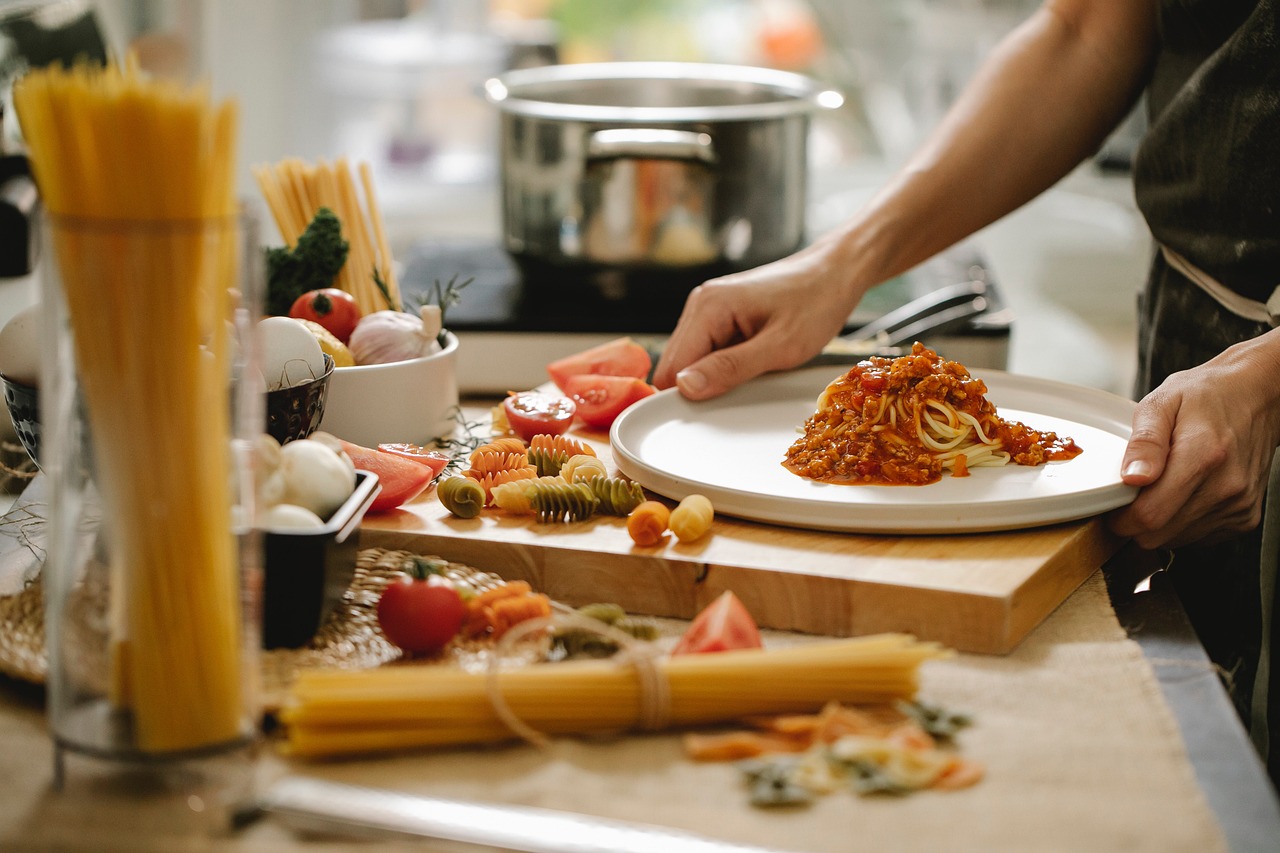
🎉 Creating Memorable Meals That Everyone Enjoys Safely
The ultimate goal of allergen-free cooking extends beyond merely avoiding dangerous ingredients. It’s about creating delicious, satisfying meals that bring people together around the dinner table without anxiety or exclusion.
When you master allergen-free cooking, you develop skills that serve your family for years to come. You learn to read ingredients critically, understand food science principles, and appreciate how simple, whole foods create extraordinary flavors.
These recipes and techniques demonstrate that allergen-free dinners can be just as exciting, flavorful, and satisfying as traditional meals. With creativity, quality ingredients, and proper techniques, you’ll create feasts that everyone at your table can enjoy safely and enthusiastically.
The kitchen becomes a place of joy and inclusion rather than stress and worry. Your confidence grows with each meal, and soon allergen-free cooking feels completely natural. You’ll discover favorite new ingredients, develop signature dishes, and perhaps inspire others to embrace this nourishing, inclusive approach to cooking.
Remember that every meal you prepare with care and attention represents an act of love for those you feed. Allergen-free cooking ensures that love extends safely to everyone at your table, creating memories around food that celebrate togetherness rather than limitation.