Living with food allergies doesn’t mean sacrificing flavor or variety at lunchtime. With creative ingredient swaps and thoughtful preparation, you can create satisfying meals that everyone at the table can enjoy safely.

Food allergies affect millions of people worldwide, making everyday activities like preparing lunch a potential challenge. Whether you’re cooking for yourself, your children, or hosting guests with dietary restrictions, having a repertoire of allergy-friendly recipes is essential. The good news is that eliminating common allergens like dairy, eggs, nuts, soy, wheat, fish, and shellfish doesn’t mean compromising on taste or nutrition. In fact, exploring allergy-friendly cooking often opens doors to new ingredients and culinary techniques you might never have discovered otherwise.
🌱 Understanding Common Food Allergens and Safe Alternatives
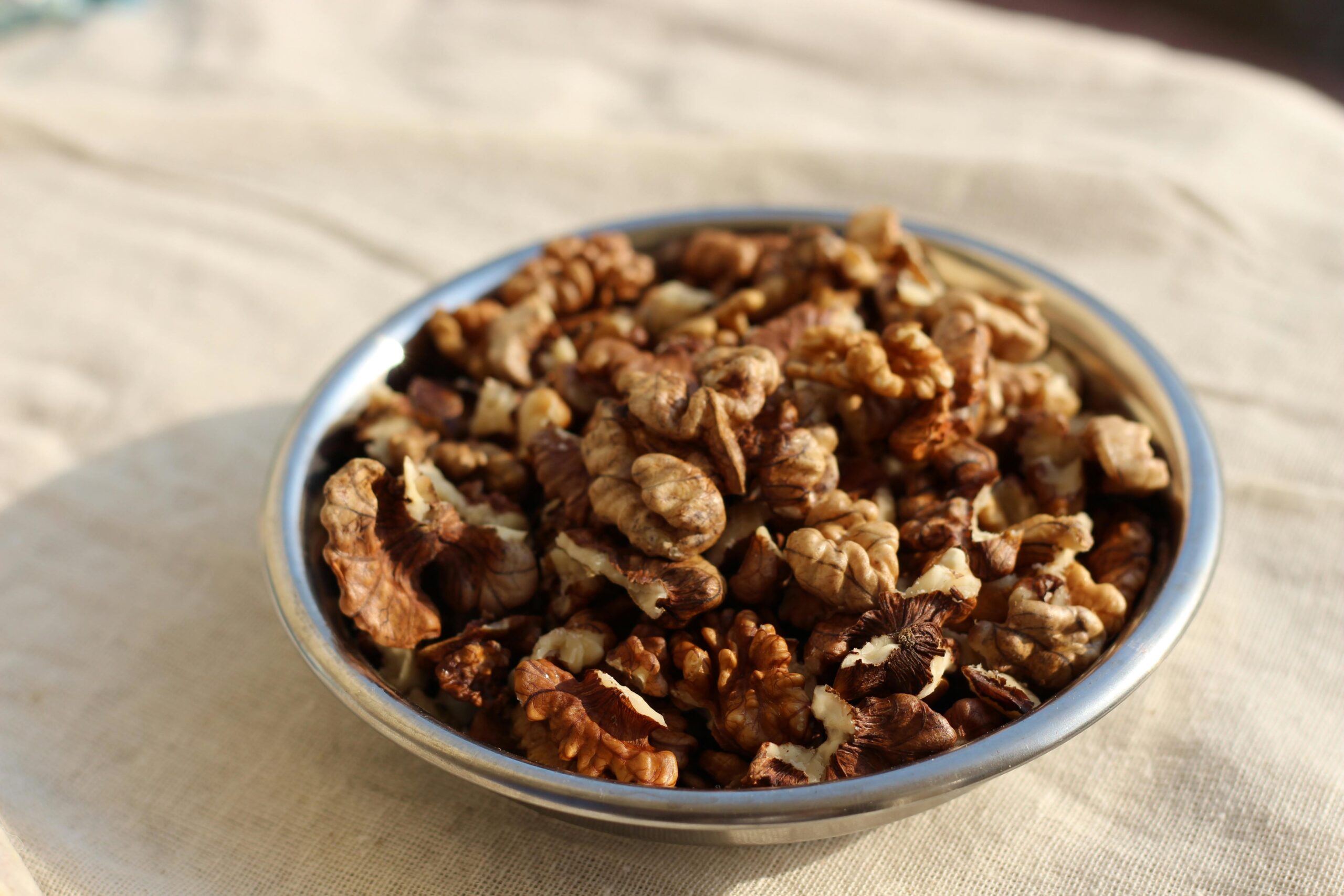
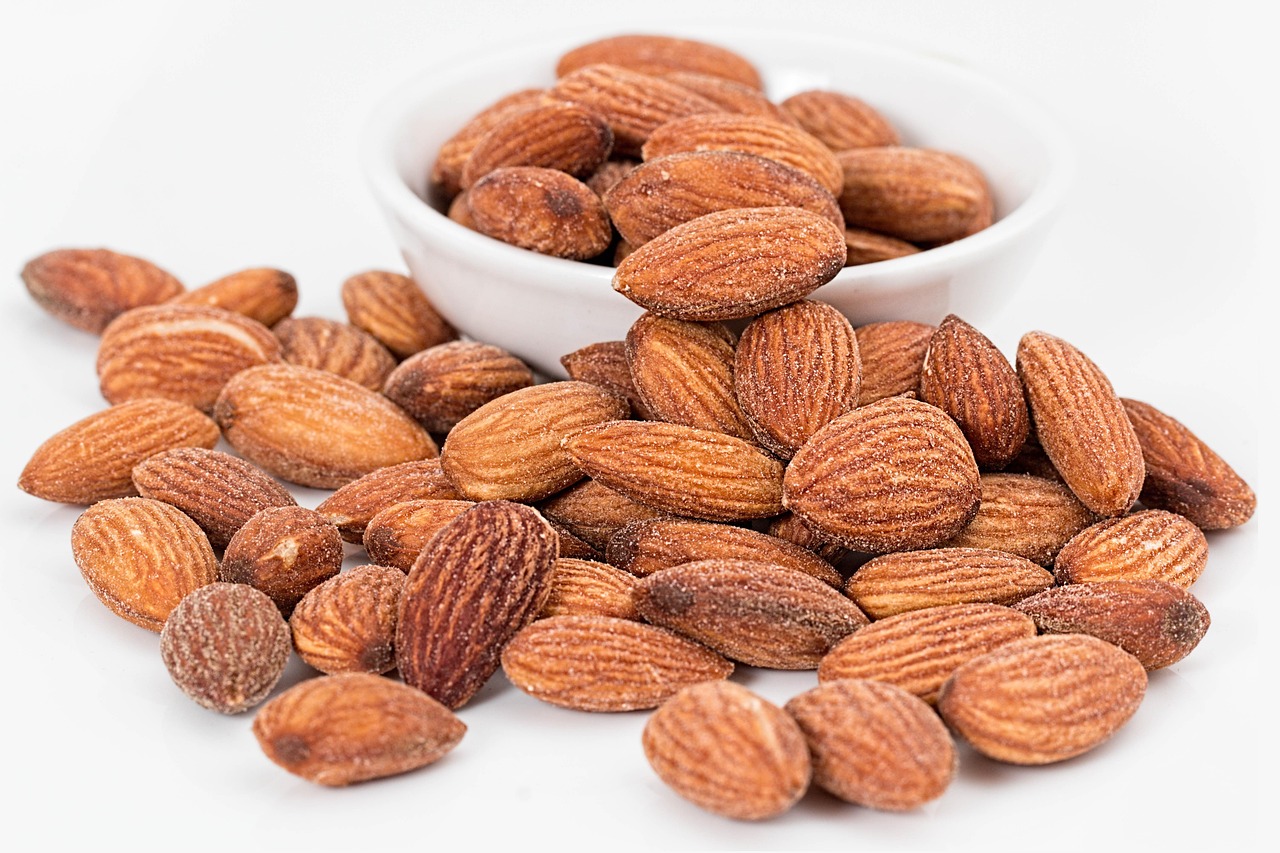
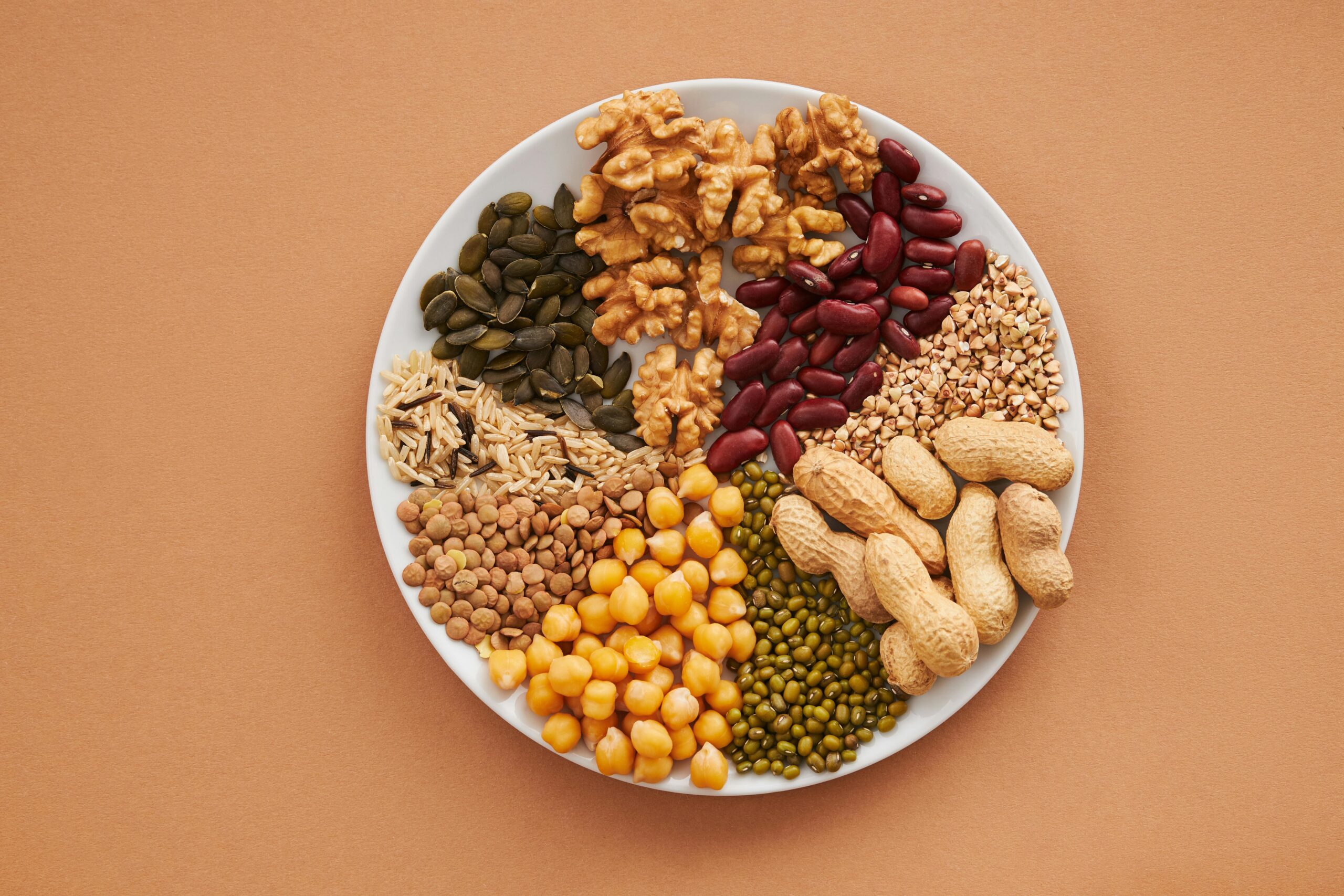
Before diving into recipes, it’s important to understand which ingredients typically cause allergic reactions and what substitutes work best. The FDA recognizes eight major food allergens that account for approximately 90% of all food-allergic reactions: milk, eggs, peanuts, tree nuts, wheat, soy, fish, and shellfish. More recently, sesame has been added to this list as the ninth major allergen.
When cooking allergy-friendly meals, you’ll want to familiarize yourself with ingredient labels and cross-contamination risks. Many processed foods contain hidden allergens in the form of derivatives or processing aids. Reading labels carefully and choosing certified allergen-free products when possible provides an extra layer of safety.
Smart Ingredient Swaps for Common Allergens
Replacing dairy products can be accomplished with coconut milk, oat milk, or rice milk in most recipes. For cheese alternatives, nutritional yeast provides a savory, cheese-like flavor without dairy. Eggs can be substituted with flax eggs (ground flaxseed mixed with water), applesauce, or commercial egg replacers depending on the recipe’s requirements.
For wheat-free options, consider rice flour, coconut flour, chickpea flour, or certified gluten-free oat flour. These alternatives each have unique properties, so experimentation helps determine which works best for specific dishes. Tree nut and peanut replacements include sunflower seed butter, pumpkin seed butter, or soy-free alternatives like tahini (if sesame is tolerated).
🥗 Fresh and Vibrant Salad Bowls
Salads offer endless possibilities for allergy-friendly lunches that burst with color, texture, and nutrients. The key is building a balanced bowl with protein, healthy fats, complex carbohydrates, and plenty of vegetables.
Mediterranean Chickpea Power Bowl
This protein-packed lunch combines roasted chickpeas seasoned with cumin, paprika, and garlic powder as the star ingredient. Serve over a bed of mixed greens with cherry tomatoes, cucumber, red onion, and kalamata olives. Drizzle with a simple lemon-olive oil dressing made from fresh lemon juice, extra virgin olive oil, minced garlic, and dried oregano. This bowl is naturally free from all major allergens while delivering approximately 15 grams of plant-based protein per serving.
The beauty of this recipe lies in its versatility. You can meal prep the roasted chickpeas at the beginning of the week and assemble fresh bowls daily. Add roasted red peppers, artichoke hearts, or steamed broccoli for variety throughout the week.
Rainbow Quinoa Salad with Herb Dressing
Quinoa serves as an excellent gluten-free grain alternative that contains all nine essential amino acids. Cook quinoa according to package directions and let it cool completely. Toss with diced bell peppers in multiple colors, shredded carrots, corn kernels, black beans, and fresh cilantro. The herb dressing combines fresh lime juice, olive oil, minced garlic, chopped cilantro, and a pinch of sea salt.
This salad travels well in lunch containers and actually tastes better after the flavors have time to meld together. It provides a complete nutritional profile with fiber, protein, and essential vitamins from the colorful vegetable medley.
🍲 Hearty Soups and Stews That Comfort
Nothing satisfies quite like a warm bowl of soup, and many soup recipes are naturally allergen-friendly or easily adapted. Soups also allow for batch cooking, making them perfect for busy schedules.
Creamy Tomato Basil Soup (Dairy-Free)
Achieve a luxuriously creamy texture without any dairy by incorporating coconut cream or blended cauliflower. Start by sautéing diced onions and minced garlic in olive oil until fragrant. Add two cans of whole peeled tomatoes, vegetable broth, fresh basil leaves, and a touch of coconut sugar to balance the acidity. Simmer for 20 minutes, then blend until smooth with either a half cup of coconut cream or one cup of steamed cauliflower florets.
Season with salt, pepper, and additional fresh basil before serving. This soup pairs wonderfully with allergen-free crackers or gluten-free bread for dipping. The coconut cream adds richness without imparting a strong coconut flavor, while the cauliflower option keeps it even lighter.
Healing Chicken and Rice Soup
This classic comfort food naturally avoids most major allergens. Use bone broth or allergen-free chicken stock as the base, adding diced chicken breast, carrots, celery, onions, and white or brown rice. Season with bay leaves, thyme, parsley, salt, and pepper. The simplicity of this soup makes it perfect for sensitive digestive systems while still delivering satisfying flavor.
For a vegetarian version, substitute the chicken with white beans or cubed extra-firm tofu, and use vegetable broth. The result is equally comforting and nourishing.
🌯 Wrap and Roll: Portable Lunch Solutions
Wraps and rolls provide convenient, handheld lunch options that travel well to school, work, or picnics. The key is finding allergen-free wrappers and creative filling combinations.
Lettuce Wrap Tacos with Seasoned Ground Turkey
Large romaine or butter lettuce leaves serve as perfect taco shells that are naturally gluten-free, grain-free, and low in carbohydrates. Brown ground turkey with homemade taco seasoning (chili powder, cumin, garlic powder, onion powder, paprika, and sea salt) to avoid pre-mixed seasonings that may contain allergens or additives.
Fill the lettuce leaves with the seasoned meat, diced tomatoes, shredded lettuce, sliced avocado, and fresh cilantro. Serve with lime wedges and your favorite allergen-free salsa. These wraps are light yet satisfying, providing lean protein and healthy fats without feeling heavy.
Rainbow Veggie Rice Paper Rolls
Rice paper wrappers offer another excellent allergen-friendly option for handheld lunches. Soak rice paper rounds in warm water until pliable, then fill with julienned vegetables like carrots, cucumber, red cabbage, bell peppers, and fresh herbs like mint, basil, and cilantro. Add cooked rice noodles for substance and sliced avocado for healthy fats.
Create a simple dipping sauce from coconut aminos (a soy sauce alternative), lime juice, minced garlic, and a touch of maple syrup. These fresh rolls are light, refreshing, and packed with nutrients while being completely free of common allergens.
🍝 Satisfying Pasta and Grain Dishes
Pasta lovers don’t have to give up their favorite comfort food when avoiding allergens. The market now offers numerous alternatives to traditional wheat pasta that cook up beautifully and hold sauce well.
Creamy Avocado Pasta with Roasted Vegetables
Use brown rice pasta, chickpea pasta, or quinoa pasta as your base. These alternatives provide more protein and fiber than traditional pasta while being gluten-free. The “creamy” sauce comes entirely from blended avocado mixed with fresh basil, garlic, lemon juice, and a splash of pasta cooking water to achieve the perfect consistency.
Toss the pasta with roasted cherry tomatoes, zucchini, and bell peppers for a complete meal. The healthy fats from avocado create a sauce so rich and creamy that no one will miss the dairy. This dish works well served warm or cold as a pasta salad.
Asian-Inspired Vegetable Fried Rice
Fried rice traditionally contains eggs and soy sauce, but this allergen-friendly version is equally delicious. Use day-old cooked rice (preferably jasmine or basmati) for the best texture. Sauté diced onions, carrots, peas, corn, and any other vegetables you enjoy in coconut oil or avocado oil.
Add the rice and season with coconut aminos instead of soy sauce, along with garlic powder, ginger powder, and a splash of rice vinegar. For added protein, include diced chicken, pork, or crispy tofu cubes. This one-pan meal comes together quickly and provides a balanced lunch with vegetables, protein, and complex carbohydrates.
🥙 Protein-Packed Bowls and Plates
Building lunch around quality protein sources ensures sustained energy throughout the afternoon. Many protein-rich foods are naturally allergen-friendly when prepared simply.
Herb-Roasted Chicken with Root Vegetables
Season chicken thighs or breasts with fresh rosemary, thyme, garlic, olive oil, salt, and pepper. Roast alongside cubed sweet potatoes, carrots, and parsnips at 400°F for approximately 35-40 minutes. This simple preparation method allows the natural flavors to shine while being completely free of allergens.
The sheet pan cooking method makes cleanup easy and allows you to prepare multiple servings at once. Pack these components together for lunch throughout the week, reheating as needed or enjoying cold over salad greens.
Lemon Herb Salmon with Quinoa Pilaf
For those who can tolerate fish, salmon provides omega-3 fatty acids and high-quality protein. Season salmon fillets with lemon zest, dried dill, garlic powder, salt, and pepper. Bake or pan-sear until cooked through. Serve alongside quinoa that’s been cooked in vegetable broth and mixed with sautéed onions, garlic, and fresh herbs.
Add steamed green beans or asparagus on the side for a restaurant-quality meal that’s entirely allergy-friendly. The bright flavors of lemon and herbs keep this dish light and refreshing.
🥪 Creative Sandwich Alternatives
Traditional sandwiches pose challenges when avoiding wheat, but creative alternatives exist that are just as satisfying and portable.
Sweet Potato Toast Stacks
Slice sweet potatoes lengthwise into quarter-inch planks and toast them until tender and slightly crispy. These “toast” slices serve as the perfect base for various toppings. Try mashed avocado with sliced cucumber and sprouts, or spread with sunflower seed butter and sliced strawberries for a sweet option.
Another delicious combination includes smashed white beans mixed with lemon juice and herbs, topped with roasted red peppers and arugula. Sweet potato toast provides complex carbohydrates, fiber, and vitamins while being naturally free of all major allergens.
Portobello Mushroom Burgers
Large portobello mushroom caps marinated in balsamic vinegar, olive oil, garlic, and herbs make exceptional burger patties. Grill or roast until tender, then serve on allergen-free buns or wrapped in lettuce leaves. Top with sliced tomato, onion, avocado, and your favorite allergen-free condiments.
The meaty texture of portobellos satisfies even dedicated burger lovers while providing B vitamins, selenium, and antioxidants. This option works perfectly for vegetarian and vegan diets as well.
📱 Planning and Organizing Your Allergy-Friendly Kitchen
Successfully maintaining an allergy-friendly lunch routine requires organization and planning. Dedicate time each week to meal planning, grocery shopping, and batch preparation. Keep your pantry stocked with versatile allergen-free staples like rice, quinoa, canned beans, coconut milk, olive oil, and herbs and spices.
Invest in quality food storage containers that keep ingredients fresh and prevent cross-contamination. Label everything clearly, especially if your household includes both allergen-free and conventional foods. Create a master list of safe foods and favorite recipes that you can reference when planning becomes overwhelming.
✨ Making Allergy-Friendly Eating Enjoyable for Everyone
The secret to successful allergy-friendly cooking lies in focusing on what you can eat rather than restrictions. Fresh vegetables, fruits, lean proteins, whole grains like rice and quinoa, legumes, and healthy fats form the foundation of delicious, nourishing meals that happen to be free of common allergens.
Experiment with herbs and spices to create complex flavors without relying on allergenic ingredients. Fresh herbs like cilantro, basil, parsley, and mint add brightness to dishes, while dried spices like cumin, paprika, turmeric, and cinnamon provide depth and warmth. Building a well-stocked spice collection transforms simple ingredients into exciting meals.
Don’t be afraid to modify traditional recipes to suit your needs. Most dishes can be adapted successfully with thoughtful substitutions and a bit of creativity. Over time, you’ll develop an intuition for which swaps work best in different applications.
🌟 Empowering Your Allergy-Friendly Journey
Creating delicious, allergen-free lunches becomes second nature with practice and the right resources. Connect with others managing food allergies through online communities, local support groups, or social media. Sharing recipes, tips, and experiences makes the journey less isolating and more enjoyable.
Remember that cooking allergy-friendly meals benefits everyone, not just those with diagnosed allergies. These recipes tend to be made with whole, minimally processed ingredients that support overall health. Friends and family members often discover they feel better when eating allergen-free meals, even without specific sensitivities.
Keep trying new recipes and ingredients to prevent boredom and ensure nutritional variety. The world of allergy-friendly cooking continues to expand as more people embrace these dietary patterns and food manufacturers respond with innovative products. What once seemed limiting can actually become an exciting culinary adventure that introduces you to ingredients and cuisines you might never have explored otherwise.
By focusing on fresh, whole foods prepared with care and creativity, you can create lunch recipes that everyone at your table will genuinely enjoy. Whether you’re packing lunch boxes for school, preparing meals for work, or hosting friends with dietary restrictions, these allergy-friendly recipes prove that delicious food is accessible to everyone, regardless of dietary limitations. The key is approaching cooking with flexibility, creativity, and an open mind to discover just how satisfying allergen-free eating can be.