Cooking for people with food allergies doesn’t have to be overwhelming or restrictive. With the right knowledge and techniques, you can create delicious meals that everyone at your table can safely enjoy.

Food allergies affect millions of people worldwide, making allergy-friendly cooking an essential skill for modern households. Whether you’re cooking for a child with multiple allergies, hosting friends with dietary restrictions, or managing your own food sensitivities, learning to prepare safe and flavorful meals opens up a world of culinary possibilities. This comprehensive guide will walk you through everything you need to know to become confident in allergy-friendly cooking, from understanding common allergens to mastering substitution techniques that don’t compromise on taste.
🔍 Understanding Food Allergies and Why They Matter
Food allergies occur when the immune system mistakenly identifies certain proteins as harmful, triggering reactions that range from mild discomfort to life-threatening anaphylaxis. Unlike food intolerances, which primarily cause digestive issues, true allergies involve the immune system and can be dangerous.
The “Big Nine” allergens account for approximately 90% of all food allergic reactions. These include milk, eggs, fish, shellfish, tree nuts, peanuts, wheat, soybeans, and sesame. In recent years, sesame was added to this list due to increasing prevalence of allergies. Understanding these common allergens is your first step toward creating a safe kitchen environment.
Cross-contamination poses one of the biggest risks in allergy-friendly cooking. Even trace amounts of allergens can trigger severe reactions in sensitive individuals. This makes kitchen organization, proper cleaning protocols, and careful ingredient selection absolutely critical for anyone cooking allergy-friendly meals.
🛒 Setting Up Your Allergy-Friendly Kitchen
Creating a safe cooking environment begins with organization and awareness. Start by designating specific areas of your kitchen for allergen-free food preparation. If you’re cooking for someone with severe allergies, consider keeping separate cutting boards, utensils, and cookware exclusively for allergen-free meals.
Your pantry makeover should focus on reading labels meticulously. Food manufacturers are required to clearly identify major allergens on packaging, but formulations can change. Always check labels, even on products you’ve purchased before. Look for “may contain” warnings and manufacturing statements about shared equipment.
Essential Allergy-Friendly Pantry Staples
- Alternative flours: rice flour, coconut flour, oat flour, almond flour (if tree nuts are safe)
- Non-dairy milk alternatives: oat milk, rice milk, coconut milk
- Safe oils: olive oil, coconut oil, sunflower oil
- Natural sweeteners: maple syrup, honey, coconut sugar
- Egg replacements: flax seeds, chia seeds, commercial egg replacers
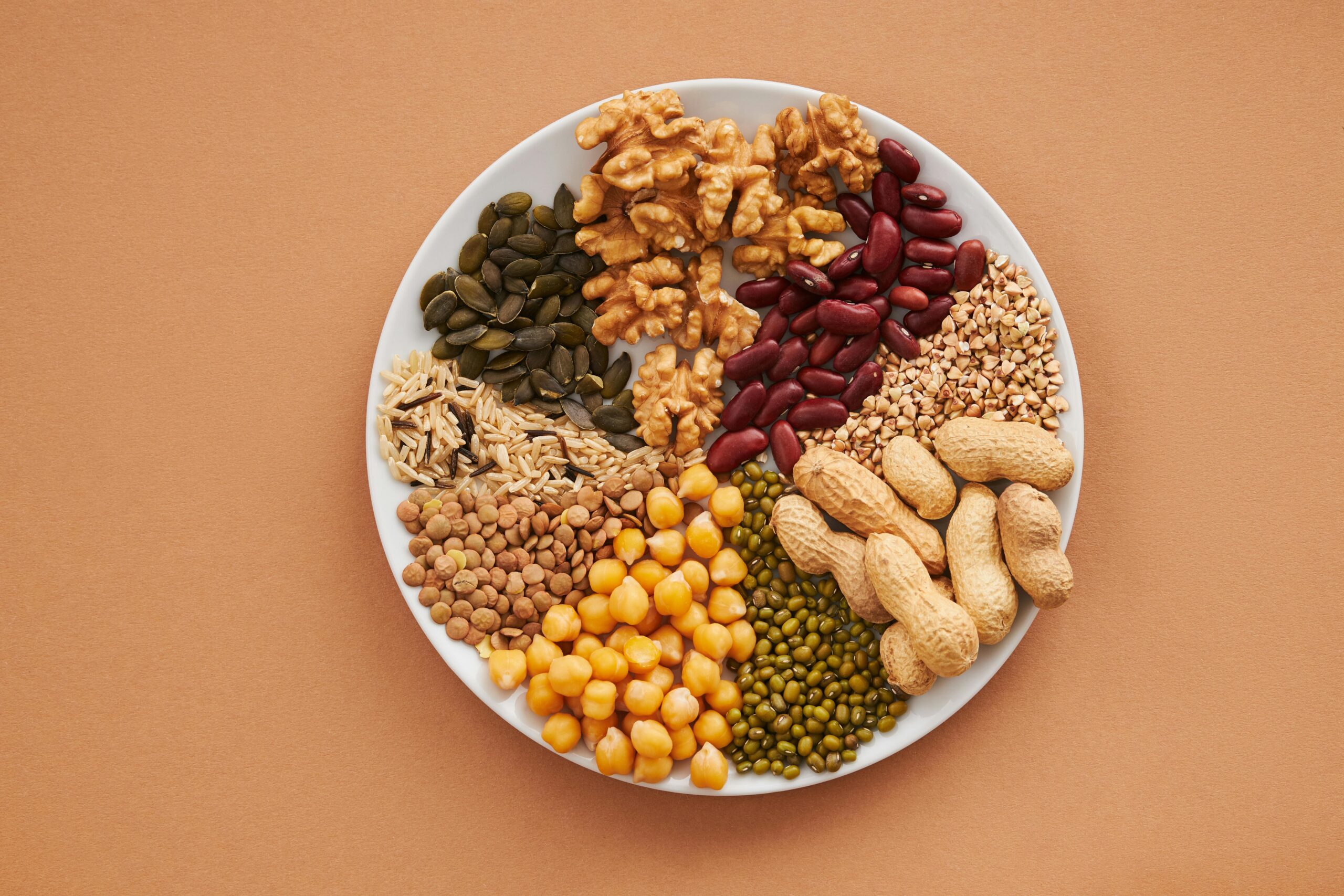
- Safe proteins: beans, lentils, quinoa, allergen-free meats
- Herbs and spices for flavor enhancement
- Gluten-free grains: rice, quinoa, buckwheat, millet
Invest in quality storage containers with clear labels. Color-coding systems can help prevent mix-ups, especially in households where some members don’t have allergies. Glass containers are excellent choices as they don’t absorb flavors or oils and are easy to sanitize completely.
🥄 Mastering Ingredient Substitutions
The key to successful allergy-friendly cooking lies in understanding how to substitute common allergens without sacrificing texture, flavor, or nutrition. Each allergen plays specific roles in recipes, and knowing these functions helps you choose the right replacement.
Dairy-Free Cooking Solutions
Milk serves multiple purposes in cooking: adding moisture, creating tenderness, providing richness, and contributing to browning. Fortunately, numerous alternatives exist today. Coconut milk works beautifully in creamy sauces and soups, while oat milk provides neutral flavor perfect for baking. Rice milk offers lightness, and cashew cream creates luxurious dairy-free sauces.
For butter replacements, consider coconut oil for baking (use refined for neutral flavor), olive oil for savory dishes, and vegan butter alternatives for spreading and cooking. Each brings different properties, so experiment to find what works best for specific recipes.
Egg Alternatives That Actually Work
Eggs bind, leaven, add moisture, and provide structure. The substitute you choose depends on the egg’s function in your recipe. For binding, try flax eggs (1 tablespoon ground flaxseed mixed with 3 tablespoons water equals one egg) or chia eggs using the same ratio. These work excellently in pancakes, muffins, and quick breads.
For leavening in cakes and cupcakes, combine 1 tablespoon vinegar with 1 teaspoon baking soda to replace one egg. This creates the chemical reaction needed for rise. Commercial egg replacers like Ener-G work well for cookies and brownies, while aquafaba (chickpea liquid) whips up into amazing meringues and mousses.
Wheat and Gluten-Free Baking
Wheat-free baking requires understanding that gluten provides structure and elasticity. No single flour perfectly replicates wheat, which is why most successful gluten-free baking uses flour blends. A basic blend might include white rice flour, brown rice flour, tapioca starch, and potato starch in specific ratios.
Adding xanthan gum or psyllium husk powder helps recreate gluten’s binding properties. Start with 1/4 teaspoon per cup of flour blend and adjust based on results. Remember that gluten-free batters are typically thicker than traditional ones, and baked goods may need slightly longer cooking times at lower temperatures.
👨🍳 Essential Cooking Techniques for Allergy-Friendly Meals
Beyond substitutions, certain techniques ensure your allergy-friendly cooking succeeds consistently. These methods help you build flavor, achieve proper texture, and create satisfying meals without relying on common allergens.
Roasting vegetables intensifies their natural sweetness and creates complex flavors without adding dairy or other allergens. Toss vegetables in olive oil, season generously with herbs and spices, and roast at high heat (400-425°F) until caramelized. This technique works for everything from Brussels sprouts to cauliflower to root vegetables.
Building umami through ingredient layering compensates for richness typically provided by cheese or cream. Incorporate mushrooms, tomato paste, nutritional yeast, miso paste (check for allergens), coconut aminos, or balsamic vinegar. These ingredients add depth and savory satisfaction to soups, stews, and sauces.
Creating Creamy Textures Without Dairy
Achieving creaminess without dairy requires different approaches. Blended soaked cashews create incredibly smooth sauces for pasta or vegetables. Coconut cream (the thick part from canned coconut milk) whips into dairy-free topping or enriches curries. Pureed white beans or cauliflower add body to soups without detectable flavor.
Potato starch or arrowroot powder work as thickeners in place of flour-based roux. Mix with cold liquid before adding to hot mixtures to prevent clumping. These alternatives create glossy, smooth sauces perfect for gravies and puddings.
🍽️ Simple Allergy-Friendly Recipes to Start Your Journey
Starting with straightforward recipes builds confidence and demonstrates that allergy-friendly cooking produces genuinely delicious results. These foundational dishes accommodate multiple allergens while delivering satisfying flavors.
Universal Breakfast Options
Overnight oats made with safe milk alternatives, chia seeds, and fresh fruit provide nutritious, customizable breakfasts. Mix rolled oats with your chosen milk, add maple syrup, vanilla, and chia seeds, then refrigerate overnight. Top with berries, banana slices, or safe nut butter alternatives in the morning.
Smoothie bowls offer another versatile option. Blend frozen bananas with safe milk, add protein powder if tolerated, and top with fresh fruit, seeds, and allergen-free granola. The thick consistency makes breakfast feel substantial and satisfying.
Crowd-Pleasing Main Dishes
Sheet pan dinners simplify meal preparation while naturally avoiding many allergens. Arrange chicken thighs or salmon (if fish is safe) with seasonal vegetables, drizzle with olive oil, season generously, and roast until everything is cooked through. This one-pan approach minimizes cross-contamination risk and cleanup.
Grain bowls built on safe bases like quinoa or rice allow endless customization. Add roasted vegetables, a protein source, fresh greens, and a simple vinaigrette made from olive oil, lemon juice, and herbs. Each person can customize their bowl according to their specific needs.
Satisfying Snacks and Treats
Energy balls made from dates, safe seeds, coconut, and allergen-free chocolate chips provide portable snacking. Process dates until sticky, add remaining ingredients, roll into balls, and refrigerate. These naturally sweet treats contain no refined sugar and pack nutrition.
Fruit-based nice cream offers a dairy-free frozen treat. Freeze ripe bananas, then blend until smooth and creamy. Add cocoa powder, vanilla, or other safe flavorings. The result mimics ice cream’s texture without any dairy, and the natural sweetness requires no added sugar.
📱 Helpful Tools and Resources
Technology makes allergy-friendly cooking more manageable than ever. Several smartphone applications help identify safe products, find recipes, and manage allergen information.
Recipe apps with filtering capabilities allow you to search specifically for meals excluding your allergens. Many include nutritional information and substitution suggestions, making meal planning straightforward even for beginners.
Barcode scanning apps help identify allergens in packaged foods quickly. Simply scan products while shopping to instantly see if they’re safe. Some applications also alert you to formula changes in products you regularly purchase.
🎯 Meal Planning Strategies for Success
Consistent meal planning prevents last-minute stress and ensures you always have safe options available. Dedicate time weekly to plan meals, check your pantry, and create shopping lists organized by store section.
Batch cooking saves time and guarantees safe meals are ready when needed. Prepare large quantities of allergen-free soups, stews, or casseroles, then freeze in portions. Label everything clearly with contents, date, and any relevant allergen information.
Keep a running list of successful recipes that your household enjoys. This personalized collection becomes invaluable when you’re short on inspiration. Note any modifications you made and how people responded to help refine future cooking.
🌟 Dining Out and Social Situations
Navigating restaurants and social gatherings requires preparation and communication. Research restaurants beforehand, looking for those familiar with food allergies. Many establishments now provide allergen menus or detailed ingredient information online.
When dining out, always inform servers about allergies immediately. Ask detailed questions about ingredients and preparation methods. Don’t hesitate to request modifications or speak with the chef directly if needed. Your safety is paramount.
For social gatherings, consider bringing a dish to share that you know is safe. This ensures you’ll have something to eat while contributing to the meal. Many hosts appreciate the gesture, and it introduces others to delicious allergy-friendly cooking.
💪 Building Confidence in Your Allergy-Friendly Kitchen
Mastering allergy-friendly cooking is a journey, not a destination. Start with simple recipes and gradually expand your repertoire as confidence grows. Each successful meal reinforces your skills and knowledge.
Connect with online communities of people cooking for food allergies. These groups offer recipe ideas, troubleshooting advice, and emotional support. Learning from others’ experiences accelerates your progress and reminds you that you’re not alone.
Keep detailed notes about what works and what doesn’t. Record successful substitution ratios, favorite recipes, and lessons learned from failures. This personalized reference guide becomes increasingly valuable over time.
Remember that mistakes happen to everyone. If a recipe doesn’t turn out perfectly, analyze what went wrong and try again. Persistence and experimentation lead to mastery. Many accomplished allergy-friendly cooks started exactly where you are now.
🌈 Embracing the Positive Aspects
While cooking with food allergies presents challenges, it also offers unexpected benefits. Many people discover new ingredients and cuisines they never would have explored otherwise. Allergy-friendly cooking often emphasizes whole foods, leading to generally healthier eating patterns.
The creativity required to adapt recipes strengthens overall cooking skills. Understanding ingredient functions and developing substitution expertise makes you a more versatile, knowledgeable cook. These skills transfer to all areas of cooking, not just allergy-friendly meals.
Cooking safe, delicious meals for someone with food allergies is an act of love and care. The effort you invest demonstrates commitment to their wellbeing and ensures they can fully participate in the social and cultural aspects of sharing food.
As you continue this journey, celebrate your progress and the delicious meals you create. Allergy-friendly cooking doesn’t mean sacrificing flavor, enjoyment, or variety. With practice, patience, and the right techniques, you’ll master the art of preparing safe, satisfying meals that everyone at your table can enjoy together. Your growing expertise not only protects those with allergies but also expands culinary horizons for your entire household, proving that dietary restrictions can inspire rather than limit creativity in the kitchen.