Maintaining optimal health isn’t just about eating well—it’s about ensuring your body receives the essential vitamins and minerals it needs to thrive. These micronutrients power everything from your immune system to energy production, making them fundamental to your overall wellbeing.

In today’s fast-paced world, even the most balanced diets can fall short of providing complete nutritional coverage. Understanding which vitamins and minerals your body requires, and how to obtain them effectively, can transform your health, boost your energy levels, and enhance your vitality in ways you never imagined possible.
💪 Understanding the Foundation: Why Vitamins and Minerals Matter
Vitamins and minerals serve as the catalysts for thousands of biochemical reactions occurring in your body every single day. These essential nutrients support cellular function, facilitate energy metabolism, strengthen your immune defenses, and maintain the structural integrity of your bones, skin, and organs.
Without adequate micronutrient intake, your body cannot function optimally. Deficiencies can lead to fatigue, weakened immunity, poor concentration, mood disturbances, and increased susceptibility to chronic diseases. The challenge lies in ensuring comprehensive coverage across all essential nutrients.
The modern diet, despite its abundance, often lacks nutritional diversity. Processed foods, depleted soils, and lifestyle factors all contribute to potential gaps in micronutrient intake. This makes it crucial to adopt a strategic approach to nutrition that prioritizes nutrient-dense foods and addresses individual needs.
🌟 The Essential Vitamins: Your Complete Checklist
Vitamin A: Vision, Immunity, and Skin Health
Vitamin A plays a critical role in maintaining healthy vision, particularly night vision, while supporting immune function and skin integrity. This fat-soluble vitamin comes in two forms: preformed vitamin A (retinol) found in animal products, and provitamin A carotenoids (like beta-carotene) found in colorful fruits and vegetables.
Food sources rich in vitamin A include liver, sweet potatoes, carrots, spinach, kale, and butternut squash. Adults need approximately 700-900 micrograms daily, though requirements vary by age and gender. Deficiency can lead to vision problems, increased infection risk, and skin issues.
The B-Complex Family: Energy and Nervous System Support
The B vitamins work synergistically to convert food into energy, support nervous system function, and maintain healthy red blood cells. This family includes thiamine (B1), riboflavin (B2), niacin (B3), pantothenic acid (B5), pyridoxine (B6), biotin (B7), folate (B9), and cobalamin (B12).
Whole grains, legumes, eggs, dairy products, lean meats, and leafy greens provide abundant B vitamins. Vitamin B12 deserves special attention for vegetarians and vegans, as it’s primarily found in animal products. Supplementation may be necessary for those following plant-based diets or individuals over 50 who may have reduced absorption capacity.
Vitamin C: The Immunity Powerhouse
Beyond its reputation as an immune booster, vitamin C acts as a potent antioxidant, supports collagen production for healthy skin and connective tissue, and enhances iron absorption. This water-soluble vitamin must be consumed regularly as your body doesn’t store it.
Citrus fruits, bell peppers, strawberries, broccoli, and Brussels sprouts are excellent sources. Adults should aim for 75-90 milligrams daily, though higher amounts may be beneficial during illness or stress. Smokers require an additional 35 milligrams due to increased oxidative stress.
Vitamin D: The Sunshine Vitamin
Vitamin D functions more like a hormone than a traditional vitamin, regulating calcium absorption, supporting bone health, modulating immune function, and influencing mood. Despite its importance, vitamin D deficiency is remarkably common, affecting nearly half the global population.
While your skin produces vitamin D when exposed to sunlight, factors like geographical location, season, skin pigmentation, and sunscreen use affect synthesis. Fatty fish, fortified dairy products, and egg yolks provide dietary vitamin D, but many people benefit from supplementation, particularly during winter months.
Vitamin E: Antioxidant Protection
Vitamin E protects cells from oxidative damage, supports immune function, and promotes healthy skin. This fat-soluble antioxidant is found in nuts, seeds, vegetable oils, and green leafy vegetables. Most people obtain adequate vitamin E through diet, with recommended intake around 15 milligrams daily for adults.
Vitamin K: Blood Clotting and Bone Health
Vitamin K plays essential roles in blood clotting and bone metabolism. Leafy greens like kale, spinach, and collard greens are exceptional sources, while your gut bacteria also produce some vitamin K. Adults need approximately 90-120 micrograms daily.
⚡ Essential Minerals: Building Blocks of Health
Calcium: Beyond Strong Bones
While calcium is renowned for building and maintaining strong bones and teeth, it also supports muscle function, nerve transmission, and blood clotting. Adults need 1,000-1,200 milligrams daily, with requirements increasing for women over 50 and men over 70.
Dairy products provide highly absorbable calcium, but plant-based sources include fortified plant milks, leafy greens, almonds, and tofu prepared with calcium sulfate. Vitamin D enhances calcium absorption, making these nutrients partners in bone health.
Iron: Oxygen Transport and Energy Production
Iron is crucial for hemoglobin production, oxygen transport throughout your body, and energy metabolism. Iron deficiency remains the most common nutritional deficiency worldwide, particularly affecting women of childbearing age, pregnant women, and vegetarians.
Red meat provides highly absorbable heme iron, while plant sources like lentils, beans, fortified cereals, and spinach contain non-heme iron with lower absorption rates. Consuming vitamin C-rich foods alongside plant-based iron sources significantly enhances absorption.
Magnesium: The Relaxation Mineral
Magnesium participates in over 300 enzymatic reactions, supporting muscle and nerve function, blood sugar regulation, blood pressure management, and protein synthesis. Despite its importance, many people consume insufficient magnesium.
Excellent sources include pumpkin seeds, almonds, spinach, black beans, dark chocolate, and whole grains. Adults need 310-420 milligrams daily depending on age and gender. Adequate magnesium intake supports better sleep quality, reduced muscle cramps, and improved stress management.
Zinc: Immune Function and Wound Healing
Zinc supports immune function, wound healing, DNA synthesis, and protein production. It also plays roles in taste and smell perception. Oysters contain more zinc per serving than any other food, but beef, pumpkin seeds, lentils, and cashews also provide substantial amounts.
Adults need 8-11 milligrams daily, with vegetarians potentially requiring higher intakes due to reduced bioavailability from plant sources. Zinc supplementation should be approached cautiously, as excessive amounts can interfere with copper absorption.
Selenium: Antioxidant and Thyroid Support
Selenium functions as a powerful antioxidant and supports thyroid hormone metabolism. Brazil nuts are exceptionally rich in selenium—just one or two nuts daily can meet your needs. Fish, meat, eggs, and whole grains also contribute selenium to your diet.
Potassium: Heart Health and Blood Pressure Regulation
Potassium helps regulate fluid balance, nerve signals, and muscle contractions while counteracting sodium’s blood pressure-raising effects. Bananas are famous for potassium content, but sweet potatoes, white beans, spinach, and avocados provide even higher amounts.
Most adults need around 2,600-3,400 milligrams daily, yet many fall short. Emphasizing whole, minimally processed foods naturally increases potassium intake while reducing excessive sodium consumption.
🎯 Creating Your Personalized Nutrient Strategy
Assessing Your Individual Needs
Individual nutrient requirements vary based on age, gender, activity level, health status, medications, and life stage. Pregnant women need more folate and iron, athletes may require additional B vitamins and minerals lost through sweat, and older adults often need supplemental vitamin B12 and vitamin D.
Working with healthcare providers to assess your nutritional status through blood tests can identify specific deficiencies requiring attention. This personalized approach ensures you address your unique needs rather than following generic recommendations.
Building a Nutrient-Dense Diet
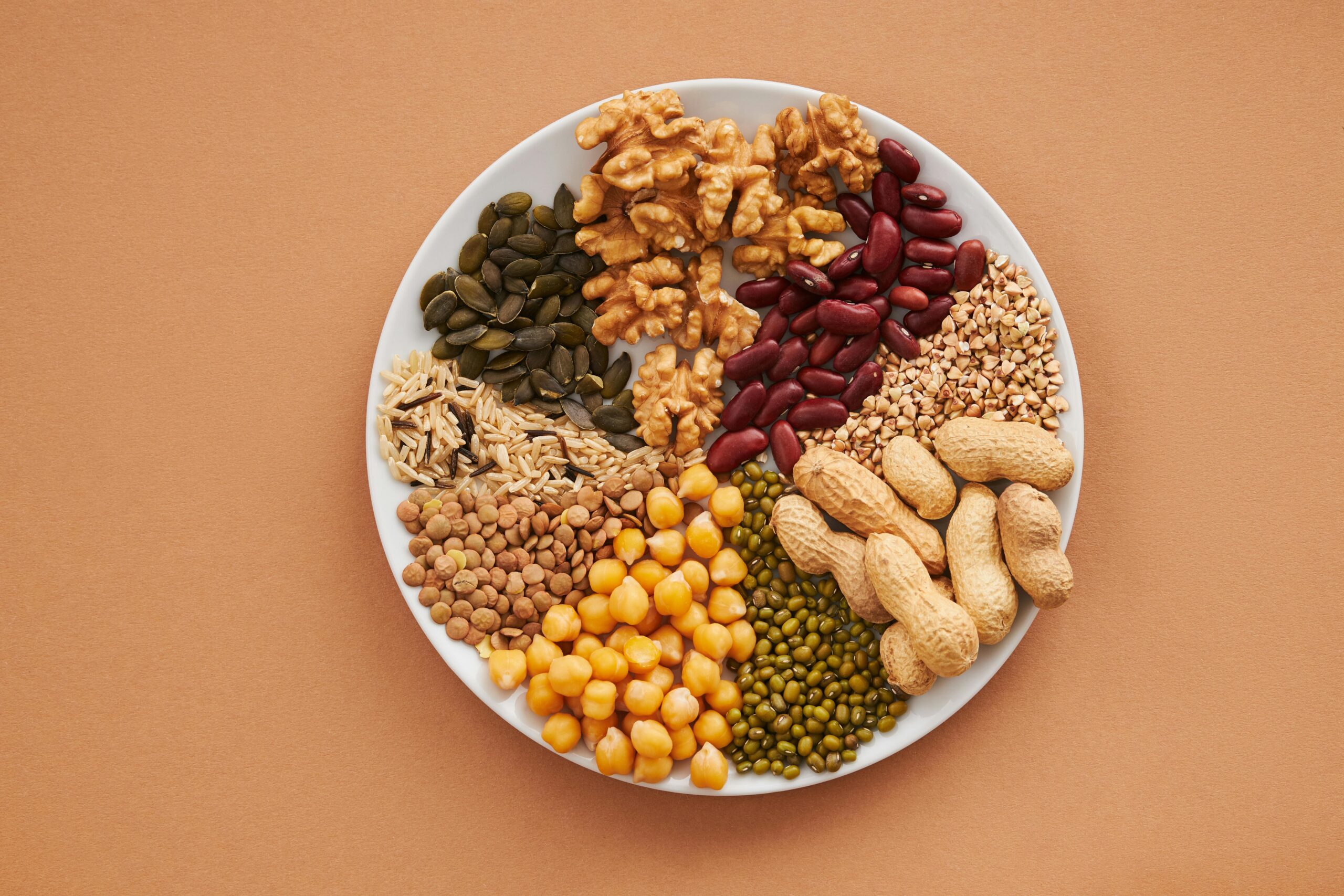
The foundation of optimal nutrition lies in consuming a diverse array of whole, minimally processed foods. Emphasize colorful vegetables and fruits, whole grains, lean proteins, healthy fats, nuts, seeds, and legumes. Each food group contributes unique nutrients, making variety essential.
Aim to “eat the rainbow” by including fruits and vegetables of different colors throughout your week. Each color represents different phytonutrients and vitamins—orange and yellow produce provides carotenoids, dark leafy greens offer folate and vitamin K, while berries deliver vitamin C and antioxidants.
Strategic Supplementation When Necessary
While food should always be your primary nutrient source, strategic supplementation can help fill gaps and address specific deficiencies. Common supplements that benefit many people include vitamin D, omega-3 fatty acids, vitamin B12 (especially for those over 50 or following plant-based diets), and magnesium.
Choose high-quality supplements from reputable manufacturers, and avoid mega-doses unless recommended by healthcare providers. More isn’t always better—excessive amounts of certain nutrients can cause adverse effects or interfere with absorption of other nutrients.
🍽️ Practical Tips for Maximum Nutrient Absorption
Consuming nutrients is only half the equation—your body must effectively absorb them. Several strategies can enhance nutrient bioavailability. Fat-soluble vitamins (A, D, E, K) require dietary fat for absorption, so include healthy fats like olive oil, avocado, or nuts when eating vegetables rich in these nutrients.
Certain food combinations enhance absorption while others inhibit it. Vitamin C increases iron absorption from plant sources, making citrus dressing on spinach salad an excellent combination. Conversely, calcium and iron compete for absorption, so avoid taking supplements together.
Cooking methods also affect nutrient content. While some nutrients like vitamin C decrease with heat exposure, others like lycopene in tomatoes become more bioavailable when cooked. Steaming vegetables preserves more nutrients than boiling, and consuming some raw produce ensures heat-sensitive nutrients remain intact.
📱 Tracking Your Nutritional Intake
Monitoring your diet helps identify patterns and potential gaps in nutrient coverage. While you don’t need to track every meal forever, periodic assessment provides valuable insights. Several nutrition tracking applications can analyze your intake and highlight areas needing improvement.
These tools allow you to log meals, review micronutrient consumption, and identify deficiency patterns. Many also provide personalized recommendations based on your age, gender, activity level, and health goals, making it easier to optimize your nutritional strategy.
🌱 Special Considerations for Different Life Stages
Pregnancy and Lactation
Pregnant and breastfeeding women have significantly increased nutrient needs. Folate prevents neural tube defects, iron supports increased blood volume, calcium builds fetal bones, and DHA supports brain development. Prenatal vitamins help ensure adequate intake during these critical periods.
Children and Adolescents
Growing bodies require sufficient nutrients to support development. Children need adequate calcium and vitamin D for bone growth, iron for cognitive development, and B vitamins for energy metabolism. Establishing healthy eating patterns during childhood sets the foundation for lifelong health.
Older Adults
Aging affects nutrient absorption and requirements. Stomach acid production decreases, reducing vitamin B12 absorption. Vitamin D synthesis becomes less efficient, bone density declines increasing calcium needs, and appetite may diminish. Nutrient-dense foods and targeted supplementation become increasingly important.
🔬 Signs Your Body Needs Attention
Your body communicates nutrient deficiencies through various symptoms. Persistent fatigue may indicate iron, vitamin B12, or vitamin D deficiency. Frequent infections suggest compromised immunity potentially related to vitamin C, vitamin D, or zinc insufficiency. Muscle cramps might signal magnesium or potassium deficiency.
Hair loss, brittle nails, and skin problems can reflect deficiencies in biotin, iron, zinc, or essential fatty acids. Mood changes, brain fog, and poor concentration may stem from B vitamin, vitamin D, or omega-3 insufficiency. While these symptoms have multiple potential causes, persistent issues warrant professional evaluation.
💡 Empowering Your Health Journey
Optimizing your vitamin and mineral intake represents one of the most powerful steps you can take toward enhanced health, sustained energy, and improved vitality. This isn’t about perfection—it’s about progress, consistency, and making informed choices that support your wellbeing.
Start by gradually improving diet quality, emphasizing whole foods, and increasing variety. Consider working with registered dietitians or healthcare providers to assess your status and develop personalized strategies. Remember that small, sustainable changes accumulate into significant health improvements over time.
Your body is remarkably resilient and responsive to proper nourishment. By providing the essential vitamins and minerals it needs, you’re investing in disease prevention, optimal function, and vibrant health that extends throughout your life. The comprehensive checklist provided here serves as your roadmap to nutritional excellence and lasting vitality.
Take control of your health today by evaluating your current nutrient intake, identifying areas for improvement, and implementing strategies that work for your unique lifestyle and needs. Your future self will thank you for the commitment you make to comprehensive nutritional care starting right now.