Achieving optimal health and fitness isn’t just about hitting the gym or running miles—it’s fundamentally about what you put on your plate. Protein stands as the cornerstone of muscle development, recovery, and overall vitality.

Understanding how to balance your protein intake can transform your body composition, energy levels, and long-term wellness. Whether you’re an athlete pushing physical limits, a busy professional seeking sustained energy, or someone simply wanting to look and feel better, mastering protein nutrition is your gateway to unlocking your body’s true potential. The science behind protein consumption has evolved dramatically, revealing nuanced strategies that go far beyond the outdated “eat more chicken” advice.
💪 Why Protein Deserves the Spotlight in Your Nutrition Plan
Protein functions as the fundamental building block of every cell in your body. From your muscles and bones to your skin, hair, and enzymes, protein plays an irreplaceable role in maintaining and repairing tissues. Unlike carbohydrates and fats, your body cannot store protein for later use, making consistent daily intake absolutely essential.
When you consume protein, your digestive system breaks it down into amino acids—the molecular components your body uses to build new proteins. These amino acids support muscle synthesis, hormone production, immune function, and countless metabolic processes that keep you thriving. Without adequate protein, your body may cannibalize its own muscle tissue to meet basic functional needs, leading to weakness, fatigue, and compromised health.
Research consistently demonstrates that higher protein diets support weight management by increasing satiety, boosting metabolism through the thermic effect of food, and preserving lean muscle mass during caloric restriction. This makes protein your most valuable ally whether you’re building muscle, losing fat, or maintaining your current physique.
🎯 Calculating Your Personal Protein Requirements
The question “how much protein do I need?” doesn’t have a one-size-fits-all answer. Your optimal intake depends on multiple factors including your body weight, activity level, fitness goals, age, and overall health status. The outdated Recommended Dietary Allowance (RDA) of 0.8 grams per kilogram of body weight was designed to prevent deficiency, not to optimize performance and body composition.
For most active individuals seeking body recomposition or athletic performance, research supports considerably higher intakes. Here’s a practical breakdown based on different goals and activity levels:
- Sedentary adults: 1.2-1.6 grams per kilogram of body weight (0.54-0.73 grams per pound)
- Active individuals and fitness enthusiasts: 1.6-2.2 grams per kilogram (0.73-1.0 grams per pound)
- Strength athletes and bodybuilders: 2.2-3.0 grams per kilogram (1.0-1.4 grams per pound)
- Endurance athletes: 1.4-2.0 grams per kilogram (0.64-0.91 grams per pound)
- Individuals in caloric deficit for fat loss: 2.0-2.4 grams per kilogram (0.91-1.1 grams per pound)
If you’re carrying excess body fat, calculate your protein needs based on your goal body weight or lean body mass rather than your current total weight. This prevents unnecessarily inflated protein targets while still supporting your muscle preservation and metabolic needs.
⏰ Timing Your Protein Intake for Maximum Results
While total daily protein intake matters most, strategic timing can optimize your results. The concept of protein timing centers around distributing your intake throughout the day to maximize muscle protein synthesis and minimize muscle breakdown.
Your muscles remain responsive to protein for approximately three to five hours after consumption. This creates an opportunity to stimulate muscle protein synthesis multiple times throughout the day by spacing your protein-rich meals and snacks appropriately. Aim for four to five protein-containing meals or snacks daily, each providing 20-40 grams of high-quality protein.
The anabolic window—that post-workout period often described as critical for protein consumption—has been somewhat overstated in popular fitness culture. While consuming protein within a few hours after training supports recovery, it’s not as time-sensitive as once believed. Your overall daily intake and consistency matter significantly more than rushing to drink a shake within 30 minutes of finishing your workout.
That said, pre-sleep protein consumption deserves special attention. Consuming 30-40 grams of slow-digesting protein like casein before bed can support overnight muscle protein synthesis and recovery. This strategy proves particularly valuable for individuals training intensely or seeking to maximize muscle growth.
🥩 Navigating Protein Sources: Quality Matters as Much as Quantity
Not all protein sources deliver equal benefits. The quality of protein relates to its amino acid profile, digestibility, and bioavailability. Complete proteins contain all nine essential amino acids your body cannot produce independently, while incomplete proteins lack one or more of these critical building blocks.
Animal-based proteins generally rank as complete, high-quality sources with excellent digestibility and amino acid profiles. These include lean meats, poultry, fish, eggs, and dairy products. Plant-based proteins often lack one or more essential amino acids, though combining different plant sources throughout the day can provide a complete amino acid profile.
Here’s a breakdown of excellent protein sources across different dietary preferences:
Animal-Based Protein Powerhouses
- Chicken breast: Approximately 31 grams of protein per 100 grams, extremely lean and versatile
- Salmon: About 25 grams per 100 grams, rich in omega-3 fatty acids
- Eggs: 6-7 grams per large egg, with exceptional amino acid profile
- Greek yogurt: 10-15 grams per 100 grams, plus beneficial probiotics
- Cottage cheese: 12-13 grams per 100 grams, excellent source of casein protein
- Lean beef: 26-27 grams per 100 grams, includes valuable micronutrients like iron and B vitamins
Plant-Based Protein Champions
- Lentils: 9 grams per 100 grams cooked, fiber-rich and affordable
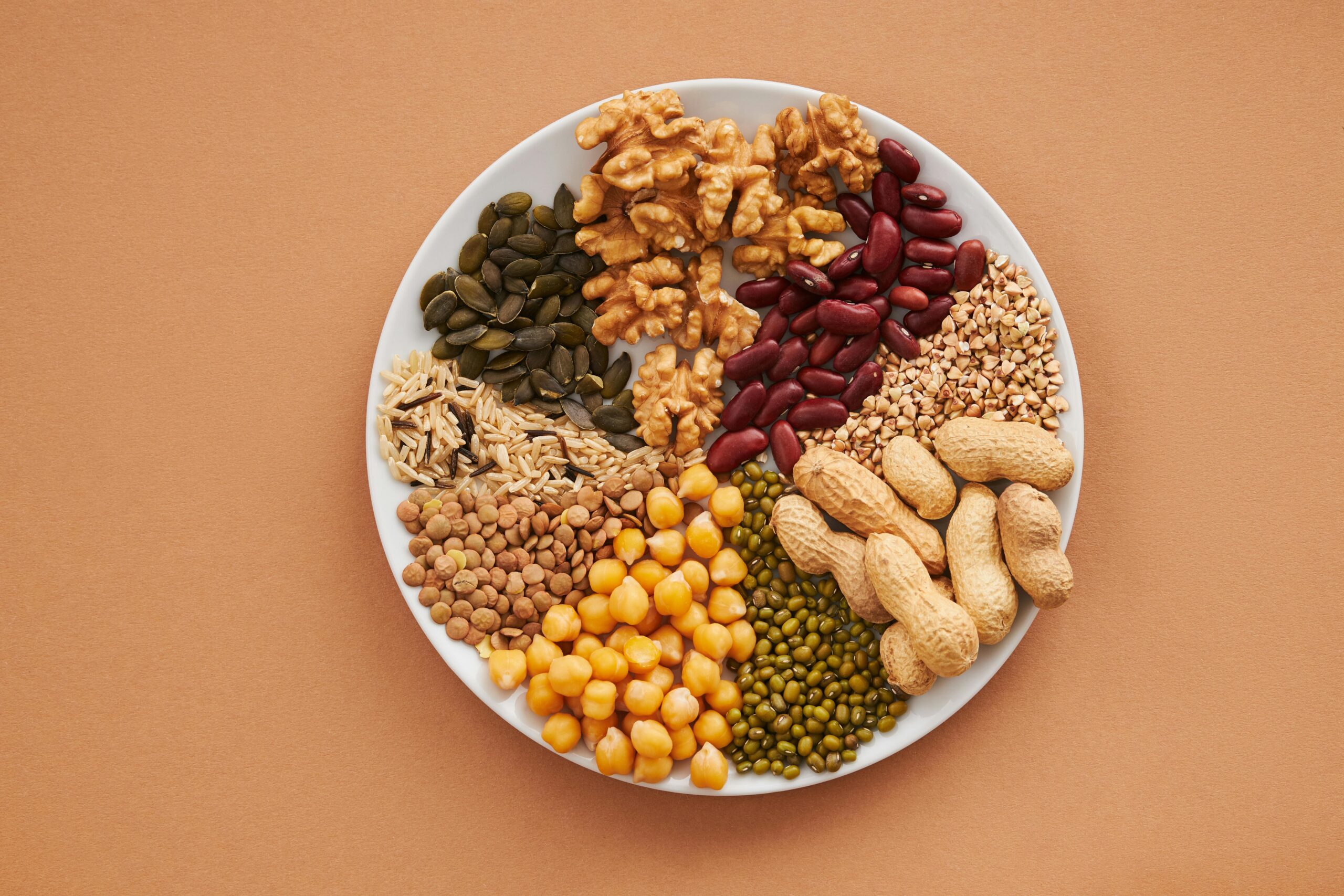
- Chickpeas: 8-9 grams per 100 grams cooked, versatile for numerous dishes
- Quinoa: 4 grams per 100 grams cooked, one of few complete plant proteins
- Tofu: 8-10 grams per 100 grams, highly absorbent of flavors
- Tempeh: 19 grams per 100 grams, fermented for enhanced digestibility
- Edamame: 11 grams per 100 grams, complete protein with satisfying texture
📊 Your Ultimate Protein Balance Checklist
Implementing a successful protein strategy requires consistent habits and practical systems. Use this comprehensive checklist to ensure you’re optimizing your protein intake daily:
- ✅ Calculate your personal protein target based on your weight, activity level, and goals
- ✅ Plan at least four protein-containing meals or snacks throughout your day
- ✅ Include 20-40 grams of protein at each main meal (breakfast, lunch, dinner)
- ✅ Prepare protein-rich snacks for between-meal hunger (Greek yogurt, protein bars, nuts)
- ✅ Prioritize whole food protein sources over supplements when possible
- ✅ Vary your protein sources throughout the week to ensure diverse nutrient intake
- ✅ Track your intake for at least one week to understand your consumption patterns
- ✅ Adjust portion sizes based on your hunger, satiety, and progress toward goals
- ✅ Stay adequately hydrated, as protein metabolism requires sufficient water
- ✅ Consider a protein supplement for convenience when whole foods aren’t practical
- ✅ Consume protein within your pre and post-workout meals to support recovery
- ✅ Include a protein source before bed to support overnight muscle maintenance
🍽️ Practical Meal Planning Strategies for Protein Success
Knowledge means nothing without implementation. Translating protein requirements into actual meals requires planning, preparation, and practical strategies that fit your lifestyle. Start by auditing your current eating patterns to identify where you’re falling short on protein consumption.
Batch cooking protein sources at the beginning of the week removes decision fatigue and ensures you always have options available. Grill several chicken breasts, hard boil a dozen eggs, prepare a large pot of lentils, or bake salmon fillets that can be quickly incorporated into various meals throughout the week.
Building each meal around a protein centerpiece simplifies planning. Start with your protein source, then add complementary vegetables, healthy fats, and complex carbohydrates as needed. This protein-first approach ensures you meet your requirements rather than treating protein as an afterthought.
Breakfast often represents the most protein-deficient meal for many people. Transform your morning nutrition by incorporating eggs, Greek yogurt, cottage cheese, protein smoothies, or even leftover dinner proteins. Starting your day with 25-40 grams of protein stabilizes blood sugar, increases satiety, and sets a positive tone for your entire day’s nutrition.
💊 Understanding Protein Supplements: When They Help and When They’re Hype
The supplement industry has positioned protein powders as essential for anyone with fitness goals, but the truth is more nuanced. Protein supplements serve as convenient, cost-effective tools when whole food options aren’t practical—not as magical muscle-building elixirs superior to real food.
Whey protein, derived from milk, digests quickly and contains an excellent amino acid profile with high leucine content, making it ideal for post-workout consumption. Casein protein, also from milk, digests slowly and provides a sustained release of amino acids, perfect for before bed. Plant-based protein powders from pea, rice, hemp, or mixed sources offer alternatives for those avoiding animal products.
Quality matters tremendously in the supplement industry. Look for products that have undergone third-party testing for purity and accuracy of label claims. Many protein powders contain significantly less protein than advertised or include contaminants and fillers that compromise quality.
Use protein supplements strategically rather than relying on them exclusively. They work beautifully for post-workout convenience, travel situations, busy mornings, or filling gaps in your daily intake. However, whole foods provide additional nutrients, fiber, and satiety that isolated protein powders cannot match.
🚨 Common Protein Intake Mistakes That Sabotage Your Progress
Even well-intentioned individuals make critical errors with their protein nutrition. Avoiding these common pitfalls accelerates your progress toward a healthier, stronger body.
The first mistake involves consuming inadequate protein at breakfast or skipping it entirely. This sets up a protein deficit that’s difficult to overcome later in the day and leaves you fighting hunger and cravings. Frontload your protein intake rather than trying to consume massive amounts at dinner.
Another frequent error involves poor distribution throughout the day. Eating small amounts of protein at breakfast and lunch, then consuming 80+ grams at dinner doesn’t optimize muscle protein synthesis. Your body can only utilize approximately 20-40 grams efficiently at one time for muscle building purposes, with excess being used for energy or other metabolic processes.
Many people also neglect protein quality, focusing exclusively on hitting a number without considering amino acid profiles. Relying solely on incomplete plant proteins without proper combining or supplementation can leave you deficient in essential amino acids despite meeting your quantitative target.
Overcomplicating the process represents another self-sabotaging behavior. You don’t need perfectly timed amino acid supplementation, specialized protein powders for different times of day, or complex cycling protocols. Consistency with the basics delivers 95% of results—save your mental energy for maintaining those fundamental habits.
🔬 The Science Behind Protein and Body Composition
Understanding the mechanisms by which protein supports body transformation enhances your appreciation for prioritizing this macronutrient. Protein’s high thermic effect means your body burns approximately 20-30% of protein’s calories just digesting and processing it, compared to 5-10% for carbohydrates and 0-3% for fats.
This metabolic boost compounds over time when consuming a high-protein diet. Additionally, protein triggers the release of satiety hormones while suppressing hunger hormones, naturally reducing your caloric intake without conscious restriction or willpower depletion.
During weight loss, adequate protein intake becomes even more critical. Research demonstrates that individuals consuming higher protein diets while in a caloric deficit preserve significantly more lean muscle mass compared to those with inadequate intake. Since muscle tissue burns more calories at rest than fat tissue, preserving it supports long-term metabolic health and makes maintaining your results far easier.
The leucine content of your protein sources particularly influences muscle protein synthesis. Leucine acts as a trigger for the mTOR pathway, essentially signaling your body to build and repair muscle tissue. This explains why protein quality matters—sources rich in leucine like whey protein, meat, and eggs stimulate muscle building more effectively than lower-leucine plant proteins.
🌟 Transforming Knowledge Into Lasting Results
Information without action remains theoretical. The difference between those who transform their bodies and those who perpetually struggle often comes down to consistent implementation of foundational principles rather than possession of secret knowledge.
Start where you are, not where you think you should be. If you’re currently consuming 50 grams of protein daily and your target is 140 grams, don’t attempt the full jump immediately. Gradually increase your intake by 20-30 grams weekly, allowing your appetite, digestive system, and habits to adjust comfortably.
Track your intake using a nutrition app for at least two weeks to build awareness of protein content in different foods and your eating patterns. This short-term tracking creates lasting intuition about portion sizes and food choices without requiring permanent calorie counting.
Measure your progress through multiple metrics beyond the scale. Take progress photos, track strength gains, monitor energy levels, assess hunger and satiety, and pay attention to how your clothes fit. Adequate protein intake influences all these factors, often before the scale reflects changes.
Remember that perfection isn’t required—consistency is. Having a day where you fall short on protein doesn’t negate your progress. What matters is your pattern over weeks and months, not individual days. Extend yourself grace while maintaining commitment to your overall goals.
🎉 Embracing Your Stronger, Healthier Future
Optimizing your protein intake represents one of the highest-leverage nutrition changes you can make. Unlike restrictive diets that eliminate entire food groups or require complex meal timing protocols, simply ensuring adequate protein consumption delivers remarkable results with minimal downside.
Your body composition will improve, your recovery will accelerate, your strength will increase, and your overall health will benefit from this single focus. The strategies outlined here provide you with everything needed to design and implement a personalized protein plan aligned with your unique goals and lifestyle.
The ultimate protein intake balance isn’t found in perfection or complexity—it’s discovered through consistent application of fundamental principles, adjusted based on your individual response and circumstances. Your journey toward a healthier, stronger version of yourself begins with the next meal you eat. Make protein the priority, stay consistent with your approach, and trust the process to deliver the transformation you’re seeking. Your future self will thank you for the investment you’re making today in proper nutrition and body care.