Creating balanced, nutritious meals doesn’t have to feel overwhelming or complicated. With the right visual framework and practical approach, anyone can transform their eating habits into a sustainable, healthy lifestyle.

The concept of a balanced plate has revolutionized how we think about nutrition, moving away from restrictive diets toward intuitive, portion-conscious eating. This comprehensive guide will walk you through everything you need to know about building perfectly balanced meals that nourish your body, satisfy your taste buds, and support your long-term wellness goals without complicated calorie counting or endless meal prep.
🍽️ Understanding the Balanced Plate Foundation
The balanced plate method represents one of the most practical approaches to healthy eating available today. Unlike traditional food pyramids or complex macronutrient calculations, this visual system provides an instantly understandable framework for meal construction that anyone can implement immediately.
At its core, the balanced plate divides your dish into specific proportions designed to optimize nutrition while controlling portions naturally. This approach has been endorsed by nutritionists, dietitians, and health organizations worldwide because it works with our visual perception rather than requiring mathematical calculations or food scales.
The standard balanced plate consists of three primary sections: half the plate dedicated to vegetables and fruits, one quarter for lean proteins, and one quarter for whole grains or starchy carbohydrates. This simple division ensures you’re getting adequate fiber, essential nutrients, satisfying protein, and sustained energy from complex carbohydrates in every meal.
The Science Behind Plate Proportions
Research consistently demonstrates that visual cues significantly influence how much we eat and how satisfied we feel after meals. Studies published in nutrition journals have shown that people who use the balanced plate method consume more vegetables, moderate their portions naturally, and report higher satisfaction levels compared to those following traditional diet plans.
The half-plate vegetable recommendation isn’t arbitrary. Vegetables provide essential vitamins, minerals, antioxidants, and fiber while remaining relatively low in calories. This combination creates volume on your plate that helps you feel full without excessive caloric intake, supporting both nutrition and weight management simultaneously.
Protein’s quarter-plate allocation reflects our body’s needs for muscle maintenance, hormone production, and metabolic function. Most adults require approximately 0.8 grams of protein per kilogram of body weight daily, and a palm-sized portion at each meal typically meets this requirement without excess.
🥗 The Vegetable Half: Your Nutritional Powerhouse
Filling half your plate with vegetables represents the cornerstone of balanced eating. This generous portion ensures you’re consuming adequate fiber, which most people severely lack in their diets, while loading up on phytonutrients that protect against chronic diseases.
The key to maintaining this habit long-term involves variety and preparation methods that keep meals interesting. Rotate between different colored vegetables throughout the week—dark leafy greens, vibrant reds and oranges, deep purples, and crisp whites—because different colors indicate different nutrient profiles.
Building Your Vegetable Repertoire
Don’t limit yourself to salads alone. Roasted vegetables develop rich, caramelized flavors that even vegetable skeptics enjoy. Steaming preserves maximum nutrients while maintaining texture. Stir-frying with minimal oil creates satisfying dishes with excellent flavor development.
- Leafy greens: spinach, kale, arugula, lettuce varieties, Swiss chard
- Cruciferous vegetables: broccoli, cauliflower, Brussels sprouts, cabbage
- Colorful options: bell peppers, tomatoes, carrots, beets, eggplant
- Versatile choices: zucchini, mushrooms, green beans, asparagus
- Aromatic additions: onions, garlic, leeks, celery
Frozen vegetables deserve recognition as legitimate, nutritious options. They’re often flash-frozen at peak ripeness, preserving nutrients effectively while offering convenience and reducing food waste. Keep a variety in your freezer for quick meal assembly when fresh options aren’t available.
💪 The Protein Quarter: Building Blocks for Your Body
Your protein portion should occupy approximately one quarter of your plate, roughly the size of your palm or a deck of cards. This visual guide works remarkably well across different body sizes because hand proportions generally correlate with individual nutritional needs.
Protein sources extend far beyond traditional meat options. Plant-based proteins have gained recognition for their environmental benefits and health advantages, including lower saturated fat content and additional fiber. Mixing animal and plant proteins throughout your week provides nutritional diversity and culinary variety.
Diverse Protein Options for Every Preference
Quality matters more than quantity when selecting protein sources. Choose lean preparations and minimally processed options whenever possible. Grilling, baking, poaching, and slow-cooking preserve nutritional value while developing satisfying flavors without excessive added fats.
- Lean meats: chicken breast, turkey, lean beef cuts, pork tenderloin
- Seafood: salmon, tuna, cod, shrimp, sardines (omega-3 rich options)
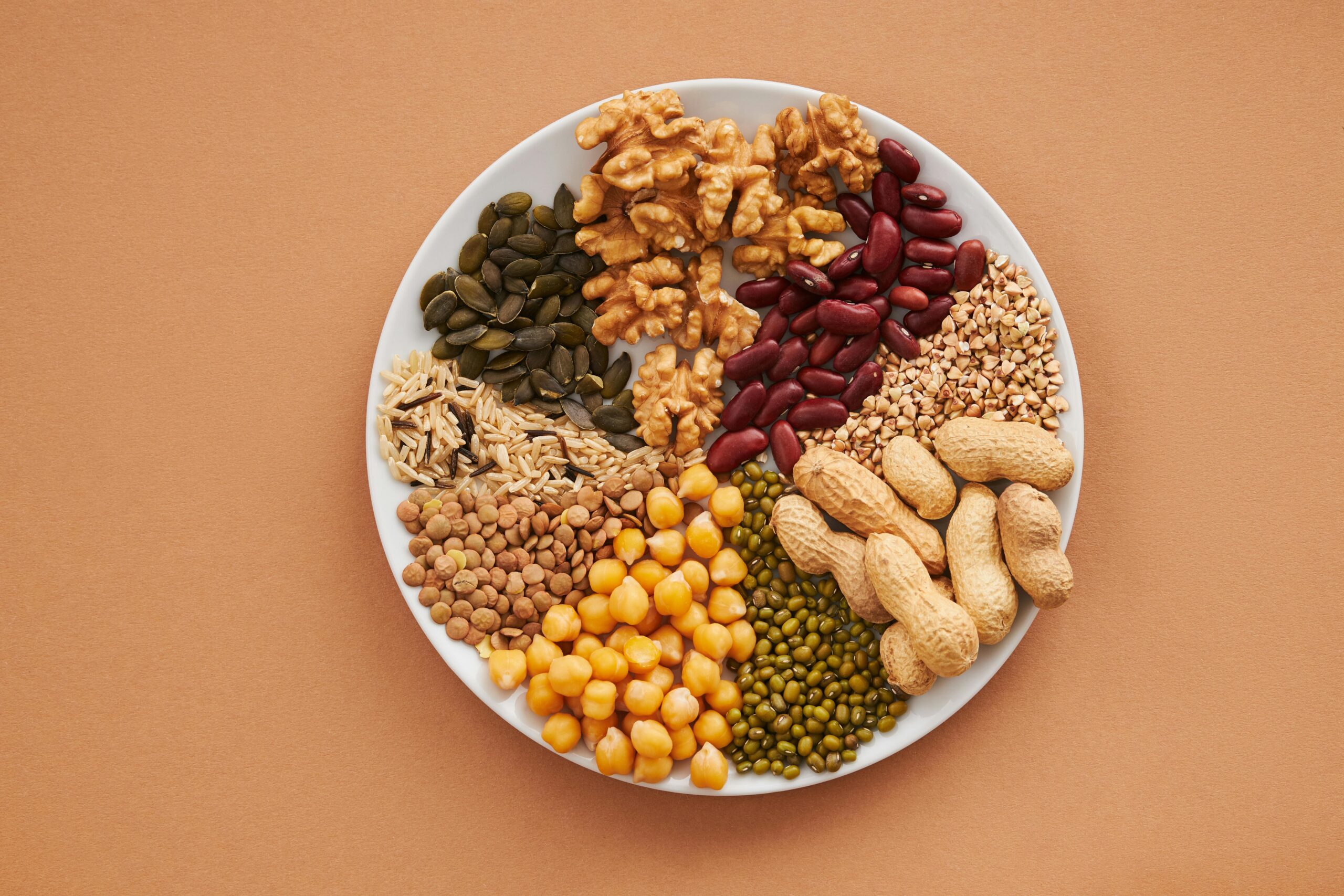
- Plant proteins: lentils, chickpeas, black beans, tofu, tempeh, edamame
- Dairy options: Greek yogurt, cottage cheese, cheese in moderation
- Eggs: versatile, affordable, and nutritionally complete
Protein distribution throughout the day matters for optimal muscle synthesis and satiety. Rather than consuming most protein at dinner, distribute it across all meals to maintain steady amino acid availability for your body’s continuous repair and maintenance processes.
🌾 The Carbohydrate Quarter: Sustained Energy Sources
The final quarter of your balanced plate features carbohydrates, preferably from whole grain or starchy vegetable sources. This section provides the glucose your brain and muscles need for optimal function while delivering important B vitamins, minerals, and additional fiber.
Whole grains contain the entire grain kernel—bran, germ, and endosperm—providing significantly more nutrients than refined alternatives. The fiber content slows digestion, preventing blood sugar spikes and crashes that lead to energy fluctuations and increased hunger.
Choosing Quality Carbohydrate Sources
Reading labels helps identify truly whole grain products. Look for “whole” as the first ingredient and minimal added sugars. Grain alternatives like quinoa and buckwheat offer complete proteins alongside their carbohydrate content, making them exceptionally nutritious choices.
- Whole grains: brown rice, quinoa, farro, bulgur, barley
- Whole grain products: whole wheat pasta, whole grain bread, oats
- Starchy vegetables: sweet potatoes, regular potatoes, winter squash, corn
- Ancient grains: amaranth, millet, teff, spelt
Portion awareness remains important because carbohydrates are calorie-dense. The quarter-plate visual naturally controls portions without requiring measurements, making adherence simple during busy daily life when precision feels burdensome.
🥑 Healthy Fats: The Essential Addition
While not occupying a specific plate section, healthy fats deserve inclusion in your balanced meals. These essential nutrients support hormone production, nutrient absorption, brain health, and satiety. A thumb-sized portion or about one tablespoon typically provides adequate fat per meal.
Emphasize unsaturated fats from plant sources and fatty fish while limiting saturated fats from animal products and avoiding trans fats entirely. Your body needs some fat to absorb fat-soluble vitamins A, D, E, and K from those vegetables filling half your plate.
- Avocado: creamy texture with monounsaturated fats and fiber
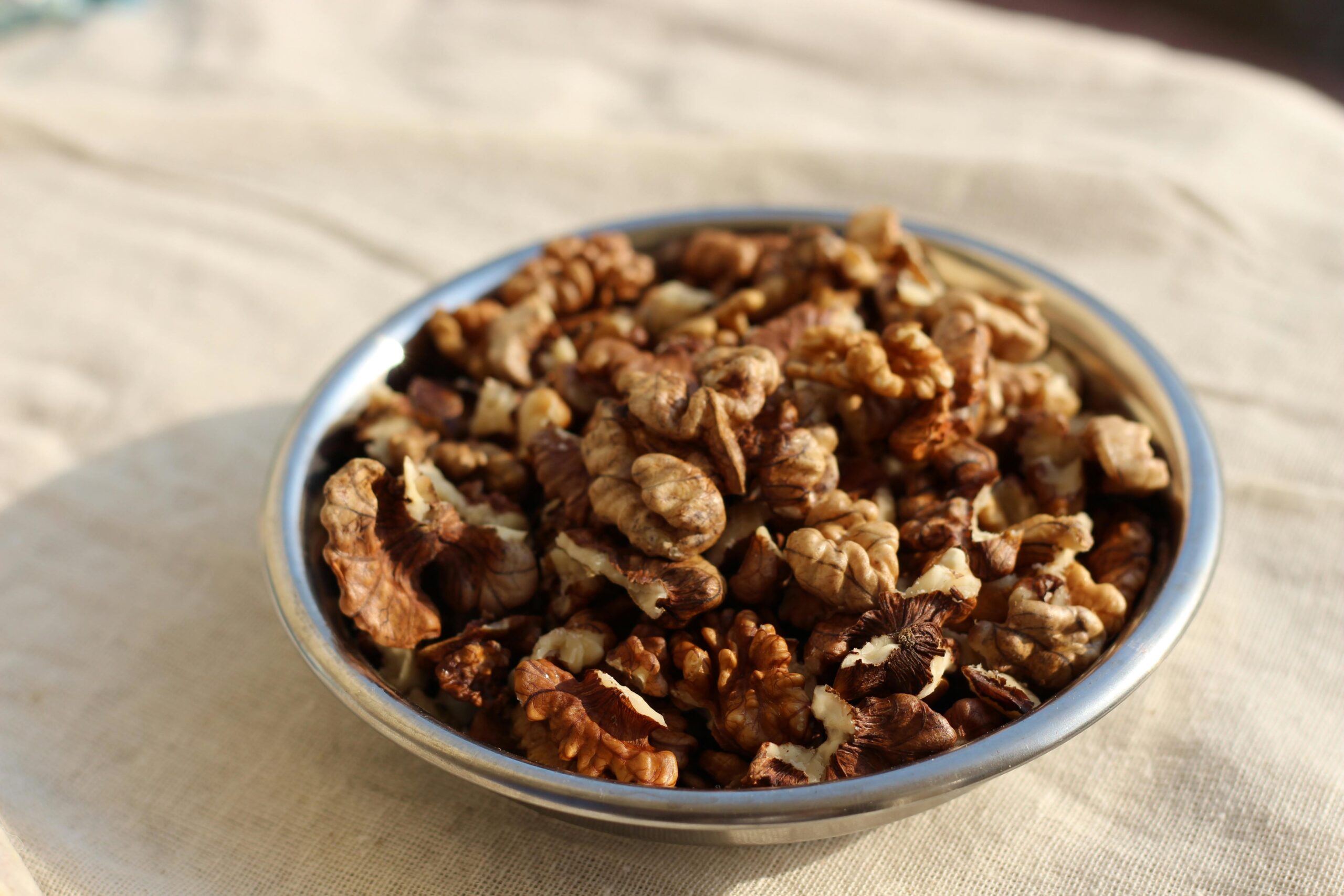
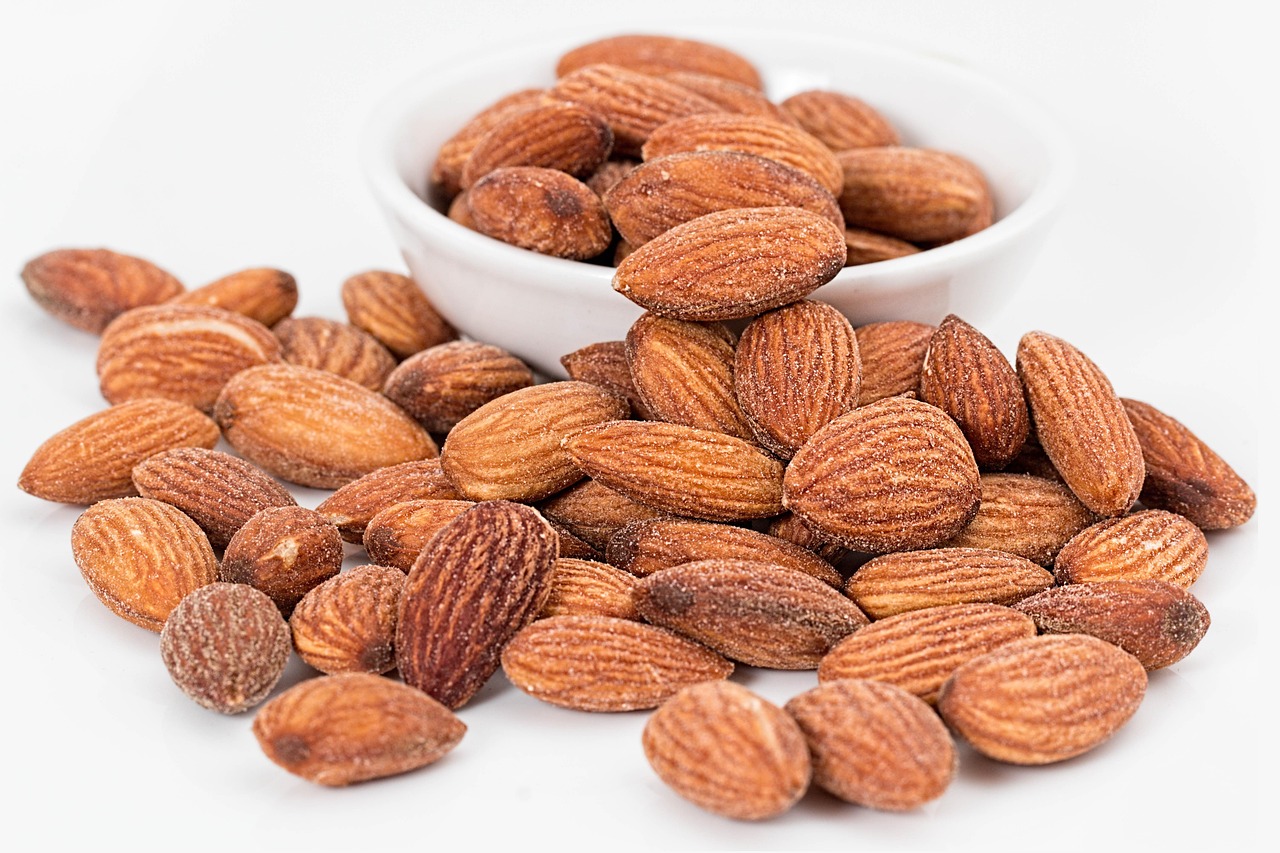
- Nuts and seeds: almonds, walnuts, chia seeds, flaxseeds, pumpkin seeds
- Olive oil: excellent for cooking and dressings
- Fatty fish: salmon, mackerel, sardines provide omega-3 fatty acids
- Nut butters: almond, peanut, cashew in controlled portions
📋 Your Visual Checklist for Every Meal
Implementing the balanced plate becomes second nature with consistent practice. This checklist ensures you’re hitting all nutritional targets without overthinking the process. Print this framework or keep it mentally accessible during meal planning and preparation.
| Plate Section | Portion Size | Food Categories | Visual Cue |
|---|---|---|---|
| Vegetables | 1/2 plate | Non-starchy vegetables, leafy greens | Two fists combined |
| Protein | 1/4 plate | Lean meats, fish, legumes, eggs | Palm of your hand |
| Carbohydrates | 1/4 plate | Whole grains, starchy vegetables | Cupped hand |
| Healthy Fats | Small addition | Oils, nuts, seeds, avocado | Thumb size |
Before each meal, mentally check these boxes. Do you have colorful vegetables covering half your plate? Is your protein portion appropriate? Have you chosen a whole grain or starchy vegetable? Did you include a source of healthy fat? This quick assessment takes seconds but dramatically improves nutritional quality.
🍳 Practical Application Across Different Meals
The balanced plate framework adapts beautifully to breakfast, lunch, and dinner with slight modifications. Understanding how to apply these principles throughout the day ensures consistent nutrition without monotony or meal fatigue.
Breakfast Balanced Plates
Morning meals might look slightly different but follow the same principles. A vegetable omelet with whole grain toast exemplifies the balanced breakfast—eggs provide protein, vegetables fill half the plate equivalent in the omelet, toast supplies whole grains, and cooking oil or avocado adds healthy fats.
Greek yogurt bowls work equally well. The yogurt provides protein, berries and sliced fruit offer antioxidants and fiber (fruit counts toward your produce half), granola or oats supply whole grains, and nuts or seeds contribute healthy fats. This breakfast hits every nutritional target while feeling indulgent.
Lunch and Dinner Applications
Traditional meals adapt easily to the balanced plate model. A stir-fry naturally incorporates abundant vegetables, lean protein, served over brown rice with sesame oil dressing. Grilled chicken salads work when you ensure adequate protein, include whole grain croutons or a side of quinoa, and dress with olive oil-based vinaigrette.
Even pizza becomes more balanced by loading vegetables generously, choosing whole wheat crust when available, moderating cheese, and adding a large side salad. The framework isn’t about perfection but about consistently better choices that accumulate into significant health improvements over time.
🛒 Meal Planning and Grocery Shopping Strategies
Success with balanced eating begins at the grocery store. Strategic shopping ensures you have the right ingredients available when hunger strikes, preventing reliance on less nutritious convenience options. Organization and planning reduce both stress and food waste.
Shop the perimeter first where fresh produce, proteins, and dairy typically reside. Center aisles contain more processed options, though whole grains, canned beans, and other pantry staples live there too. Fill your cart primarily with ingredients rather than pre-made meals to maximize nutritional control.
Building Your Balanced Plate Pantry
A well-stocked pantry enables quick balanced meal assembly even during busy weeks. Certain staples deserve permanent residence in your kitchen, ready to combine into nutritious meals with minimal planning.
- Freezer: mixed vegetables, berries, lean proteins, whole grain bread
- Pantry: brown rice, quinoa, whole wheat pasta, canned beans, olive oil
- Refrigerator: fresh vegetables, lean proteins, eggs, Greek yogurt, hummus
- Spice cabinet: herbs and spices that add flavor without sodium or calories
Prep vegetables on shopping day by washing, chopping, and storing them in clear containers at eye level in your refrigerator. This simple step dramatically increases vegetable consumption because convenience directly influences food choices, especially when tired or rushed.
⚖️ Portion Control Without Measuring
The balanced plate’s brilliance lies in its visual nature—no scales, measuring cups, or calorie tracking apps required. Your hands provide surprisingly accurate measurement tools that travel everywhere with you, from home kitchens to restaurant buffets.
This intuitive approach respects hunger and fullness cues while providing structure that prevents both under and overeating. You learn to recognize appropriate portions visually, developing a sustainable skill rather than dependency on external tracking systems.
Plate size matters significantly. Research demonstrates that larger plates lead to larger portions consumed, even when people intend to eat moderately. Use 9-inch plates for meals rather than 12-inch dinner plates to naturally reduce portions without feeling deprived.
🌍 Adapting the Framework to Cultural Cuisines
The balanced plate transcends cultural boundaries, adapting beautifully to any cuisine while respecting traditional flavors and preparations. This universality makes it practical for diverse households and inclusive of various culinary traditions.
Mediterranean meals naturally align with balanced plate principles—abundant vegetables, lean proteins like fish and legumes, whole grains, and healthy olive oil. Asian cuisines emphasize vegetable-forward dishes with moderate protein over rice or noodles. Latin American plates combine beans (protein and carbs), vegetables, and healthy fats from avocado.
Rather than abandoning cultural food preferences, apply the balanced plate proportions to traditional dishes. Increase vegetable content, moderate starchy components, ensure adequate protein, and prepare foods using healthy cooking methods. Heritage and health coexist beautifully with this flexible framework.
💡 Overcoming Common Challenges
Even with the best framework, real-life obstacles emerge. Anticipating challenges and developing strategies prevents temporary setbacks from becoming permanent detours. Problem-solving skills matter as much as nutritional knowledge for long-term success.
Time Constraints and Busy Schedules
Batch cooking solves many time-related challenges. Dedicate a few hours weekly to preparing grains, roasting vegetables, and cooking proteins that reheat well. These components assemble into varied balanced plates throughout the week with minimal daily effort.
One-pot meals like soups, stews, and casseroles can incorporate balanced plate principles during preparation. Load these dishes with vegetables, include adequate protein, add whole grains or legumes, and you’ve created multiple balanced meals requiring just reheating.
Dining Out and Social Situations
Restaurant meals challenge even committed healthy eaters, but the balanced plate framework provides guidance. Request extra vegetables instead of fries, ask for dressings and sauces on the side, choose grilled or baked preparations over fried, and don’t hesitate to take half your meal home when portions exceed reasonable sizes.
Social gatherings become easier when you’re not following restrictive diet rules. Fill your plate using balanced proportions, enjoy reasonable portions of special occasion foods, and return to your regular pattern at the next meal without guilt or compensation behaviors.
🎯 Tracking Progress Without Obsession
While the balanced plate eliminates constant tracking needs, periodic assessment helps you stay aligned with your goals and notice patterns that support or hinder progress. The key involves gathering useful information without developing obsessive behaviors around food and eating.
Take progress photos of your plates occasionally. This visual documentation reveals whether you’re truly hitting the half-plate vegetable target or if portions have gradually expanded over time. Photos provide objective feedback that memory often distorts.
Notice how you feel rather than fixating on scale numbers. Increased energy, better sleep, improved digestion, more stable moods, and enhanced physical performance indicate that your balanced eating approach is working, regardless of what the scale displays.
🌟 Making It Last: Sustainable Habits for Life
The ultimate goal isn’t perfect meals for a few weeks but consistent, balanced eating that becomes your natural default over decades. Sustainability requires flexibility, self-compassion, and a long-term perspective that values progress over perfection.
The 80/20 principle applies beautifully to balanced eating. When 80% of your meals follow the balanced plate framework, the remaining 20% can include more indulgent choices without derailing your health. This approach prevents the restriction-rebellion cycle that undermines many diet attempts.
Celebrate non-scale victories that reflect your commitment to balanced eating. Trying new vegetables, preparing more home-cooked meals, feeling satisfied rather than stuffed after eating, and noticing improved energy levels all deserve recognition as meaningful achievements.
Teaching children the balanced plate model from early ages establishes lifelong healthy relationships with food. Make it visual and fun—let them arrange their own plates, choose vegetables at the store, and participate in meal preparation. These skills serve them throughout their entire lives.
Remember that balanced eating represents an ongoing practice, not a destination you reach and maintain effortlessly. Some days flow easily while others present challenges. Each meal offers a fresh opportunity to nourish yourself well, regardless of previous choices. This forgiving, forward-focused mindset supports lasting behavior change better than all-or-nothing thinking.
The balanced plate visual checklist transforms healthy eating from a complicated puzzle into a simple, sustainable system that anyone can master. By focusing on proportions rather than prohibitions, variety rather than restriction, and visual cues rather than calculations, this approach removes common barriers to nutritious eating. Start with one balanced meal today, then another tomorrow, and gradually these choices become your effortless new normal—supporting your health, energy, and wellbeing for years to come.