Taking control of your health starts with understanding what you put into your body. Our free printable nutrient balance worksheet makes tracking your daily nutrition simple, effective, and completely accessible to everyone looking to improve their wellbeing.

Whether you’re trying to lose weight, build muscle, manage a health condition, or simply eat more mindfully, having a clear picture of your nutrient intake is essential. Many people struggle with their health goals not because they lack motivation, but because they don’t have the right tools to track their progress. That’s where a well-designed nutrient balance worksheet becomes your secret weapon for success.
🎯 Why Nutrient Balance Matters More Than You Think
Understanding nutrient balance goes far beyond counting calories. Your body requires a precise combination of macronutrients—proteins, carbohydrates, and fats—along with essential vitamins and minerals to function optimally. When these nutrients are out of balance, you may experience fatigue, weight gain, weakened immunity, and a host of other health issues.
Research consistently shows that people who track their food intake are significantly more successful at achieving their health goals. A study published in the American Journal of Preventive Medicine found that individuals who kept daily food records lost twice as much weight as those who didn’t track their eating habits. But tracking doesn’t have to be complicated or time-consuming.
Our printable nutrient balance worksheet simplifies this process by providing a clear, organized format that helps you see patterns in your eating habits. Unlike complicated apps or restrictive diet plans, this worksheet gives you the freedom to understand your nutrition while maintaining flexibility in your food choices.
📊 What Makes Our Worksheet Different
There are countless nutrition tracking tools available, but most fall into two categories: overly simplified calorie counters or overwhelmingly complex nutritional databases. Our worksheet strikes the perfect balance between thoroughness and usability.
Comprehensive Yet Simple Design
The worksheet includes sections for all major nutrients without creating information overload. You’ll find spaces to track your daily intake of proteins, carbohydrates, fats, fiber, and water consumption. Additional sections allow you to note vitamins, minerals, and how you felt throughout the day—a crucial element often overlooked in standard tracking methods.
The layout is intentionally spacious and uncluttered, making it easy to fill out even when you’re busy. Each category is clearly labeled with recommended daily amounts, giving you instant context for whether you’re meeting your nutritional needs.
Customizable for Your Unique Goals
Everyone’s nutritional needs are different based on age, gender, activity level, and health objectives. Our worksheet isn’t a one-size-fits-all solution but rather a flexible framework you can adapt to your specific requirements. Whether you’re following a high-protein diet, managing diabetes, or simply trying to eat more vegetables, the worksheet accommodates your personal approach.
✨ How to Use Your Nutrient Balance Worksheet Effectively
Getting started with your nutrient balance worksheet is straightforward, but using it effectively requires a few strategic approaches that will maximize your success.
Start With One Week of Baseline Tracking
Before making any changes to your diet, spend one week tracking exactly what you currently eat. This baseline period is incredibly revealing. Most people are surprised to discover where their nutrition is unbalanced—perhaps consuming far less protein than they thought, or eating more processed carbohydrates than they realized.
During this first week, be completely honest in your tracking. Don’t change your eating habits or try to “eat better” because you’re writing things down. The goal is to understand your current patterns, not to judge yourself. This honest baseline gives you clear starting point for improvement.
Set One Specific Goal at a Time
After your baseline week, review your worksheet and identify one nutritional area to improve. Perhaps you notice you’re consistently low on vegetables, not drinking enough water, or eating very little protein at breakfast. Choose just one goal to focus on for the next two weeks.
This single-goal approach might seem too simple, but it’s actually the secret to sustainable change. When you try to overhaul your entire diet at once, you’re setting yourself up for overwhelm and eventual abandonment of your goals. Small, consistent improvements compound into major transformations over time.
Track at Convenient Times
You don’t need to fill out your worksheet immediately after every meal. Find a rhythm that works for your lifestyle. Some people prefer updating their worksheet three times daily after each main meal. Others find it easier to reflect on their entire day’s eating in the evening while preparing for the next day.
The key is consistency, not perfection. If you miss a day, simply resume tracking the next day without guilt or self-criticism. This worksheet is a tool to support you, not another source of stress in your life.
🥗 Understanding the Key Nutrients to Track
To get the most from your nutrient balance worksheet, it helps to understand what you’re actually tracking and why each nutrient matters for your health.
Macronutrients: The Foundation of Your Diet
Proteins are essential for building and repairing tissues, creating enzymes and hormones, and maintaining muscle mass. Most adults need between 0.8 to 1.2 grams of protein per kilogram of body weight, with higher amounts for active individuals or those trying to build muscle.
Carbohydrates serve as your body’s primary energy source, particularly for your brain and nervous system. Focus on complex carbohydrates from whole grains, fruits, and vegetables rather than refined sugars and processed foods. The quality of your carbohydrates matters as much as the quantity.
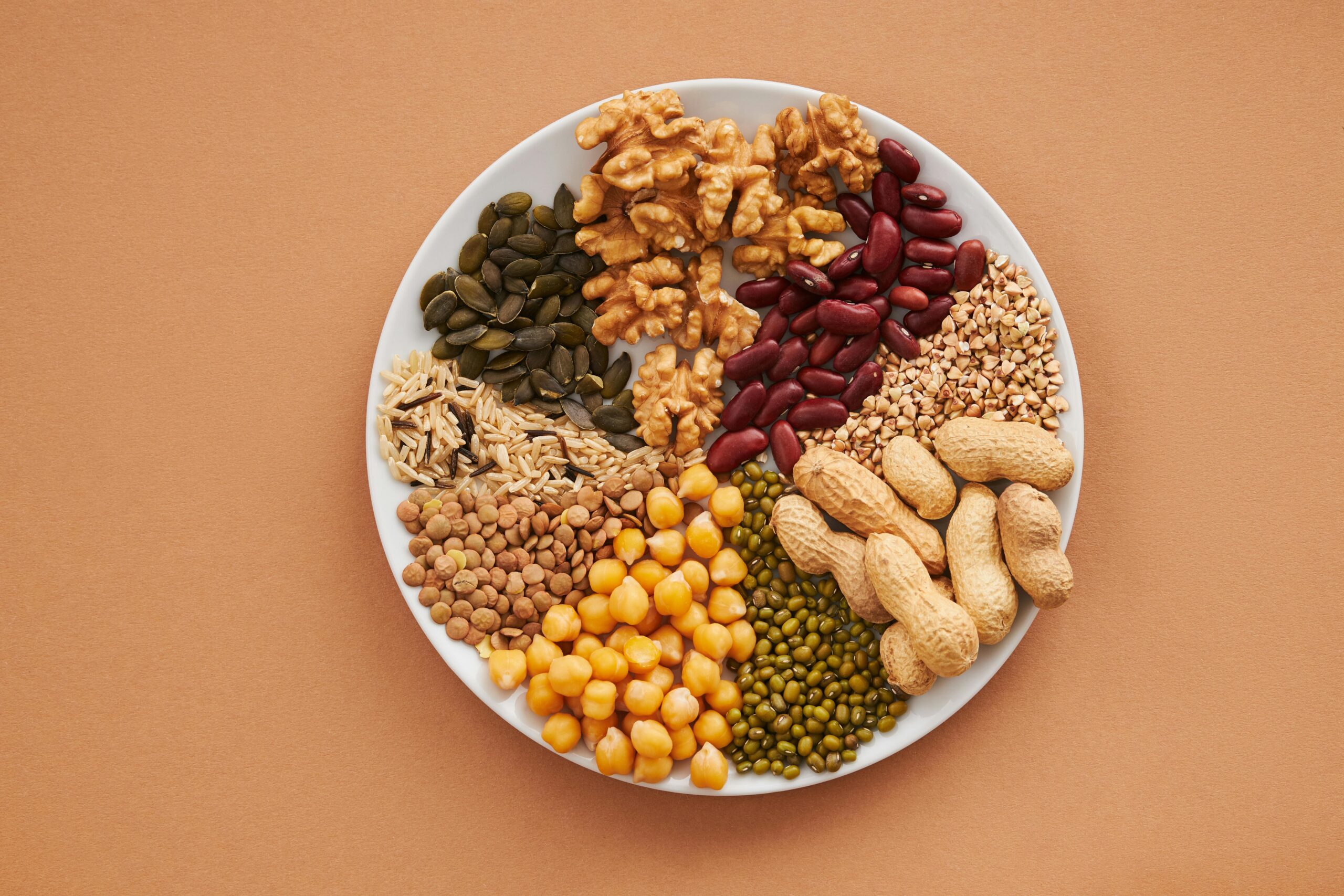
Fats are crucial for hormone production, nutrient absorption, and brain health. Don’t fear healthy fats from sources like avocados, nuts, seeds, and olive oil. Your worksheet helps you distinguish between beneficial fats and those that should be limited.
Micronutrients: Small But Mighty
While micronutrients are needed in smaller quantities, their impact on health is enormous. Vitamins and minerals support everything from immune function to bone health, energy production to mood regulation.
Rather than tracking every single micronutrient (which would be overwhelming), our worksheet focuses on key indicators. By ensuring you eat a variety of colorful vegetables, fruits, whole grains, and protein sources, you’ll naturally cover most micronutrient needs. The worksheet includes a simple daily serving tracker for different food groups, making micronutrient coverage intuitive rather than complicated.
💪 Real Results: How This Worksheet Transforms Health
The true value of any health tool lies in the results it produces. Our nutrient balance worksheet has helped countless individuals achieve their health goals through increased awareness and accountability.
Weight Management Made Sustainable
Many people approach weight loss through severe restriction, eliminating entire food groups or drastically cutting calories. These approaches rarely work long-term. The nutrient balance worksheet takes a different approach by emphasizing balance rather than deprivation.
When you see your daily nutrition laid out clearly, you begin making natural adjustments. You might notice that adding more protein to breakfast keeps you satisfied longer, reducing mid-morning snacking. Or you might discover that your afternoon energy crashes correlate with lunchtime meals lacking vegetables and fiber.
These insights lead to sustainable changes that feel like upgrades to your lifestyle rather than sacrifices. Weight management becomes a natural byproduct of balanced nutrition rather than a constant struggle against hunger and cravings.
Energy and Performance Enhancement
Athletes and active individuals often discover through worksheet tracking that their performance issues stem from nutritional imbalances. Perhaps they’re not consuming enough carbohydrates to fuel intense workouts, or their protein timing doesn’t support optimal recovery.
The daily feeling tracker on the worksheet is particularly valuable here. By noting your energy levels, workout performance, and recovery alongside your nutritional intake, you can identify patterns and optimize your eating to support your activity level.
Managing Health Conditions
For individuals managing conditions like diabetes, heart disease, or digestive disorders, understanding nutrient intake is essential. The worksheet provides a clear record you can share with healthcare providers, giving them detailed information to support your treatment plan.
Many people find that tracking reveals surprising connections between their eating patterns and symptom flare-ups. This awareness empowers you to make informed adjustments that improve your quality of life.
🖨️ Getting Your Free Printable Worksheet
Our nutrient balance worksheet is designed for immediate use. Simply download the PDF, print as many copies as you need, and start tracking today. We recommend printing a week’s worth at a time and keeping them in a dedicated folder or binder.
For best results, print on quality paper that can withstand daily handling. Some users prefer printing on cardstock or laminating a copy to use with dry-erase markers for repeated use. Others keep their worksheets in a kitchen binder for easy reference while meal planning and cooking.
The worksheet is formatted to standard letter size, making it compatible with any home or office printer. The clean, professional design ensures readability while remaining economical on ink usage.
📱 Complementing Your Worksheet With Technology
While our printable worksheet is comprehensive on its own, some people find value in combining paper tracking with digital tools for specific purposes. Apps can provide quick nutritional information for foods when you’re unsure of their nutrient content, making your manual tracking more accurate.
The advantage of the paper worksheet is its tangibility—the physical act of writing increases mindfulness and retention. There’s also no screen time required, no notifications, and no subscription fees. However, using a nutrition database app as a reference tool can complement your worksheet effectively.
🌟 Making It a Lasting Habit
The ultimate goal isn’t to track your nutrition forever, but rather to develop an intuitive understanding of balanced eating that becomes second nature. The worksheet serves as your education tool, training period, and ongoing reference when needed.
The First Month Is Critical
Commit to consistent tracking for at least 30 days. This timeframe allows patterns to emerge and gives new habits time to form. You’ll likely notice your awareness increasing significantly—making better food choices almost automatically because you’ve developed a mental framework for balanced nutrition.
After the first month, many people transition to periodic tracking rather than daily tracking. They might track one week per month as a “check-in” to ensure they’re maintaining their balance, or return to daily tracking during particularly busy or stressful periods when eating patterns tend to slip.
Creating Your Support System
Share your tracking journey with supportive friends or family members. Some people form small accountability groups where they share weekly insights from their worksheets. This social element adds motivation and makes the process more enjoyable.
You might also consider working with a registered dietitian for one or two sessions. Bringing your completed worksheets to these appointments provides rich data that helps the professional give you personalized, actionable advice based on your actual eating patterns rather than generic recommendations.
🎁 The Investment That Costs Nothing
In a world where health solutions often come with hefty price tags—expensive meal plans, premium app subscriptions, specialized foods—our nutrient balance worksheet stands out as genuinely free and genuinely effective.
The only investment required is your time and attention, both of which you’re already spending on eating anyway. By becoming more mindful about your nutrition through tracking, you’re likely to save money by reducing impulse food purchases, minimizing food waste, and potentially decreasing future healthcare costs through improved health.
This worksheet isn’t a temporary diet or quick fix. It’s an educational tool that builds lasting knowledge and skills. Once you understand how to balance your nutrients and listen to your body’s signals, that wisdom stays with you for life.
🚀 Take Action Today
Your health goals are within reach, and the journey begins with a single step: awareness. Download your free printable nutrient balance worksheet today and commit to one week of honest tracking. Don’t wait until Monday, or next month, or after the holidays. The best time to start investing in your health is right now.
Remember that progress isn’t about perfection. It’s about consistent small improvements that compound over time. Your worksheet will reveal opportunities for enhancement while also highlighting the positive nutritional choices you’re already making. Celebrate both—the victories and the opportunities.
As you fill out your worksheet each day, you’re not just recording numbers and food names. You’re developing a deeper relationship with your body, learning its signals, understanding its needs, and equipping yourself with practical knowledge that empowers better decisions. This simple tool facilitates a profound transformation in how you approach eating and health.
The path to achieving your health goals doesn’t require complicated programs or expensive interventions. It starts with clear information, consistent tracking, and thoughtful adjustments based on real data about your unique body and lifestyle. Our printable nutrient balance worksheet provides exactly that—a simple, effective, free solution that puts you in control of your nutritional destiny. Download yours now and discover how straightforward healthy eating can be when you have the right tools supporting your journey.