Fiber is one of the most underrated nutrients in modern nutrition, yet it plays a vital role in digestive health, weight management, and disease prevention.

Despite its importance, most people consume far less fiber than recommended, leading to various health issues that could be easily prevented. The good news? Tracking your fiber intake doesn’t have to be complicated or time-consuming. With the right approach and tools, you can effortlessly monitor your daily fiber consumption and experience transformative health benefits that will leave you feeling energized, lighter, and more vibrant than ever before.
🌾 Why Fiber Deserves Your Attention Right Now
Fiber is the unsung hero of nutritional wellness, working behind the scenes to keep your body functioning optimally. This indigestible carbohydrate passes through your digestive system largely intact, but don’t let that fool you—its impact is profound and far-reaching.
Research consistently shows that adequate fiber intake reduces the risk of heart disease, type 2 diabetes, certain cancers, and obesity. It regulates blood sugar levels, lowers cholesterol, promotes healthy gut bacteria, and keeps your digestive system running smoothly. Beyond physical health, fiber contributes to mental wellbeing by stabilizing energy levels and reducing mood swings associated with blood sugar fluctuations.
The recommended daily fiber intake is 25 grams for women and 38 grams for men, yet the average person consumes only about 15 grams per day. This significant gap represents a missed opportunity for better health that’s easily within reach once you start paying attention to your fiber consumption.
Understanding the Two Types of Fiber and Their Superpowers
Not all fiber is created equal. Understanding the difference between soluble and insoluble fiber helps you make smarter food choices and maximize health benefits.
Soluble Fiber: Your Heart’s Best Friend
Soluble fiber dissolves in water to form a gel-like substance in your digestive tract. This type of fiber slows digestion, helping you feel fuller longer and stabilizing blood sugar levels. It binds to cholesterol particles and removes them from your body, significantly reducing heart disease risk.
Excellent sources of soluble fiber include oats, beans, lentils, apples, citrus fruits, barley, and psyllium husk. These foods should feature prominently in your daily diet for optimal cardiovascular health.
Insoluble Fiber: The Digestive System’s Maintenance Crew
Insoluble fiber doesn’t dissolve in water and passes through your digestive system relatively intact. It adds bulk to stool and helps food move through your digestive tract more efficiently, preventing constipation and promoting regularity.
You’ll find insoluble fiber in whole grains, wheat bran, vegetables like cauliflower and green beans, and potato skins. Incorporating these foods ensures your digestive system operates like a well-oiled machine.
📱 Modern Tools to Simplify Your Fiber Tracking Journey
Technology has revolutionized how we approach nutrition tracking, making it easier than ever to monitor fiber intake without carrying around food journals or memorizing nutritional databases.
Numerous mobile applications now feature comprehensive food databases with detailed fiber content information. These apps allow you to scan barcodes, log meals quickly, and receive instant feedback on your daily fiber progress. Many include reminder notifications to help you stay consistent with your tracking habits.
Beyond dedicated nutrition apps, simple spreadsheet templates or printable checklists work wonderfully for those who prefer analog methods. The key is finding a system that fits seamlessly into your lifestyle rather than creating additional stress.
🥗 Creating Your Personalized Fiber Intake Checklist
A successful fiber tracking system should be simple, sustainable, and tailored to your unique preferences and schedule. Here’s how to create a checklist that actually works for you.
Start With Baseline Assessment
Before making changes, track your current fiber intake for three to five days without altering your normal eating patterns. This baseline reveals your starting point and identifies the biggest gaps in your current diet. Be honest and thorough during this assessment phase—accuracy matters more than perfection.
Set Realistic Incremental Goals
Jumping from 15 grams to 38 grams of fiber overnight is a recipe for digestive discomfort. Instead, increase your fiber intake gradually by 5 grams per week until you reach your target. This gentle approach allows your digestive system to adapt and minimizes uncomfortable side effects like bloating and gas.
Design Your Daily Checklist Categories
Organize your checklist into meal categories and fiber-rich food groups to ensure variety and balance throughout the day. A well-structured checklist might include:
- Breakfast fiber sources (whole grain cereals, oatmeal, berries)
- Morning snack options (fruits, nuts, seeds)
- Lunch vegetables and whole grains
- Afternoon fiber boost (raw vegetables, hummus, whole grain crackers)
- Dinner legumes, vegetables, and whole grains
- Evening options if needed (popcorn, fruit, fiber supplements)
High-Fiber Foods That Deliver Maximum Results
Certain foods pack an impressive fiber punch, making it easier to reach your daily goals without eating enormous quantities. Prioritizing these nutritional powerhouses streamlines your tracking efforts significantly.
Legumes: The Fiber Champions
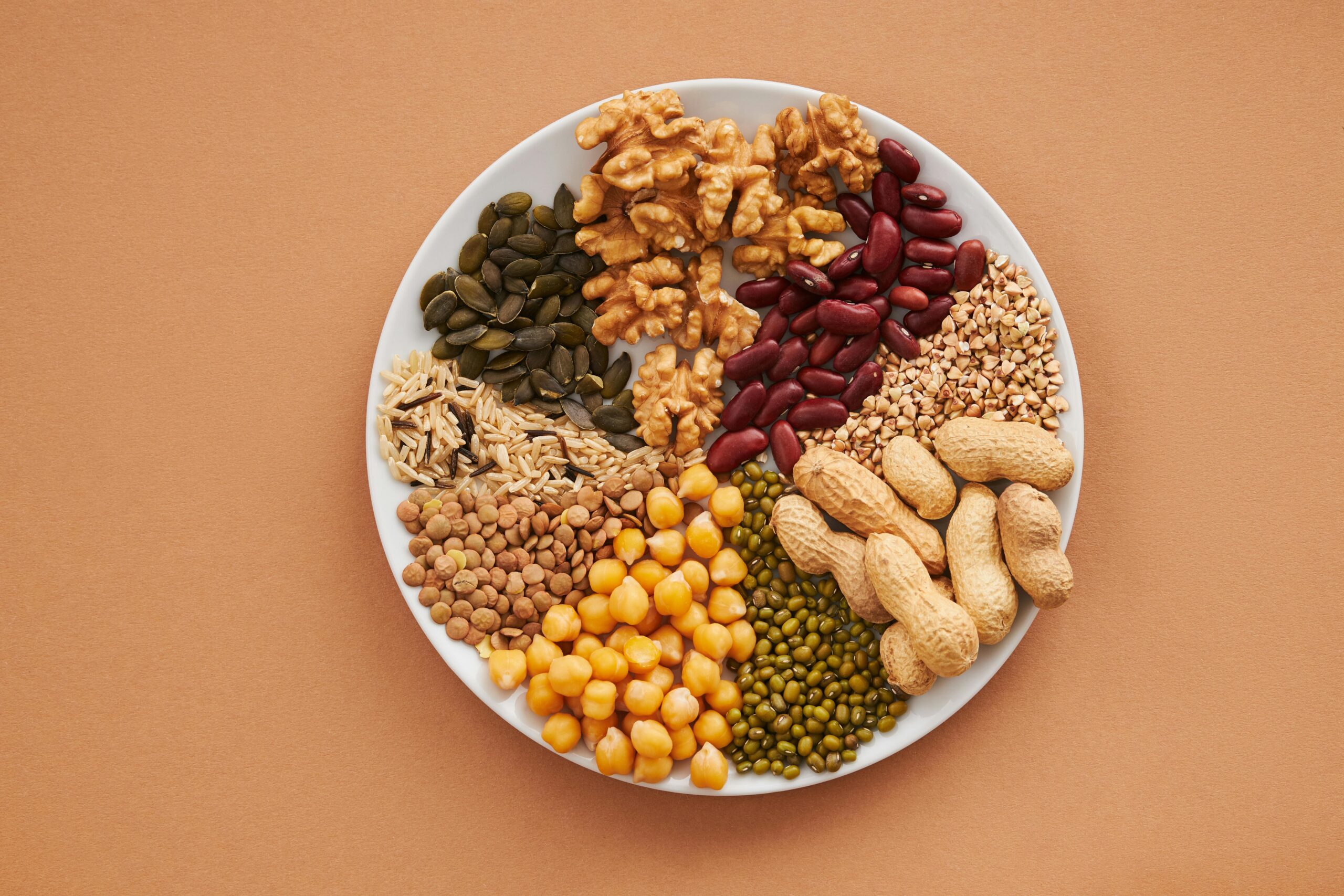
Beans, lentils, chickpeas, and split peas top the fiber charts, with most varieties providing 15-16 grams per cooked cup. They’re also rich in protein, making them especially valuable for plant-based eaters. Adding just one cup of legumes to your daily routine gets you halfway to your fiber goal.
Berries: Nature’s Fiber-Rich Candy
Raspberries lead the berry category with 8 grams of fiber per cup, followed by blackberries at 7.6 grams. Strawberries and blueberries offer 3-4 grams per cup while satisfying sweet cravings naturally. Fresh or frozen, berries make perfect additions to breakfast, snacks, or desserts.
Whole Grains That Actually Taste Good
Forget bland, cardboard-like whole wheat products. Quinoa, farro, bulgur, and wild rice deliver excellent fiber content alongside robust flavors and interesting textures. A cup of cooked quinoa provides 5 grams of fiber, while bulgur offers an impressive 8 grams per cup.
⚡ Quick Strategies to Boost Daily Fiber Intake
Small, strategic changes to your existing eating habits can dramatically increase fiber intake without requiring complete dietary overhauls. These practical tactics fit seamlessly into busy lifestyles.
Always choose whole fruit over fruit juice to retain valuable fiber. The fiber in whole fruit slows sugar absorption and promotes satiety in ways juice simply cannot match. A medium apple contains 4 grams of fiber, while apple juice contains essentially zero.
Leave edible peels on vegetables and fruits whenever possible. Potato skins, cucumber peels, and apple skins contain concentrated fiber along with additional nutrients. Washing thoroughly eliminates concerns about pesticides while preserving fiber content.
Add ground flaxseed or chia seeds to smoothies, yogurt, oatmeal, and baked goods. Two tablespoons of ground flaxseed deliver 4 grams of fiber along with healthy omega-3 fatty acids. These tiny additions create minimal taste impact while significantly boosting nutritional value.
Replace refined grain products with whole grain versions systematically. Swap white rice for brown rice, regular pasta for whole wheat or chickpea pasta, and white bread for whole grain varieties. Each substitution incrementally increases your daily fiber intake.
🍽️ Sample Daily Fiber Tracking Menu
Visualizing what adequate fiber intake looks like in practice helps transform abstract numbers into concrete meal choices. Here’s a sample day providing approximately 35 grams of fiber:
Breakfast: Steel-cut oatmeal (4g) topped with sliced banana (3g), berries (4g), and ground flaxseed (2g) = 13g fiber
Mid-Morning Snack: Medium apple with 2 tablespoons almond butter (4g) = 4g fiber
Lunch: Large salad with mixed greens (2g), chickpeas (8g), vegetables (3g), and quinoa (3g) = 16g fiber
Afternoon Snack: Carrot sticks with hummus (3g) = 3g fiber
Dinner: Grilled salmon with roasted Brussels sprouts (4g) and sweet potato with skin (4g) = 8g fiber
This menu totals 44 grams of fiber while including diverse, flavorful foods that most people genuinely enjoy eating. Notice that achieving adequate fiber doesn’t require exotic ingredients or complicated recipes—just thoughtful food selection.
Overcoming Common Fiber Tracking Obstacles
Even with the best intentions, certain challenges can derail fiber tracking efforts. Anticipating these obstacles and preparing solutions keeps you on track when motivation wanes.
Managing Dining Out Situations
Restaurant meals typically contain less fiber than home-cooked options, but strategic ordering minimizes the impact. Choose salads with beans, opt for whole grain sides when available, request vegetables instead of refined carbs, and start meals with broth-based vegetable soups. Most restaurants now provide nutritional information online, allowing you to plan high-fiber choices before arriving.
Dealing With Digestive Adjustment Period
Increasing fiber too quickly causes uncomfortable bloating, gas, and cramping. If you experience these symptoms, reduce your fiber increment and slow the progression. Always pair increased fiber intake with adequate water consumption—fiber needs water to work effectively. Aim for at least 8-10 glasses of water daily when boosting fiber intake.
Maintaining Consistency During Travel
Travel disrupts normal eating patterns, making fiber tracking more challenging. Pack portable high-fiber snacks like nuts, seeds, dried fruit, and whole grain crackers. Research restaurant options at your destination in advance. Consider bringing fiber supplements as backup during trips where high-fiber foods might be scarce.
💪 The Remarkable Health Transformations Awaiting You
Consistent fiber tracking and adequate intake produce noticeable health improvements within weeks, with benefits compounding over time.
Digestive regularity typically improves within days of increasing fiber intake. Most people experience more predictable bowel movements, reduced bloating, and decreased digestive discomfort. This alone significantly enhances quality of life and daily comfort.
Weight management becomes easier as high-fiber foods promote satiety and reduce overall calorie intake naturally. Fiber slows digestion, keeping you feeling full longer between meals and reducing the likelihood of impulsive snacking. Many people lose weight without deliberately restricting calories simply by prioritizing fiber-rich foods.
Energy levels stabilize throughout the day as fiber prevents blood sugar spikes and crashes. Instead of experiencing mid-afternoon energy slumps, you’ll maintain consistent alertness and mental clarity. This sustained energy improves productivity, mood, and overall wellbeing.
Long-term disease risk reduction represents perhaps the most significant benefit. Adequate fiber intake substantially lowers the risk of heart disease, stroke, type 2 diabetes, and colorectal cancer. These protective effects accumulate over years and decades of consistent fiber consumption.
🎯 Making Fiber Tracking a Sustainable Lifestyle Habit
Short-term dietary changes rarely produce lasting results. The goal isn’t temporary fiber tracking—it’s developing intuitive eating patterns that naturally include adequate fiber without constant monitoring.
Start by tracking meticulously for 2-4 weeks to develop awareness of fiber content in common foods. This educational period builds knowledge that eventually becomes second nature. After this initial phase, many people can estimate fiber intake accurately without detailed tracking.
Focus on building systems rather than relying on motivation. Meal planning, batch cooking high-fiber foods, and keeping fiber-rich snacks readily available creates an environment where adequate fiber intake becomes the default rather than requiring constant effort.
Celebrate small wins along the way. Notice when you naturally choose the high-fiber option, acknowledge increased energy levels, or recognize improved digestive comfort. These positive reinforcements strengthen the habit loop and make fiber prioritization intrinsically rewarding.

Your Fiber-Rich Future Starts Today
Transforming your health through improved fiber intake doesn’t require perfection—it requires consistent, incremental progress toward better choices. The tracking checklist serves as your roadmap, guiding you toward optimal fiber consumption while allowing flexibility for real life.
Begin today with just one high-fiber addition to your normal routine. Tomorrow, add another. Within weeks, you’ll notice remarkable changes in how you feel, function, and thrive. The investment is minimal, but the returns—vibrant health, sustained energy, and disease prevention—are invaluable.
Your body is designed to thrive on fiber-rich whole foods. Give it the nutrition it needs, track your progress to stay accountable, and watch as your health transforms in ways you never imagined possible. The ultimate fiber intake tracking checklist isn’t just about numbers—it’s about reclaiming your health, one delicious, fiber-rich meal at a time. 🌟