Snacking doesn’t have to derail your health goals or leave you feeling sluggish. With the right approach, healthy snacks can fuel your body, stabilize your energy levels, and keep cravings at bay throughout the day.

Whether you’re working from home, hitting the gym, or managing a busy schedule, having a strategic snack rotation schedule can transform how you feel and perform. This guide will help you master your munchies with delicious, nutritious options that keep you energized and guilt-free from morning until night.
🌅 Why a Snack Rotation Schedule Changes Everything
Many people approach snacking reactively, grabbing whatever is convenient when hunger strikes. This often leads to poor choices, energy crashes, and that familiar cycle of guilt and frustration. A structured snack rotation schedule eliminates decision fatigue while ensuring your body receives consistent nutrition throughout the day.
The benefits of planning your healthy snacks extend far beyond weight management. A well-timed snack rotation helps maintain stable blood sugar levels, prevents overeating at main meals, supports cognitive function, and provides sustained energy without the crashes associated with processed foods. When you know exactly what you’ll eat and when, you remove the guesswork and temptation that often leads to less healthy choices.
Research shows that eating small, balanced snacks between meals can boost metabolism and help maintain lean muscle mass. The key is choosing nutrient-dense options that combine protein, healthy fats, and complex carbohydrates. This powerful trio provides lasting satisfaction while delivering the vitamins and minerals your body needs to thrive.
⏰ Understanding Your Body’s Energy Rhythm
Before diving into specific snack recommendations, it’s important to understand when your body naturally needs fuel. Most people experience energy dips at predictable times throughout the day, typically mid-morning around 10-11 AM, mid-afternoon between 2-4 PM, and sometimes in the evening around 7-8 PM.
These energy valleys are perfect opportunities to introduce strategic healthy snacks that stabilize blood sugar and prevent the extreme hunger that leads to poor meal choices. By anticipating these moments and having prepared options ready, you take control of your nutrition rather than letting hunger control you.
Your individual energy patterns may vary based on your sleep schedule, meal timing, activity level, and metabolic rate. Pay attention to when you naturally feel hungry or notice your focus waning. These signals from your body are valuable information for customizing your personal snack rotation schedule.
🥜 Building Your Foundation: The Core Snack Categories
A successful snack rotation schedule includes variety across several nutrient-dense categories. This diversity ensures you’re getting a broad spectrum of nutrients while preventing boredom, which is often the downfall of even the best-intentioned healthy eating plans.
Protein-Powered Options
Protein is the MVP of satisfying snacks, keeping you full longer and supporting muscle maintenance and recovery. These options should form the backbone of your rotation, especially after workouts or during particularly demanding days.
- Greek yogurt with berries and a drizzle of honey
- Hard-boiled eggs with a sprinkle of sea salt and pepper
- Turkey or chicken roll-ups with cucumber slices
- Cottage cheese topped with cherry tomatoes and fresh basil
- Protein smoothies blended with spinach, banana, and almond butter
- Edamame lightly salted and steamed
- Tuna or salmon on whole grain crackers
Healthy Fat Champions
Healthy fats support brain function, hormone production, and nutrient absorption. They’re incredibly satiating and help slow down sugar absorption, making them perfect partners for carbohydrate-containing snacks.
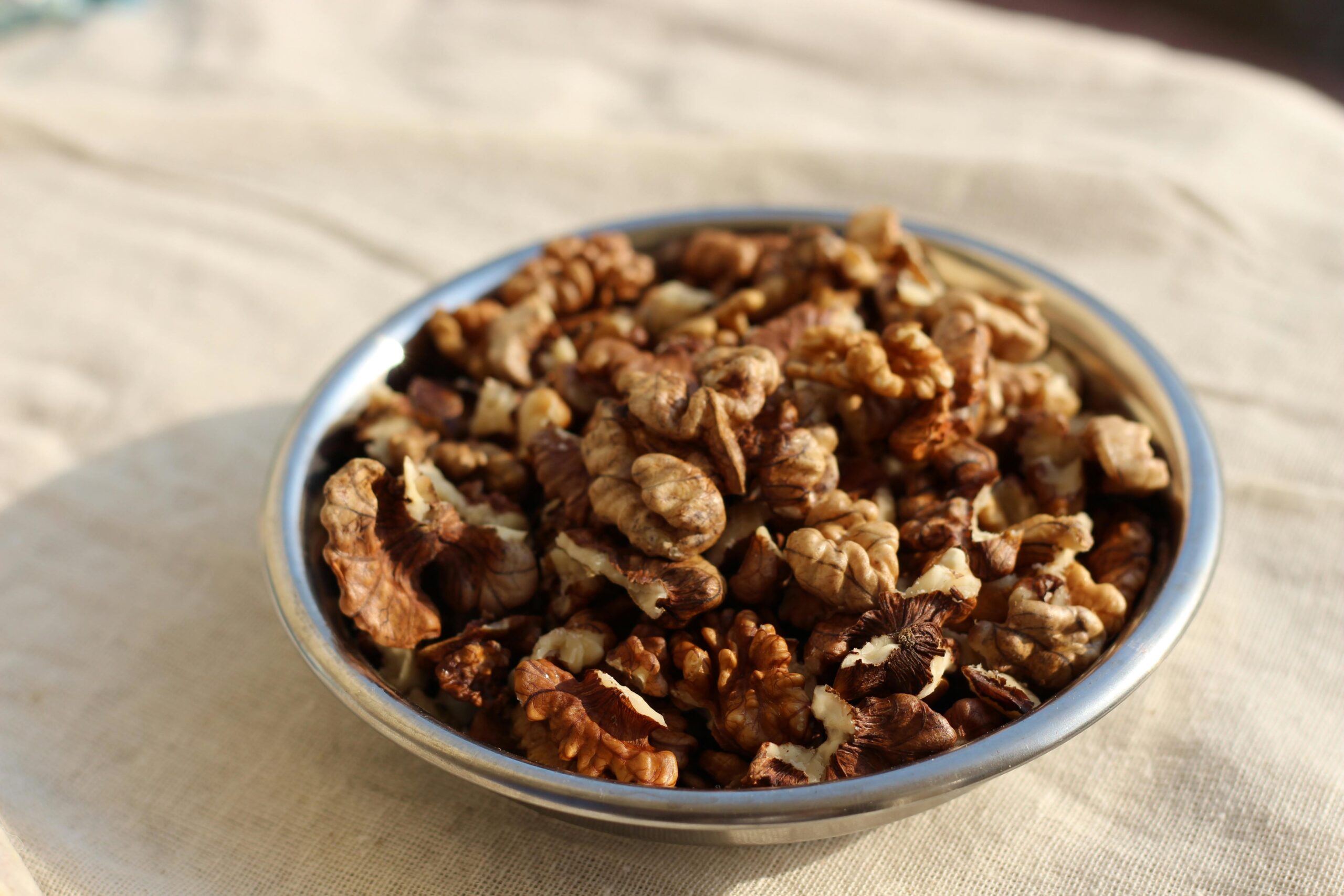
- Mixed nuts (almonds, walnuts, cashews) in portion-controlled servings
- Avocado toast on sprouted grain bread
- Nut butter with apple slices or celery sticks
- Olives with cheese cubes
- Dark chocolate (70% cacao or higher) with almonds
- Chia seed pudding made with coconut milk
- Homemade trail mix with seeds, nuts, and dried fruit
Fiber-Rich Favorites
Fiber promotes digestive health, feeds beneficial gut bacteria, and provides lasting fullness. These snacks are particularly valuable for maintaining steady energy and preventing the mid-afternoon slump.
- Fresh vegetables with hummus
- Air-popped popcorn seasoned with nutritional yeast
- Apple or pear slices with almond butter
- Overnight oats with chia seeds and berries
- Whole grain crackers with guacamole
- Roasted chickpeas with spices
- Fresh fruit salad with a sprinkle of hemp seeds
📅 Your Complete Weekly Snack Rotation Schedule
Now let’s put theory into practice with a flexible framework that you can customize to your preferences and lifestyle. This schedule provides three snack times per day, recognizing that most people benefit from eating every 3-4 hours.
Monday: Energizing Start
Mid-Morning (10:00 AM): Greek yogurt parfait with granola, mixed berries, and a drizzle of honey. This combination provides probiotics, antioxidants, and sustained energy to power through your morning tasks.
Afternoon (3:00 PM): Sliced vegetables (carrots, bell peppers, cucumber) with 2 tablespoons of hummus. This crunchy, satisfying snack delivers fiber, vitamins, and plant-based protein without weighing you down.
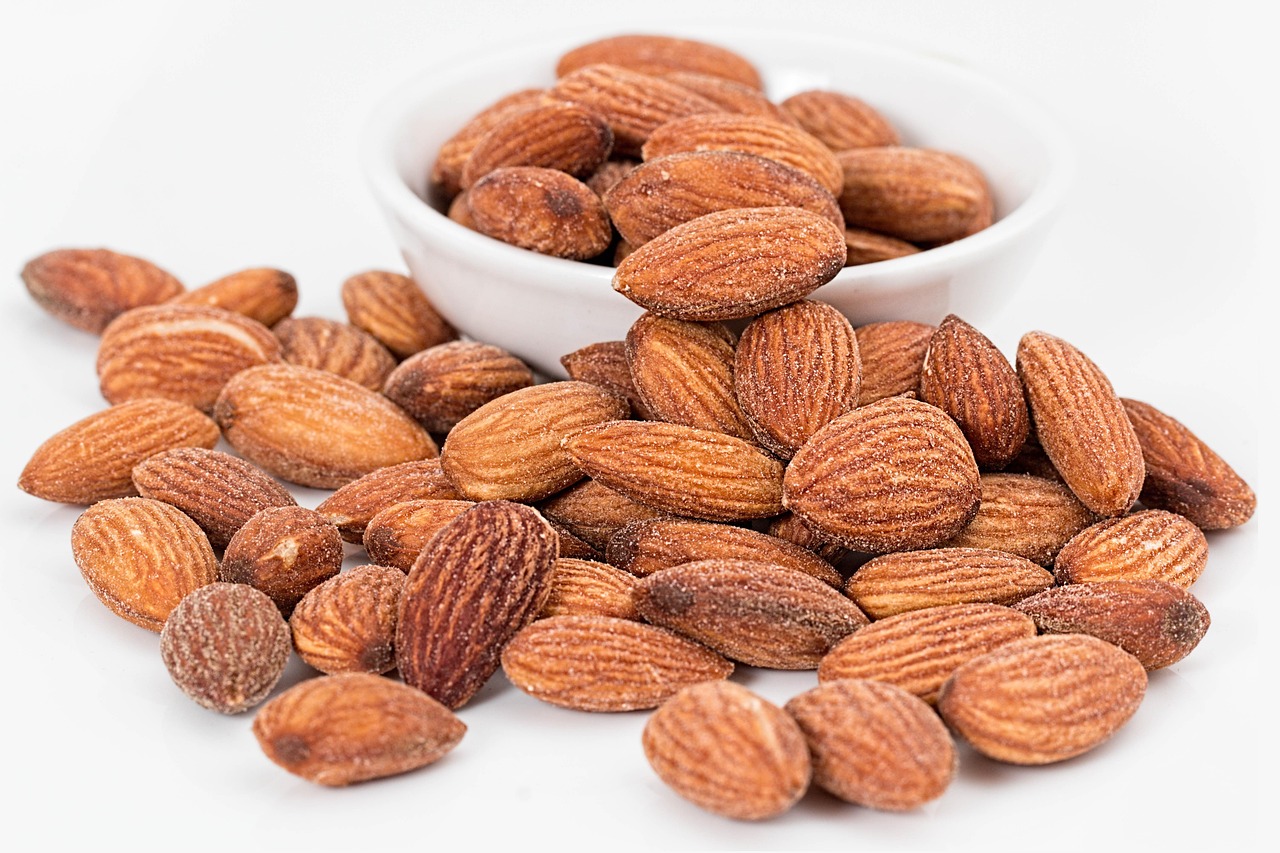
Evening (7:00 PM): A small handful of almonds with a piece of dark chocolate. This satisfying combination curbs sweet cravings while providing healthy fats and antioxidants.
Tuesday: Protein Focus
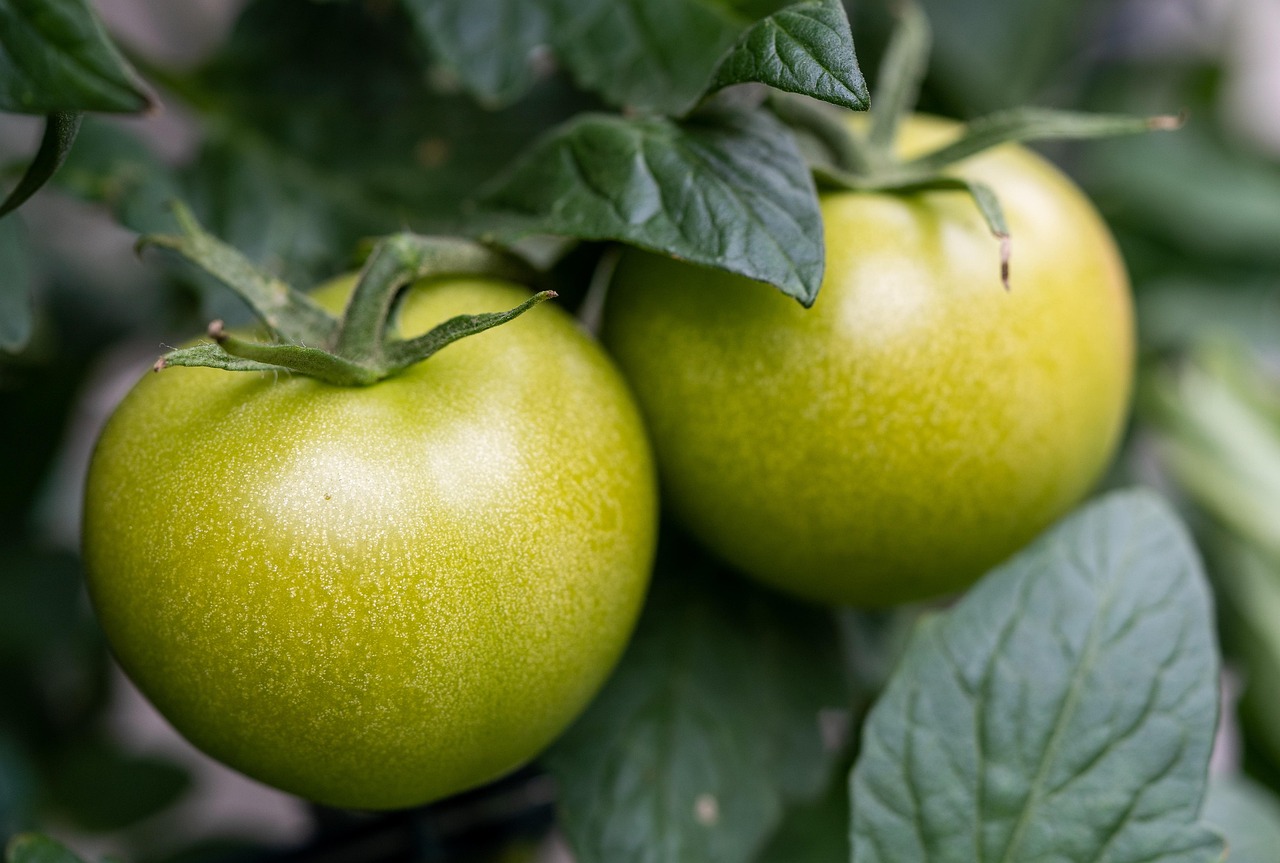
Mid-Morning: Two hard-boiled eggs with cherry tomatoes and a sprinkle of everything bagel seasoning. This high-protein option keeps hunger at bay and provides essential amino acids.
Afternoon: Cottage cheese bowl topped with sliced peaches and a sprinkle of cinnamon. The protein-to-carb ratio here is perfect for maintaining stable blood sugar through the afternoon.
Evening: Turkey roll-ups with avocado slices and a side of baby carrots. This protein-rich evening snack prevents late-night hunger without being too heavy before bed.
Wednesday: Plant-Powered Day
Mid-Morning: Smoothie bowl with banana, spinach, protein powder, and topped with chia seeds and sliced strawberries. Blend your base thick and eat it with a spoon for a more satisfying experience.
Afternoon: Roasted chickpeas seasoned with paprika and cumin alongside sliced bell peppers. This crunchy, savory option provides plant protein and fiber in abundance.
Evening: Apple slices with 2 tablespoons of almond butter and a sprinkle of cinnamon. This classic combination never gets old and provides the perfect balance of nutrients.
Thursday: Variety Day
Mid-Morning: Whole grain toast with mashed avocado, cherry tomatoes, and a poached egg. This more substantial snack works well on days when breakfast was lighter or you have an intense workout planned.
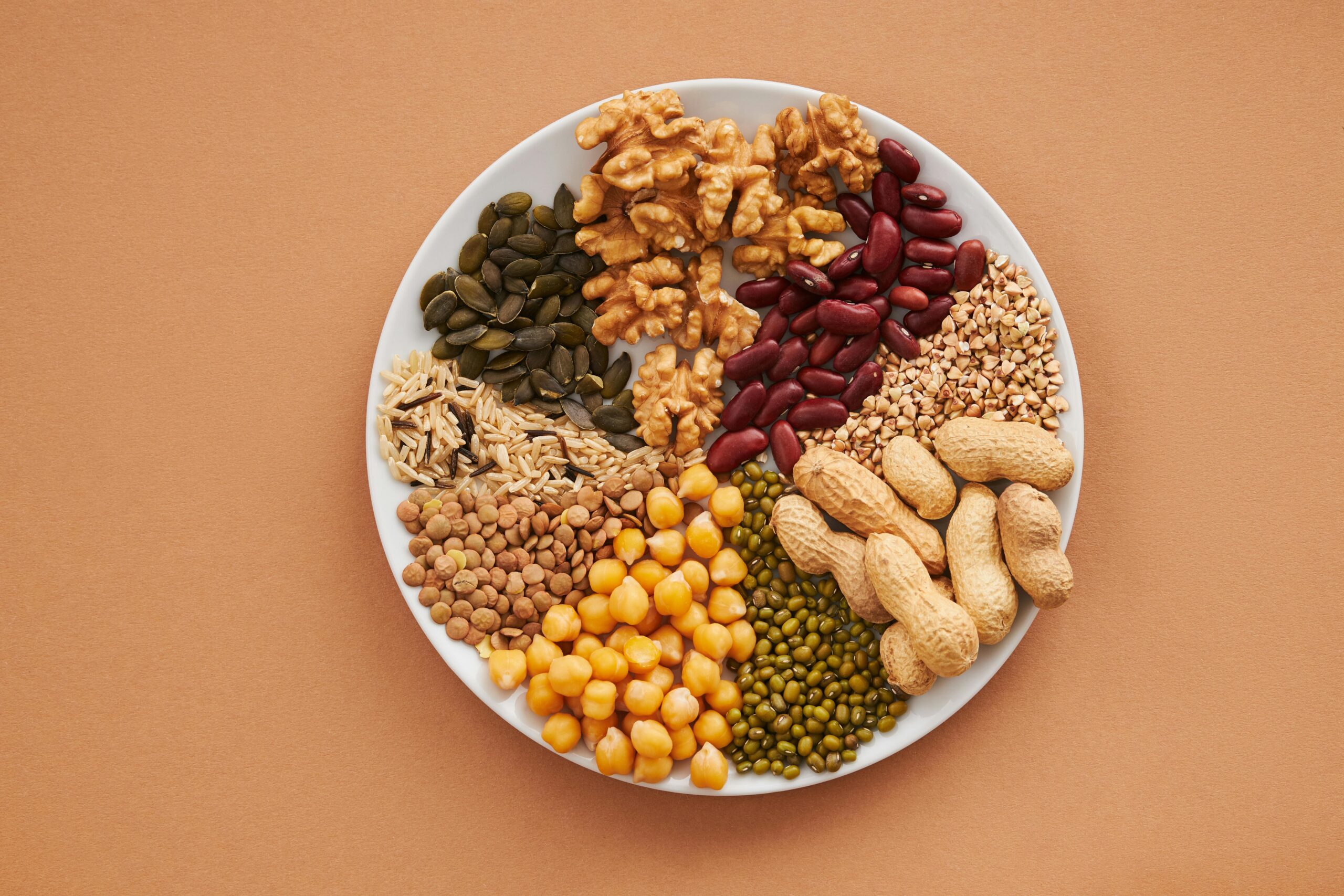
Afternoon: Trail mix with raw nuts, pumpkin seeds, dried cranberries, and dark chocolate chips. Pre-portion this into small bags for grab-and-go convenience.
Evening: Celery sticks with peanut butter and raisins (ants on a log). This nostalgic snack is surprisingly satisfying and nutrient-dense.
Friday: Treat Yourself Wisely
Mid-Morning: Chia pudding made with coconut milk, topped with fresh mango and coconut flakes. Prepare this the night before for a creamy, tropical treat.
Afternoon: Whole grain crackers with sliced cheese and grapes. This balanced combination hits all the right notes without derailing your healthy eating.
Evening: Air-popped popcorn tossed with nutritional yeast and a tiny bit of olive oil. This voluminous snack feels indulgent while remaining nutrient-dense.
Weekend Flexibility
Weekends often require more flexibility due to varying schedules, social activities, and different meal times. Choose any combination from the weekly rotation based on your activities and hunger levels. The key is having options prepared and ready so you’re never caught without healthy choices.
🛒 Meal Prep Magic: Setting Yourself Up for Success
The difference between following through with healthy snacking and falling back into old patterns often comes down to preparation. Dedicate 30-60 minutes each week to snack prep, and you’ll remove the most common obstacle to eating well.
Start by washing and cutting vegetables into snack-sized portions immediately after grocery shopping. Store them in clear containers at eye level in your refrigerator so they’re the first thing you see when hunger strikes. Portion nuts and seeds into small containers or bags to prevent overeating these calorie-dense foods.
Hard-boil a batch of eggs for the week, prepare overnight oats in individual jars, and make a large batch of hummus or guacamole. Having these foundations ready makes assembling healthy snacks effortless throughout the week. Consider investing in quality storage containers that keep foods fresh and make your refrigerator look organized and inviting.
💪 Timing Your Snacks Around Exercise
If you exercise regularly, strategic snacking becomes even more important for performance and recovery. Pre-workout snacks should be consumed 30-60 minutes before exercise and focus on easily digestible carbohydrates with a small amount of protein.
Good pre-workout options include a banana with a small amount of nut butter, a handful of dates with a few almonds, or a small smoothie. The goal is providing quick energy without creating digestive discomfort during your workout.
Post-workout snacks should be consumed within 30-45 minutes of finishing exercise and should include both protein for muscle recovery and carbohydrates to replenish glycogen stores. Greek yogurt with berries, a protein smoothie with fruit, or chocolate milk with a handful of nuts are all excellent choices that support your fitness goals.
🎯 Troubleshooting Common Snacking Challenges
Even with the best plan, challenges will arise. The key is anticipating common obstacles and having strategies ready to overcome them without abandoning your healthy snacking routine.
The Boredom Problem
Eating the same snacks repeatedly leads to boredom and temptation. Combat this by rotating through different options within each category and experimenting with new seasonings and combinations. Something as simple as switching from sea salt to za’atar on your vegetables can make snack time exciting again.
Travel and On-the-Go Eating
Keep non-perishable snacks in your car, bag, or desk drawer for emergencies. Individual nut butter packets, protein bars with minimal ingredients, dried fruit, and shelf-stable jerky can be lifesavers when you’re away from home longer than expected.
Emotional Eating Triggers
When stress or emotions drive your snacking, pause before eating and ask yourself if you’re truly physically hungry. If not, address the underlying need with a brief walk, some deep breathing, or a call to a friend. Keep a journal noting your hunger levels before snacking to identify patterns.
🌟 Supercharging Your Snacks with Strategic Add-Ons
Simple additions can dramatically boost the nutritional value of your snacks without adding much time or effort. Keep these nutrient-dense toppings and mix-ins readily available to enhance your rotation.
Hemp seeds, chia seeds, and ground flaxseed add omega-3 fatty acids, protein, and fiber to almost any snack. Nutritional yeast provides B vitamins and a savory, cheese-like flavor. Fresh herbs like basil, cilantro, and mint transform simple vegetables into something special. Spices like cinnamon help regulate blood sugar, while turmeric and ginger offer anti-inflammatory benefits.
📱 Tracking Your Success and Staying Accountable
Consider using a food diary app or simple notebook to track your snacking patterns for the first few weeks. This awareness helps identify what’s working and what needs adjustment in your rotation schedule. Notice which snacks keep you satisfied longest, which boost your energy most effectively, and which you genuinely look forward to eating.
Share your healthy snacking goals with a friend or family member who can provide encouragement and accountability. Better yet, invite them to create their own rotation schedule so you can share recipes, ideas, and motivation.

🎉 Making It Sustainable for the Long Haul
The best healthy snack rotation schedule is one you can maintain consistently without feeling deprived or overwhelmed. Remember that perfection isn’t the goal—consistent progress is what creates lasting results.
Allow yourself flexibility to adjust the schedule based on changing needs, seasons, and preferences. As you become more comfortable with this approach, you’ll naturally develop an intuitive sense of what your body needs and when. The structured schedule serves as training wheels that eventually allow you to ride independently.
Celebrate small victories along the way, whether that’s successfully planning snacks for an entire week, trying a new healthy option, or noticing improved energy levels. These positive reinforcements strengthen your commitment and make healthy snacking feel like a reward rather than a restriction.
By mastering your munchies with this smart, tasty rotation schedule, you’re investing in sustained energy, better health, and a more positive relationship with food. Each nutritious snack is a small decision that compounds into significant results over time. Start with one week of following this schedule, notice how much better you feel, and let that success motivate you to continue this delicious journey toward guilt-free energy all day long! 🚀