We’ve all been there: mid-afternoon hunger strikes, and suddenly you’re elbow-deep in a bag of chips or devouring cookies like there’s no tomorrow. The struggle to find satisfying snacks that won’t spike your blood sugar or leave you feeling guilty is real, but it doesn’t have to be complicated.

The truth is, smart snacking isn’t about deprivation or forcing yourself to eat cardboard-flavored rice cakes. It’s about understanding what your body needs, planning ahead, and having delicious options ready when hunger calls. With the right approach, you can enjoy satisfying snacks throughout the day while keeping your energy stable and your health goals on track.
🎯 Why Low-Sugar Snacking Changes Everything
Sugar crashes are the enemy of productivity, mood stability, and sustained energy. When you consume high-sugar snacks, your blood glucose levels spike rapidly, triggering an insulin response that eventually leads to a dramatic energy drop. This rollercoaster effect leaves you reaching for more sugary foods, creating a vicious cycle that’s hard to break.
Low-sugar snacking works differently. By choosing foods with minimal added sugars and pairing macronutrients strategically, you maintain stable blood sugar levels throughout the day. This means consistent energy, better focus, reduced cravings, and a much easier time managing your weight and overall health.
The benefits extend beyond just physical health. When you’re not constantly fighting sugar cravings or dealing with energy crashes, your mental clarity improves, your mood stabilizes, and you gain a sense of control over your eating habits that feels genuinely empowering.
Building Your Snack Rotation Foundation 🏗️
A successful snack rotation isn’t random—it’s strategic. The key is to build a framework that includes variety, proper nutrition, and convenience. Your rotation should include options from different food categories to prevent boredom and ensure you’re getting a broad spectrum of nutrients.
The Core Components of Smart Snacks
Every great low-sugar snack should include at least two of these three elements: protein, healthy fats, and fiber. This combination slows digestion, promotes satiety, and keeps blood sugar stable. Protein provides building blocks for muscle and tissue repair, fats support hormone production and brain function, and fiber feeds your gut microbiome while promoting fullness.
When planning your rotation, think about including portable options for on-the-go situations, refrigerated items for home or office, and a few treats that feel indulgent but still fit your low-sugar criteria. This variety ensures you’ll always have something appealing no matter where you are or what you’re craving.
Your Weekly Snack Rotation Blueprint 📋
Creating a weekly rotation takes the guesswork out of snacking. Instead of standing in front of the pantry wondering what to eat, you’ll have a clear plan that rotates through different flavors and textures, keeping things interesting while maintaining your nutritional goals.
Monday to Wednesday: Savory and Satisfying
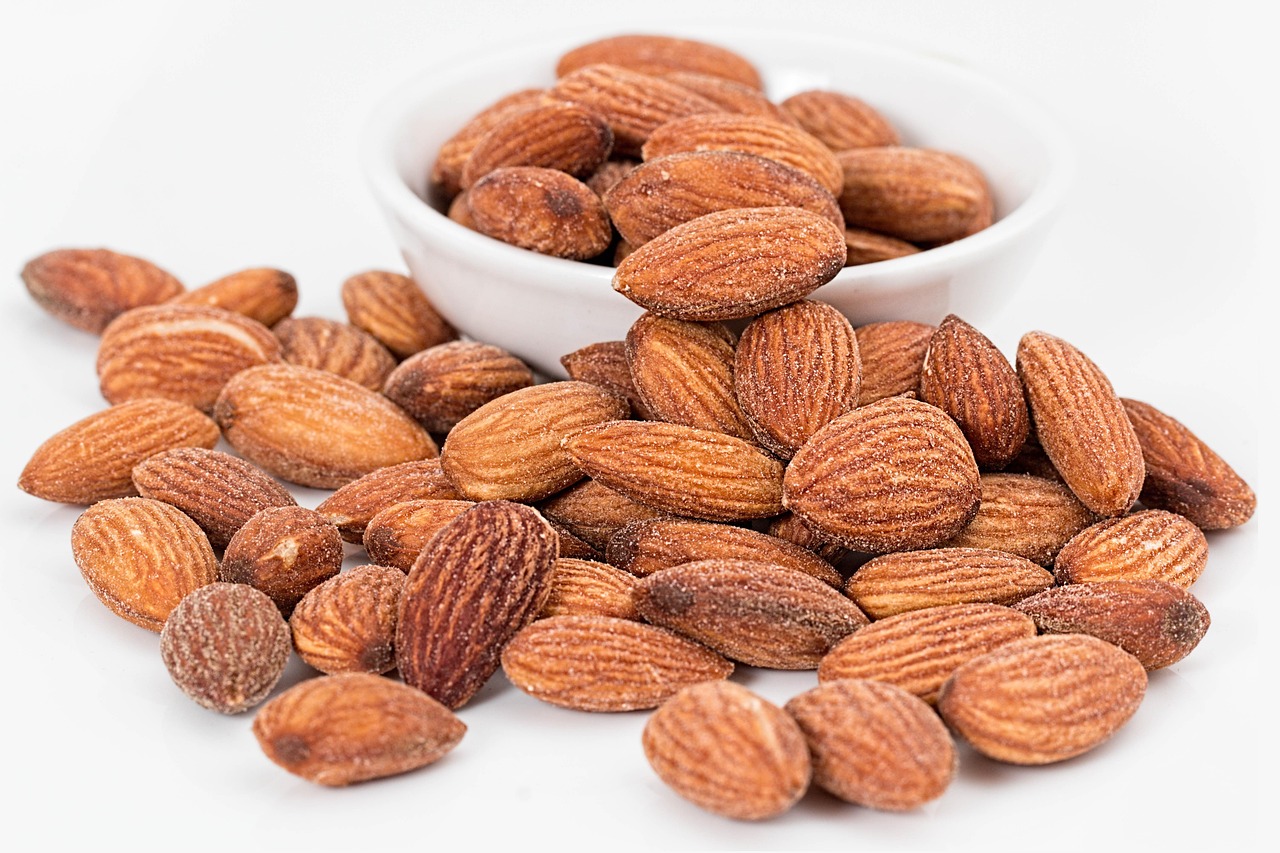
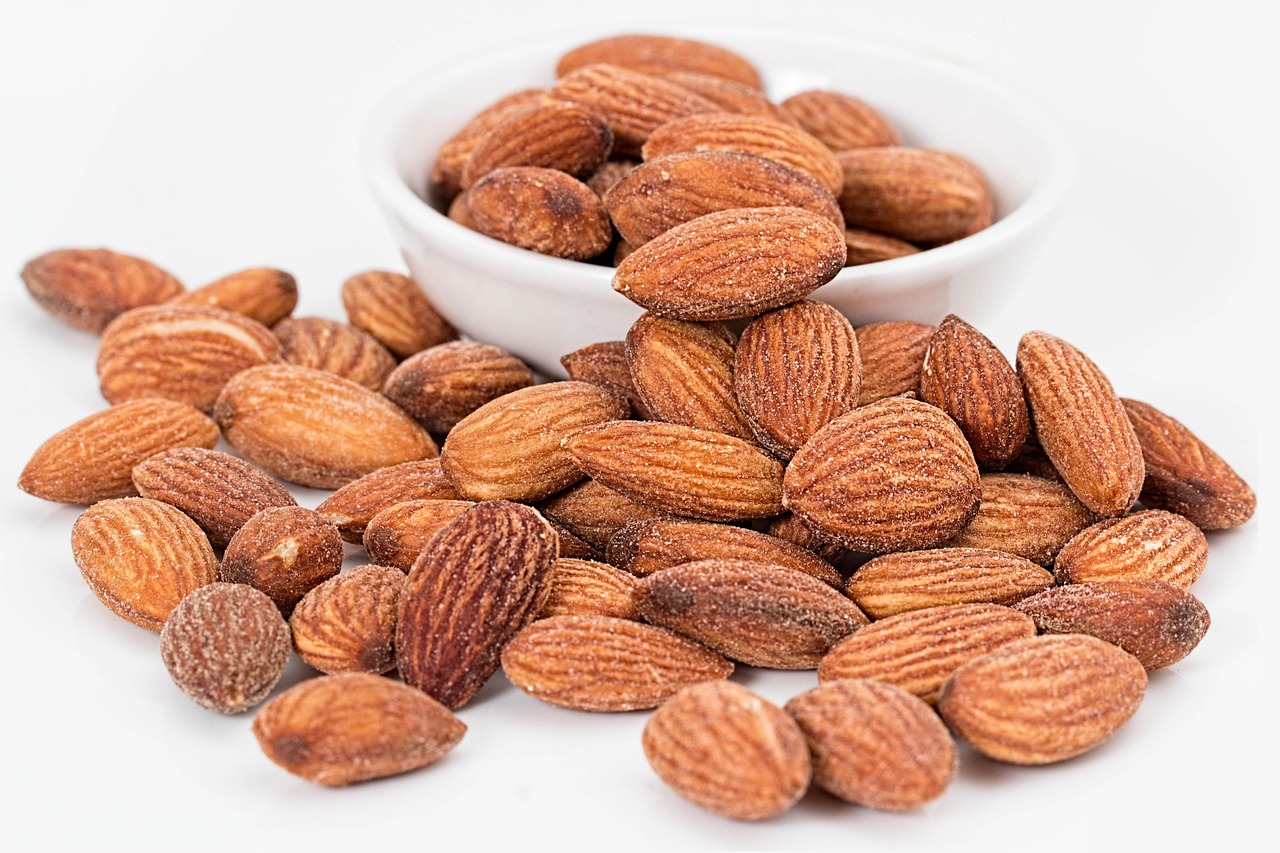
Start your week with protein-rich, savory options that feel substantial. Hard-boiled eggs with everything bagel seasoning make an excellent choice—they’re portable, packed with protein, and the seasoning adds flavor without sugar. A small handful of raw almonds paired with cheese cubes offers healthy fats and satisfying crunch.
Veggie sticks with hummus or guacamole provide fiber and nutrients while feeling fresh and light. The combination of crunchy vegetables and creamy dips satisfies both texture cravings and nutritional needs. Consider prepping these items on Sunday evening so they’re ready to grab throughout the week.
Greek yogurt topped with a sprinkle of chia seeds and a few fresh berries delivers probiotics, protein, and antioxidants. Choose plain, full-fat Greek yogurt to avoid added sugars, and limit berries to a small handful to keep the sugar content low while still enjoying natural sweetness.
Thursday to Friday: Light and Refreshing
As the week progresses, lighter options often feel more appealing. Cucumber rounds topped with smoked salmon and cream cheese provide omega-3 fatty acids and protein in an elegant, refreshing package. This snack feels special enough to break up the workweek monotony.
A small apple with natural almond butter offers the perfect balance of natural sweetness and healthy fats. While apples do contain natural sugars, the fiber content and the addition of protein-rich nut butter moderates the glycemic impact significantly.
Edamame sprinkled with sea salt makes a fantastic plant-based protein option. These soybeans are surprisingly filling and provide all nine essential amino acids, making them a complete protein source that vegans and omnivores alike can enjoy.
Weekend: Creative and Indulgent (But Still Smart)
Weekends are perfect for snacks that require a bit more preparation or feel more treat-like. Celery sticks filled with cream cheese and topped with everything bagel seasoning create a satisfying crunch with indulgent flavor. Homemade kale chips baked with olive oil and nutritional yeast offer a crispy, savory alternative to potato chips.
Dark chocolate (85% cacao or higher) paired with a small handful of pecans satisfies sweet cravings while providing antioxidants and minerals. The key is portion control—a small square of high-quality dark chocolate goes a long way in terms of satisfaction.
🍽️ Prep Strategies That Make Snacking Effortless
Even the best snack rotation fails if you don’t have items ready to eat. Preparation is the secret weapon that transforms good intentions into consistent habits. Dedicate one or two hours each week to batch-preparing your snacks, and you’ll set yourself up for success.
The Sunday Snack Prep Session
Sunday afternoons are ideal for snack preparation. Start by washing and cutting vegetables into snack-sized portions. Store them in glass containers with a damp paper towel to maintain freshness. Portion out nuts and seeds into small containers or bags—this prevents mindless overeating and makes grab-and-go incredibly easy.
Hard-boil a dozen eggs and store them in the refrigerator. They’ll last all week and provide instant protein whenever you need it. Prepare a large batch of hummus or another favorite dip—homemade versions allow you to control ingredients and avoid hidden sugars found in many commercial brands.
If you enjoy cheese, pre-cut it into portion-sized cubes. This small step removes barriers when you’re hungry and makes it easy to stick to appropriate serving sizes without needing to think about it.
Navigating Common Snacking Challenges 💪
Even with a solid plan, obstacles arise. The key is anticipating common challenges and having strategies ready to overcome them without derailing your progress.
When You’re Traveling or Commuting
Portable, non-perishable snacks are essential for life on the move. Individually packaged nut butter packets, beef jerky (check labels for low-sugar versions), protein bars with minimal added sugar, and dried seaweed snacks all travel well and don’t require refrigeration.
Consider investing in a small insulated lunch bag with an ice pack. This expands your options significantly, allowing you to bring cheese, yogurt, or cut vegetables even when you’ll be away from refrigeration for several hours.
Managing Social Situations
Social gatherings often revolve around food, and the options presented aren’t always aligned with your low-sugar goals. Before attending events, eat a satisfying low-sugar snack so you arrive without intense hunger. This makes it easier to make thoughtful choices rather than reactive ones.
When at parties or meetings, gravitate toward vegetable platters, cheese boards, nuts, and protein options like shrimp cocktail or chicken skewers. Most social food spreads include at least a few low-sugar choices if you know what to look for.
Dealing With Intense Cravings
Sometimes you want something sweet, and no amount of celery sticks will satisfy that desire. Rather than fighting it until you break down and binge on candy, have strategic sweet options in your rotation. Greek yogurt with a tiny drizzle of honey and cinnamon, frozen berries eaten like candy, or a small piece of high-quality dark chocolate can satisfy sweet cravings without derailing your efforts.
Often, what feels like a sugar craving is actually dehydration or a need for more substantial food. Before reaching for any snack, drink a full glass of water and wait ten minutes. This simple habit helps distinguish between true hunger and other signals your body might be sending.
🔄 Customizing Your Rotation for Your Lifestyle
The best snack rotation is one that fits seamlessly into your actual life, not some idealized version of it. Consider your schedule, food preferences, budget, and cooking skills when designing your plan.
For Busy Professionals
If you’re constantly on the go, prioritize snacks that require zero preparation beyond portioning. Single-serve packages of nuts, pre-cut vegetables from the grocery store, individual Greek yogurt cups, and string cheese are your friends. Yes, pre-prepared items cost more, but if they’re the difference between sticking to your plan and grabbing a donut, they’re worth every penny.
For Budget-Conscious Snackers
Low-sugar snacking doesn’t have to be expensive. Eggs are one of the most affordable protein sources available. Buying nuts in bulk and portioning them yourself saves significantly compared to individual packages. Seasonal vegetables and fruits are always more affordable than out-of-season options.
Making your own hummus, energy balls, or roasted chickpeas costs a fraction of store-bought versions and allows you to control ingredients completely. A little time investment yields big savings without compromising nutrition or taste.
For Families With Kids
Getting the whole family on board with low-sugar snacking benefits everyone’s health. Many kid-friendly snacks work perfectly for adults too—apple slices with nut butter, cheese and crackers (choose whole grain, low-sugar crackers), turkey roll-ups, and homemade trail mix appeal across age groups.
Make snack prep a family activity. Even young children can help wash vegetables, portion nuts, or assemble simple snacks. This teaches valuable nutrition lessons while lightening your prep load.
📱 Technology Tools to Support Your Snacking Success
While smart snacking doesn’t require fancy apps or gadgets, certain tools can make planning and tracking much easier, especially when you’re first establishing new habits.
Meal planning apps help organize your weekly snack rotation and generate shopping lists automatically. Many include nutritional information that helps you verify your snacks truly are low in sugar. Food tracking apps provide insight into your actual eating patterns versus what you think you’re eating—the data often reveals surprising patterns.
Recipe apps with filtering options allow you to search specifically for low-sugar snack recipes, expanding your repertoire beyond the basics. Reading reviews helps you identify which recipes are truly delicious versus just healthy on paper.
Troubleshooting Your Snack Rotation 🔧
If your carefully planned rotation isn’t working as well as you’d hoped, don’t abandon the concept—adjust it. Snacking plans should evolve as you learn what works best for your body, schedule, and preferences.
When You’re Still Hungry After Snacking
If your snacks aren’t keeping you satisfied until the next meal, they’re likely lacking in protein or healthy fats. Review your choices and ensure each snack includes adequate amounts of these satiating macronutrients. Sometimes increasing portion sizes slightly makes the difference between lasting satisfaction and hunger returning an hour later.
When You’re Bored With Your Options
Food boredom is real and can sabotage even the best intentions. Rotate new items into your plan every couple of weeks. Try different vegetables, experiment with new seasonings, or explore international food stores for interesting low-sugar options you’ve never considered before.
Sometimes simple changes make all the difference—switching from raw to roasted almonds, trying a different flavor of hummus, or changing how you season your hard-boiled eggs can refresh your interest without requiring a complete overhaul.
Making It Stick: From Plan to Lifestyle 🌟
The ultimate goal isn’t just following a snack rotation for a few weeks—it’s making smart snacking such a natural part of your routine that it requires minimal conscious effort. This transformation happens gradually through consistent practice and self-compassion.
Remember that perfection isn’t the goal. Some weeks you’ll prep everything beautifully and stick to your plan flawlessly. Other weeks will be chaotic, and you’ll make less-than-ideal choices. What matters is the overall pattern, not individual moments. Each time you choose a low-sugar snack, you’re reinforcing the habit, making it easier and more automatic.
Celebrate small victories—the afternoon you chose veggies and hummus instead of hitting the vending machine, the road trip where you brought your own snacks instead of relying on gas station options, the evening you satisfied a sweet craving with berries instead of ice cream. These moments add up to lasting change.
Track how you feel rather than just what you eat. Notice your energy levels, mood stability, mental clarity, and how your clothes fit. These non-scale victories often provide more motivation than any number could, reinforcing why your smart snacking rotation is worth maintaining.
Your Guilt-Free Future Starts Now 🚀
You now have everything you need to implement a low-sugar snack rotation that eliminates guilt, stabilizes energy, and makes healthy eating feel effortless rather than restrictive. The strategies, examples, and troubleshooting tips provided give you a complete framework for success.
Start small if a complete overhaul feels overwhelming. Replace just one daily snack with a low-sugar alternative this week. Next week, tackle another. Gradual changes stick better than dramatic overnight transformations that feel unsustainable.
Your relationship with snacking is about to change dramatically. No more guilt, no more energy crashes, no more standing in front of the pantry feeling defeated by your choices. Smart snacking made simple isn’t just a catchy phrase—it’s your new reality, one satisfying, nourishing bite at a time.