Staying energized throughout your busy day doesn’t have to mean grabbing whatever’s convenient. With a strategic portable snack rotation schedule, you can fuel your body intelligently while managing your nutrition goals, whether you’re at the office, traveling, or running errands.

The modern lifestyle demands solutions that fit into our packed schedules without compromising health. A well-planned snack rotation system ensures you’re never caught hungry without nutritious options, helping you avoid impulsive food choices that derail your wellness objectives. This comprehensive guide will transform how you think about portable nutrition and equip you with practical strategies to master snacking anywhere, anytime.
🎯 Why a Portable Snack Rotation Schedule Changes Everything
Random snacking leads to nutritional gaps, energy crashes, and unnecessary spending on convenience foods. A rotation schedule eliminates decision fatigue while ensuring nutritional variety throughout your week. By planning ahead, you’ll consume a broader spectrum of nutrients, maintain stable blood sugar levels, and save money compared to purchasing snacks on-the-go.
Research shows that people who plan their snacks consume approximately 30% more fruits and vegetables than those who snack spontaneously. Additionally, scheduled snacking helps regulate appetite, preventing overeating at main meals and supporting weight management goals.
The rotation concept prevents taste fatigue—that moment when you can’t face another protein bar because you’ve eaten them for five days straight. By cycling through different snack categories, you’ll maintain enthusiasm for your healthy eating plan while covering all your nutritional bases.
Building Your Foundation: Essential Snack Categories
A successful rotation schedule incorporates diverse food groups to provide balanced nutrition. Understanding these categories helps you create variety while meeting your body’s needs throughout the day.
Protein-Powered Options
Protein snacks sustain energy levels and promote satiety longer than carbohydrate-only options. Portable choices include hard-boiled eggs, jerky (beef, turkey, or plant-based), individual nut butter packets, cheese sticks, edamame, and protein balls made with dates and nuts.
Greek yogurt in individual containers, cottage cheese cups, and roasted chickpeas also travel well. For plant-based eaters, hemp hearts, pumpkin seeds, and portable tofu snacks provide excellent protein without animal products.
Complex Carbohydrates for Sustained Energy
Whole grain crackers, rice cakes, whole wheat pretzels, and air-popped popcorn provide fiber-rich carbohydrates that digest slowly. Pair these with protein or healthy fats to create balanced mini-meals that prevent energy dips.
Oat-based snacks like granola bars (choose low-sugar varieties) or overnight oats in mason jars offer portable whole grain nutrition. Sweet potato chips and beet chips provide vegetable-based carbohydrates with added nutrients.
Healthy Fats That Travel
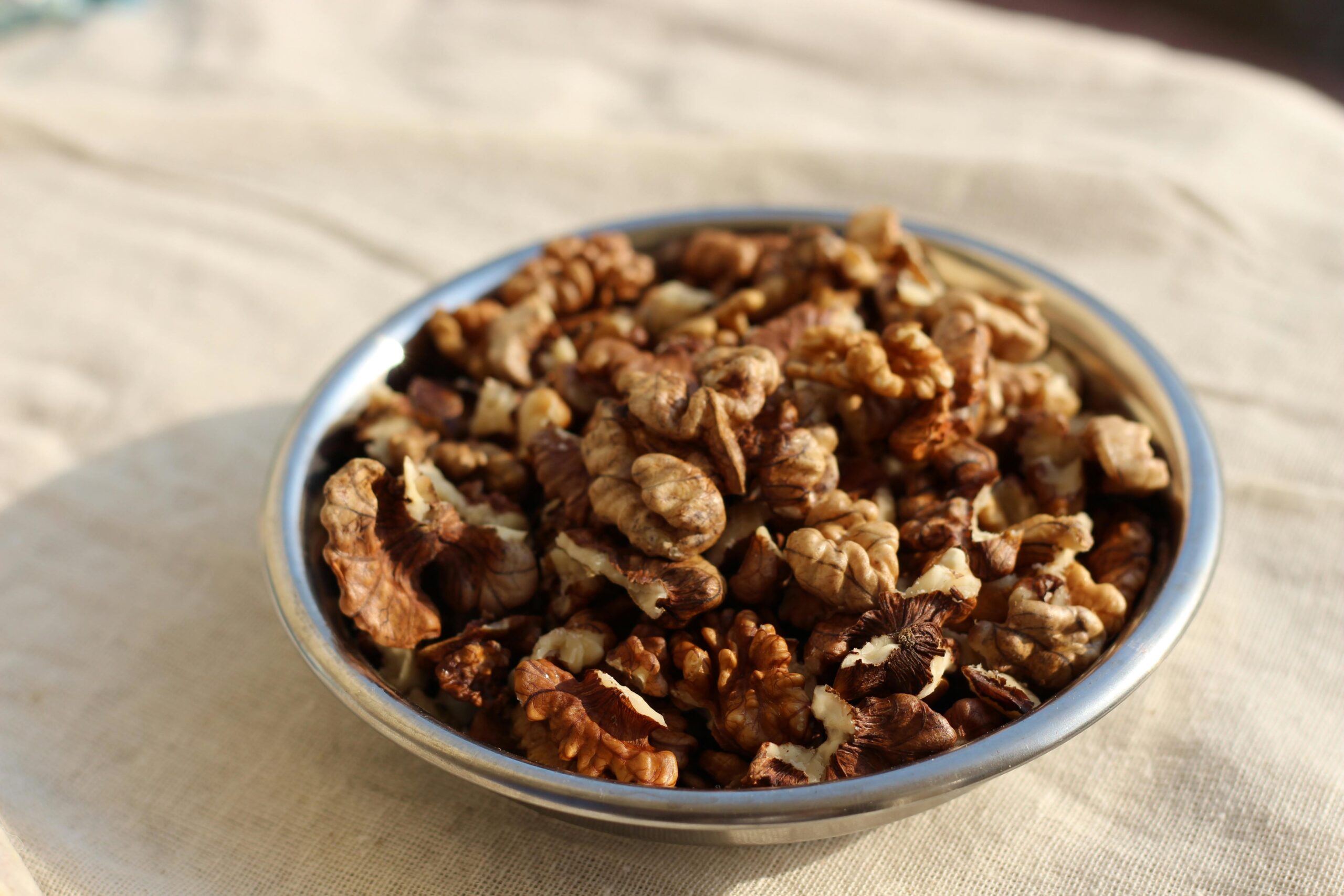
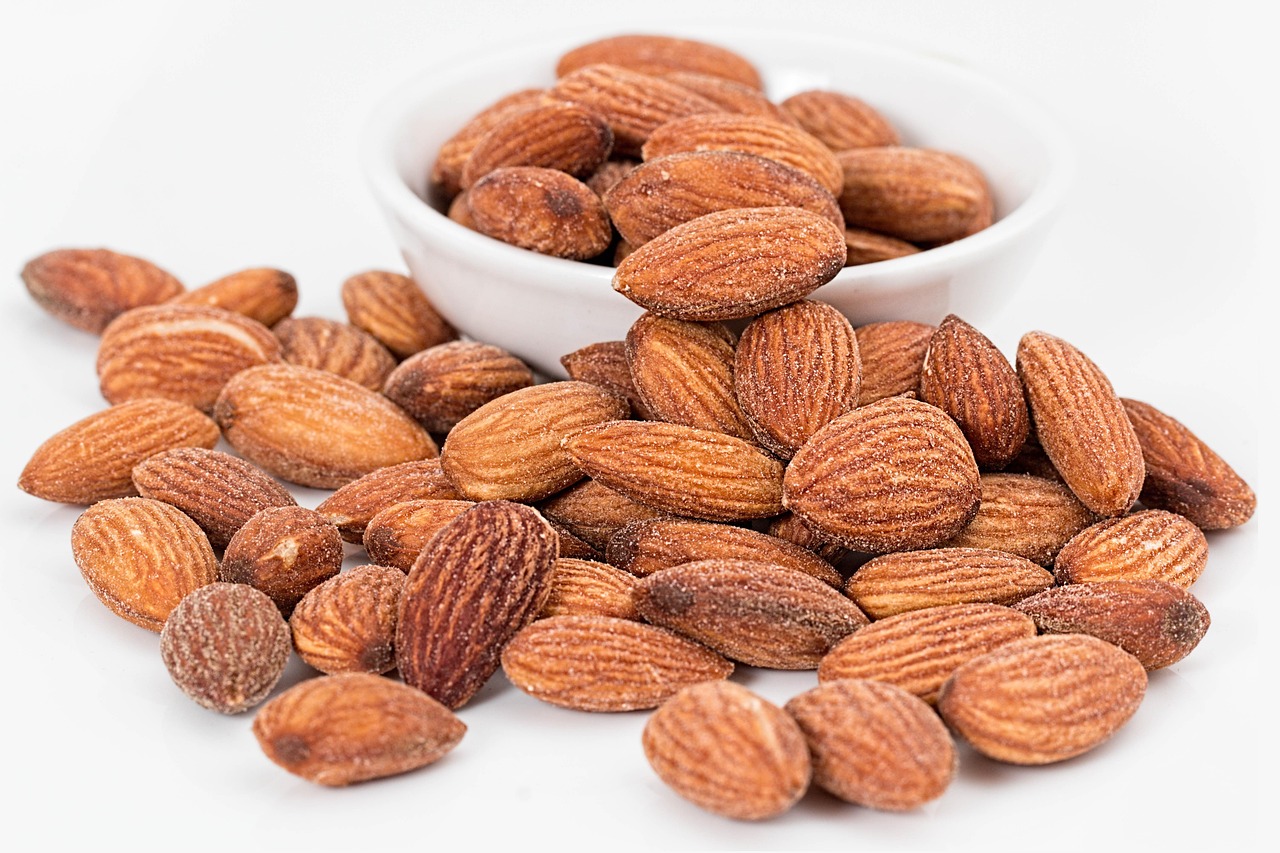
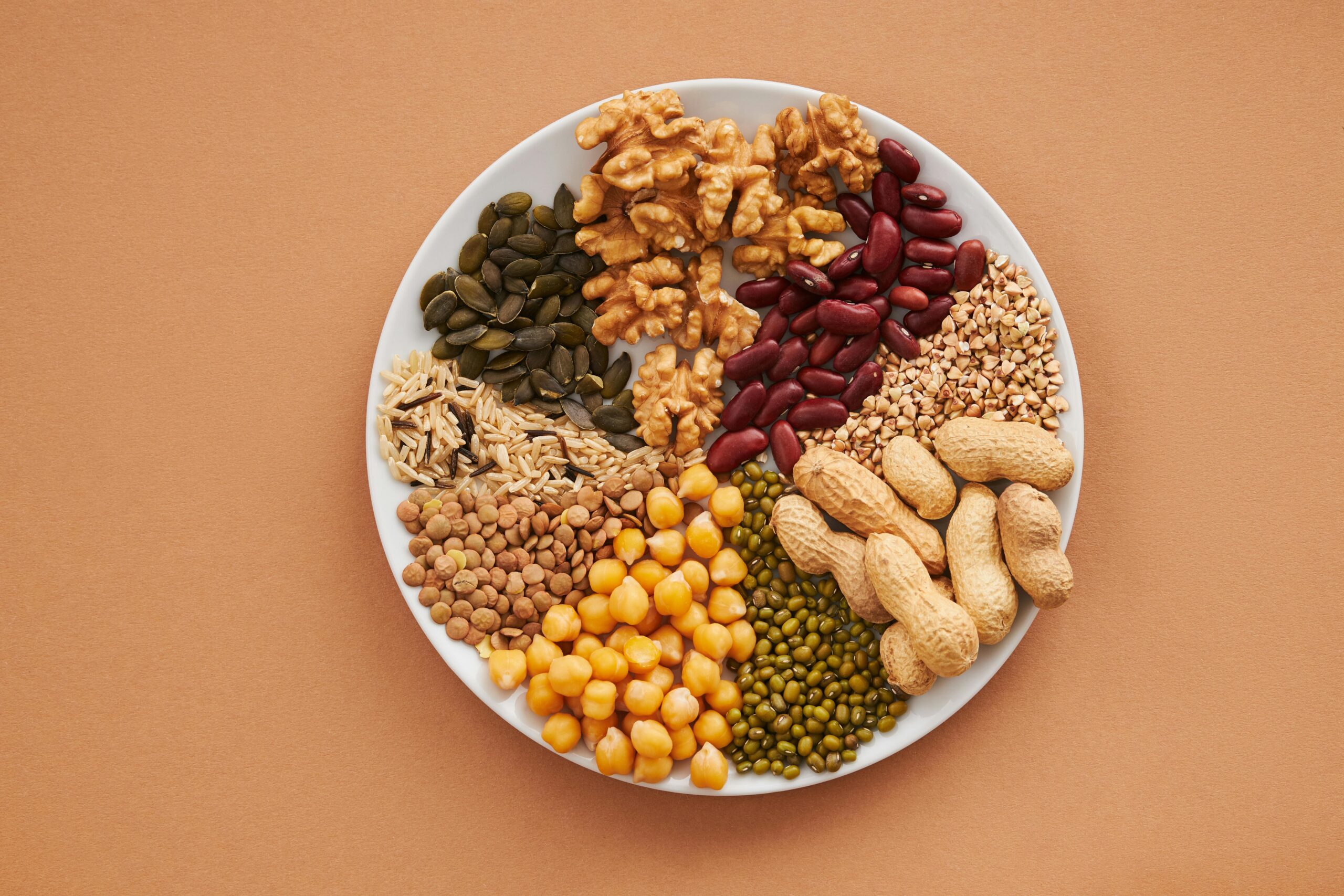
Nuts and seeds in pre-portioned bags prevent overconsumption while providing heart-healthy fats. Almonds, walnuts, cashews, pistachios, and mixed trail mixes (watch for added sugars) are travel champions. Avocado-based snacks, including individual guacamole cups with vegetable sticks, deliver satisfying fats with fiber.
Dark chocolate with at least 70% cacao content provides healthy fats along with antioxidants. Chia pudding in small containers and coconut chips offer alternative fat sources with unique nutritional profiles.
Fresh and Dried Produce
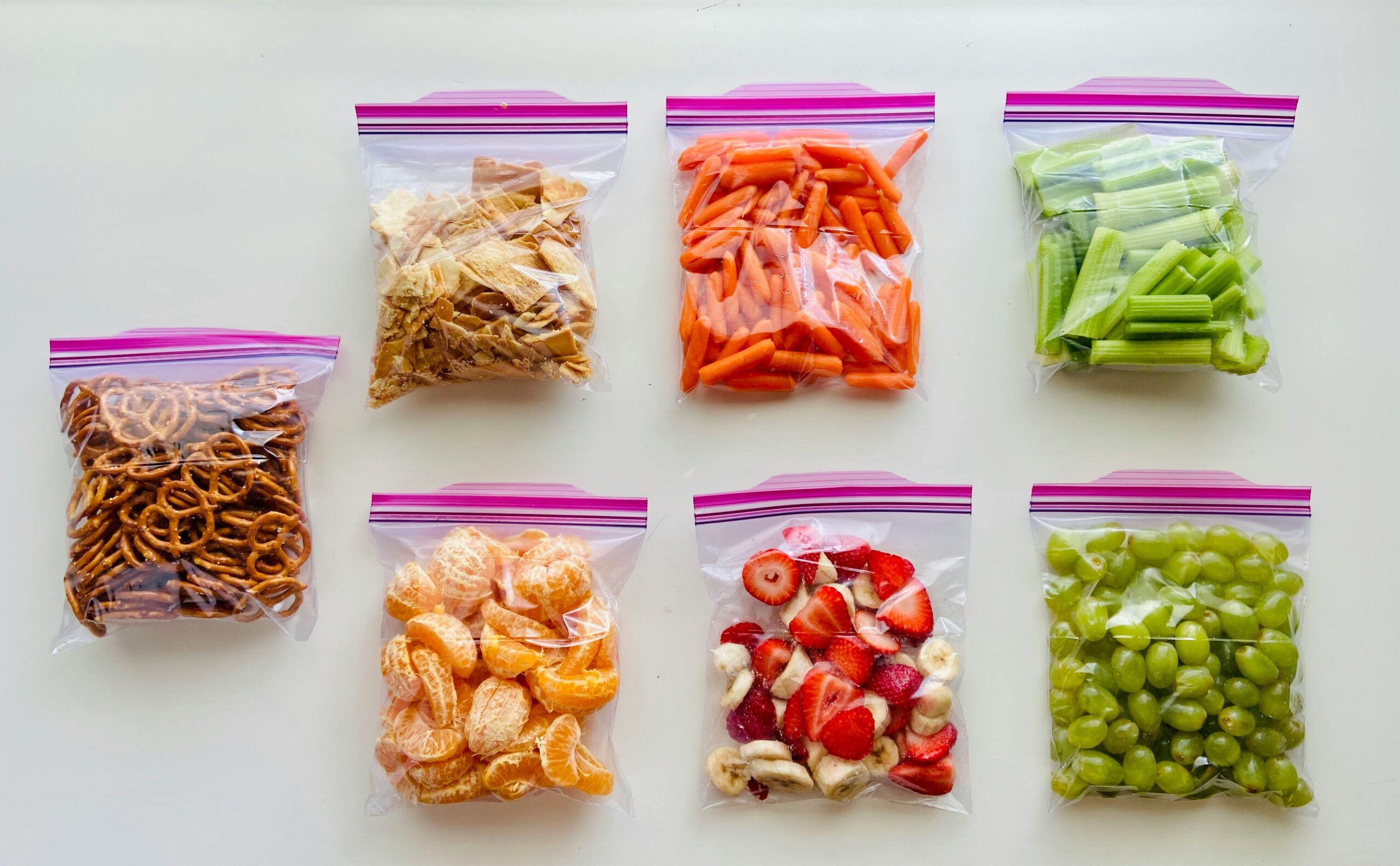
Whole fruits like apples, bananas, oranges, and pears need no preparation and withstand transport beautifully. Berries in small containers, grape clusters, and cut melon in sealed containers work for shorter trips.
Dried fruits including apricots, dates, figs, and apple chips concentrate nutrients and travel indefinitely. Watch portion sizes as dried fruits contain concentrated sugars. Vegetable sticks—carrots, celery, bell peppers, cucumber—paired with hummus or dressing provide crunchy, hydrating snacks rich in vitamins.
🗓️ Creating Your Weekly Snack Rotation Schedule
The key to sustainable snack planning is systematic rotation that prevents boredom while simplifying preparation. Here’s a practical framework you can customize based on your preferences and dietary requirements.
The Five-Day Work Week Rotation
Monday can be your protein-focused day with hard-boiled eggs and turkey jerky. Tuesday shifts to nut-based snacks with almond butter packets and trail mix. Wednesday introduces dairy or dairy alternatives with Greek yogurt and cheese. Thursday emphasizes plant-based options like hummus with vegetables and roasted chickpeas. Friday features energy-dense choices like granola, dried fruit, and dark chocolate to carry you into the weekend.
This rotation ensures you’re hitting different nutritional targets throughout the week while keeping your taste buds engaged. Each day has a theme, simplifying your shopping and preparation routine.
The Morning-Afternoon Strategy
Your body’s needs change throughout the day, making timing an important consideration. Morning snacks (10:00-11:00 AM) should bridge breakfast and lunch with lighter options like fruit with nut butter or yogurt with granola.
Afternoon snacks (3:00-4:00 PM) prevent the energy slump and should be more substantial—think protein-rich choices like cheese with whole grain crackers or a smoothie pack you can blend at work. This strategic timing prevents excessive hunger that leads to overeating at dinner.
Weekend and Travel Adaptations
Weekends allow for fresh options that might not survive weekday commutes. Saturday mornings might include fresh smoothie bowls, while Sunday adventures call for heartier trail mixes and sandwiches cut into quarters. Travel days require shelf-stable champions: nut butter pouches, protein bars, dried seaweed snacks, and sealed jerky packages that survive security screenings and long flights.
📦 Preparation and Storage Solutions That Work
Even the best rotation plan fails without proper preparation systems. Dedicate Sunday evening or another consistent time for your weekly snack prep session.
Batch Preparation Techniques
Boil a dozen eggs at once, storing them unpeeled in the refrigerator for up to one week. Portion nuts and seeds into small reusable containers or bags immediately after purchasing in bulk. Wash and cut vegetables for the entire week, storing them in water-filled containers to maintain crispness.
Prepare homemade energy balls or protein bars in batches, freezing extras for rotation in subsequent weeks. Mix custom trail mixes combining your favorite nuts, seeds, and dried fruits, then portion into grab-and-go quantities.
Container and Storage Essentials
Invest in quality small containers (4-8 oz capacity) with secure lids that prevent leaks in bags. Bento-style boxes with compartments keep different snack components separate yet convenient. Insulated lunch bags with ice packs maintain proper temperatures for perishable items like yogurt and cheese during commutes.
Reusable silicone bags reduce waste while keeping snacks fresh. Small mason jars work beautifully for layered snacks like yogurt parfaits or chia puddings. Label containers with preparation dates to track freshness and prevent food waste.
💡 Smart Snacking Rules for Maximum Success
Having snacks available is half the battle—the other half is consuming them strategically to support your energy and health goals.
Portion Control Without Feeling Restricted
Pre-portioning prevents mindless overeating but shouldn’t leave you hungry. A balanced snack contains 150-250 calories with at least 5 grams of protein or fiber. Listen to your genuine hunger signals rather than snacking from boredom or stress.
Combine food groups in each snack for satisfaction—carbohydrates alone digest quickly, leaving you hungry soon after. Pairing apple slices with almond butter or crackers with cheese creates balanced mini-meals that sustain energy for 2-3 hours.
Hydration Partnerships
Many people mistake thirst for hunger, leading to unnecessary snacking. Pair each snack with water, herbal tea, or infused water to support digestion and ensure adequate hydration. This simple habit often reduces overall snack consumption by helping you distinguish true hunger from dehydration.
Mindful Consumption Practices
Avoid eating directly from large packages even during busy days—you’ll consume significantly more without realizing it. Take a brief moment to actually taste and enjoy your snack rather than eating mechanically while working. This mindfulness increases satisfaction and helps your brain register that you’ve eaten, reducing subsequent cravings.
🚀 Advanced Rotation Strategies for Different Lifestyles
Your ideal snack rotation depends on your unique circumstances, activity levels, and nutritional requirements. These specialized approaches help you customize the basic framework.
For High-Activity and Athletic Schedules
People with intense workout routines need strategic pre and post-exercise snacking. Before morning workouts, choose easily digestible carbohydrates like banana with a small amount of nut butter. Post-workout snacks should emphasize protein for muscle recovery—chocolate milk, protein shakes, or turkey wraps.
Athletes benefit from more frequent snacking (every 2-3 hours) with slightly larger portions. Incorporate electrolyte-rich options like coconut water, pickles, or salted nuts to replace minerals lost through sweat.
For Office-Based Professionals
Desk workers face unique challenges including limited storage and temperature control. Focus on shelf-stable options that don’t require refrigeration: nuts, seeds, whole grain crackers, nut butter packets, and dried fruits. Keep an emergency stash in your desk drawer for forgotten lunch days.
Combat afternoon drowsiness with snacks containing natural energizers—dark chocolate provides gentle caffeine, while vitamin B-rich nuts support energy metabolism. Crunchy vegetables satisfy the need to munch during stressful moments without excessive calories.
For Parents Managing Family Snacks
Parents juggling multiple schedules benefit from snacks that appeal to various age groups. Prepare a weekly snack station in your refrigerator with clearly labeled containers for each family member. Choose options that work for kids and adults alike: cheese cubes, mini muffins, fruit kabobs, and veggie sticks with dip.
Involve children in snack prep to build healthy habits and reduce your workload. Even young kids can wash vegetables, mix trail mix, or portion items into containers. This education creates lifelong healthy snacking patterns.
📱 Technology Tools That Simplify Snack Planning
Digital solutions can streamline your snack rotation, especially when you’re establishing new habits. Meal planning apps often include snack scheduling features that send reminders and track your consumption patterns.
Calendar apps work perfectly for scheduling your rotation—set up recurring events for each snack prep session and daily reminders about which snacks you’ve planned. This visibility helps you stay consistent until the routine becomes automatic.
Grocery shopping apps with list-sharing features ensure you never forget essential snack ingredients. Many allow you to save recurring lists, so your weekly snack shopping becomes a simple one-tap action rather than starting from scratch each time.
🌟 Troubleshooting Common Snack Rotation Challenges
Even well-planned systems encounter obstacles. Anticipating these challenges helps you develop solutions before they derail your progress.
When You’re Tired of Your Rotation
Flavor fatigue typically emerges after 3-4 weeks with the same rotation. Combat this by maintaining two separate rotations you alternate monthly, or introduce seasonal variations as produce availability changes. Experiment with new spice combinations—cinnamon on apple slices, everything bagel seasoning on avocado, or chili lime on mango.
Join online communities focused on healthy snacking for inspiration and recipe exchanges. Pinterest and Instagram offer endless snack ideas that can refresh your rotation while maintaining nutritional balance.
Managing Budget Constraints
Healthy snacking doesn’t require expensive specialty items. Buy nuts and seeds in bulk, which dramatically reduces per-serving costs. Prepare homemade versions of expensive convenience items—energy balls cost pennies compared to boutique versions.
Focus on whole foods rather than processed “health” snacks, which typically cost more and contain unnecessary additives. A bag of apples and jar of peanut butter provides weeks of snacks at the price of a few protein bars. Shop seasonal produce when it’s least expensive and most flavorful.
Dealing with Forgotten Snacks
Life happens, and you’ll occasionally forget your prepared snacks. Establish backup strategies for these moments: identify healthy convenience stores near your regular locations, keep emergency snacks in your car or locker, and maintain relationships with restaurants offering nutritious takeaway options.
Rather than viewing forgotten snacks as failure, treat them as learning opportunities. What circumstances caused the lapse? Can you leave snacks in multiple locations or set phone reminders? Problem-solving these situations strengthens your overall system.
🎉 Transforming Your Relationship with Snacking
A portable snack rotation schedule represents more than meal planning—it’s a fundamental shift in how you approach daily nutrition and self-care. By removing the chaos and guilt often associated with snacking, you create space for nourishing your body intentionally.
This systematic approach teaches valuable lessons about your eating patterns, preferences, and nutritional needs. You’ll discover which snacks genuinely satisfy you, which times of day you naturally feel hungriest, and how food choices affect your energy, mood, and productivity.
The confidence that comes from always having appropriate snacks available reduces food-related stress significantly. You’ll save money previously spent on impulse purchases, reduce food waste from forgotten items expiring in your pantry, and experience the satisfaction of taking consistent action toward your health goals.
Making It Sustainable for the Long Term
The ultimate measure of any system is sustainability—can you maintain it during busy periods, stressful times, and life transitions? Build flexibility into your rotation by allowing substitutions when specific items aren’t available or appetizing on particular days.
Recognize that perfection isn’t the goal—consistency is. Some weeks you’ll execute your rotation flawlessly, while others might involve more improvisation. Both scenarios represent success as long as you’re making generally healthier choices than you would without any system.
Periodically reassess your rotation as your life circumstances, preferences, and goals evolve. The schedule that works during a weight loss phase might need adjustment during maintenance, and family dynamics or job changes require adaptation. View your snack rotation as a living system that grows with you rather than a rigid set of rules.
Start with a simple three-day rotation if the full weekly plan feels overwhelming. Master that shorter cycle before expanding to five or seven days. Small sustainable changes create lasting transformation more effectively than ambitious plans that become burdensome.
Your journey toward smarter snacking begins with a single prepared container and grows into a comprehensive system that supports your health, energy, and wellbeing wherever your day takes you. The investment of time and thought you make today pays dividends in sustained energy, better nutrition, and the freedom that comes from mastering this essential aspect of daily life.