Snack time doesn’t have to be stressful or repetitive. With a little creativity and planning, you can transform your child’s snacking routine into an exciting, nutritious adventure that they’ll look forward to every day.

As parents, we all know the struggle of finding the perfect balance between healthy eating and keeping our kids happy. The constant question of “What’s for snack?” can feel overwhelming, especially when you’re trying to avoid the same old crackers and juice boxes day after day. The good news is that creating a fun, varied snack rotation doesn’t require culinary expertise or hours in the kitchen.
🍎 Why a Snack Rotation System Works Wonders
Implementing a snack rotation system brings structure to your daily routine while introducing variety that keeps children engaged and excited about eating. When kids know what to expect yet experience different flavors and textures throughout the week, they’re more likely to eat their snacks without fussing.
A well-planned rotation helps prevent decision fatigue for parents and reduces the “I don’t want that” complaints from little ones. It also ensures your children receive a diverse range of nutrients throughout the week rather than falling into monotonous eating patterns that might lead to nutritional gaps.
Beyond the practical benefits, rotation systems teach children about variety, help them develop broader palates, and create positive associations with different food groups. They learn to anticipate and enjoy different flavors rather than becoming fixated on single foods.
🌈 Building Your Foundation: The Core Food Groups
Every successful snack rotation includes representatives from major food groups to ensure balanced nutrition. Think of your rotation as a wheel with different sections, each offering unique nutritional benefits that support your child’s growth and energy levels.
Fruit-Based Snacks That Excite
Fresh fruits are nature’s candy, packed with vitamins, fiber, and natural sweetness that kids love. Instead of simply offering an apple, try cutting fruits into fun shapes with cookie cutters or creating rainbow fruit kabobs with colorful varieties threaded onto child-safe skewers.
Frozen fruit pops made from pureed strawberries, mangoes, or blended berries provide a treat-like experience while delivering pure nutrition. Banana “ice cream” created by freezing and blending ripe bananas becomes a creamy delight that children think is dessert.
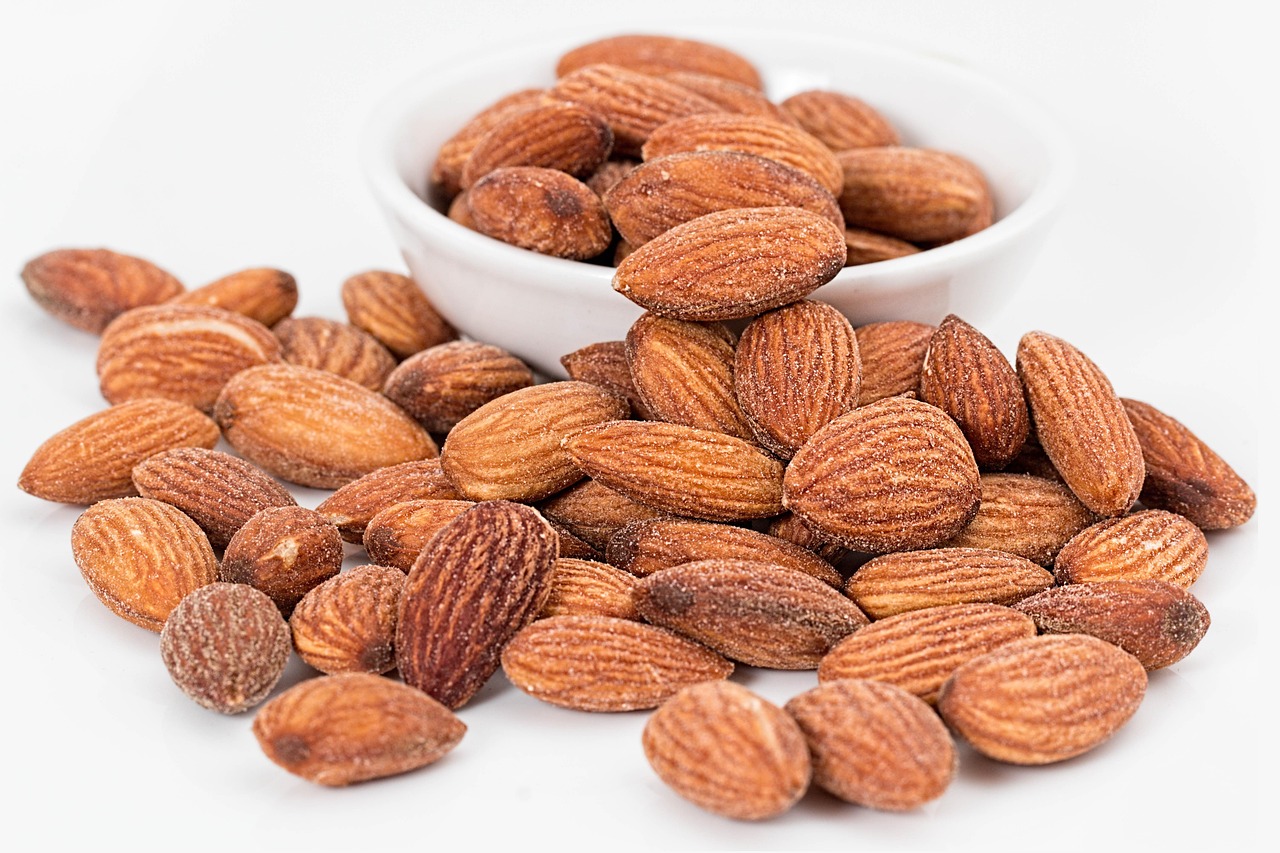
Dried fruits offer concentrated sweetness and portability, perfect for on-the-go snacking. Mix raisins, dried cranberries, and apricots for a simple trail mix, or stuff dates with almond butter for a satisfying bite-sized snack.
Veggie Snacks That Actually Get Eaten
Vegetables often face resistance from young eaters, but presentation makes all the difference. Crunchy carrot sticks, cucumber rounds, and bell pepper strips become infinitely more appealing when served with colorful dips like hummus, ranch dressing, or guacamole.
Create “veggie faces” on plates using cherry tomatoes for eyes, cucumber slices for smiles, and shredded carrots for hair. This playful presentation transforms vegetables from boring obligations into creative activities that engage children’s imaginations.
Roasted chickpeas seasoned with mild spices offer a crunchy alternative to chips, while sweet potato fries baked until crispy provide familiar comfort with added nutrition. Even picky eaters often enjoy corn on the cob cut into small rounds or edamame pods they can pop open themselves.
Protein-Powered Options for Sustained Energy
Protein-rich snacks help stabilize blood sugar and keep children satisfied between meals. Hard-boiled eggs can be transformed into “egg boats” by halving them and adding a small cheese sail on a pretzel mast, making protein fun and interactive.
String cheese, cheese cubes, and mini babybel rounds provide convenient protein portions. Turkey or chicken roll-ups with cream cheese create handheld snacks that feel special without requiring complicated preparation.
Greek yogurt parfaits layered with granola and berries offer protein, probiotics, and crunch in appealing presentations. Nut butter spread on whole grain crackers or apple slices delivers lasting energy and healthy fats that support brain development.
📅 Creating Your Weekly Snack Rotation Schedule
Organization is the secret ingredient to stress-free snacking. A visual rotation schedule helps both parents and children know what’s coming, reducing daily decision-making and creating anticipation.
The Theme-Based Approach
Assigning themes to different days makes planning intuitive and fun. “Fruity Friday” features fruit-based snacks, while “Veggie Tuesday” focuses on vegetable options. “Protein Power Monday” emphasizes eggs, cheese, and nut butters, and “Whole Grain Wednesday” showcases oatmeal bites, whole wheat crackers, and popcorn.
This thematic structure provides flexibility within boundaries. You’re not locked into specific recipes but rather categories that guide your choices. Children begin associating days with food groups, building their understanding of nutrition naturally.
The Color Wheel Method
Another engaging approach assigns colors to each day, ensuring visual variety and diverse phytonutrients. Monday might be orange day featuring carrots, oranges, and cheddar cheese. Tuesday becomes green day with cucumber, kiwi, and avocado-based snacks.
This method makes shopping easier as you mentally organize your grocery list by color. It also creates natural conversations about nutrition as children learn that different colored foods provide different vitamins and minerals.
🎨 Making Snack Time Interactive and Fun
Engagement transforms snack time from passive eating into memorable experiences. When children participate in preparation and presentation, they develop ownership over their food choices and become more adventurous eaters.
DIY Snack Stations
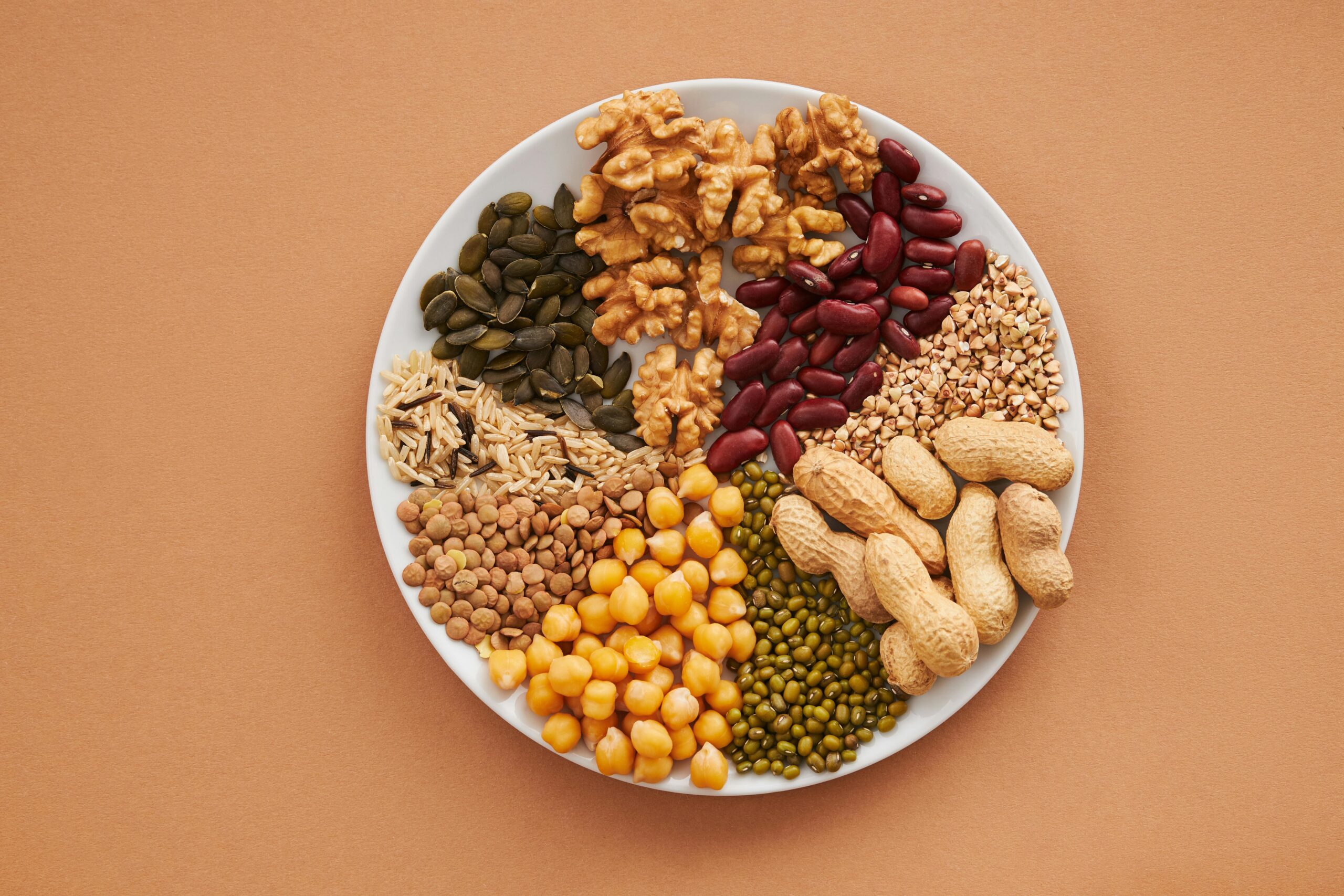
Set up simple build-your-own stations where kids assemble their snacks. A “trail mix bar” with various nuts, dried fruits, dark chocolate chips, and whole grain cereal lets children customize their combinations. A “yogurt parfait station” with plain yogurt, toppings, and mix-ins encourages creativity.
These stations work particularly well for multiple children with different preferences, eliminating the need to prepare individual snacks. They also teach portion awareness as kids learn to balance different components.
Snack Bento Boxes
Compartmentalized containers create visually appealing presentations that excite children. Fill sections with different colors and textures—cherry tomatoes in one compartment, cheese cubes in another, whole grain crackers in a third, and a small portion of dark chocolate chips as a treat.
The bento approach naturally controls portions while offering variety within a single serving. Children enjoy the treasure-hunt feeling of exploring different compartments, and parents appreciate the balanced nutrition in one convenient package.
🥗 Prep-Ahead Strategies for Busy Parents
Success with snack rotations often depends on advance preparation. Spending an hour on weekend meal prep can eliminate daily stress and ensure healthy options are always ready.
Batch Preparation Basics
Wash and cut vegetables for the entire week, storing them in water-filled containers to maintain crispness. Pre-portion fruits into small containers or bags, making grab-and-go options instantly available. Bake a large batch of homemade muffins, energy balls, or granola bars that can be frozen and thawed as needed.
Hard-boil a dozen eggs at once, storing them in the refrigerator for quick protein options throughout the week. Prepare large batches of hummus, guacamole, or yogurt-based dips that stay fresh for several days.
Smart Storage Solutions
Designate a specific refrigerator drawer or shelf as the “snack zone” where pre-portioned options live. This designated space empowers older children to make independent healthy choices while keeping snacks organized and visible.
Clear containers allow everyone to see what’s available at a glance. Label containers with days of the week or food groups to reinforce your rotation system and build children’s reading skills simultaneously.
🌟 Seasonal Snack Rotation Adaptations
Rotating snacks seasonally keeps your menu fresh and takes advantage of produce at peak flavor and affordability. Seasonal eating also connects children to natural cycles and teaches them about where food comes from.
Spring and Summer Snacks
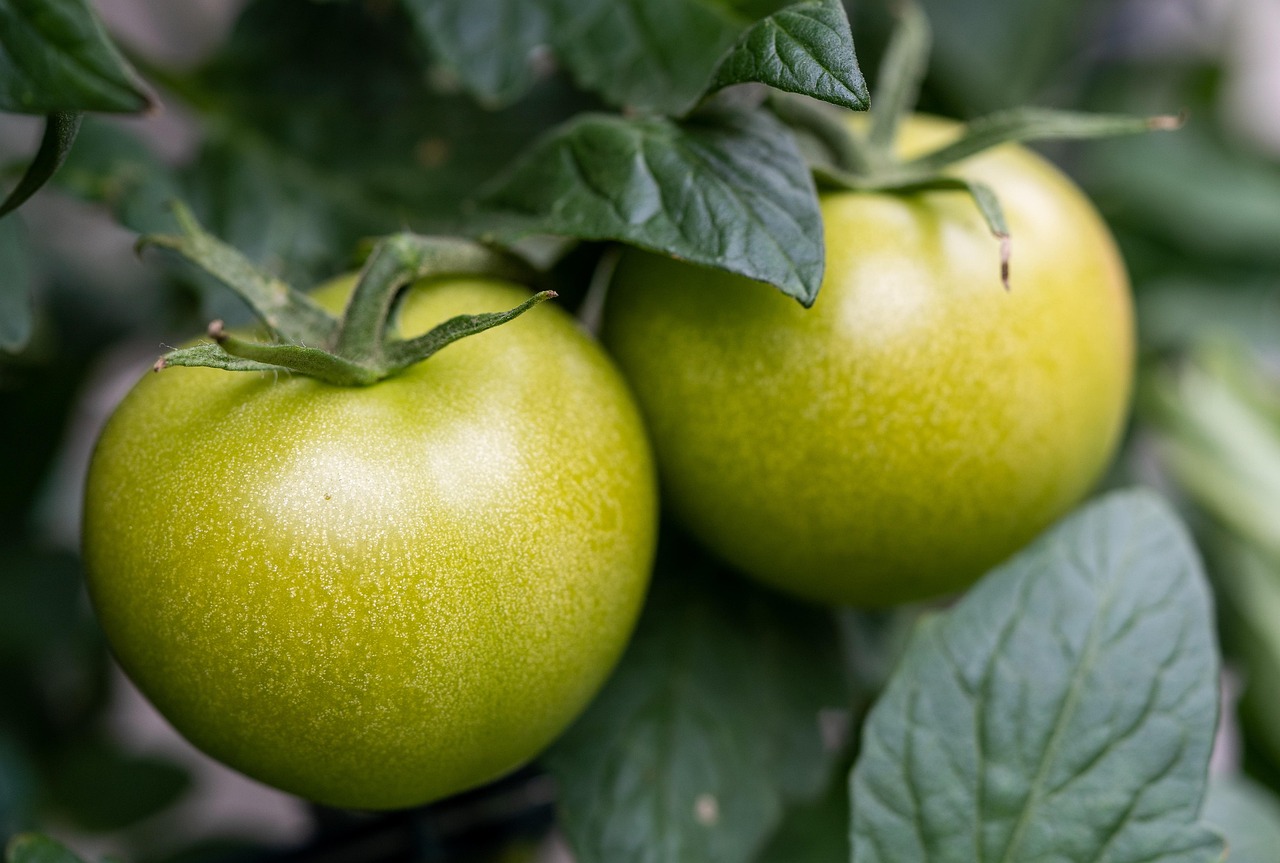
Warmer months call for refreshing options like frozen fruit bars, watermelon slices, and chilled cucumber rounds. Berries reach peak sweetness, making them perfect for fresh eating or blending into smoothies. Cherry tomatoes from summer gardens become sweet treats that kids genuinely enjoy.
Take advantage of outdoor time by creating “picnic snacks” that travel well—whole fruits, veggie sticks with portable dip containers, and homemade trail mixes that don’t melt in the heat.
Fall and Winter Warmth
Cooler seasons welcome cozy snacks like warm apple slices with cinnamon, roasted pumpkin seeds, and baked sweet potato rounds. Oranges and clementines provide vitamin C during cold season while being easy for small hands to peel.
Warm oatmeal made in muffin tins creates portable “oatmeal cups” that can be eaten cold or quickly reheated. Root vegetables roasted until caramelized develop sweetness that appeals to young palates.
🍪 Balancing Treats Within Healthy Rotations
Completely restricting treats often backfires, creating forbidden fruit syndrome. Instead, intentionally including occasional treats within your rotation teaches moderation and prevents the feeling of deprivation.
Designate one day weekly as “treat day” where something special appears—homemade cookies, a small portion of candy, or a favorite packaged snack. This predictability removes the constant negotiation about treats while teaching that all foods can fit within a balanced approach.
Make treats special by preparing them together. Baking simple cookies or making no-bake energy balls becomes quality time rather than just eating. Children learn that treats require effort and planning rather than being default options.
💡 Overcoming Common Snack Time Challenges
Even with perfect planning, challenges arise. Addressing common issues proactively helps your rotation system succeed long-term.
The “I’m Not Hungry” Declaration
When children refuse snacks, avoid forcing food but maintain the routine. Offer the scheduled snack without pressure, then calmly put it away if declined. Consistent meal and snack timing helps children recognize their hunger cues naturally.
Sometimes “not hungry” actually means “not interested in what’s offered.” Having a backup option from the same food group provides flexibility without becoming a short-order cook. If the veggie snack is refused, offering a different vegetable maintains boundaries while respecting preferences.
Texture Sensitivities
Many children experience genuine texture aversions that go beyond pickiness. If crunchy apples are rejected, try applesauce or thinly sliced varieties. If yogurt’s texture is problematic, blend it into smoothies. Respecting sensitivities while gently expanding comfort zones creates positive food relationships.
The Comparison Trap
When children notice friends eating different snacks, conversations about family values around nutrition become important. Explain that different families make different choices, and your family prioritizes feeling strong and energized. Avoid labeling foods as “good” or “bad,” which can create shame or obsession.
🎯 Adapting Rotations for Different Ages
Snack needs and capabilities vary dramatically across childhood stages. Tailoring your approach ensures age-appropriate safety and engagement.
Toddler Modifications
Young toddlers require soft textures and small pieces to prevent choking hazards. Steamed vegetable sticks, mashed avocado, small cheese cubes, and quartered grapes work well. Serve only a few pieces at a time to prevent overwhelm and waste.
Make snack time a sitting activity to promote safe eating and create routine. Simple, recognizable foods feel safest to developing palates, so repeat favorites frequently while slowly introducing new items alongside familiar ones.
Preschool and Elementary Approaches
Older children can handle more complex textures and enjoy participating in snack preparation. They can help assemble their own snack boxes, spread nut butter on crackers, and wash fruits and vegetables. This involvement builds confidence and life skills.
Create “snack charts” where children mark off what they’ve eaten, turning nutrition into a game. Some families use sticker systems or color-coded trackers that make the rotation visual and rewarding.
🌍 Budget-Friendly Rotation Ideas
Healthy snacking doesn’t require expensive specialty items or organic everything. Strategic shopping and simple preparations keep costs reasonable while maximizing nutrition.
Buy fruits and vegetables in season when prices drop and quality peaks. Frozen fruits and vegetables offer nutrition comparable to fresh options at lower costs and with longer shelf life, perfect for smoothies and cooked applications.
Purchase larger quantities of staples like oats, nuts, and dried fruits, then portion them yourself rather than buying individually packaged snacks. Making your own trail mixes, granola bars, and baked goods costs a fraction of prepared alternatives.
Focus on whole foods rather than processed “kid foods” marketed with colorful packaging. Plain yogurt costs less than individual tubes or cups, and you control the sweetness by adding your own fruit or honey.
🎉 Celebrating Success and Staying Flexible
Remember that perfect execution isn’t the goal—consistency with grace is. Some days you’ll nail the rotation, serving beautiful rainbow snacks with enthusiasm. Other days, you’ll grab whatever’s easiest, and that’s completely acceptable.
The rotation system exists to serve your family, not enslave you. If something isn’t working, adjust it. If your child suddenly despises something they loved last week, swap it out. Flexibility within structure creates sustainable habits rather than rigid rules that eventually break.
Celebrate small victories when children try new foods, eat vegetables without complaint, or express excitement about snack time. These positive associations build lifelong healthy relationships with food that extend far beyond childhood.
Your snack rotation journey is unique to your family’s preferences, schedule, and needs. Start simple with just a few go-to options for each food group, then gradually expand as you discover what works. Before you know it, snack time will transform from a source of stress into a highlight of your daily routine—a time of nourishment, connection, and joy that both you and your children genuinely look forward to experiencing together.