Travel snacking doesn’t have to be a chaotic afterthought. With proper planning and organization, you can transform your journey into a delicious, stress-free experience that keeps you energized and satisfied from departure to destination.

Whether you’re embarking on a cross-country road trip, boarding a long-haul flight, or taking a quick weekend getaway, having a structured travel snack calendar can make all the difference. The right snacks at the right time prevent hunger-induced meltdowns, save money on overpriced airport food, and ensure you have the energy to fully enjoy your adventures.
🗓️ Why You Need a Travel Snack Planning Calendar
A travel snack planning calendar is more than just a list of foods to pack. It’s a comprehensive system that helps you organize, prepare, and schedule your travel nutrition effectively. This approach eliminates last-minute convenience store runs, reduces food waste, and ensures you’re never caught hungry without options.
The benefits extend beyond mere convenience. Planning your travel snacks helps accommodate dietary restrictions, manage food allergies, and maintain healthy eating habits even when you’re away from home. You’ll also save significant money by avoiding expensive airport kiosks and highway rest stop vendors that charge premium prices for basic snacks.
Moreover, having a structured snack calendar reduces decision fatigue during travel. When you’re navigating unfamiliar airports, dealing with time zone changes, or managing travel stress, the last thing you want is to waste mental energy figuring out what to eat. Your calendar handles that for you.
Building Your Master Snack Planning System
Creating an effective travel snack calendar starts with understanding your journey’s timeline and your personal nutritional needs. Begin by mapping out your travel itinerary, noting departure times, layovers, time zone changes, and arrival schedules. This foundation helps you determine when you’ll need energy boosts and substantial snacks.
Assessing Your Snack Needs by Travel Type
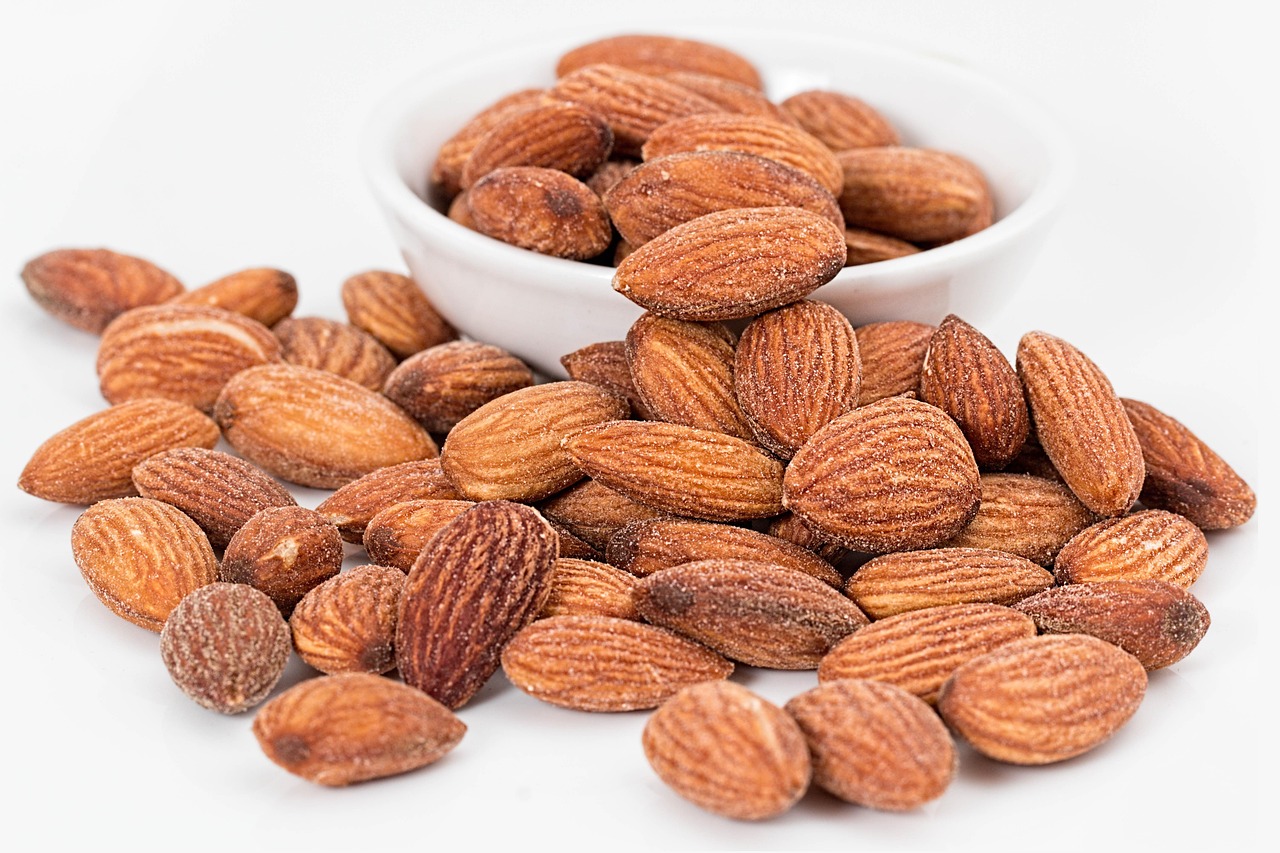
Different journeys require different snacking strategies. A three-hour domestic flight demands a different approach than a twelve-hour international voyage or a week-long road trip. Short trips under four hours might only need light snacks like nuts or granola bars, while longer journeys benefit from a more diverse selection including proteins, fruits, and satisfying treats.
Road trips offer the most flexibility since you control the environment and have cooler access. Air travel comes with liquid restrictions and limited storage, requiring shelf-stable options. Train travel typically allows more space and fewer restrictions, positioning it somewhere between the two extremes.
Creating Your Weekly Prep Schedule
Effective snack planning begins well before your departure date. Ideally, start your preparation one week before travel. This timeline allows you to shop thoughtfully, prepare homemade options, and avoid the stress of last-minute packing.
Seven days before departure, create your snack list based on your itinerary. Six days out, conduct an inventory check of your pantry and identify what you already have. Five days before, complete your grocery shopping. Four to three days prior, prepare any homemade snacks that have a decent shelf life. Two days before, purchase fresh items like fruits and vegetables. The day before departure, pack everything into designated containers and bags.
🍎 The Ultimate Travel Snack Categories
Organizing your snacks into categories helps ensure balanced nutrition and variety throughout your journey. Each category serves different purposes and timing needs during travel.
Energy-Boosting Protein Options
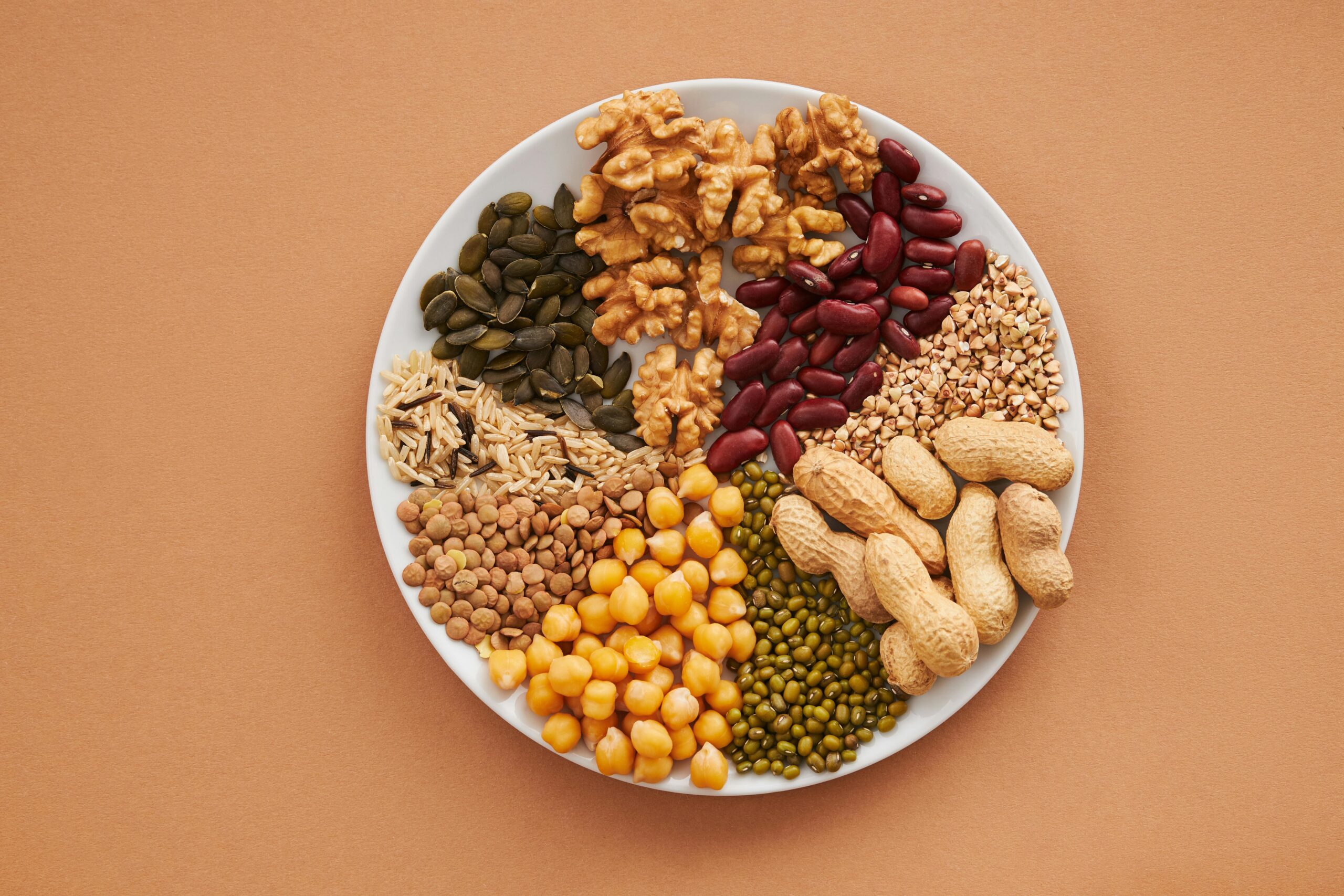
Protein-rich snacks keep you fuller longer and provide sustained energy without the crash that comes from sugar-heavy alternatives. Hard-boiled eggs travel surprisingly well for road trips when kept cool. Individual packets of nut butter pair perfectly with apple slices or whole-grain crackers. Beef jerky, turkey sticks, and plant-based jerky alternatives offer portable, shelf-stable protein sources.
String cheese and cheese cubes work well for shorter trips or when you have cooler access. Roasted chickpeas provide plant-based protein with satisfying crunch. Greek yogurt pouches or cups can travel for several hours when packed with ice packs in insulated bags.
Complex Carbohydrates for Sustained Energy
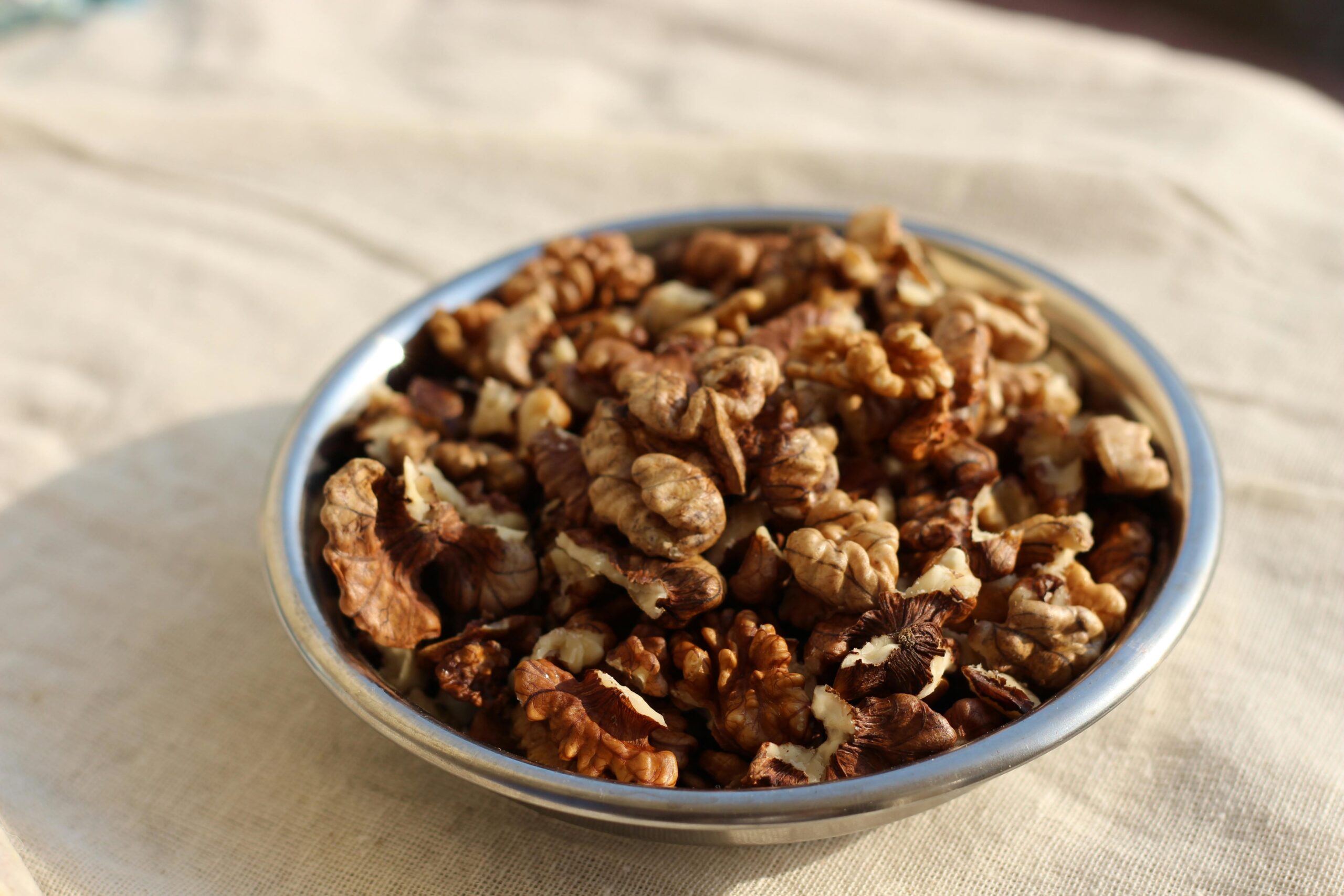
Whole grain crackers, pretzels, and rice cakes provide quick energy without excessive sugar. Homemade trail mix combining oats, nuts, and dried fruit offers customizable nutrition. Granola bars should be chosen carefully—look for options with whole grains, minimal added sugar, and recognizable ingredients.
Popcorn serves as an excellent low-calorie, high-fiber option that satisfies crunchy cravings. Whole grain tortillas or pita bread can be rolled with nut butter for a more substantial snack. Energy balls made from dates, nuts, and oats pack dense nutrition into small, portable bites.
Fresh Produce That Travels Well
Not all fruits and vegetables are created equal when it comes to travel durability. Apples, oranges, and clementines have natural protective peels and resist bruising. Grapes travel well in small containers and provide hydration along with natural sweetness. Baby carrots, snap peas, and celery sticks maintain their crunch for hours when properly packed.
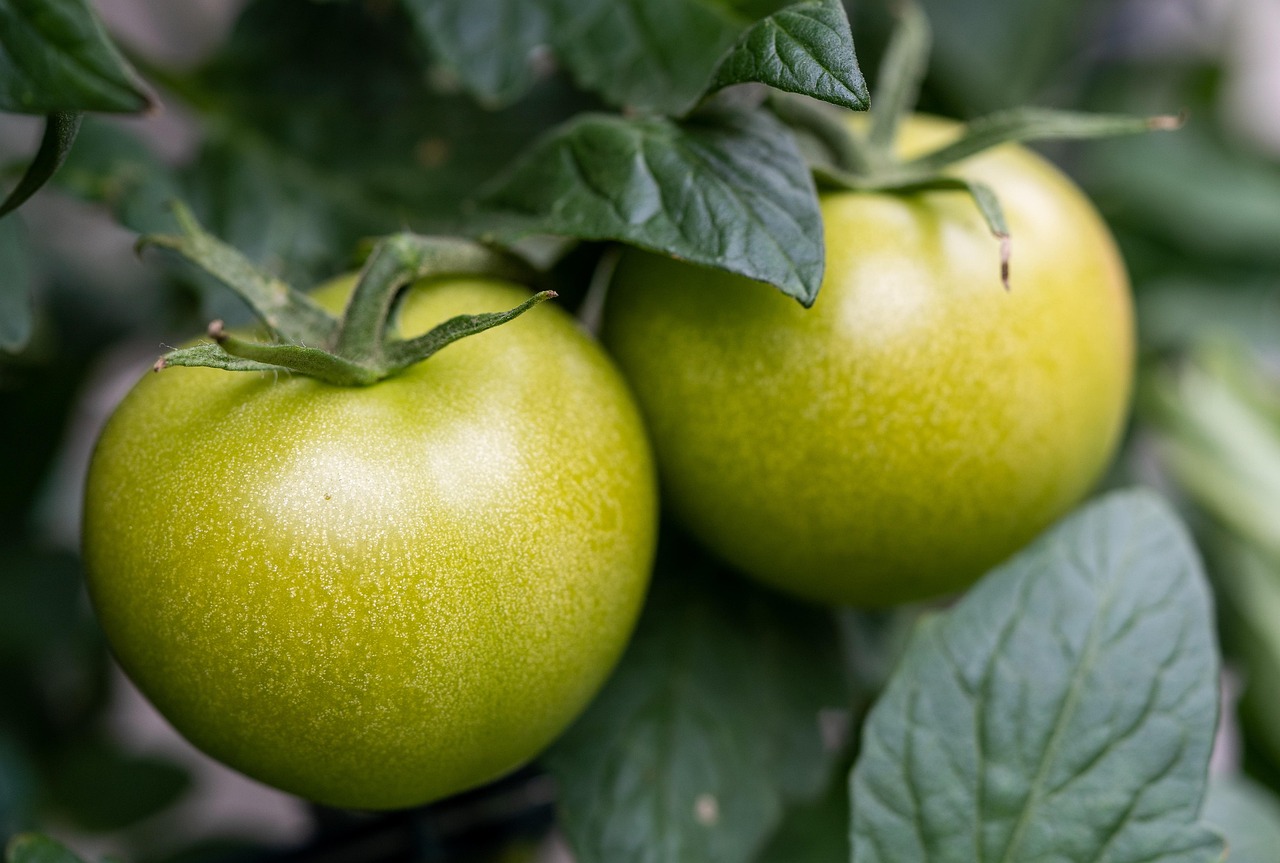
Bananas work for shorter trips but bruise easily in bags. Cherry tomatoes offer a savory fresh option. Pre-cut fruit should be consumed within a few hours unless kept cold. Dried fruit provides similar benefits when fresh isn’t practical, though watch portion sizes as the sugar concentration is higher.
Treat Yourself Options
Travel snacking shouldn’t feel like punishment. Including small indulgences keeps morale high and makes the journey more enjoyable. Dark chocolate squares provide antioxidants along with satisfaction. Small portions of cookies or crackers satisfy sweet cravings without derailing your nutrition.
Gummy candies can help with ear pressure during flights. Salted nuts or seeds satisfy savory cravings while providing beneficial fats. The key is moderation and balance—treats should complement, not dominate, your snack selection.
⏰ Timing Your Snacks Throughout Your Journey
When you eat matters almost as much as what you eat during travel. Strategic snack timing maintains stable blood sugar, prevents extreme hunger, and helps your body adapt to new time zones.
Pre-Departure Snacking Strategy
Eat a substantial meal one to two hours before departure. This prevents starting your journey already hungry but allows enough time for digestion. Pack a small snack in an easily accessible pocket or bag for consumption during security lines or boarding processes, when you can’t access your main luggage.
For early morning departures, prepare grab-and-go breakfast items the night before. Overnight oats in jars, breakfast sandwiches wrapped tightly, or smoothie packs ready to blend ensure you don’t skip the most important meal.
In-Transit Snacking Rhythm
Establish a snacking rhythm of every two to three hours during travel. This interval prevents extreme hunger while avoiding constant eating. Set phone reminders if needed, especially during engaging activities when you might forget to eat.
During long flights, align your snacking with destination time zones rather than your origin timezone. This helps your body begin adjusting before arrival, reducing jet lag effects. Drink water regularly between snacks to stay hydrated, as travel environments tend to be dehydrating.
Arrival Day Considerations
Keep snacks readily available for your first few hours at your destination. Hotel check-ins might happen before restaurant availability, or you might be too tired to search for food immediately. Having familiar snacks on hand eases the transition and provides comfort in a new environment.
🎒 Packing and Organization Strategies
How you pack your snacks significantly impacts their condition upon arrival and your ability to access them when needed. Proper organization prevents crushed crackers, melted chocolate, and frustrating bag searches.
Container Selection and Preparation
Invest in quality reusable containers in various sizes. Hard-sided containers protect delicate items like crackers and cookies. Silicone bags work well for sandwiches and softer items while taking up minimal space. Mason jars excel for layered snacks, overnight oats, or salads.
Label containers with contents and packing dates, especially when preparing multiple days in advance. Use clear containers when possible so you can identify contents without opening them. Ensure all lids seal completely to prevent spills and maintain freshness.
Strategic Bag Organization
Designate one bag or section specifically for snacks. This centralization prevents scattering items throughout multiple bags and makes inventory checks simple. Within your snack bag, organize items by timing—put snacks you’ll need first in the most accessible locations.
Pack crushable items on top, heavier items on the bottom. Use clothing or towels as padding between fragile snack containers and other luggage items. For road trips, create a dedicated snack bin or cooler that stays within reach rather than buried in the trunk.
Temperature Management
Invest in a quality insulated lunch bag or soft cooler for items requiring temperature control. Freeze water bottles overnight and use them as ice packs—they keep food cold while providing drinking water as they melt. Separate cold and room-temperature items to extend the effectiveness of your cooling system.
For air travel, understand that TSA regulations prohibit ice packs that are fully frozen solid, but gel ice packs that are partially frozen or slushy typically pass through security. Check current regulations before traveling, as rules occasionally change.
📱 Digital Tools to Enhance Your Planning
Technology can streamline your snack planning process and ensure nothing gets forgotten. Several apps help with meal planning, grocery shopping, and travel organization.
Meal planning apps allow you to create and save favorite snack combinations, generate shopping lists automatically, and set preparation reminders. Many include nutritional information to help you maintain balanced snacking throughout your journey.
Calendar apps with reminder functions ensure you complete each preparation step on schedule. Create recurring templates for regular trips to save time on future planning. Share calendars with travel companions so everyone knows the snack schedule and can contribute.
Note-taking apps help you document what worked well and what didn’t after each trip. Over time, you’ll develop a personalized database of successful travel snacks and timing strategies specific to your preferences and travel styles.
🌍 Destination-Specific Considerations
Different destinations present unique challenges and opportunities for travel snacking. Research customs regulations, climate conditions, and local food availability before finalizing your snack calendar.
International Travel Regulations
Many countries prohibit bringing fresh fruits, vegetables, meats, and dairy products across borders. Research agricultural import restrictions for your destination and any connection countries well in advance. When in doubt, consume or dispose of questionable items before customs inspection rather than risk fines or confiscation.
Packaged, commercially sealed snacks generally pass through customs more easily than homemade items. Keep original packaging and receipts when possible. Declare all food items honestly on customs forms to avoid complications.
Climate-Appropriate Snacking
Traveling to hot climates requires avoiding chocolate, cheese, and other items that melt or spoil quickly. Focus on dried fruits, nuts, crackers, and other heat-stable options. Conversely, cold destinations allow greater flexibility with temperature-sensitive items.
Humidity affects food differently than dry heat. In humid environments, prioritize individually wrapped items or those in well-sealed containers to prevent sogginess. Silica gel packets in your snack bag can help absorb excess moisture.
💰 Budget-Friendly Snack Planning
Creating an effective travel snack calendar doesn’t require expensive specialty items or breaking your budget. Strategic shopping and preparation keep costs reasonable while maximizing quality and nutrition.
Bulk Buying and Preparation
Purchase nuts, dried fruits, and grains in bulk and portion them into reusable containers at home. This approach costs significantly less per serving than buying pre-portioned packages. Make large batches of homemade granola bars or energy balls and freeze portions for future trips.
Store brands often match name brands in quality for basic items like nuts, crackers, and dried fruit. Compare unit prices rather than package prices to identify true value. Shop sales and stock up on non-perishable favorites when prices drop.
Minimizing Waste
Plan portions carefully based on realistic consumption rather than overpacking “just in case.” Pack versatile items that work for multiple meals or snack times. Bring empty containers or bags to store opened items for later consumption rather than discarding partially eaten snacks.
Rotate your travel snack supplies with your home pantry to use items before expiration. Track what you actually consume during trips and adjust future planning accordingly to reduce waste.
🧘 Stress-Free Travel Through Snack Planning
The psychological benefits of organized snack planning extend far beyond simple hunger prevention. Knowing you have satisfying options readily available reduces travel anxiety and creates a sense of control in unpredictable situations.
For families traveling with children, a snack calendar prevents countless “I’m hungry” complaints and the associated stress. Kids can participate in planning and preparation, giving them ownership over food choices and making them more likely to eat what’s packed.
Solo travelers benefit from the comfort of familiar foods in unfamiliar places. Having reliable snacks reduces pressure to eat at restaurants for every meal, allowing you to save those experiences for when you genuinely want them rather than out of desperation.
Making Your Calendar Adaptable and Sustainable
The most effective travel snack calendar evolves based on experience and changing needs. After each trip, spend a few minutes evaluating what worked well and what didn’t. Note which snacks remained uneaten, which disappeared immediately, and any gaps you experienced.
Create templates for different trip types—weekend getaways, international flights, road trips, and business travel each benefit from slightly different approaches. Having proven templates saves planning time for future journeys while allowing customization for specific situations.
Consider seasonal variations in your planning. Summer travel benefits from lighter, more hydrating snacks, while winter journeys might call for heartier, warming options. Fresh produce availability changes throughout the year, affecting both options and prices.
Sustainability should factor into your long-term planning. Invest in quality reusable containers, bags, and utensils that eliminate single-use packaging. Choose snacks with minimal packaging when possible. Gradually build a collection of go-to recipes for homemade options that reduce reliance on processed, packaged products.
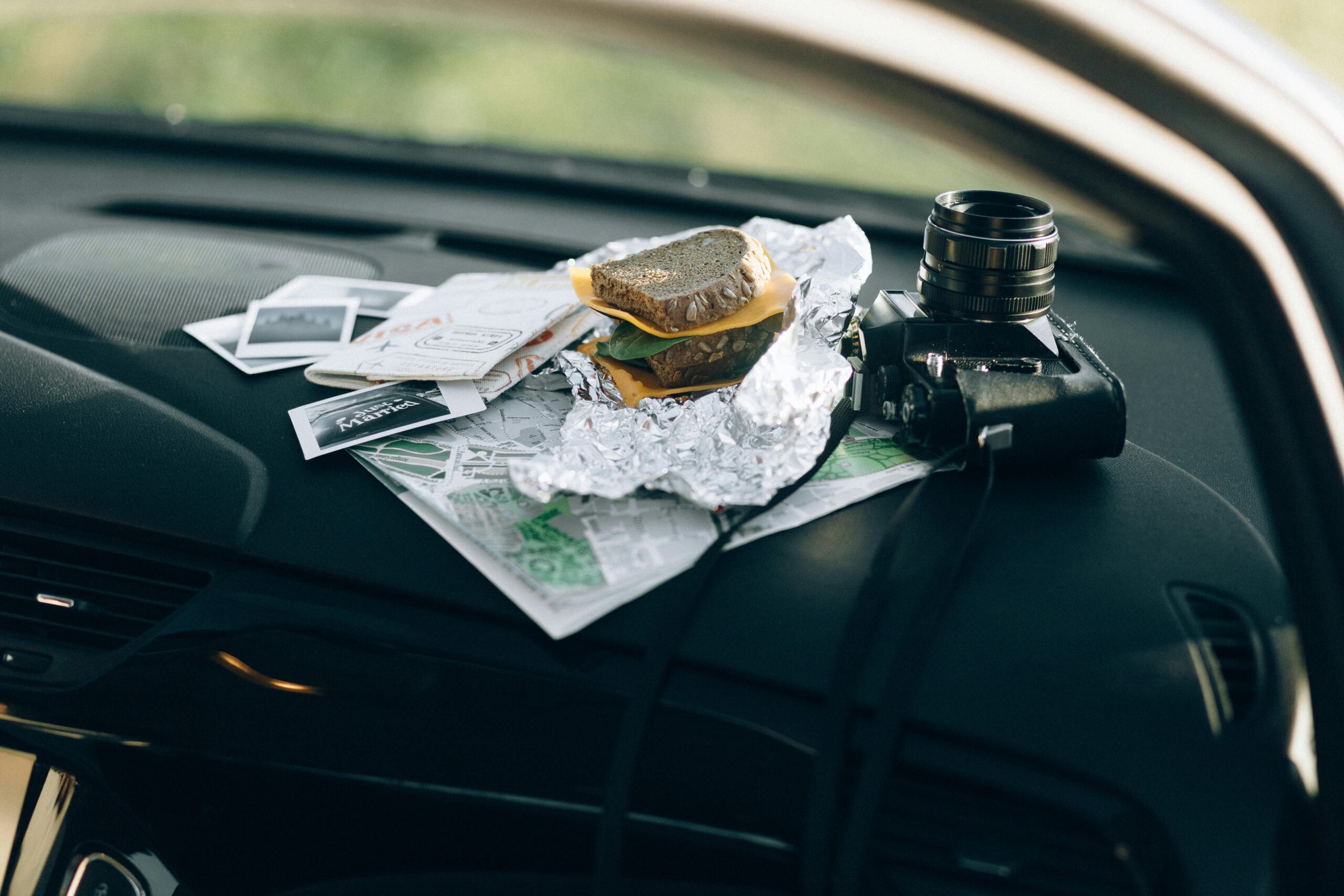
Your Journey to Organized Travel Snacking Starts Now
Implementing a comprehensive travel snack planning calendar transforms travel from a potentially stressful experience into an organized, satisfying adventure. You’ll arrive at destinations energized rather than depleted, having saved money and maintained your nutritional standards throughout the journey.
Start small if the full system feels overwhelming. Begin with planning snacks for a single upcoming trip using the strategies outlined here. Notice the difference in your travel experience compared to previous unplanned journeys. The benefits quickly become apparent, motivating you to refine and expand your system.
Remember that perfection isn’t the goal—improvement is. Your first snack calendar might have gaps or miscalculations, and that’s perfectly fine. Each journey provides data to inform better planning for the next adventure. Over time, snack planning becomes second nature, requiring minimal time and mental energy while delivering maximum benefits.
The organized, satisfied, and stress-free travel you’ve always wanted is entirely achievable through thoughtful snack planning. Your calendar serves as both a practical tool and a commitment to treating yourself well during journeys. Bon voyage and happy snacking! 🧳✈️