Snack time doesn’t have to be a daily struggle filled with repetitive choices and last-minute pantry raids. A weekly rotating snack calendar can revolutionize how your family approaches those hungry moments between meals, bringing structure, excitement, and nutritional balance to everyone’s day.

Whether you’re a busy parent trying to juggle work and home life, or simply someone looking to bring more organization to your household routine, implementing a snack calendar system offers countless benefits. From reducing decision fatigue to ensuring dietary variety, this simple planning tool can transform one of the most frequent daily activities into something everyone looks forward to.
🎯 Why Your Family Needs a Rotating Snack Calendar
The average family makes dozens of food-related decisions every single day. When it comes to snacks, many households fall into monotonous patterns, reaching for the same crackers, cookies, or chips repeatedly. This repetition not only leads to nutritional gaps but also diminishes the joy that snack time should bring.
A rotating snack calendar eliminates the guesswork while introducing intentional variety. Instead of opening the pantry and wondering what to grab, family members know exactly what’s planned for each day. This structure particularly benefits children, who thrive on predictable routines while still enjoying the element of surprise that comes with daily rotation.
Beyond convenience, this system helps parents ensure their children receive balanced nutrition throughout the week. By planning ahead, you can deliberately incorporate fruits, vegetables, whole grains, proteins, and dairy into your snack rotation, rather than defaulting to whatever processed option is most convenient in the moment.
Creating Your Foundation: Understanding Snack Categories
Before building your calendar, it’s helpful to understand the different categories of snacks that should rotate through your weekly plan. Nutritionists recommend balancing five main snack categories to ensure comprehensive nutritional coverage.
Fresh and Fruity Options 🍎
Fruits provide natural sweetness, essential vitamins, and fiber that keeps everyone satisfied. Fresh fruit snacks can include apple slices with nut butter, berry bowls, banana bites, orange segments, melon cubes, or fruit kebabs. These options work especially well for morning or afternoon snacks when energy levels need a natural boost.
Consider seasonal availability when planning fruit-based snacks. Summer brings berries and stone fruits, while fall offers apples and pears. Shopping seasonally not only saves money but also teaches children about natural food cycles and sustainable eating habits.
Crunchy Vegetable Choices 🥕
Vegetables often get overlooked during snack time, but creative presentation can make them irresistible. Carrot sticks, cucumber rounds, bell pepper strips, cherry tomatoes, celery boats, and snap peas become much more appealing when paired with hummus, ranch dip, or guacamole.
The key to successful vegetable snacks is preparation. Pre-cutting vegetables at the beginning of the week and storing them in clear containers makes grabbing them as easy as reaching for chips. Visual accessibility dramatically increases consumption, especially among younger children.
Protein-Packed Selections 💪
Protein snacks provide lasting energy and help stabilize blood sugar levels throughout the day. Options include hard-boiled eggs, cheese cubes, yogurt, string cheese, turkey roll-ups, nut butter on whole grain crackers, trail mix, or edamame. These snacks are particularly important for active kids and teens who need sustained energy for sports and school activities.
Whole Grain Goodness 🌾
Whole grains offer fiber and complex carbohydrates that provide steady energy without the crash associated with refined sugars. Whole grain crackers, popcorn, granola bars, oatmeal cookies, whole wheat pretzels, and rice cakes all fit into this category. When selecting packaged options, reading labels becomes crucial to avoid products loaded with hidden sugars and artificial ingredients.
Treat Yourself Options 🍪
A sustainable snack calendar includes intentional treat days. Rather than completely eliminating cookies, chips, or sweet treats, scheduling them creates balance and prevents the forbidden fruit syndrome that can lead to unhealthy relationships with food. One or two designated treat days per week teaches moderation while still allowing everyone to enjoy their favorites.
Building Your Weekly Snack Calendar: A Practical Framework
Creating your calendar starts with understanding your family’s unique needs, schedules, and preferences. A successful calendar balances structure with flexibility, ensuring variety while remaining realistic about preparation time and budget constraints.
Monday Through Sunday: A Sample Rotation
Here’s a practical example of how a weekly snack calendar might look for a family with school-age children:
Monday – Fresh Start: Apple slices with almond butter and a handful of granola. This combination provides natural sweetness, protein, and crunch to combat Monday morning blues.
Tuesday – Veggie Power: Rainbow vegetable sticks with hummus and whole grain crackers. The colorful presentation makes vegetables more appealing, especially when children can dip and interact with their food.
Wednesday – Protein Boost: Greek yogurt parfait with berries and a drizzle of honey. Layer ingredients in clear cups so children can see the appealing layers.
Thursday – Grain Day: Air-popped popcorn seasoned with parmesan cheese and a side of fruit. This provides whole grains, calcium, and natural sweetness in one satisfying snack.
Friday – Fun Treat: Homemade trail mix with chocolate chips, or favorite store-bought cookies. Designating Friday as treat day gives everyone something to look forward to at week’s end.
Saturday – Creative Combo: Cheese cubes, whole grain crackers, and grapes arranged on a mini snack board. Weekend snacks can be more elaborate since time pressure is reduced.
Sunday – Prep Day Special: Smoothie bowls or energy balls made together as a family. Use Sunday to involve children in preparation while creating connection time.
Implementation Strategies That Actually Work
Having a plan is only half the battle; successful implementation requires specific strategies that make execution effortless even during busy weeks.
Visual Display Methods 📅
Print or create a visual calendar that displays the week’s snack rotation in a prominent location. The refrigerator, pantry door, or family command center all work well. Use pictures alongside words so younger children who can’t read yet still understand what’s coming each day.
Consider using a dry-erase board or chalkboard for your snack calendar. This allows easy modifications when schedules change or when you discover a new favorite that deserves regular rotation. Some families enjoy using magnetic systems where snack pictures can be moved around for customization.
Batch Preparation Techniques ⏰
Dedicate one or two hours each weekend to snack preparation. Wash and cut vegetables, portion trail mix into individual bags, bake a batch of homemade muffins or energy balls, and prepare any dips or spreads needed for the week. This upfront investment saves significant time during hectic weekday moments.
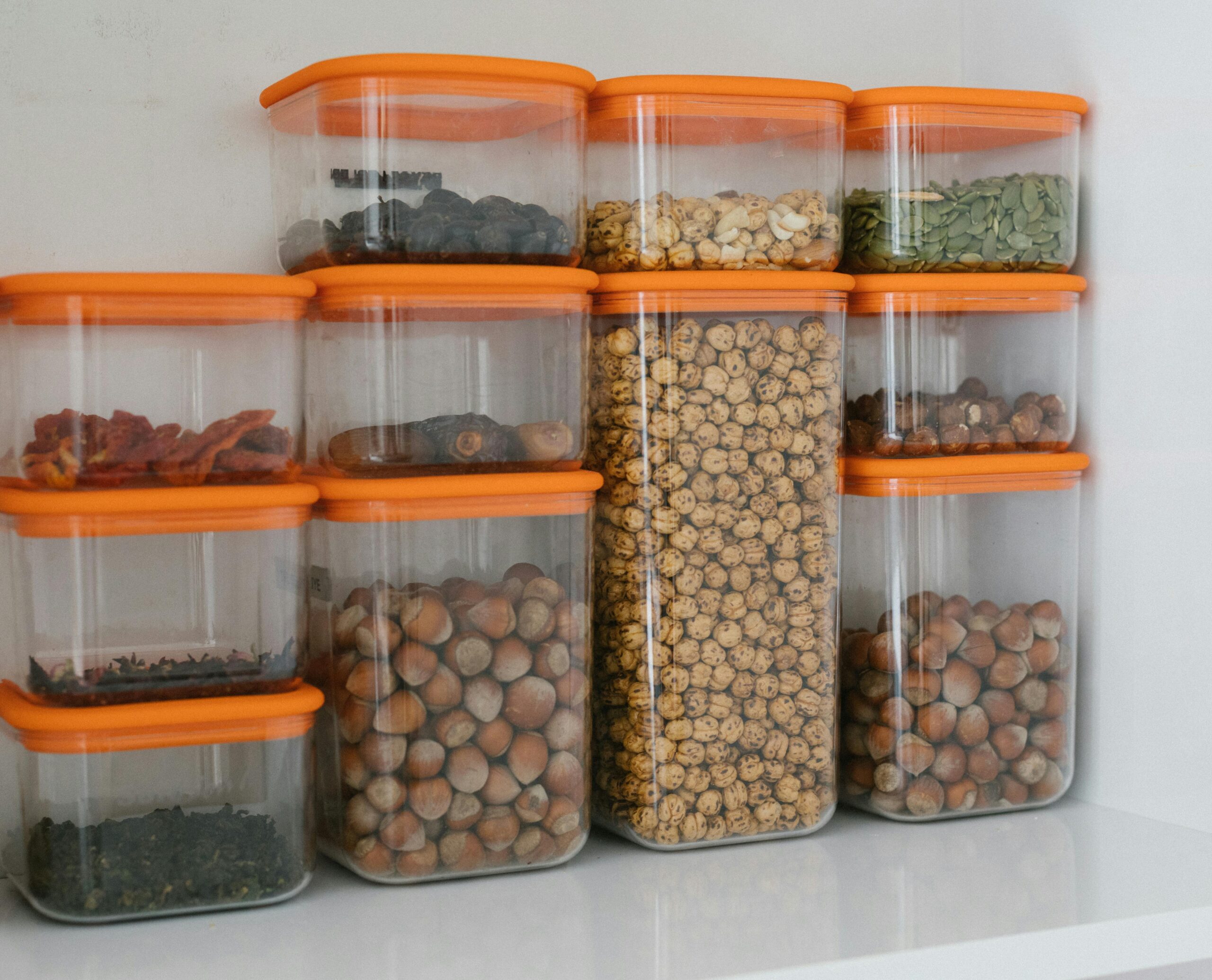
Storage containers designed specifically for snack preparation can streamline this process. Divided containers allow you to create grab-and-go snack packs with multiple components already combined. Label containers with days of the week to make distribution completely foolproof.
Shopping Smart for Rotation Success 🛒
Your snack calendar should inform your grocery shopping list. Before heading to the store, review the upcoming week’s snack plan and purchase exactly what you need. This targeted approach reduces food waste, controls spending, and ensures you have everything necessary to execute your plan.
Keep a running inventory of pantry staples that support your snack rotation: nut butters, whole grain crackers, dried fruits, nuts, seeds, and shelf-stable items that can fill gaps when fresh options run low. Maintaining these foundations means you’re never completely without options.
Adapting Your Calendar for Different Ages and Stages
One calendar doesn’t fit all families. Your snack rotation should evolve based on the ages, developmental stages, and specific needs of family members.
Snack Calendars for Toddlers and Preschoolers 👶
Young children require frequent small meals and snacks throughout the day. Their calendar should emphasize soft, easy-to-chew options with minimal choking hazards. Focus on nutrient-dense choices that support rapid growth and development.
Involve toddlers and preschoolers by letting them help place snack pictures on the calendar. This builds anticipation and helps develop early planning skills. Keep portions appropriate to their small stomachs, typically around 100-150 calories per snack.
Elementary School Age Calendars 🎒
School-age children can take more ownership of their snack calendar. Involve them in planning by letting each child choose one snack per week. This builds decision-making skills while ensuring they’ll actually eat what’s planned.
Pack snacks according to the calendar for school lunches, creating consistency between home and school eating patterns. Many teachers appreciate when parents share the family snack calendar, as it can inform classroom celebrations and activities.
Teen and Tween Modifications 🧑🎓
Teenagers need larger portions and often require multiple snacks daily due to growth spurts and increased activity levels. Their calendar should include options they can prepare independently, fostering self-sufficiency while ensuring nutritional needs are met.
Give teens complete autonomy over certain days, allowing them to plan, shop for, and prepare their chosen snacks. This teaches valuable life skills including budgeting, meal planning, and nutrition awareness that will serve them well into adulthood.
Handling Special Dietary Needs and Preferences
Modern families often juggle multiple dietary requirements, from allergies and intolerances to ethical choices like vegetarianism. Your snack calendar should accommodate these needs without creating extra work.
Allergy-Friendly Alternatives 🥜
Common allergens like nuts, dairy, eggs, and gluten require creative substitutions. Sunflower seed butter replaces peanut butter, coconut yogurt substitutes for dairy versions, and gluten-free crackers swap seamlessly for wheat-based options. Plan these substitutions directly into your calendar rather than making last-minute accommodations.
Color-code your calendar if different family members have different dietary needs. This visual system prevents cross-contamination and ensures everyone knows which snacks are safe for whom.
Vegetarian and Vegan Rotations 🌱
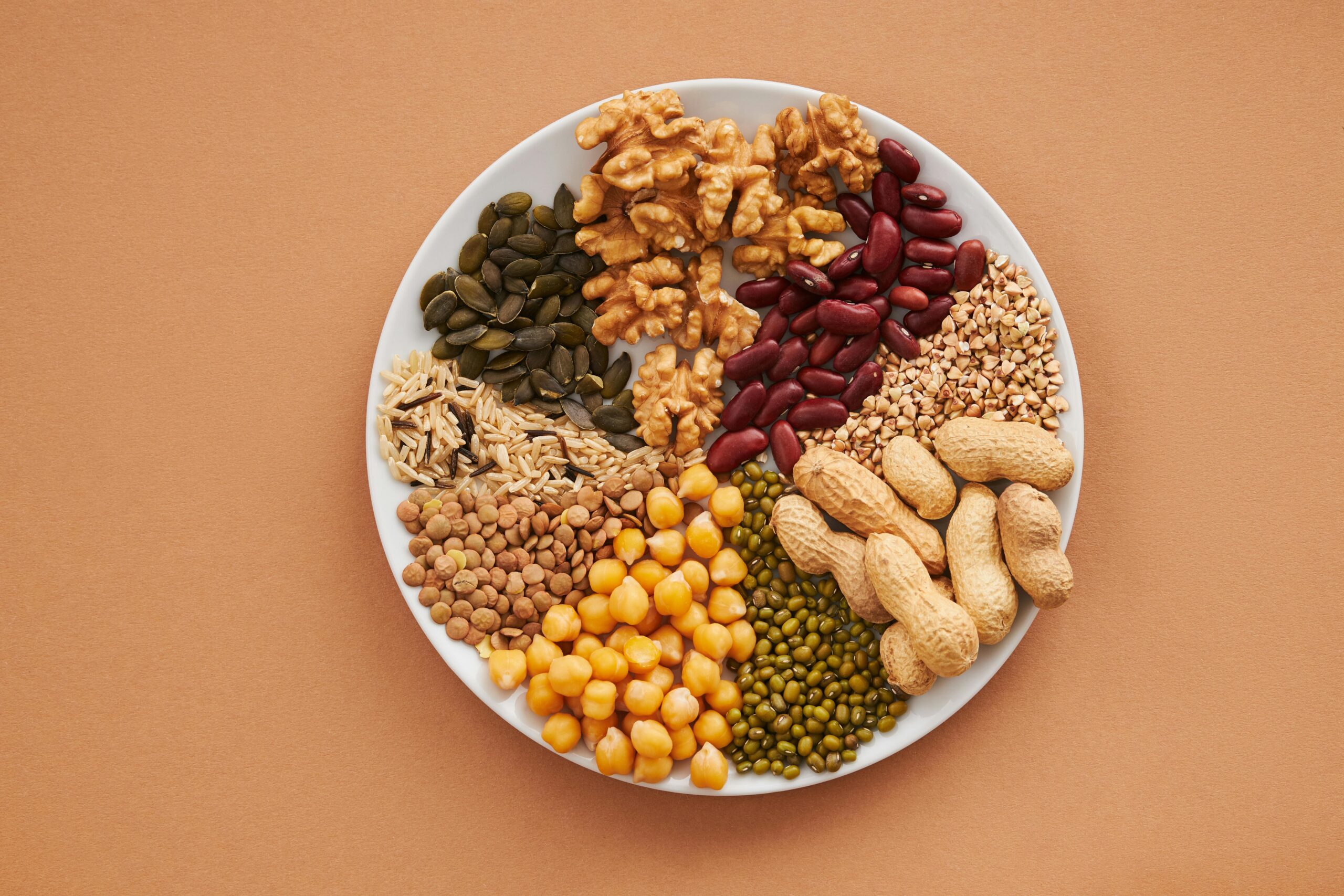
Plant-based snack calendars emphasize legumes, nuts, seeds, fruits, vegetables, and whole grains. Focus on protein-rich options like chickpea snacks, nut-based energy balls, edamame, and bean dips to ensure adequate nutrition without animal products.
Maximizing Variety Without Overwhelming Complexity
The beauty of a rotating snack calendar lies in its balance between variety and simplicity. You want enough diversity to keep things interesting without creating a planning burden that becomes unsustainable.
Seasonal Rotation Strategy 🍂
Rather than planning infinitely different snacks, create four seasonal calendars that rotate throughout the year. Winter calendars emphasize hearty options like warm oatmeal cookies and roasted chickpeas, while summer focuses on fresh fruits and cold snacks like frozen yogurt bites.
This seasonal approach aligns with natural produce availability, keeps costs reasonable, and provides enough variety to prevent boredom while maintaining manageable planning requirements.
Theme Days for Extra Fun 🎉
Adding weekly themes increases engagement without complicating execution. “Tropical Tuesday” might feature pineapple and coconut-based snacks, while “Mediterranean Monday” could include hummus, olives, and cucumber. These themes make the calendar educational, exposing children to different cultures and cuisines through accessible snack options.
Measuring Success and Making Adjustments
After implementing your snack calendar for several weeks, evaluate what’s working and what needs modification. Success metrics extend beyond simple compliance to include factors like reduced stress, improved nutrition, decreased food waste, and enhanced family satisfaction.
Getting Family Feedback 💬
Hold monthly family meetings where everyone shares their favorite snacks from recent rotations and suggests new options to try. This collaborative approach ensures the calendar evolves with changing preferences and keeps everyone invested in the system.
Create a simple rating system where family members can indicate which snacks were hits and which missed the mark. Use this data to refine future calendars, gradually building a rotation that maximizes satisfaction across all household members.
Flexibility When Life Happens 🔄
The most sustainable calendars build in flexibility for inevitable disruptions. Unexpected schedule changes, budget fluctuations, or simple snack fatigue are normal. Keep a list of five emergency backup snacks that require minimal preparation and use pantry staples you always have on hand.
Remember that some weeks will follow the calendar perfectly while others might deviate significantly. The goal isn’t perfection but rather having a framework that generally guides your snack decisions toward healthier, more varied, and less stressful outcomes.
Budget-Conscious Calendar Planning 💰
A rotating snack calendar doesn’t require expensive specialty items or gourmet ingredients. Strategic planning actually reduces snack-related spending by preventing impulse purchases and utilizing ingredients across multiple uses.
Buy produce on sale and adjust your calendar accordingly. If strawberries are discounted this week, swap them in for the originally planned berries. Purchase larger quantities of shelf-stable items when they’re on sale, knowing you’ll rotate through them systematically rather than letting them expire unused.
Homemade versions of popular snacks cost significantly less than packaged alternatives. Dedicate one weekend monthly to making large batches of granola bars, energy balls, or baked goods that can be frozen and rotated into your calendar as needed.
Building Lasting Healthy Habits Through Structure
Beyond immediate convenience, a snack calendar instills valuable long-term habits in children and adults alike. Regular meal and snack timing helps regulate appetite hormones, preventing the extreme hunger that leads to poor food choices and overeating.
Children who grow up with structured snack rotations develop better relationships with food. They learn that all foods can fit into a balanced diet, that variety matters for health, and that planning ahead reduces stress. These lessons extend far beyond childhood, shaping lifetime eating patterns and attitudes toward nutrition.
The predictability of a snack calendar also reduces food-related anxiety for picky eaters. Knowing what’s coming allows them to mentally prepare, and seeing the same favorites appear regularly provides comfort while gradually introducing new options builds adventurous eating.
Transforming Snack Time Into Family Connection Time
Perhaps the most underestimated benefit of a rotating snack calendar is how it creates natural opportunities for family connection. Preparing Sunday snacks together becomes quality time, discussing the upcoming week’s options at dinner builds communication, and enjoying scheduled treats together creates positive associations with family togetherness.
Use snack time as a screen-free zone where family members actually interact. Even five minutes of conversation over afternoon snacks strengthens relationships and provides daily check-in opportunities that busy families often miss.
The simple act of planning together teaches children that their preferences matter, that family decisions can be collaborative, and that taking care of ourselves and each other through good nutrition is an expression of love.
A weekly rotating snack calendar transforms one of the most frequent daily activities from a source of stress into an opportunity for health, variety, and family connection. Start simple with just a few rotating options, gradually building complexity as the system becomes second nature. The investment of a few hours in planning and preparation yields returns in reduced stress, improved nutrition, decreased food waste, and happier family members who actually look forward to snack time.