Snacking doesn’t have to drain your wallet or compromise your health goals. With strategic planning and a smart rotation calendar, you can enjoy delicious treats throughout the entire month while staying within budget.

The art of budget-friendly snacking lies in thoughtful preparation, seasonal awareness, and creative variety. By implementing a structured approach to your snack choices, you’ll discover that eating well and saving money aren’t mutually exclusive—they’re perfectly compatible goals that enhance your overall lifestyle and well-being.
🗓️ Why You Need a Snack Rotation Calendar
A snack rotation calendar transforms random munching into an intentional eating strategy. Instead of grabbing whatever’s available or making impulse purchases at convenience stores, you’ll have a predetermined plan that maximizes flavor diversity while minimizing costs. This approach prevents snack fatigue, reduces food waste, and keeps your taste buds excited throughout the month.
The financial benefits are remarkable. Studies show that households with meal and snack planning reduce their grocery bills by 20-30% compared to those who shop without a strategy. Beyond savings, a rotation calendar helps you maintain nutritional balance, prevents last-minute unhealthy choices, and gives you complete control over ingredients and portion sizes.
Building Your Budget-Friendly Foundation
Before creating your rotation calendar, establish your snacking budget. A realistic monthly snack budget for one person typically ranges from $30-$60, depending on dietary preferences and household size. This translates to approximately $1-$2 per day—perfectly adequate when you’re shopping smart and preparing snacks at home rather than buying pre-packaged options.
Focus on versatile base ingredients that can transform into multiple snack varieties. Oats, for instance, can become overnight oats, granola bars, energy balls, or baked oatmeal cups. Chickpeas transform into roasted snacks, hummus, or chickpea cookie dough. This ingredient flexibility maximizes your investment while keeping variety high.
Essential Pantry Staples for Smart Snacking
Stock your pantry with these affordable, long-lasting ingredients that form the backbone of countless snack options:
- Rolled oats and quick oats for granola, bars, and energy bites
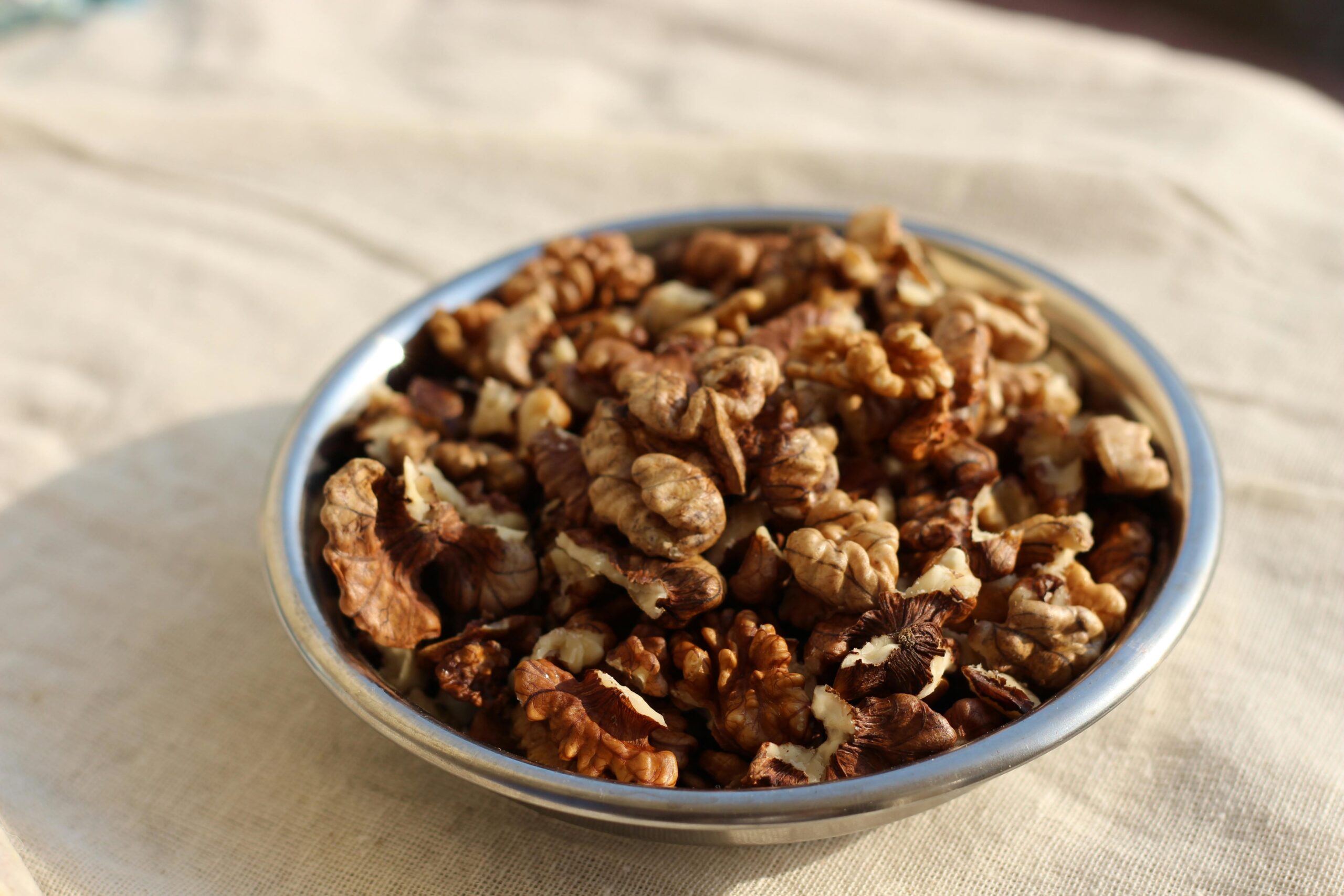
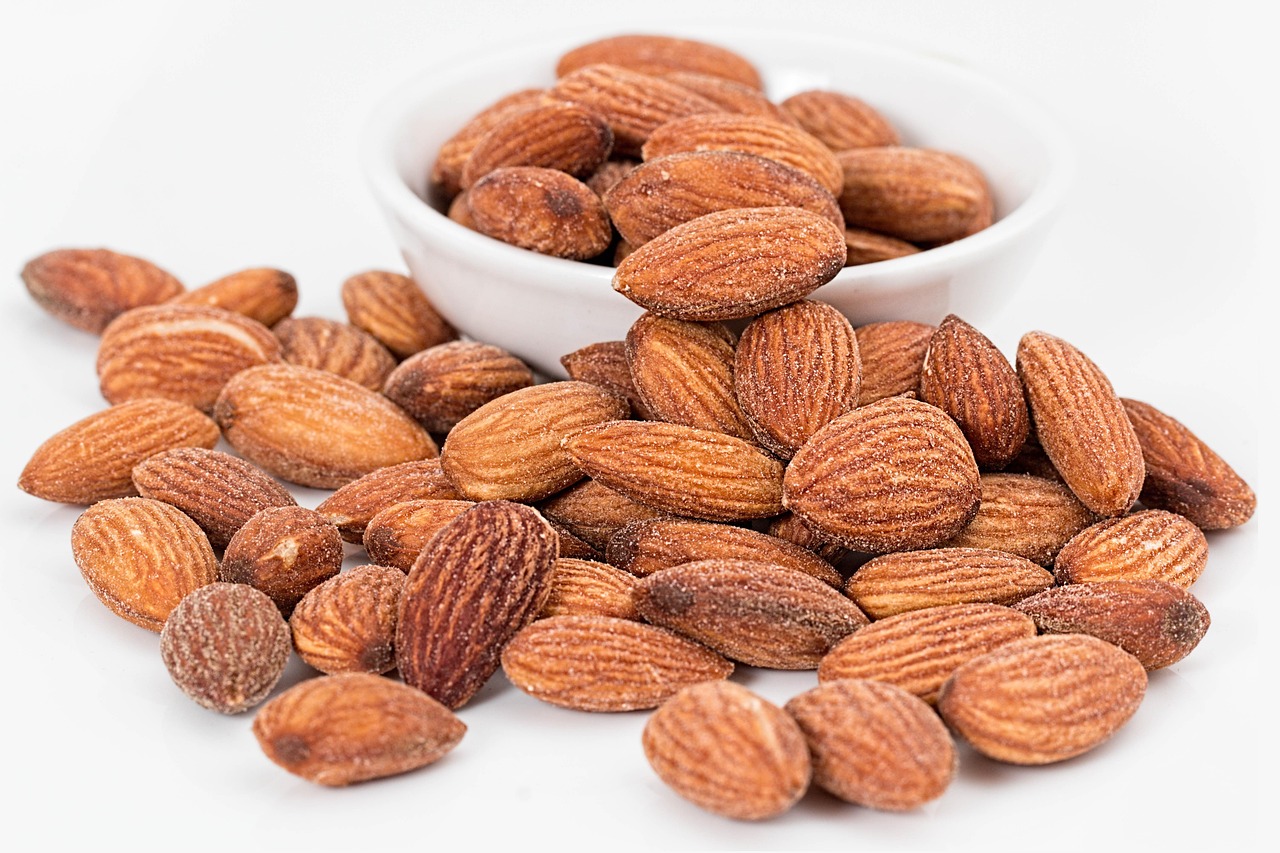
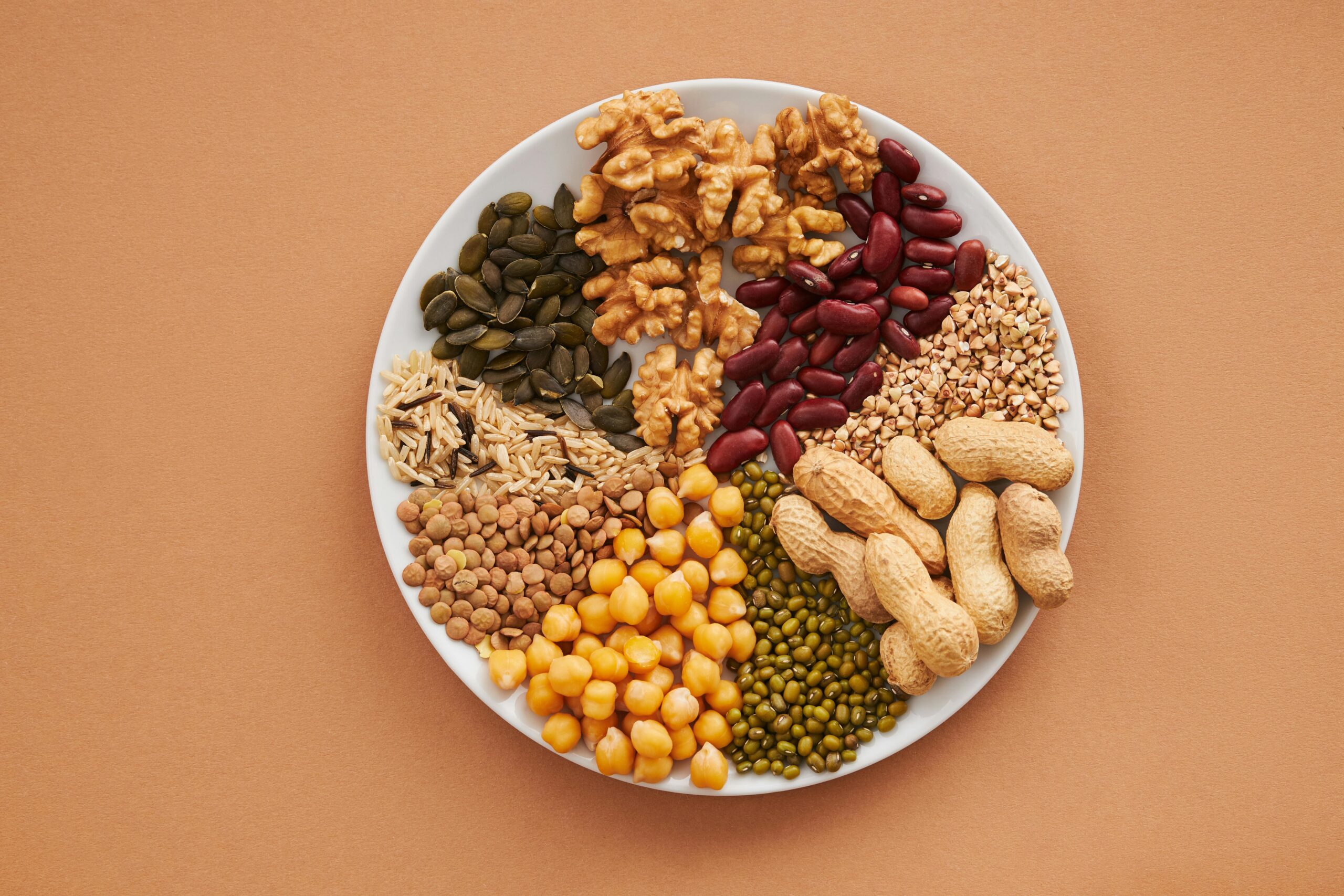
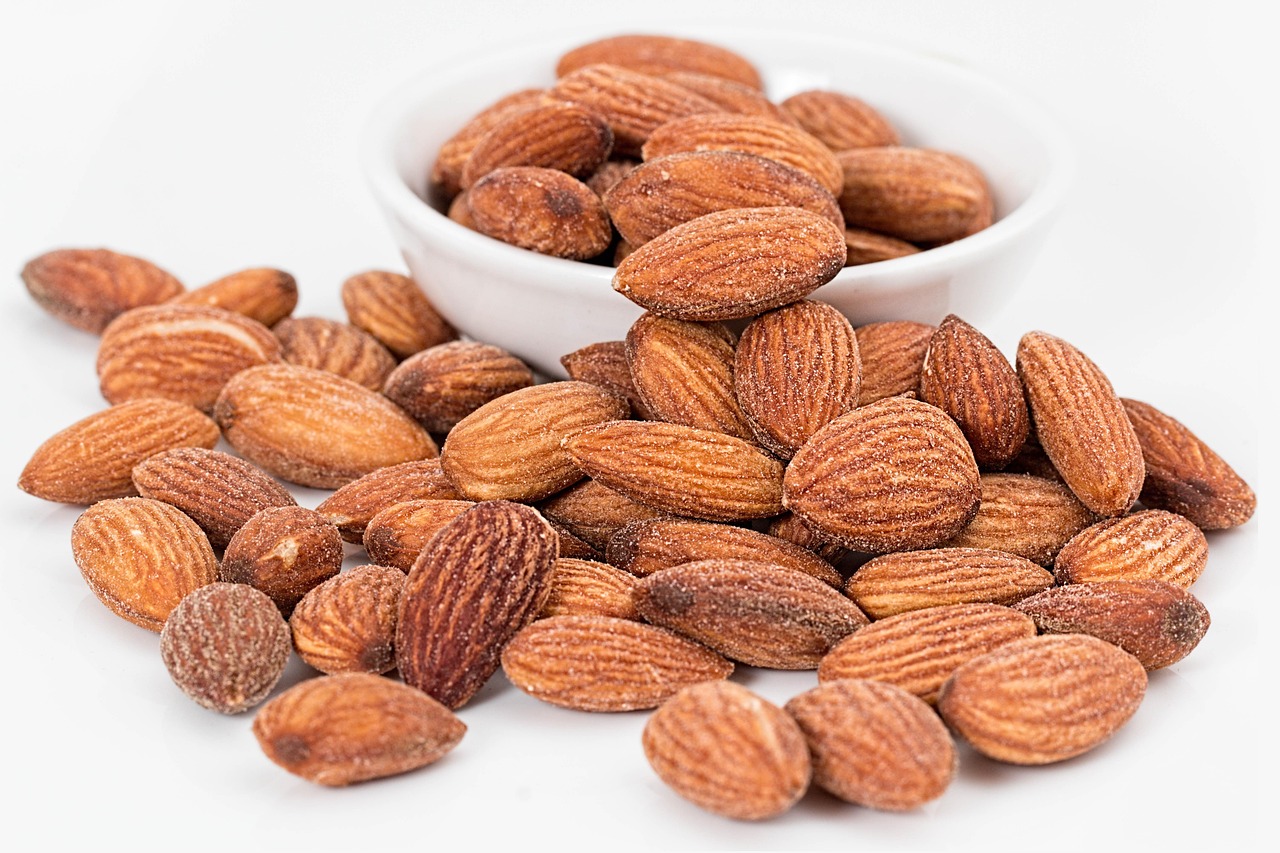
- Nuts and seeds purchased in bulk (almonds, peanuts, sunflower seeds)
- Natural peanut butter or almond butter during sales
- Whole grain crackers, rice cakes, or popcorn kernels
- Canned chickpeas and beans for protein-rich snacks
- Honey, maple syrup, or dates as natural sweeteners
- Dark chocolate chips for occasional treats
- Whole wheat flour and baking essentials
- Spices and seasonings for flavor variety
🍎 The Four-Week Snack Rotation Strategy
The most effective snack calendar follows a four-week rotation pattern, organized by snack categories that repeat with variations. This structure provides familiarity while preventing boredom, and it simplifies your shopping routine by creating predictable patterns you can optimize over time.
Week One: Fruit-Forward Snacks
Begin your month with fruit-based snacks that capitalize on whatever’s in season and on sale. Seasonal fruits cost 30-50% less than out-of-season options, making this strategy both budget-friendly and flavorful. Purchase a variety of fresh fruits on sale, along with frozen options for smoothies and baked goods.
Snack ideas include apple slices with peanut butter, banana “nice cream,” frozen fruit smoothie packs, homemade fruit leather, berry parfaits with yogurt, orange segments with dark chocolate, and baked cinnamon apple chips. Prep fruit at the beginning of the week by washing, cutting, and storing in portion-controlled containers for grab-and-go convenience.
Week Two: Protein-Packed Options
The second week focuses on protein-rich snacks that provide sustained energy and satiety. These snacks typically cost more per serving than carbohydrate-based options, but their filling nature means you’ll eat less overall, balancing the cost equation.
Featured snacks include hard-boiled eggs seasoned with everything bagel spice, Greek yogurt topped with honey and nuts, homemade protein energy balls, roasted chickpeas in various flavors, turkey or chicken roll-ups with cheese, cottage cheese with cucumber and tomatoes, and homemade trail mix with nuts and dried fruit.
Week Three: Whole Grain Creations
Mid-month, shift focus to satisfying whole grain snacks that provide fiber and complex carbohydrates. These ingredients are incredibly budget-friendly and versatile, making week three your most economical snacking period.
Options include homemade granola bars, air-popped popcorn with various seasonings, whole grain crackers with hummus, oatmeal energy bites, whole wheat mini muffins, rice cake combinations with toppings, and homemade baked pita chips with salsa or guacamole.
Week Four: Veggie-Centric Snacks
Close the month with vegetable-focused snacks that refresh your palate and boost nutrition. Purchase vegetables on markdown at week’s end when stores discount produce approaching sell-by dates, then prep immediately for the week ahead.
Enjoy carrot and celery sticks with homemade ranch dip, cucumber rounds with cream cheese and herbs, roasted vegetable chips (sweet potato, beet, zucchini), cherry tomatoes with mozzarella, bell pepper strips with hummus, snap peas with peanut sauce, and kale chips in various flavors.
💰 Shopping Strategies That Slash Snack Costs
Strategic shopping habits multiply the effectiveness of your rotation calendar. Always shop with a list derived from your weekly snack plan, avoiding impulse purchases that derail both budget and health goals. Shop store perimeters first, where whole foods are typically located, and venture into center aisles only for specific pantry staples.
Buy in bulk for items you use frequently, but calculate unit prices to ensure you’re actually saving money. Warehouse stores offer excellent value on nuts, seeds, oats, and dried fruits. However, only bulk-buy items with long shelf lives or that you can properly store to prevent waste.
Seasonal Shopping Calendar
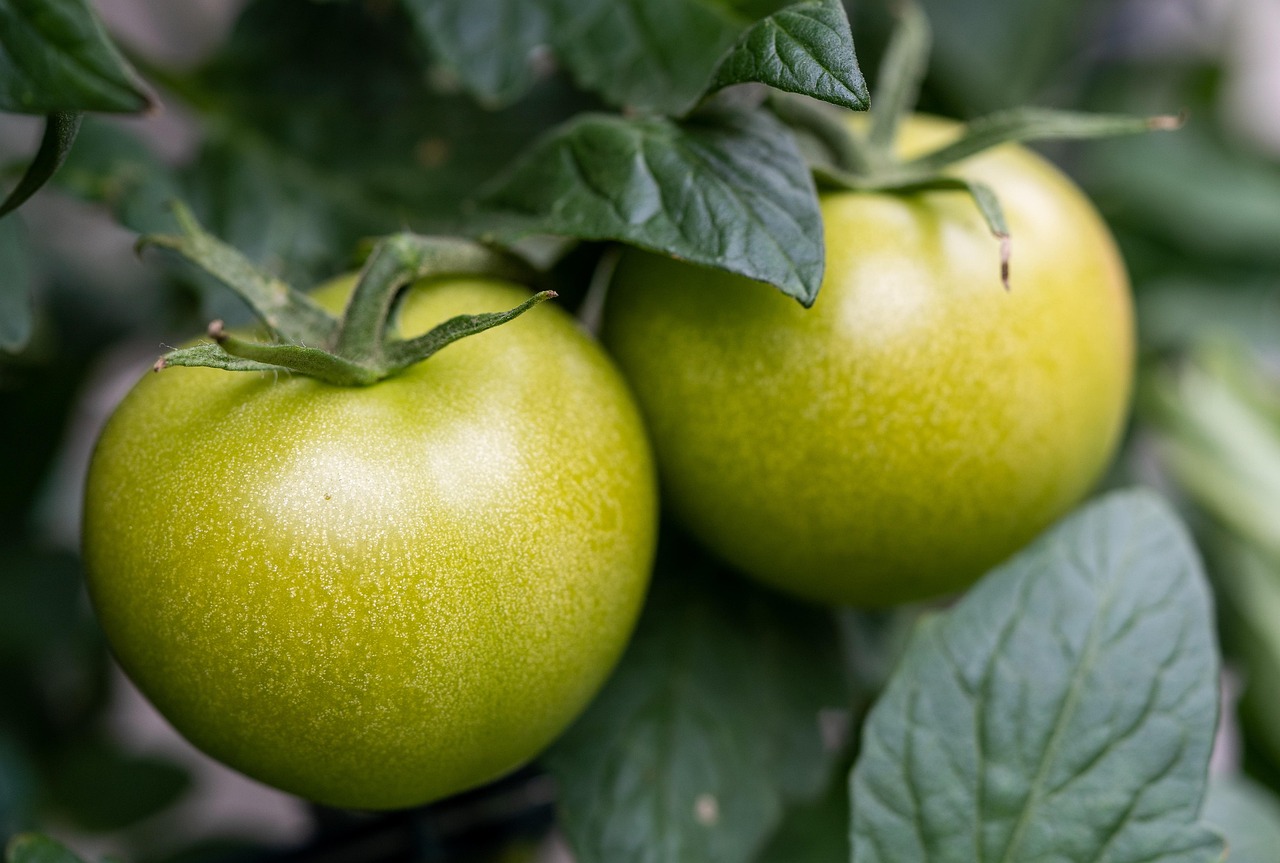
Align your snack choices with seasonal availability to maximize savings and flavor. Winter offers affordable citrus fruits, pomegranates, and root vegetables for roasting. Spring brings berries, asparagus, and early stone fruits. Summer delivers abundant melons, tomatoes, corn, and stone fruits at peak value. Fall provides apples, pears, squashes, and the best prices on nuts before holiday baking season.
🍪 Batch Preparation: Your Time-Saving Secret
Dedicate 2-3 hours monthly to batch-preparing snacks, and you’ll save countless hours throughout the weeks ahead. This concentrated prep session transforms raw ingredients into ready-to-eat options that rival convenience store snacks in accessibility while costing a fraction of the price.
Choose one afternoon to bake multiple batches of granola bars, energy balls, and muffins. While those bake, prep fresh vegetables and fruits, portion them into containers, and prepare dips and spreads. Roast several varieties of chickpeas or make a large batch of trail mix. Package everything in single-serving portions to prevent overeating and simplify daily choices.
Storage Solutions for Extended Freshness
Proper storage extends snack life and protects your investment. Store baked goods in airtight containers at room temperature for 3-5 days, refrigerate for up to two weeks, or freeze for up to three months. Keep cut fruits and vegetables in containers with damp paper towels to maintain crispness. Store nuts and seeds in the refrigerator or freezer to prevent rancidity from oil oxidation.
📱 Technology Tools for Snack Planning
Digital tools simplify rotation calendar management and shopping optimization. Grocery store apps alert you to weekly sales and digital coupons specific to your planned ingredients. Recipe apps help you discover new snack ideas using ingredients you already have, reducing waste and expanding your rotation repertoire.
Budgeting apps track your snack spending patterns over time, revealing opportunities for additional savings. Some apps even suggest meal and snack ideas based on ingredients you frequently purchase, creating a personalized rotation calendar that evolves with your preferences.
🌟 Creative Variations to Prevent Snack Boredom
The rotation calendar provides structure, but creativity keeps it exciting. Transform basic ingredients through simple variations that feel completely different. Popcorn becomes an entirely new snack with different seasonings: nutritional yeast for cheesy flavor, cinnamon and sugar for sweetness, curry powder for savory spice, or cocoa powder for chocolate indulgence.
Apply the same transformation principle to other base ingredients. Oats become overnight oats with different fruit combinations, baked oatmeal cups with various mix-ins, no-bake energy balls with rotating add-ins, or homemade granola with changing nut and seed profiles. This approach provides endless variety from minimal ingredients.
International Flavor Profiles
Explore global cuisines to expand your snack horizons without expanding your budget. Mediterranean-inspired snacks feature hummus, olives, and whole grain pita. Asian-influenced options include edamame, rice crackers with seaweed, and sesame-coated nuts. Mexican-inspired snacks showcase roasted chickpeas with chili lime, fresh salsa with baked tortilla chips, and black bean dip with vegetables.
🏆 Maximizing Nutrition Within Your Budget
Budget-friendly doesn’t mean nutrition-poor. In fact, whole food ingredients used in homemade snacks typically deliver superior nutrition compared to processed alternatives. Each week of your rotation calendar naturally emphasizes different nutrients: fruits provide vitamins and antioxidants, proteins support muscle maintenance and satiety, whole grains offer fiber and sustained energy, and vegetables contribute minerals and phytonutrients.
Balance macronutrients throughout the day by pairing snacks strategically. Combine carbohydrates with protein or healthy fats to slow digestion and maintain stable blood sugar. Apple slices with almond butter, whole grain crackers with cheese, or carrots with hummus exemplify this balanced approach.
Troubleshooting Common Snacking Challenges
When cravings strike for expensive or unhealthy options, have backup strategies ready. Keep a “emergency snack stash” of shelf-stable favorites like individual nut butter packets, dried fruit, or whole grain crackers. These prevent desperate convenience store runs that derail your budget.
If your prepared snacks aren’t getting eaten, reassess preferences honestly. Perhaps you’re batch-preparing foods you think you should eat rather than ones you actually enjoy. Modify your rotation calendar to emphasize genuinely appealing options—a budget-friendly snack you’ll actually eat beats a slightly cheaper option that gets wasted.
🎯 Tracking Success and Adjusting Your Calendar
Monitor your snack rotation calendar’s effectiveness through simple metrics. Track weekly grocery spending on snack ingredients, noting which weeks stay under budget and which exceed it. Count how many convenience store or vending machine purchases you avoid each week. Notice energy levels, satisfaction, and variety satisfaction throughout the month.
After completing one full four-week rotation, evaluate and adjust. Which snacks did you look forward to? Which felt like obligations? What ingredients went unused? Use these insights to refine your second-month calendar, gradually creating a personalized system that perfectly balances your taste preferences, nutritional needs, and budget constraints.
Building Long-Term Snacking Success
Your snack rotation calendar becomes more effective and efficient with each passing month. You’ll develop intuitive knowledge about which sales cycles to anticipate, which bulk purchases provide best value, and which preparation techniques save maximum time. Your collection of go-to recipes expands, and snack preparation becomes an effortless routine rather than a burdensome task.
The financial impact compounds over time. Money saved on snacks can redirect toward other financial goals, higher-quality ingredients when desired, or occasional splurges on special treats. More importantly, you’ll develop a sustainable relationship with snacking—one that supports your health, satisfies your cravings, and respects your budget throughout every season of life.
Smart snacking isn’t about deprivation or endless repetition. It’s about creating abundance within constraints, discovering that limitations actually spark creativity, and proving that the most satisfying treats are often the ones you’ve planned, prepared, and enjoyed with intention. Your rotation calendar is more than a budget tool—it’s a framework for food freedom, financial control, and delicious discovery all month long.