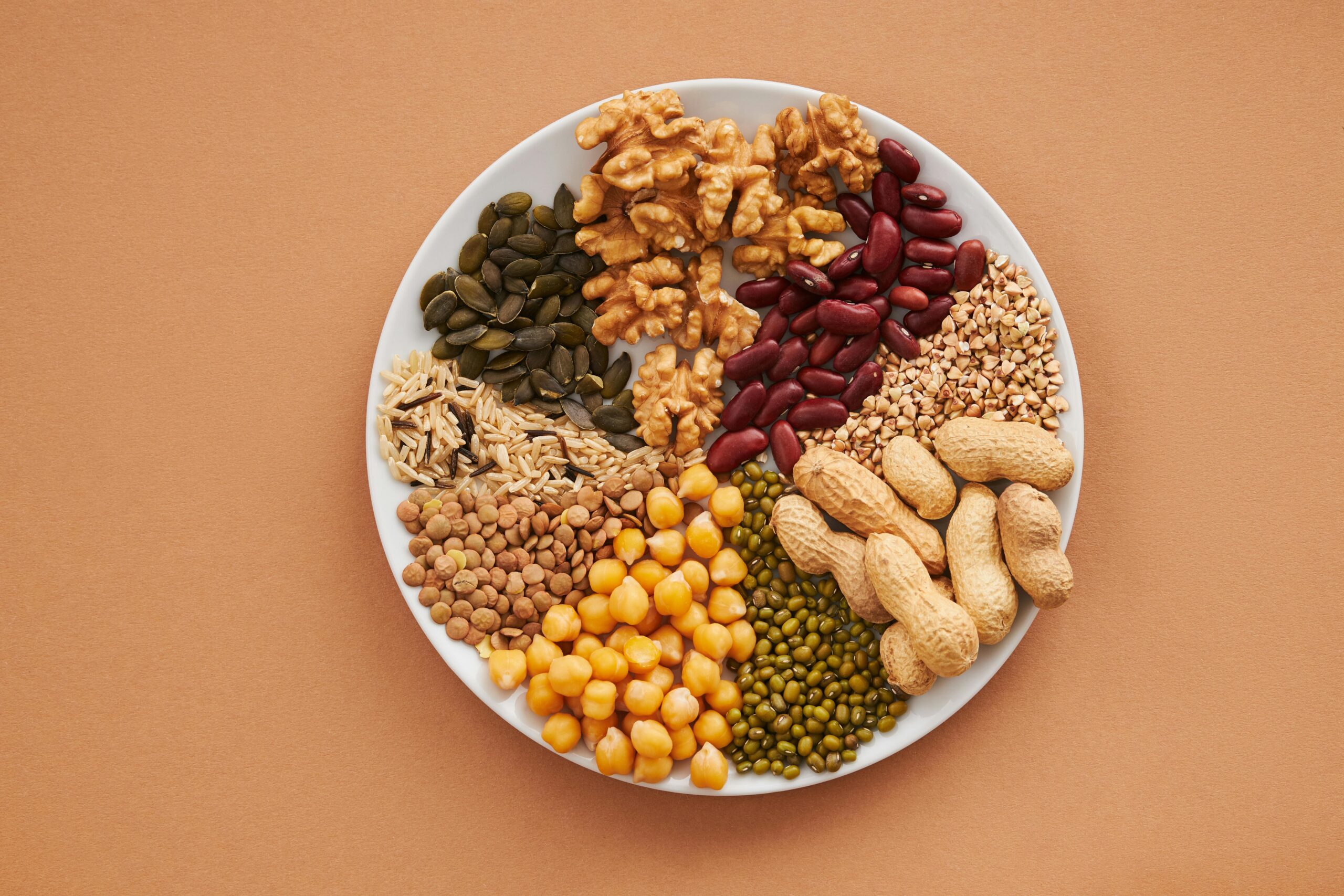
In today’s fast-paced world, achieving vibrant health through balanced eating can feel overwhelming. The secret lies in mastering nutrient variety planning to fuel your body optimally.

Whether you’re a busy professional, a fitness enthusiast, or simply someone who wants to feel energized throughout the day, understanding how to incorporate diverse nutrients into your diet is essential. This comprehensive guide will walk you through creating your ultimate nutrient variety planning checklist, transforming the way you approach food and wellness for life.
🌟 Why Nutrient Variety Matters More Than You Think
The human body is an incredibly complex system that requires over 40 different nutrients to function properly. No single food can provide everything your body needs, which is why variety becomes the cornerstone of optimal nutrition. When you eat a diverse range of foods, you’re essentially providing your body with a complete toolkit for repair, growth, and energy production.
Research consistently shows that people who consume a wider variety of nutrient-dense foods experience better overall health outcomes. They tend to have stronger immune systems, more stable energy levels, improved mental clarity, and reduced risk of chronic diseases. The colors, textures, and flavors on your plate aren’t just about culinary enjoyment—they represent different phytochemicals, vitamins, minerals, and antioxidants working synergistically to keep you thriving.
Understanding the Foundation: Macronutrients and Micronutrients
Before diving into your planning checklist, it’s crucial to understand the two main categories of nutrients your body requires daily. Macronutrients are needed in larger quantities and include proteins, carbohydrates, and fats. These provide energy and support major bodily functions. Micronutrients, though needed in smaller amounts, are equally vital and include vitamins, minerals, and phytonutrients.
The Macronutrient Trio
Proteins serve as the building blocks for muscles, enzymes, hormones, and immune cells. Quality protein sources should appear at every meal, whether from animal sources like fish, poultry, and eggs, or plant-based options like legumes, quinoa, and tempeh. Aim for variety here too—different protein sources provide different amino acid profiles and additional nutrients.
Carbohydrates are your body’s preferred energy source, particularly for brain function and high-intensity activities. Focus on complex carbohydrates from whole grains, vegetables, fruits, and legumes rather than refined options. These provide sustained energy along with fiber, vitamins, and minerals.
Healthy fats are essential for hormone production, nutrient absorption, brain health, and cellular function. Include sources like avocados, nuts, seeds, olive oil, fatty fish, and coconut in appropriate portions. The key is balancing omega-3, omega-6, and omega-9 fatty acids for optimal inflammation control.
🥗 Creating Your Ultimate Nutrient Variety Planning Checklist
Now let’s build your personalized checklist that ensures you’re covering all nutritional bases consistently. This systematic approach removes guesswork and makes healthy eating sustainable rather than restrictive.
The Rainbow Principle: Eating Across the Color Spectrum
One of the simplest yet most effective strategies for nutrient variety is eating foods from different color groups daily. Each color represents different phytonutrients with unique health benefits:
- Red foods (tomatoes, red peppers, strawberries, watermelon) contain lycopene and anthocyanins for heart health and cellular protection
- Orange and yellow foods (carrots, sweet potatoes, citrus, squash) provide beta-carotene and vitamin C for immune function and skin health
- Green foods (leafy greens, broccoli, kiwi, green beans) offer chlorophyll, folate, and iron for detoxification and blood health
- Blue and purple foods (blueberries, eggplant, purple cabbage, plums) deliver powerful antioxidants for brain health and aging
- White and tan foods (garlic, onions, mushrooms, cauliflower) contain allicin and selenium for immune support and inflammation reduction
Your Weekly Protein Rotation Checklist
Avoid falling into the trap of eating the same protein source repeatedly. Create a weekly rotation that includes various options to maximize amino acid diversity and prevent food sensitivities:
- Fatty fish (salmon, mackerel, sardines) – 2-3 times weekly for omega-3 fatty acids
- Poultry (chicken, turkey) – 2-3 times weekly for lean protein
- Legumes (lentils, chickpeas, black beans) – 3-4 times weekly for fiber and plant protein
- Eggs – 3-5 times weekly for complete protein and choline
- Grass-fed meats (beef, lamb) – 1-2 times weekly for iron and B vitamins
- Plant-based alternatives (tofu, tempeh, edamame) – 2-3 times weekly for isoflavones and protein diversity
📊 Strategic Meal Planning for Maximum Nutrient Density
Planning ahead is the difference between successful nutrient variety and haphazard eating. Dedicate time each week to outline your meals with intention, ensuring each day brings different nutrient combinations to your plate.
The Quarterly Rotation Strategy
While weekly planning is essential, thinking seasonally prevents dietary boredom and naturally introduces variety. Every three months, reassess your go-to foods and deliberately introduce new options. This approach aligns with seasonal produce availability, supports local agriculture, and keeps your palate excited about healthy eating.
During spring, emphasize fresh greens, asparagus, peas, and strawberries. Summer brings abundance with tomatoes, peppers, zucchini, berries, and stone fruits. Fall offers root vegetables, squashes, apples, and pears. Winter provides citrus fruits, cruciferous vegetables, and hearty greens. This natural rotation ensures you’re not missing out on seasonal nutrients.
Building Balanced Plates Using the Division Method
Visualize your plate divided into sections for easier nutrient balance. Half your plate should contain colorful vegetables and fruits, one quarter should feature quality protein, and the remaining quarter should include complex carbohydrates. Add a serving of healthy fats, and you’ve created a nutritionally complete meal without complicated calculations.
💪 Micronutrient Checkpoints: The Detail-Oriented Approach
While macronutrients get most of the attention, micronutrient adequacy truly determines whether you thrive or merely survive. Certain vitamins and minerals deserve special attention due to common deficiencies.
The Critical Micronutrients List
Vitamin D is essential for bone health, immune function, and mood regulation. If you live in northern climates or spend limited time outdoors, consider both food sources (fatty fish, fortified dairy, egg yolks) and supplementation after testing your levels.
Magnesium supports over 300 enzymatic reactions in your body. Include leafy greens, nuts, seeds, whole grains, and dark chocolate regularly. Many people remain deficient despite adequate intake due to stress and poor soil quality.
Iron is particularly important for menstruating women and those following plant-based diets. Pair iron-rich foods like red meat, lentils, and spinach with vitamin C sources to enhance absorption. Avoid consuming calcium-rich foods simultaneously, as they compete for absorption.
B vitamins, especially B12, require attention for older adults and vegans. Include nutritional yeast, fortified foods, or supplements as needed. B vitamins work synergistically, so whole food sources providing the complete complex are ideal.
Omega-3 fatty acids support brain health, reduce inflammation, and protect cardiovascular function. Prioritize EPA and DHA from fatty fish, or consider algae-based supplements if following a plant-based diet.
🍽️ Practical Implementation: From Theory to Daily Practice
Knowledge means nothing without action. Let’s translate these principles into daily habits that stick without requiring excessive time or mental energy.
The Prep Day Protocol
Designate one day weekly for food preparation. Wash and chop vegetables, cook grains and legumes in bulk, prepare protein options, and portion snacks. When healthy, varied options are readily available, you’ll naturally gravitate toward them rather than convenient but nutrient-poor alternatives.
Store prepped ingredients in clear containers so you can quickly assess what you have available. This visibility reduces food waste and encourages creative combinations throughout the week.
The Five New Foods Monthly Challenge
Commit to trying at least five new foods, recipes, or preparation methods each month. This could mean experimenting with an unfamiliar vegetable, testing a new grain like teff or farro, or preparing salmon in a different way. This practice prevents dietary stagnation and continually expands your nutrient intake.
Keep a food journal noting new additions and how they made you feel. Some foods might energize you, while others may not agree with your system. This personalized data becomes invaluable for optimizing your unique nutrition plan.
⚖️ Balancing Convenience with Nutrition Quality
Real life includes busy schedules, travel, social events, and unexpected chaos. The goal isn’t perfection—it’s progress and consistency over time. Develop strategies that allow nutrient variety even during challenging periods.
Smart Shortcuts That Preserve Nutrition
Frozen vegetables and fruits are nutritionally comparable to fresh options and offer incredible convenience. Keep a variety stocked for quick additions to any meal. Pre-washed greens, pre-cut vegetables, and canned legumes similarly reduce barriers to healthy eating without significant nutritional compromise.
Batch cooking versatile base ingredients allows infinite combinations. Prepare plain quinoa, brown rice, roasted vegetables, and grilled chicken at once, then mix and match with different sauces, spices, and fresh additions throughout the week for variety without repetitive cooking.
🎯 Tracking Progress Without Obsession
Monitoring your nutrient variety helps maintain accountability without sliding into unhealthy food fixation. The approach should feel empowering rather than restrictive.
The Weekly Nutrition Audit
Each Sunday, spend ten minutes reviewing the past week. Did you hit your color targets? Did you rotate protein sources? Were whole grains part of most meals? Did you try anything new? This brief reflection keeps you mindful without requiring daily tracking that can become burdensome.
Consider using a simple checklist or nutrition tracking app that focuses on food quality and variety rather than calorie counting. The goal is pattern awareness, not perfectionism.
🌿 Special Considerations for Different Life Stages
Nutrient needs evolve throughout life. Pregnant women require additional folate, iron, and DHA. Growing children need adequate calcium, vitamin D, and protein for development. Athletes require more calories, protein, and specific micronutrients for recovery. Older adults often need increased protein, calcium, and B12 while managing smaller appetites.
Adjust your nutrient variety planning checklist according to your current life stage and activity level. What works during a sedentary period may not support you during training for a marathon. Remain flexible and responsive to your body’s changing demands.
🧘♀️ The Mind-Body Connection in Balanced Eating
Nutrient variety isn’t just about physical health—it profoundly impacts mental well-being, mood stability, and cognitive function. The gut-brain axis means that dietary choices directly influence neurotransmitter production, inflammation levels, and even mental health conditions.
Prioritize foods supporting this connection: fermented options for gut health, omega-3s for brain structure, complex carbohydrates for serotonin production, and antioxidant-rich produce for neuroprotection. Notice how different foods affect your mood, focus, and energy beyond just physical sensations.
💡 Overcoming Common Obstacles to Nutrient Variety
Budget constraints, picky family members, limited cooking skills, and time scarcity are real challenges. Address them strategically rather than using them as excuses for nutritional mediocrity.
Shop seasonally and locally when possible for better prices on produce. Buy certain items frozen or canned to reduce waste and cost. Involve family members in meal planning to accommodate preferences while expanding horizons gradually. Develop a rotation of simple recipes requiring minimal skills or time. Even basic preparation of whole foods dramatically outperforms processed convenience options nutritionally.

🚀 Your Sustainable Path Forward
Mastering balanced eating through nutrient variety planning is a journey, not a destination. Start where you are, use what you have, and do what you can. Small, consistent improvements compound into remarkable health transformations over time.
Your ultimate nutrient variety planning checklist should evolve as you learn more about your body’s responses, discover new foods, and refine your preferences. The framework provided here offers structure without rigidity, guidance without restriction, and knowledge without overwhelm.
Remember that every meal is an opportunity to nourish yourself with intention. Each colorful plate, each new food tried, each conscious choice to prioritize variety contributes to the vibrant health you deserve. Your body is remarkably resilient and responsive—give it the diverse nutrients it needs, and watch it thrive in ways you never imagined possible.
Start today by identifying one area where you can immediately increase variety. Perhaps it’s trying a new vegetable this week, rotating your breakfast protein, or adding an extra color to your dinner plate. These small steps, repeated consistently, will transform your health trajectory and create lasting vitality that radiates from the inside out.