Transitioning to or maintaining a plant-based lifestyle doesn’t mean compromising on nutrition. With the right knowledge and planning, your vegetarian plate can provide everything your body needs to thrive.

The secret to vibrant health on a plant-based diet lies in understanding nutrient balance and making intentional food choices. Whether you’re a seasoned vegetarian or just beginning your journey, mastering your plate composition ensures you get optimal nutrition while enjoying delicious, satisfying meals that fuel your body and mind.
🌱 Understanding the Foundation of Plant-Based Nutrition
A well-balanced vegetarian diet requires more than simply removing meat from your meals. It demands a comprehensive understanding of where essential nutrients come from and how to combine foods strategically for maximum absorption and health benefits.
The human body requires macronutrients—proteins, carbohydrates, and fats—alongside micronutrients like vitamins and minerals. Plant-based sources provide all these elements, but knowing which foods deliver specific nutrients and in what quantities makes the difference between merely surviving and truly thriving on a vegetarian diet.
Many people worry about protein deficiency when eliminating animal products, but this concern is largely unfounded when you eat a varied diet. The real challenge often lies in obtaining adequate amounts of certain micronutrients like vitamin B12, iron, zinc, and omega-3 fatty acids, which require more strategic planning.
The Complete Protein Picture for Vegetarians
Protein remains one of the most discussed nutrients in vegetarian nutrition, and rightfully so. Your body needs amino acids—the building blocks of protein—for muscle maintenance, enzyme production, immune function, and countless other processes.
Plant-based proteins come from diverse sources, each offering different amino acid profiles. While animal proteins contain all essential amino acids in one package, plant proteins typically need to be combined throughout the day to provide complete amino acid coverage.
Top Vegetarian Protein Champions
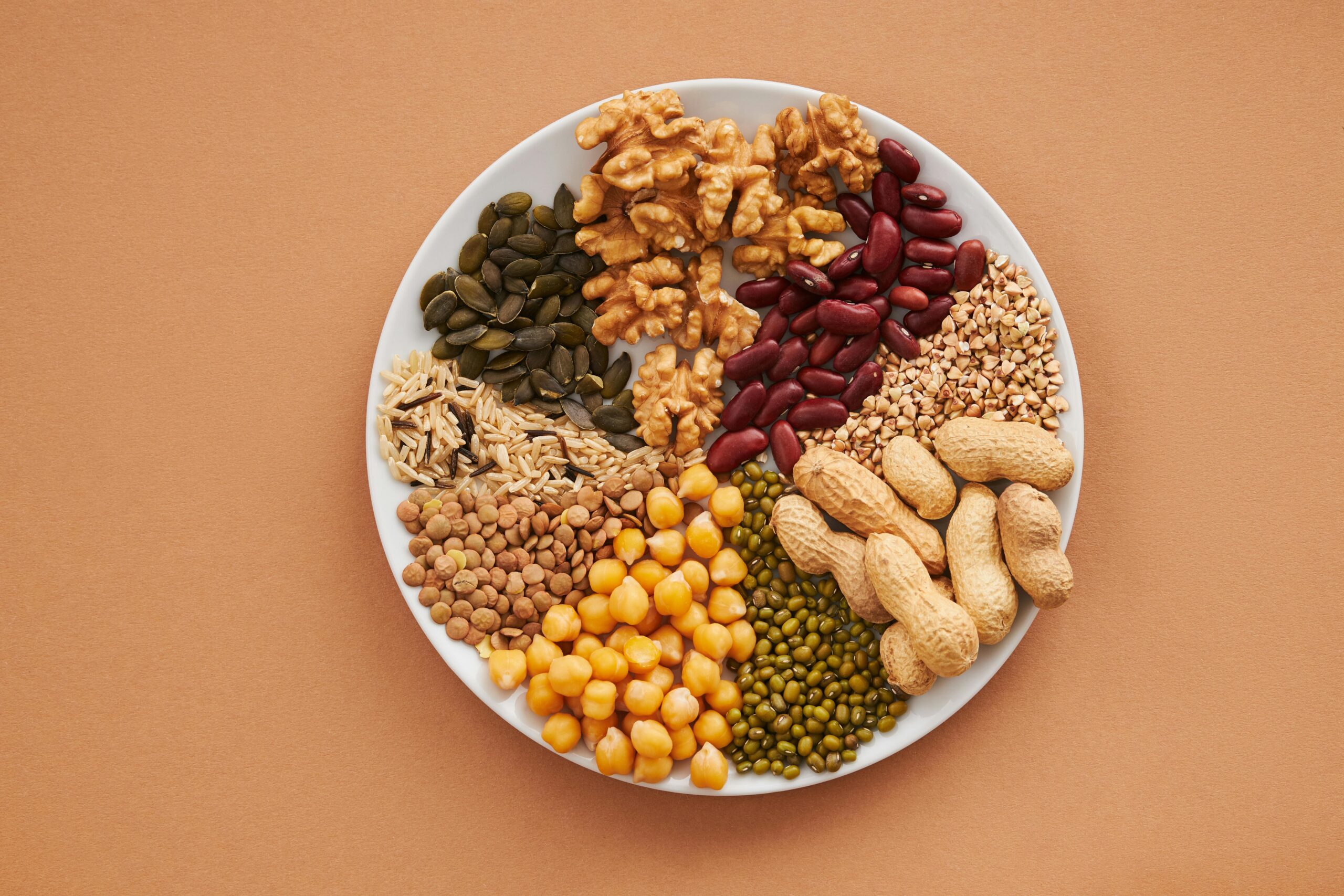
Legumes form the backbone of vegetarian protein intake. Lentils, chickpeas, black beans, kidney beans, and peas deliver substantial protein alongside fiber, iron, and B vitamins. A single cup of cooked lentils provides approximately 18 grams of protein—nearly a third of most adults’ daily requirements.
Soy products deserve special recognition as complete proteins containing all essential amino acids. Tofu, tempeh, edamame, and soy milk offer versatility and excellent nutritional profiles. Tempeh, with its fermented properties, also supports gut health while delivering around 31 grams of protein per cup.
Quinoa stands out among grains as another complete protein source, providing about 8 grams per cooked cup along with manganese, magnesium, and fiber. Other protein-rich grains include amaranth, wild rice, and oats.
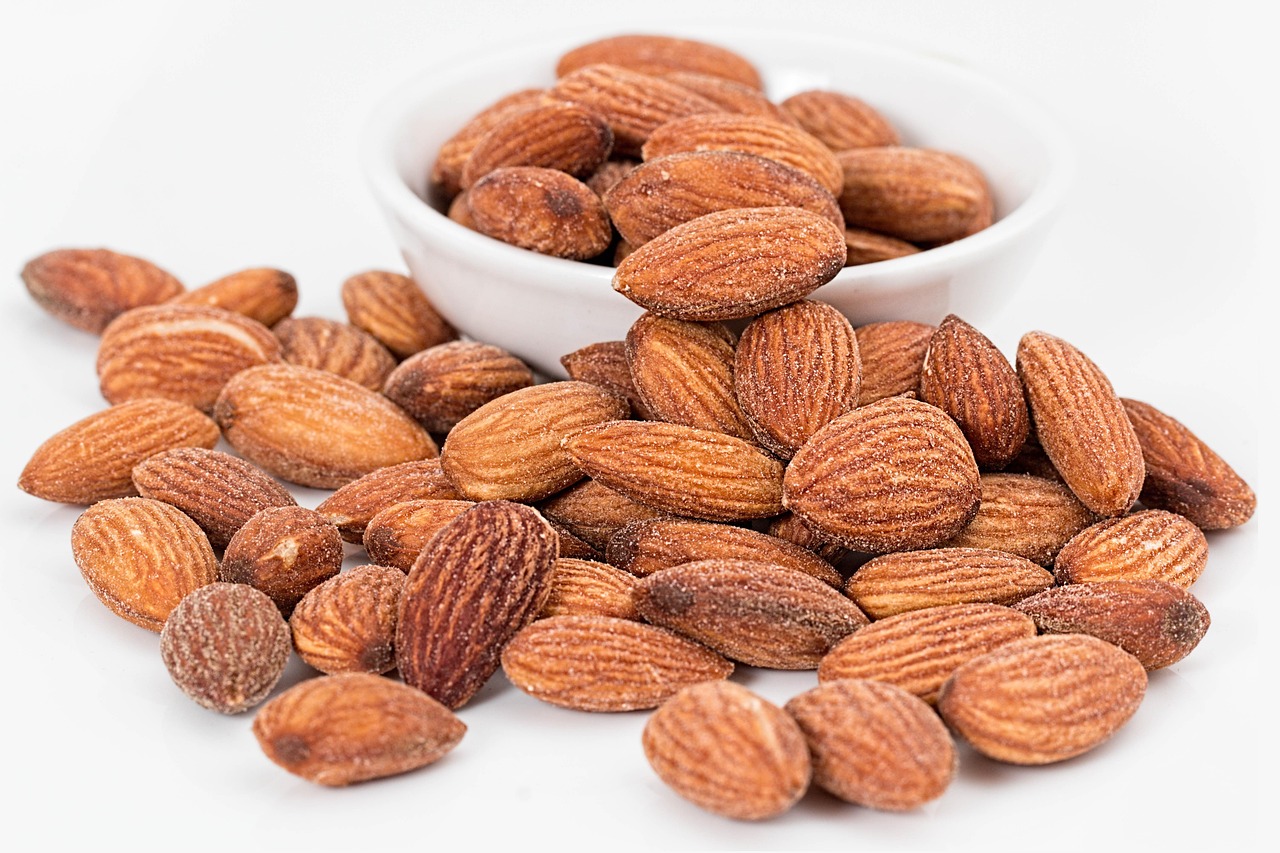
Nuts and seeds contribute both protein and healthy fats. Hemp seeds, chia seeds, pumpkin seeds, almonds, and peanuts add protein density to meals while providing omega-3 fatty acids, vitamin E, and minerals.
🥗 Micronutrients That Demand Your Attention
While macronutrients often steal the spotlight, micronutrient adequacy truly determines your long-term health on a plant-based diet. Certain vitamins and minerals require special consideration for vegetarians.
Vitamin B12: The Non-Negotiable Supplement
Vitamin B12 exists naturally only in animal products and certain algae. This vitamin is crucial for nerve function, DNA synthesis, and red blood cell formation. Deficiency leads to fatigue, neurological problems, and anemia.
Vegetarians must obtain B12 through fortified foods—such as plant milks, breakfast cereals, and nutritional yeast—or supplements. Experts recommend 2.4 micrograms daily for adults, though many vegetarians benefit from higher supplemental doses due to absorption variability.
Regular blood testing ensures your B12 levels remain adequate, as deficiency symptoms can take years to manifest while irreversible damage occurs silently.
Iron Absorption Strategies
Plant-based iron (non-heme iron) is less readily absorbed than heme iron from meat. However, vegetarians can meet their iron needs through strategic eating and absorption enhancement techniques.
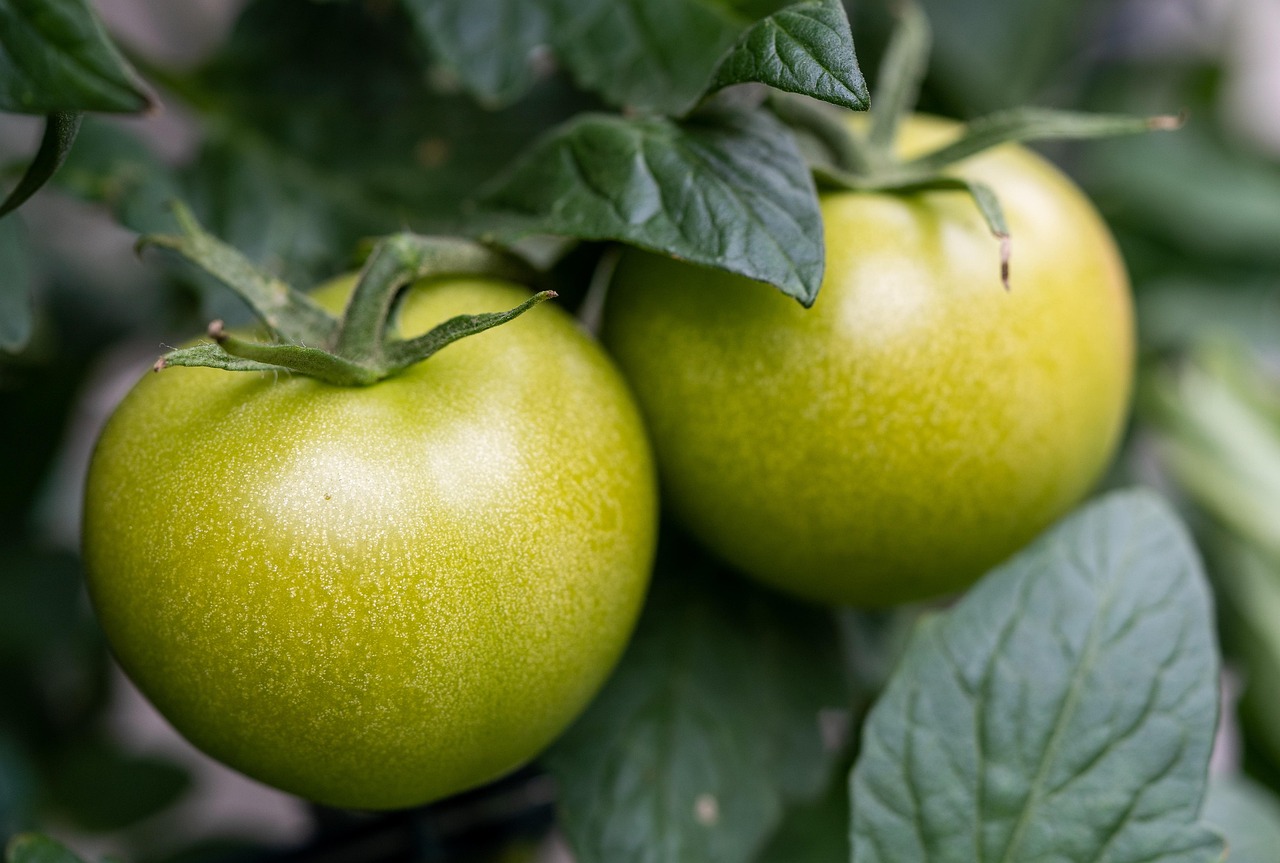
Iron-rich plant foods include lentils, spinach, tofu, quinoa, fortified cereals, pumpkin seeds, and dried apricots. Combining these with vitamin C sources dramatically increases absorption. Adding tomatoes to your spinach curry, squeezing lemon over your lentil soup, or enjoying strawberries with your fortified oatmeal optimizes iron uptake.
Conversely, calcium, coffee, and tea can inhibit iron absorption when consumed simultaneously. Spacing these out from iron-rich meals by a couple of hours maximizes your iron status.
Calcium Beyond Dairy
While dairy products provide calcium for lacto-vegetarians, vegans and those avoiding dairy have numerous plant-based options. Fortified plant milks, tofu prepared with calcium sulfate, collard greens, kale, bok choy, almonds, and tahini all contribute to calcium intake.
Adults need approximately 1,000-1,200 milligrams daily. Spreading calcium intake throughout the day improves absorption, as your body can only process about 500 milligrams at once.
Essential Fatty Acids for Brain and Heart Health ❤️
Omega-3 fatty acids support cardiovascular health, brain function, and inflammation control. While fish provides EPA and DHA directly, vegetarians must rely on ALA (alpha-linolenic acid) from plant sources, which the body converts to EPA and DHA with varying efficiency.
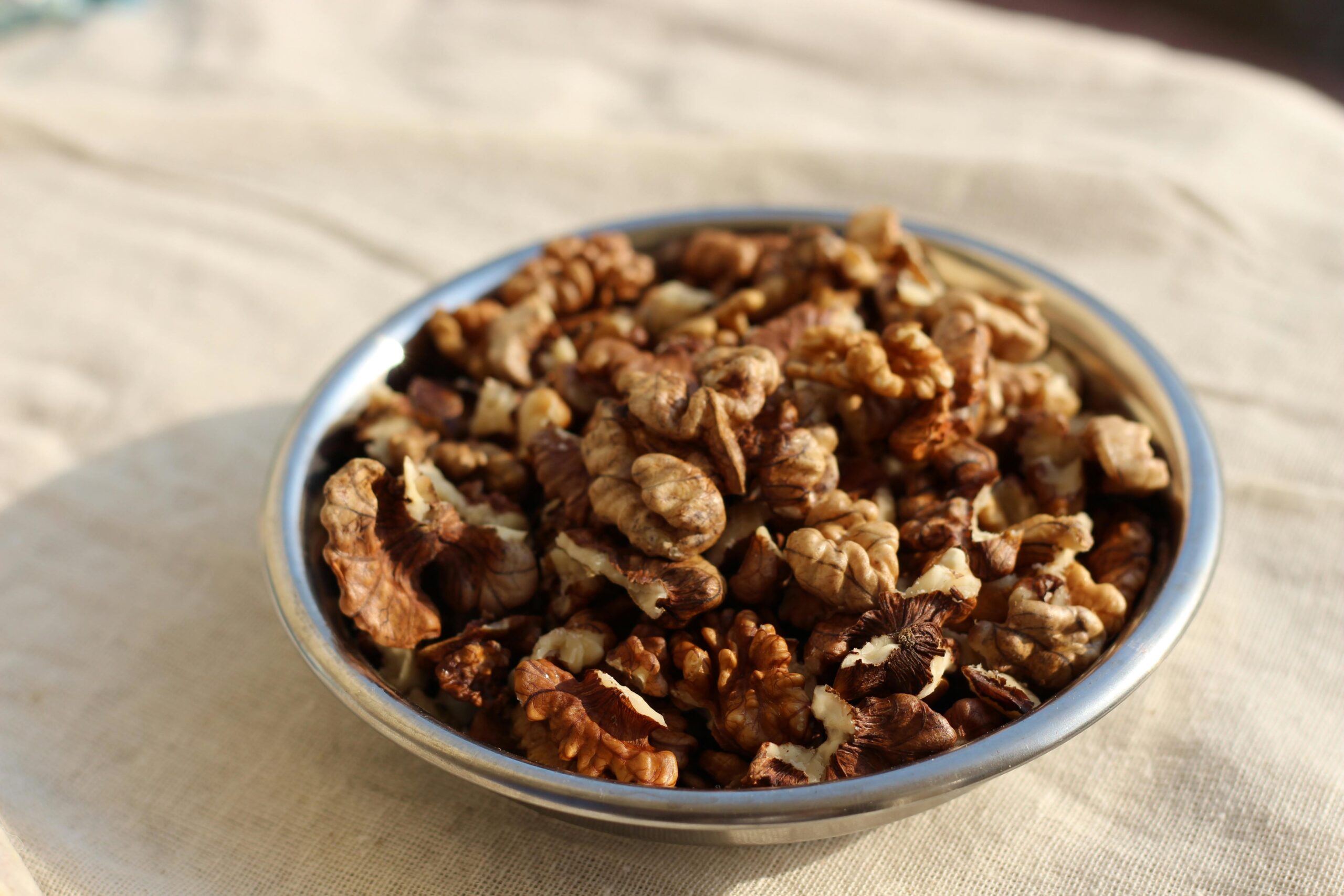
Flaxseeds, chia seeds, hemp seeds, walnuts, and their oils provide excellent ALA. Consuming one to two tablespoons of ground flaxseed daily or a handful of walnuts helps meet omega-3 needs. Algae-based supplements offer direct EPA and DHA for those wanting to bypass the conversion process.
Balancing omega-6 to omega-3 ratios is equally important. Modern diets often contain excessive omega-6 from vegetable oils, which can promote inflammation. Reducing processed foods and emphasizing whole food fat sources creates better balance.
🍽️ Building Your Perfect Plant-Based Plate
Visual plate composition simplifies balanced eating. Imagine dividing your plate into sections that ensure nutritional completeness at every meal.
Half your plate should contain vegetables and fruits, emphasizing variety and color. Different pigments indicate different phytonutrients—the beneficial plant compounds that fight disease and support optimal function. Include dark leafy greens, orange vegetables, red tomatoes, purple cabbage, and white cauliflower throughout your week.
One quarter should feature protein-rich foods like legumes, tofu, tempeh, or seitan. This ensures adequate protein at each meal, supporting satiety and muscle maintenance.
The remaining quarter accommodates whole grains or starchy vegetables—brown rice, quinoa, sweet potatoes, whole grain pasta, or oats. These provide energy, B vitamins, and additional protein and fiber.
Add healthy fats through nuts, seeds, avocado, or a drizzle of quality oil. These enhance nutrient absorption, particularly for fat-soluble vitamins A, D, E, and K.
Strategic Food Combinations for Maximum Nutrition
Certain food pairings create synergistic effects, enhancing nutrient availability beyond what individual foods provide alone.
Combining incomplete plant proteins throughout the day ensures complete amino acid profiles. Rice and beans, hummus and pita, peanut butter and whole grain bread—these classic combinations exist across cultures because they work nutritionally.
Pairing iron-rich foods with vitamin C sources, as mentioned earlier, can triple iron absorption. Similarly, consuming healthy fats with carotenoid-rich vegetables like carrots, sweet potatoes, and dark leafy greens significantly increases vitamin A absorption.
Soaking, sprouting, and fermenting grains, legumes, nuts, and seeds reduces phytic acid—an antinutrient that binds minerals and prevents absorption. These traditional preparation methods enhance the bioavailability of iron, zinc, and calcium.
⚡ Energizing Your Day with Strategic Meal Timing
When you eat matters nearly as much as what you eat. Strategic meal timing optimizes energy levels, athletic performance, and metabolic health.
Starting your day with protein-rich breakfast stabilizes blood sugar and reduces cravings throughout the morning. Try tofu scrambles, protein smoothies with hemp seeds and nut butter, or overnight oats with chia seeds and nuts.
Spacing meals and snacks every three to four hours maintains steady energy without the crashes associated with long fasting periods followed by large meals. This approach also ensures consistent nutrient delivery throughout the day.
Pre-workout nutrition should emphasize easily digestible carbohydrates for immediate energy—banana with almond butter, oatmeal with berries, or a smoothie. Post-workout meals benefit from protein and carbohydrate combinations to support muscle recovery and glycogen replenishment.
Seasonal Eating and Local Produce Advantages 🌻
Aligning your diet with seasonal availability offers multiple benefits beyond nutrition. Seasonal produce tastes better, costs less, and provides nutrients your body naturally needs during different times of year.
Winter squashes, root vegetables, and hearty greens provide warming, grounding nutrition during cold months. Summer brings hydrating fruits and vegetables like cucumbers, tomatoes, berries, and stone fruits that help regulate body temperature.
Local, seasonal produce also spends less time in storage and transport, retaining more nutrients than foods shipped across continents. Farmers’ markets connect you directly with food sources while supporting local agriculture and environmental sustainability.
Tracking and Optimizing Your Nutrient Intake
While intuitive eating works well for experienced plant-based eaters, periodically tracking your nutrition provides valuable insights, especially when starting your vegetarian journey or troubleshooting health concerns.
Several nutrition tracking applications help monitor your intake of specific nutrients. Chronometer stands out for its comprehensive micronutrient tracking, particularly valuable for vegetarians monitoring B12, iron, zinc, and omega-3s.
Tracking for even one week reveals patterns and potential gaps in your nutrition. You might discover you’re consistently low in certain nutrients or getting more than needed of others, allowing you to adjust accordingly.
🌟 Common Pitfalls and How to Avoid Them
Even well-intentioned vegetarians sometimes fall into nutritional traps that compromise their health and energy levels.
Over-relying on processed vegetarian alternatives—frozen meals, mock meats, and packaged snacks—often means consuming excess sodium, additives, and refined ingredients while missing out on whole food nutrition. These products serve occasional convenience purposes but shouldn’t form your dietary foundation.
Carbohydrate overconsumption happens when protein and healthy fats take a backseat. Meals centered solely around pasta, bread, or rice without adequate protein and vegetables lead to blood sugar swings, persistent hunger, and potential weight gain.
Inadequate calorie intake affects some vegetarians, particularly those transitioning from meat-heavy diets. Plant foods generally contain fewer calories per volume than animal products, so you may need to eat larger portions or more frequently to meet energy needs.
Neglecting variety means missing out on different nutrients. Eating the same meals repeatedly, however healthy, limits your nutrient spectrum. Challenge yourself to try new vegetables, grains, legumes, and preparation methods regularly.
Supplements Worth Considering for Optimal Health
While whole foods should provide most nutrients, certain supplements fill gaps that even well-planned vegetarian diets may leave.
Vitamin B12 supplementation is essential, as discussed earlier. Choose methylcobalamin or cyanocobalamin forms, with doses ranging from 250-1000 micrograms several times weekly or smaller daily amounts.
Vitamin D becomes crucial for those with limited sun exposure. This nutrient supports bone health, immune function, and mood regulation. Vegetarian D2 or vegan D3 (from lichen) supplements provide 1000-2000 IU daily for most adults.
Algae-based omega-3 supplements supplying EPA and DHA bypass the inefficient conversion from ALA, particularly beneficial for pregnant women, children, and those with inflammatory conditions.
Zinc supplementation may benefit some vegetarians, especially men and athletes, as plant-based zinc absorption is lower than from animal sources. However, excessive zinc interferes with copper absorption, so testing before supplementing is wise.
Living Vibrantly: Beyond the Plate 💪
Nutrition forms just one pillar of vibrant health. Your plant-based diet works synergistically with other lifestyle factors to create comprehensive wellbeing.
Regular physical activity enhances nutrient utilization, supports cardiovascular health, maintains muscle mass, and boosts mood. Combining cardiovascular exercise, strength training, and flexibility work creates balanced fitness.
Quality sleep allows your body to repair, consolidate memories, and regulate hormones controlling hunger and metabolism. Prioritizing seven to nine hours nightly supports your nutritional efforts.
Stress management through meditation, yoga, nature time, or other practices prevents chronic stress from undermining your health, regardless of dietary perfection.
Social connections and purpose provide mental and emotional nutrition that no food can replace. Sharing plant-based meals with loved ones, joining vegetarian communities, and connecting with your reasons for choosing this lifestyle sustain long-term commitment.
🎯 Your Actionable Vegetarian Nutrient Checklist
Implementing comprehensive nutrition knowledge requires practical action steps. Use this checklist daily to ensure balanced plant-based eating:
- Include protein at every meal from legumes, soy products, nuts, seeds, or whole grains
- Eat a rainbow of vegetables and fruits daily, emphasizing dark leafy greens
- Incorporate healthy fats from avocados, nuts, seeds, and quality oils
- Choose whole grains over refined versions for sustained energy and nutrients
- Take vitamin B12 supplement consistently
- Pair iron-rich foods with vitamin C sources
- Include omega-3 sources like flaxseeds, chia seeds, or walnuts daily
- Drink adequate water throughout the day
- Vary your food choices weekly to maximize nutrient diversity
- Minimize processed foods and sugar-sweetened beverages

Embracing Your Plant-Powered Journey
Mastering your plant-based plate is an evolving journey rather than a destination. As you become more attuned to your body’s signals and deepen your nutritional knowledge, balanced eating becomes increasingly intuitive and effortless.
Your commitment to vegetarian nutrition extends beyond personal health, contributing to environmental sustainability, animal welfare, and global food security. These broader impacts can fuel motivation during challenging moments.
Remember that perfection isn’t the goal—consistent, informed choices over time create lasting health benefits. Occasional indulgences, convenience meals, or nutritional imperfections don’t negate your overall healthy pattern.
Celebrate your growing knowledge, experiment with new foods and recipes, connect with supportive communities, and trust that your well-balanced plant-based plate provides everything you need for vibrant, energetic, long-lasting health. Your body will thank you with increased energy, mental clarity, and the vitality to fully engage with life’s adventures.