Maintaining optimal health throughout the year requires more than just good intentions—it demands a strategic approach to nutrition that adapts to seasonal changes. Your body’s nutritional needs fluctuate with the seasons, influenced by temperature variations, activity levels, and available food sources.

Understanding how to balance your nutrient intake across different seasons can be the difference between feeling energized and struggling with fatigue, immunity issues, or mood fluctuations. This comprehensive guide will walk you through a practical seasonal nutrient balance checklist designed to keep you thriving no matter what time of year it is.
🌱 Why Seasonal Nutrition Matters for Your Health
Our ancestors naturally ate seasonally, consuming foods that were available during specific times of the year. This wasn’t just about availability—it was an intuitive response to the body’s changing needs. During colder months, heartier foods provided warmth and sustained energy, while lighter, water-rich foods in summer helped with hydration and cooling.
Modern food systems have disrupted this natural rhythm, making strawberries available in December and butternut squash in July. While convenient, this year-round access has disconnected us from the nutritional wisdom encoded in seasonal eating patterns.
Research shows that seasonal eating offers numerous benefits, including higher nutrient density in produce, better environmental sustainability, enhanced immune function, and improved digestive health. When you align your eating habits with the seasons, you’re working with your body’s natural rhythms rather than against them.
❄️ Winter Nutrition: Building Immunity and Warmth
Winter demands different nutritional strategies than warmer months. Cold weather, reduced sunlight, and increased indoor time all impact your body’s nutritional requirements. This season calls for a focus on immune-boosting nutrients and foods that provide sustained energy.
Essential Winter Nutrients and Food Sources
Vitamin D becomes critically important during winter months when sunlight exposure decreases significantly. Without adequate sun exposure, your body cannot produce sufficient vitamin D naturally. Focus on fatty fish like salmon, mackerel, and sardines, fortified dairy products, and egg yolks. Supplementation may be necessary, especially in northern latitudes.
Vitamin C requirements remain high to support immune function. Winter citrus fruits—oranges, grapefruits, and lemons—reach peak season precisely when you need them most. Root vegetables like sweet potatoes and winter squashes provide beta-carotene, which converts to vitamin A for immune support.
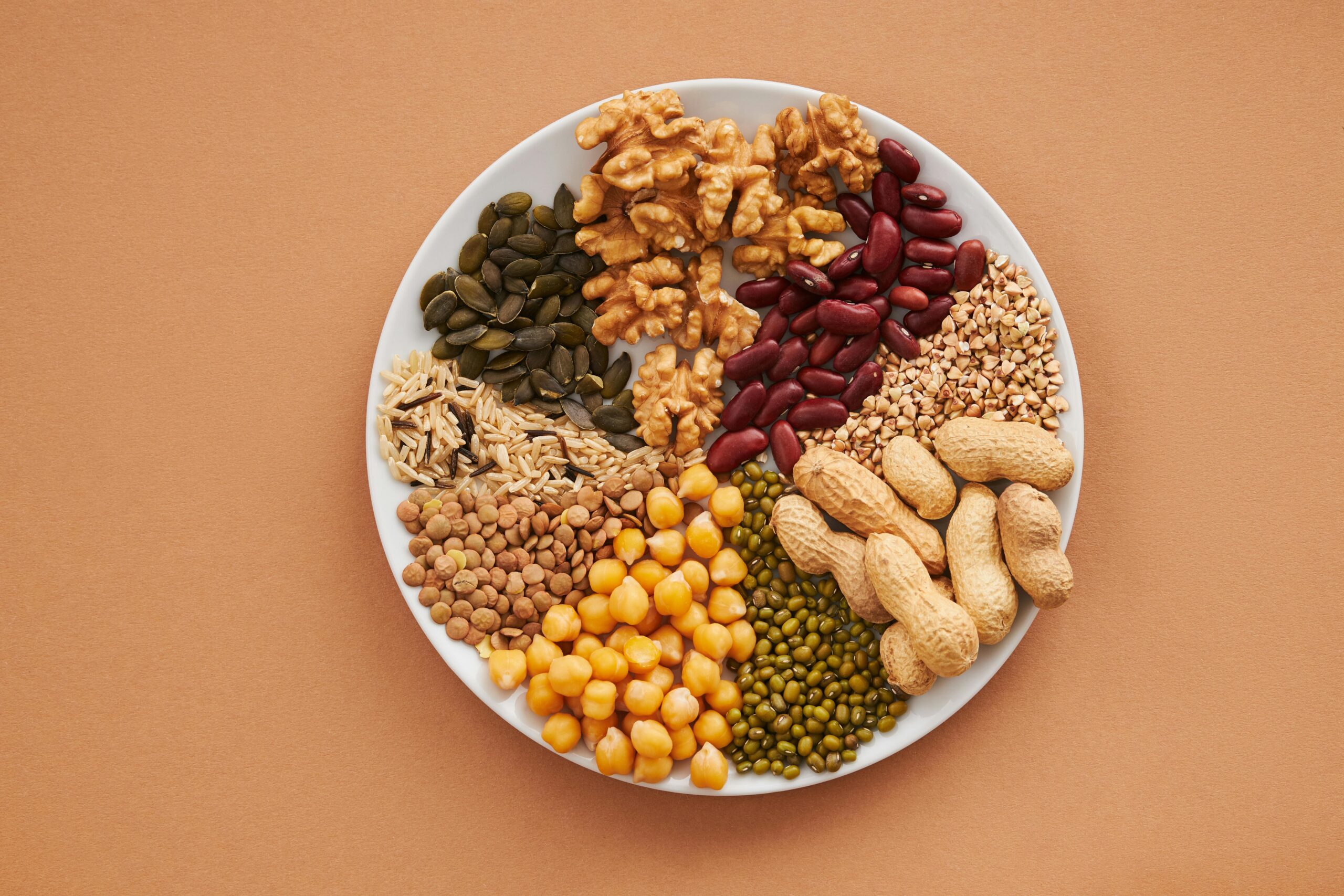
Zinc is another crucial winter nutrient that supports immune function and wound healing. Incorporate oysters, beef, pumpkin seeds, and legumes into your winter meals. Iron-rich foods help combat winter fatigue; think lean meats, lentils, spinach, and fortified cereals.
Winter Eating Patterns for Energy
Winter naturally calls for warming, cooked foods that require more digestive energy, which actually helps generate body heat. Soups, stews, roasted vegetables, and slow-cooked meals align perfectly with winter nutritional needs.
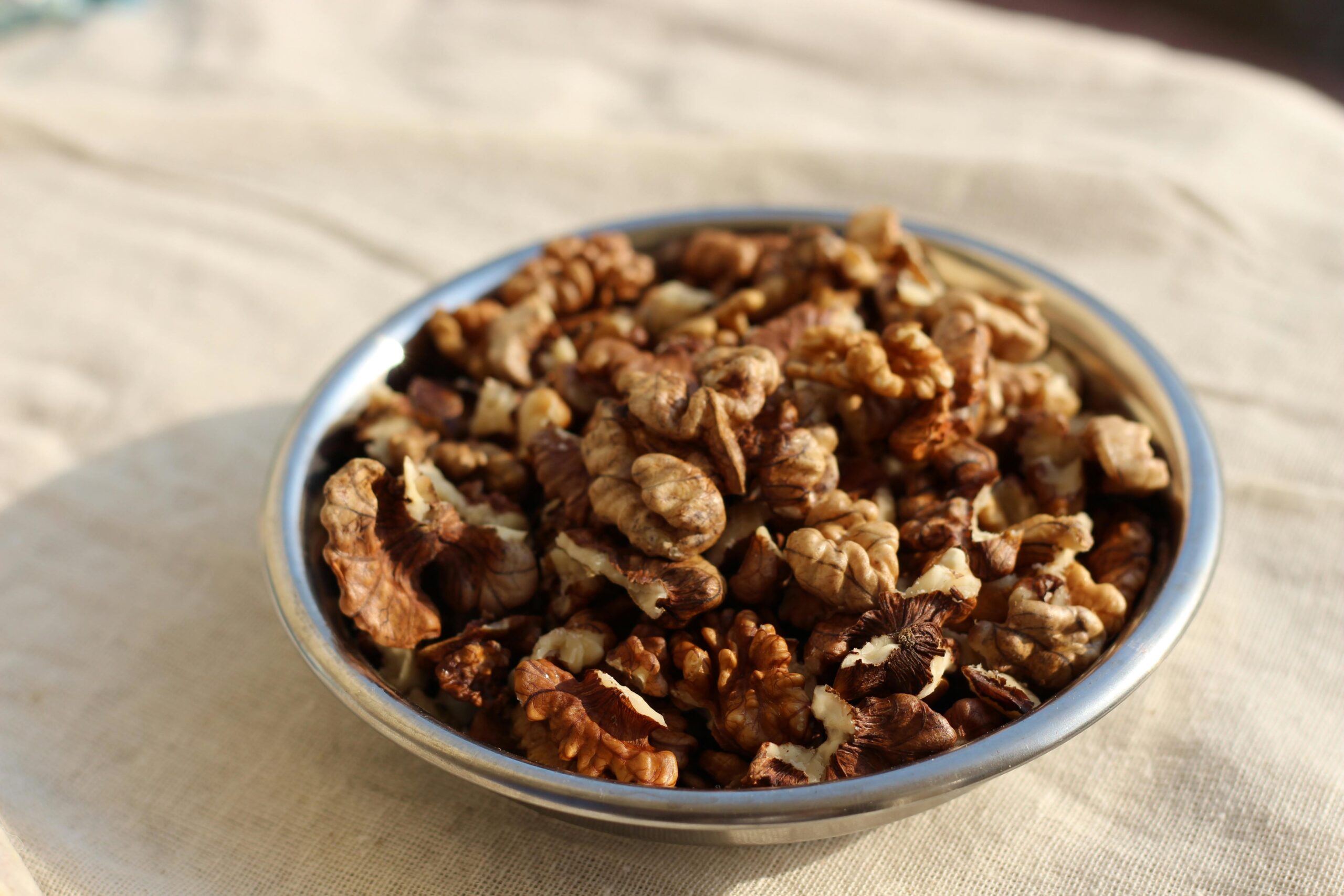
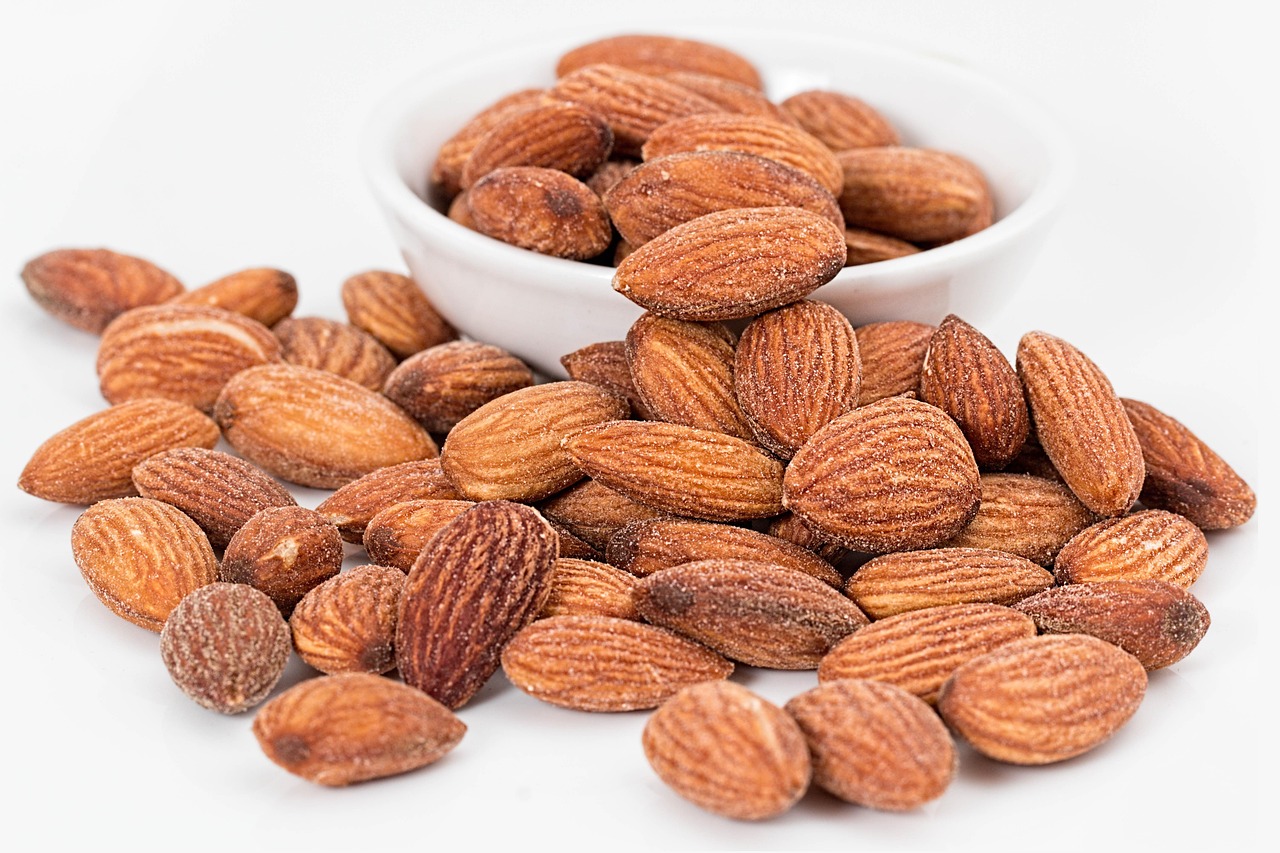
Increase your intake of healthy fats during winter months. Nuts, seeds, avocados, olive oil, and fatty fish provide concentrated energy and help your body absorb fat-soluble vitamins. These fats also support brain health during darker months when seasonal mood changes can occur.
🌸 Spring Nutrition: Detoxification and Renewal
Spring represents a natural time of renewal and cleansing. After months of heavier winter foods, your body benefits from lighter, detoxifying options that support liver function and digestive health.
Spring’s Natural Cleansing Foods
Leafy greens emerge abundantly in spring—spinach, arugula, dandelion greens, and watercress all support natural detoxification processes. These greens are rich in chlorophyll, which helps eliminate toxins and provides essential minerals like magnesium, calcium, and iron.
Spring is perfect for incorporating bitter foods that stimulate digestive enzymes and support liver function. Artichokes, asparagus, and radishes all have natural detoxifying properties. Asparagus specifically acts as a natural diuretic, helping eliminate excess fluids accumulated during winter.
Fresh herbs like parsley, cilantro, and mint become available and offer powerful nutritional benefits. Parsley supports kidney function, cilantro helps remove heavy metals, and mint aids digestion and provides a refreshing energy boost.
Spring Hydration and Light Proteins
As temperatures rise, hydration needs increase. Spring is an excellent time to increase water intake and incorporate hydrating foods like cucumbers, celery, and lettuce. Herbal teas made from nettle, dandelion, or green tea support gentle detoxification.
Shift toward lighter protein sources during spring. While winter may have emphasized heavier meats, spring calls for fish, poultry, legumes, and plant-based proteins. These lighter options support the body’s natural springtime energy without overtaxing digestion.
☀️ Summer Nutrition: Hydration and Vitality
Summer presents unique nutritional challenges and opportunities. Heat stress, increased activity levels, and higher sweat rates all impact your nutritional needs. This season emphasizes hydration, electrolyte balance, and antioxidant-rich foods.
Hydration Beyond Water
While water intake is crucial during summer, hydration involves more than just drinking water. Electrolytes—sodium, potassium, magnesium, and calcium—must be replenished to maintain proper fluid balance, especially during hot weather and exercise.
Summer fruits and vegetables naturally provide both water and electrolytes. Watermelon, strawberries, peaches, tomatoes, and cucumbers all contain over 90% water. These foods hydrate while delivering vitamins, minerals, and antioxidants.
Coconut water serves as an excellent natural electrolyte drink, providing potassium, magnesium, and sodium in balanced ratios. For those engaging in intense summer activities, this can be superior to plain water for maintaining hydration.
Antioxidant-Rich Summer Produce
Summer sun exposure increases free radical production, making antioxidants essential. Berries reach peak season and deliver powerful antioxidants like anthocyanins and vitamin C. Blueberries, raspberries, blackberries, and strawberries should feature prominently in summer nutrition.
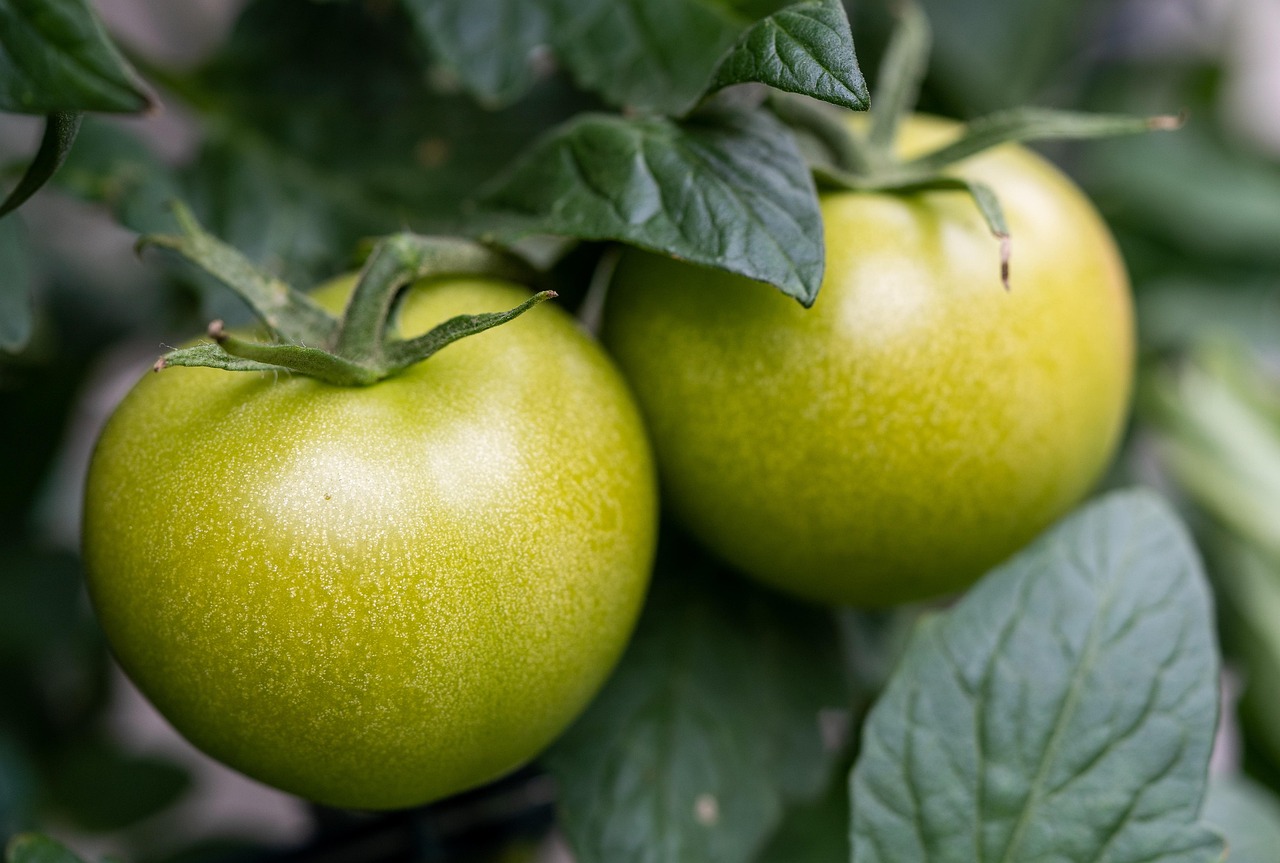
Tomatoes provide lycopene, an antioxidant that actually helps protect skin from sun damage. Cooking tomatoes increases lycopene bioavailability, making tomato sauces and cooked tomato dishes particularly beneficial.
Colorful summer vegetables like bell peppers, corn, and zucchini provide carotenoids and other phytonutrients that support eye health and immune function. The variety of colors ensures a broad spectrum of protective compounds.
🍂 Autumn Nutrition: Preparation and Balance
Autumn serves as a transitional season, bridging summer’s lightness with winter’s heartiness. This season focuses on building nutrient reserves, supporting immune system preparation, and gradually shifting toward warming foods.
Immune System Fortification
Fall is the perfect time to strengthen immunity before winter cold and flu season. Root vegetables like carrots, beets, turnips, and parsnips become available and provide essential nutrients for immune function.
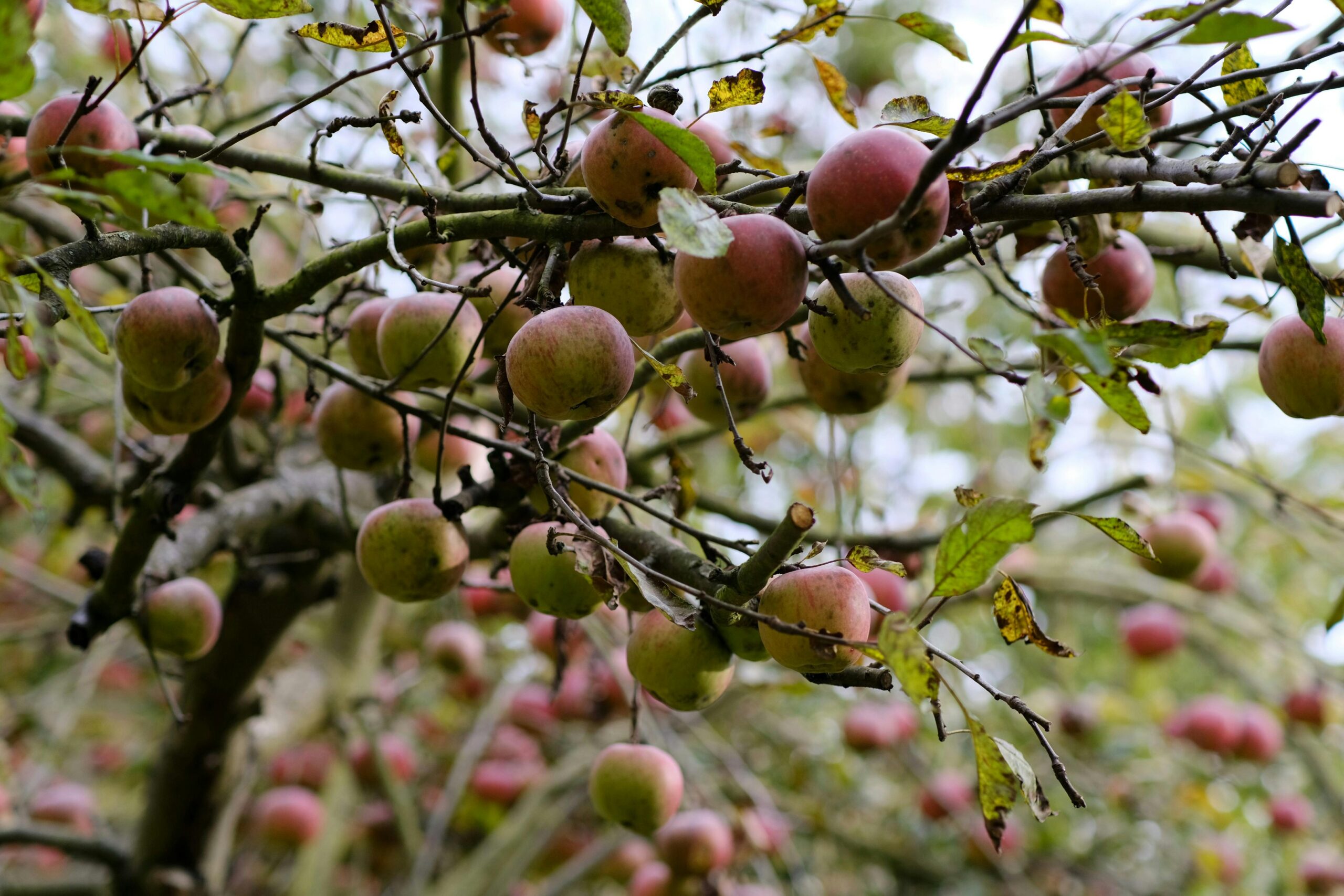
Squashes and pumpkins offer beta-carotene, vitamin C, and fiber. These nutrient-dense foods support gut health, which is intimately connected to immune function. The fiber in autumn produce feeds beneficial gut bacteria, strengthening your first line of immune defense.
Mushrooms become more abundant in autumn and offer unique immune-supporting compounds like beta-glucans. Varieties like shiitake, maitake, and oyster mushrooms provide vitamin D, selenium, and polysaccharides that enhance immune response.
Transitioning to Warming Foods
Autumn naturally calls for a gradual shift from raw, cooling foods toward cooked, warming preparations. Roasting, baking, and light stewing become more appropriate as temperatures drop. This doesn’t mean abandoning fresh produce but rather balancing raw and cooked foods.
Incorporate more warming spices like cinnamon, ginger, turmeric, and cayenne. These spices not only provide warmth but also offer anti-inflammatory compounds that support overall health. Turmeric with black pepper enhances absorption of curcumin, its active anti-inflammatory compound.
🔄 Creating Your Personalized Seasonal Checklist
While general seasonal guidelines provide a foundation, individual needs vary based on age, activity level, health conditions, and geographic location. Creating a personalized seasonal nutrition checklist ensures you address your specific requirements.
Assessing Your Individual Needs
Begin by evaluating your energy levels, digestion, mood, and immunity throughout different seasons. Do you experience winter fatigue? Summer digestive issues? Spring allergies? Autumn mood changes? These patterns reveal which nutrients you may need to emphasize.
Consider your activity levels across seasons. If you’re more active during summer months, you’ll need increased calories, protein, and electrolytes. Conversely, reduced winter activity may require fewer calories but more immune-supporting nutrients.
Health conditions influence seasonal nutritional needs. Those with seasonal affective disorder benefit from increased omega-3 fatty acids and vitamin D during winter. People with seasonal allergies may need more anti-inflammatory foods during trigger seasons.
Practical Implementation Strategies
Start by visiting local farmers’ markets to discover what’s actually in season in your region. This reconnects you with local growing patterns and ensures you’re eating the freshest, most nutrient-dense produce available.
Create a simple weekly meal planning routine that incorporates seasonal produce. Dedicate Sunday evenings to planning the week ahead, selecting recipes that feature in-season ingredients. This approach saves money while maximizing nutrition.
Batch cook seasonal foods when they’re abundant and affordable. Freeze berries during summer, make and freeze soups during fall, and preserve seasonal produce through canning or fermentation when appropriate.
📊 Tracking Your Seasonal Nutrition Success
Monitoring your nutritional intake and how you feel across seasons helps refine your approach over time. Simple tracking methods provide valuable feedback without becoming overwhelming.
Simple Tracking Methods
Keep a basic food and mood journal, noting what you eat and how you feel throughout the day. Over time, patterns emerge showing which seasonal foods enhance your energy, digestion, and overall wellbeing.
Take photos of your meals to create a visual record of your seasonal eating patterns. This simple technique helps you see whether you’re truly incorporating variety and seasonal produce or defaulting to the same foods year-round.
Consider using nutrition tracking apps that allow you to monitor vitamin and mineral intake. While daily tracking isn’t necessary for everyone, periodic week-long assessments each season can reveal nutritional gaps you might be missing.
Adjusting Based on Results
If you’re still experiencing low energy during certain seasons despite following general guidelines, consider working with a registered dietitian who can assess your individual needs through lab work and detailed nutritional analysis.
Be patient with seasonal transitions. Your body needs time to adapt as you shift eating patterns. Give new seasonal approaches at least three to four weeks before evaluating their effectiveness.
🌍 Environmental and Economic Benefits of Seasonal Eating
Beyond personal health benefits, seasonal eating supports environmental sustainability and often reduces food costs. Understanding these additional advantages can strengthen your commitment to seasonal nutrition.
Seasonal produce requires less transportation, reducing carbon emissions associated with food miles. Local, seasonal foods don’t need to be shipped across continents or stored for months, decreasing environmental impact significantly.
When foods are in peak season locally, abundance drives prices down. Buying strawberries in June rather than January saves money while delivering superior nutrition and flavor. This economic benefit makes healthy eating more accessible.
Supporting local farmers who grow seasonal produce strengthens community food systems and agricultural diversity. This creates resilient local economies and preserves agricultural knowledge about growing food in harmony with natural seasons.
🎯 Your Year-Round Action Plan
Creating sustainable seasonal eating habits requires a practical, achievable action plan that fits your lifestyle. Start small and build gradually rather than attempting dramatic overnight changes.
Begin by identifying three seasonal foods for each season that you genuinely enjoy. Commit to incorporating these foods regularly during their peak seasons. This manageable starting point prevents overwhelm while establishing new patterns.
Set quarterly nutrition reviews where you assess how the previous season went and prepare for the upcoming one. These checkpoints help you stay accountable and make adjustments based on experience.
Connect with others interested in seasonal eating through local food communities, cooking classes, or online groups. Shared experiences provide motivation, recipe ideas, and support for maintaining seasonal nutrition practices.
💪 Empowering Your Health Through Seasonal Awareness
Seasonal nutrition isn’t about rigid rules or perfect execution—it’s about developing awareness of how different foods affect you throughout the year and making informed choices that support your health and vitality.
By tuning into your body’s signals and aligning your nutrition with seasonal availability, you work with natural rhythms rather than against them. This approach reduces the effort required to maintain good health because you’re supporting what your body naturally needs at different times.
Remember that seasonal eating is a practice, not a destination. Some weeks you’ll align perfectly with seasonal foods, while others will require more convenience or flexibility. The goal is progress and awareness, not perfection.
Your seasonal nutrient balance checklist serves as a living document that evolves with your understanding and experience. Revisit it regularly, make adjustments based on what works for you, and trust that small, consistent changes create significant long-term health benefits. By embracing seasonal nutrition, you’re investing in sustained energy, robust immunity, and vitality that carries you healthfully through every season of life.