Eating well doesn’t have to drain your wallet or leave you confused about nutrition. With the right strategies, you can master balanced meals that nourish your body while respecting your budget.

The intersection of healthy eating and financial responsibility is where true food wisdom lives. Many people believe that nutritious meals require expensive ingredients or complicated recipes, but this misconception keeps countless individuals from achieving their health goals. The truth is that balanced nutrition on a budget is not only possible—it’s a skill that empowers you to take control of both your health and finances simultaneously.
🍽️ Understanding Balanced Nutrition Without the Complexity
Balanced nutrition isn’t about perfection or following restrictive diets that eliminate entire food groups. At its core, it means consuming a variety of nutrients your body needs to function optimally: proteins, carbohydrates, healthy fats, vitamins, and minerals. The key is understanding that these nutrients don’t have to come from premium-priced sources.
Your plate should ideally contain a protein source, complex carbohydrates, vegetables, and a small amount of healthy fats. This simple formula works whether you’re spending five dollars or fifty dollars on groceries. The magic lies in choosing affordable ingredients that deliver maximum nutritional value.
The Nutritional Power Players in Your Budget
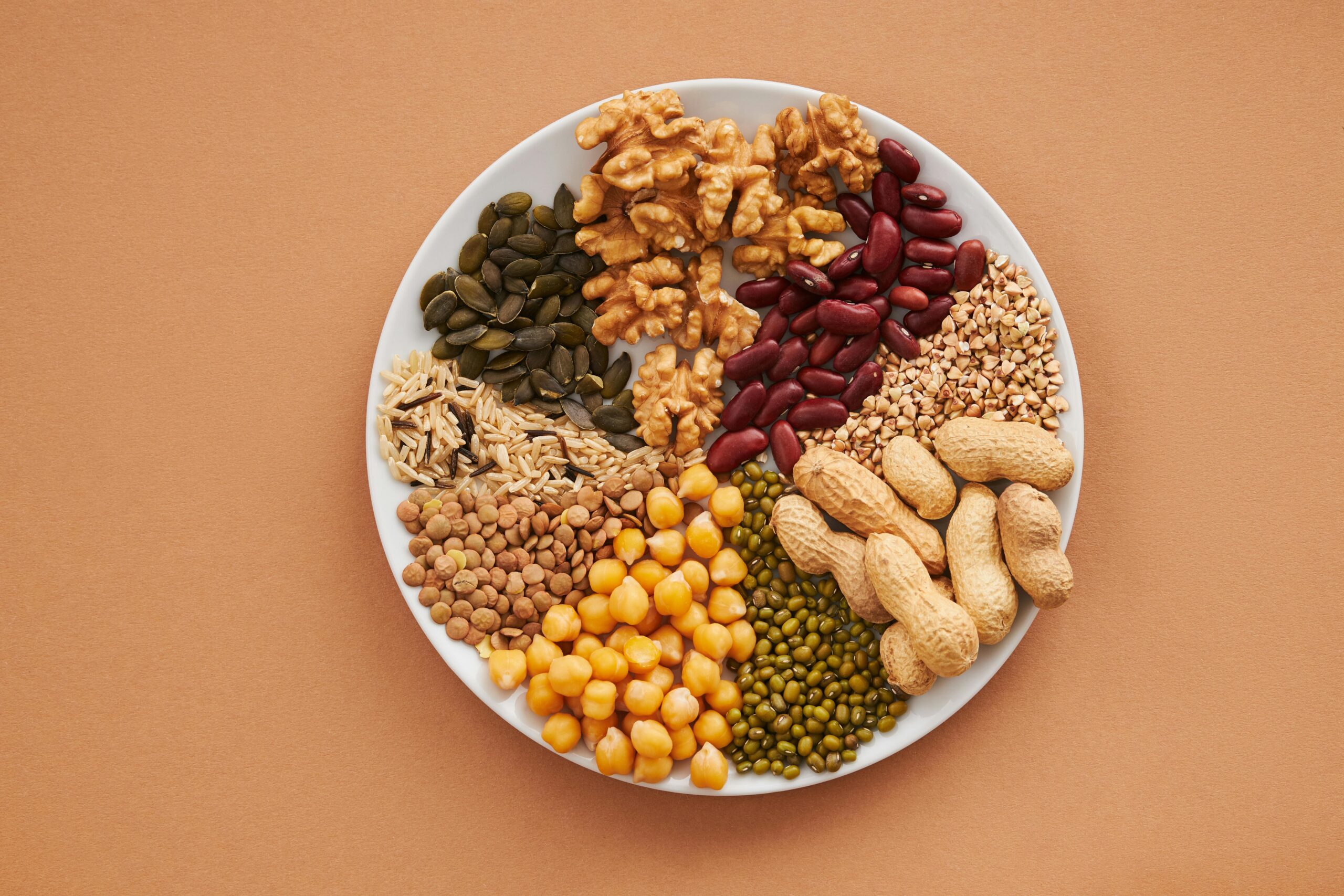
Certain foods deliver exceptional nutrition without the premium price tag. Eggs provide complete protein for pennies per serving. Beans and lentils offer protein, fiber, and minerals at rock-bottom prices. Whole grains like brown rice and oats give you sustained energy without breaking the bank. Frozen vegetables often cost less than fresh while retaining nearly identical nutritional value.
Understanding these budget-friendly nutritional powerhouses transforms your approach to meal planning. Instead of feeling limited by your budget, you’ll recognize the abundance of affordable options that support your health goals.
💰 Strategic Shopping: Your Foundation for Budget Success
The grocery store is where your budget-friendly nutrition journey begins or ends. Walking in without a plan is like sailing without a compass—you’ll likely drift toward impulse purchases and expensive convenience items.
Creating a shopping list based on planned meals prevents overspending and reduces food waste. Before heading to the store, check your pantry and refrigerator to avoid buying duplicates. This simple habit can save hundreds of dollars annually while ensuring you use what you already have.
Timing Your Shopping Trips for Maximum Savings
When you shop matters as much as what you buy. Many stores mark down perishables like meat, bread, and produce in the evening or on specific days. These items are perfectly safe but approaching their sell-by dates, making them available at significant discounts.
Shopping seasonal produce yields both better prices and superior flavor. Strawberries in summer and squash in fall cost considerably less than the same items out of season. Embracing seasonal eating connects you with natural rhythms while protecting your budget.
🥘 Meal Planning: The Secret Weapon of Budget Masters
Meal planning eliminates the daily stress of deciding what to eat while dramatically reducing food costs. When you plan ahead, you avoid expensive takeout, reduce food waste, and make intentional choices aligned with your nutritional and financial goals.
Start by dedicating one hour weekly to plan your meals. Review your schedule to identify particularly busy days when simple meals make sense. Check store circulars for sales and build your meal plan around discounted items. This approach ensures you’re always buying ingredients at their lowest prices.
The Batch Cooking Advantage
Batch cooking multiplies your time and money efficiency. Preparing large quantities of staple items like grains, proteins, and roasted vegetables gives you ready-to-assemble meal components throughout the week. Cook a big pot of rice, bake several chicken breasts, and roast a tray of vegetables during your weekend meal prep session.
These prepared components become building blocks for varied meals. Monday’s rice bowl becomes Wednesday’s fried rice becomes Friday’s soup addition. This variety prevents boredom while maximizing your initial cooking effort.
🌾 Pantry Staples That Deliver Nutritional Punch
A well-stocked pantry is your insurance policy against expensive convenience foods. When hunger strikes and your fridge looks bare, pantry staples can save you from ordering pricey delivery or grabbing fast food.
Essential pantry items include dried beans, lentils, whole grains like brown rice and quinoa, canned tomatoes, olive oil, and basic spices. These ingredients have long shelf lives, reducing pressure to use them immediately and minimizing waste. They also form the foundation for countless nutritious meals.
Building Your Spice Arsenal Affordably
Spices transform basic ingredients into exciting meals without adding calories or significant cost. Rather than buying expensive spice blends, purchase individual spices and create your own combinations. Start with essentials like garlic powder, cumin, paprika, oregano, and black pepper.
Buying spices from bulk bins or ethnic markets typically costs a fraction of jarred supermarket prices. Store them in airtight containers away from heat and light to maintain potency and extend their useful life.
🥗 Protein on a Budget: Quality Without the Premium Price
Protein often represents the most expensive component of meals, but numerous affordable options exist beyond expensive cuts of meat. Diversifying your protein sources improves both your nutrition and your budget.
Eggs consistently rank as the most economical complete protein. A dozen eggs provides multiple meals at minimal cost. Canned tuna and salmon offer omega-3 fatty acids and protein at budget-friendly prices. Chicken thighs cost less than breasts while delivering more flavor and remaining tender even with simple cooking methods.
Plant-Based Proteins: The Budget Champion
Plant-based proteins deserve special attention for their exceptional nutritional value and rock-bottom prices. Dried beans and lentils cost pennies per serving while providing protein, fiber, vitamins, and minerals. They’re also incredibly versatile, working in soups, salads, grain bowls, and as meat substitutes.
Tofu, when purchased from Asian markets, costs significantly less than most animal proteins. It absorbs flavors beautifully and provides complete protein. Peanut butter offers protein, healthy fats, and satisfaction in sandwiches, smoothies, or as a sauce base.
🥦 Vegetable Strategies That Maximize Nutrition and Minimize Cost
Vegetables provide essential vitamins, minerals, and fiber that support overall health. The key to affording adequate vegetables lies in strategic purchasing and preparation.
Frozen vegetables often beat fresh options in both price and convenience. They’re harvested at peak ripeness and frozen immediately, preserving nutrients. There’s no waste from spoilage, and you use only what you need while the rest stays preserved.
Growing Your Own Budget-Friendly Produce
Even apartment dwellers can grow some of their own food. Herbs on a windowsill, tomatoes in containers, or lettuce in small spaces provide fresh produce at minimal cost. The investment in seeds or seedlings pays dividends throughout the growing season.
Community gardens offer plot space for those without yards. The modest annual fee provides access to gardening space, water, and often a community of experienced gardeners happy to share knowledge.
📱 Technology Tools for Budget-Conscious Meal Planning
Several apps help you plan meals, track spending, and reduce food waste. These digital tools bring efficiency to budget-conscious nutrition.
Grocery store apps alert you to sales and digital coupons specific to stores you frequent. Many allow you to build shopping lists organized by store layout, saving time and reducing the temptation to browse unnecessary aisles.
Recipe apps help you discover dishes using ingredients you already have, preventing waste and unnecessary purchases. Some apps track your pantry inventory and suggest recipes based on what needs using soon.
🍳 Simple Cooking Techniques That Elevate Budget Ingredients
Knowing how to cook transforms cheap ingredients into delicious meals. You don’t need advanced culinary skills—just a few basic techniques that build flavor and texture.
Roasting vegetables caramelizes their natural sugars, creating depth and sweetness. Toss vegetables with a small amount of oil, salt, and pepper, then roast at high heat until browned. This technique works with almost any vegetable and requires minimal effort.
One-Pot Meals: Simplicity Meets Economy
One-pot cooking methods save time, energy costs, and dishwashing effort. Soups, stews, casseroles, and grain bowls combine proteins, vegetables, and carbohydrates in single vessels. These meals often taste better the next day, making them perfect for batch cooking.
Slow cookers and pressure cookers make inexpensive tough cuts of meat tender and delicious. These appliances also use less energy than conventional ovens while requiring minimal supervision.
🎯 Avoiding Common Budget Nutrition Pitfalls
Even well-intentioned shoppers fall into traps that inflate grocery bills without improving nutrition. Recognizing these pitfalls helps you avoid them.
Convenience foods charge premium prices for packaging and processing. Pre-cut vegetables, individual snack packs, and ready-made meals cost two to four times more than making them yourself. Dedicating time to basic preparation dramatically reduces this unnecessary expense.
The True Cost of Food Waste
Americans waste approximately 30-40% of their food supply. For budget-conscious shoppers, this represents money literally thrown away. Planning meals around what you already have, properly storing perishables, and creatively using leftovers prevents this financial drain.
Designate one meal weekly as “leftover night” when everyone eats remaining portions. Transform leftover proteins into new dishes—yesterday’s roasted chicken becomes today’s chicken salad or soup. Vegetable scraps can make nutritious stock instead of going to the trash.
💪 Balancing Macronutrients Without Expensive Supplements
The supplement industry suggests you need expensive powders and pills for proper nutrition, but whole foods provide everything most people need. Understanding macronutrients—proteins, carbohydrates, and fats—helps you build balanced meals from regular groceries.
Each meal should include all three macronutrients for sustained energy and satiation. A bowl combining brown rice (carbohydrates), black beans (protein and carbohydrates), avocado (healthy fats), and salsa (vegetables) demonstrates perfect macronutrient balance at minimal cost.
🌟 Making Budget Nutrition a Sustainable Lifestyle
Short-term dieting creates cycles of restriction and indulgence, while sustainable nutrition becomes a lasting lifestyle. Budget-friendly balanced eating supports long-term success because it’s neither restrictive nor financially stressful.
Allow flexibility in your approach. Occasional treats and convenience purchases fit within a balanced lifestyle. The goal isn’t perfection but consistent, sustainable choices that support your health without financial strain.
Teaching Family Members Budget Nutrition Skills
Involving family members in meal planning and preparation teaches valuable life skills while reducing your workload. Children who help cook develop positive relationships with healthy foods and learn budgeting concepts early.
Assign age-appropriate tasks like washing vegetables, measuring ingredients, or comparing prices at the store. These activities build competence and investment in family meals while preparing the next generation for independent living.
🎉 Celebrating Your Budget Nutrition Wins
Acknowledge your progress as you develop budget-friendly nutrition habits. Perhaps you’ve reduced your grocery spending by 20%, increased your vegetable intake, or eliminated expensive takeout meals. These victories deserve recognition.
Track your success beyond just financial savings. Notice improved energy levels, better sleep, or increased confidence in the kitchen. These non-monetary benefits often prove more valuable than the money saved.
Mastering balanced nutrition on a budget is a journey of continuous learning and refinement. Each shopping trip, meal prep session, and dinner cooked at home builds your skills and confidence. The strategies outlined here provide a roadmap, but your personal experience will teach you what works best for your circumstances, preferences, and goals.
Remember that perfection isn’t the objective—progress is. Some weeks you’ll execute your meal plan flawlessly, while others will include more convenience items or restaurant meals. This natural ebb and flow is part of sustainable living. What matters is the overall pattern of choices that support both your nutritional needs and financial wellbeing.
Your investment in learning budget-friendly nutrition pays dividends throughout your life. The money saved accumulates toward other goals, while the health benefits compound over time. Perhaps most importantly, you gain freedom from the false choice between eating well and living within your means. With the right knowledge and strategies, you can absolutely achieve both.