Maintaining proper hydration and nutrient balance is the cornerstone of vibrant health, yet many people overlook these fundamental aspects of wellness in their daily routines.

Your body is an intricate system that depends on a delicate equilibrium of water, vitamins, minerals, and macronutrients to function optimally. When this balance is disrupted, you may experience fatigue, diminished cognitive function, weakened immunity, and a host of other health challenges. Understanding how to stay properly hydrated and nourished isn’t just about drinking water and eating vegetables—it’s about creating a comprehensive approach that supports your body’s needs throughout different seasons, activity levels, and life stages. This ultimate checklist will guide you through evidence-based strategies to maintain optimal hydration and nutrient balance for a healthier, more energized version of yourself.
💧 Understanding Your Body’s Hydration Needs
Water comprises approximately 60% of your body weight and plays crucial roles in temperature regulation, nutrient transportation, waste elimination, and cellular function. The often-cited “eight glasses a day” rule is actually too simplistic for most people’s actual needs.
Your individual hydration requirements depend on multiple factors including body size, activity level, climate, and overall health status. A sedentary person in a cool climate has vastly different needs than an athlete training in summer heat. Generally, men need about 3.7 liters (125 ounces) of total fluids daily, while women require approximately 2.7 liters (91 ounces), though this includes all beverages and water-rich foods.
Signs of proper hydration include pale yellow urine, consistent energy levels, healthy skin elasticity, and regular bowel movements. Conversely, dehydration manifests through dark urine, persistent thirst, headaches, dizziness, and dry skin.
Creating Your Personal Hydration Schedule
Rather than chugging water sporadically, establish a consistent hydration rhythm throughout your day. Start your morning with 16-20 ounces of water upon waking to rehydrate after sleep. This simple practice kickstarts your metabolism and helps flush out toxins accumulated overnight.
Drink water 30 minutes before meals rather than during eating, as this supports better digestion and helps control portion sizes. Keep a reusable water bottle with volume markers as a visual reminder of your progress. Set gentle reminders on your phone or use a hydration tracking app to build this essential habit.
During exercise, drink 7-10 ounces every 10-20 minutes of activity, and consume 16-24 ounces for every pound lost through sweat after your workout. For endurance activities lasting over an hour, incorporate electrolyte-enhanced beverages to replace lost minerals.
🥗 The Essential Nutrient Balance Blueprint
Proper nutrition extends far beyond calorie counting. Your body requires a symphony of macronutrients (proteins, carbohydrates, and fats) and micronutrients (vitamins and minerals) working in harmony to sustain optimal function.
A balanced plate typically consists of 50% vegetables and fruits, 25% lean proteins, and 25% whole grains or complex carbohydrates, with healthy fats integrated throughout. This ratio ensures you receive adequate fiber, essential amino acids, sustained energy, and protective phytonutrients.
Macronutrient Mastery for Daily Energy
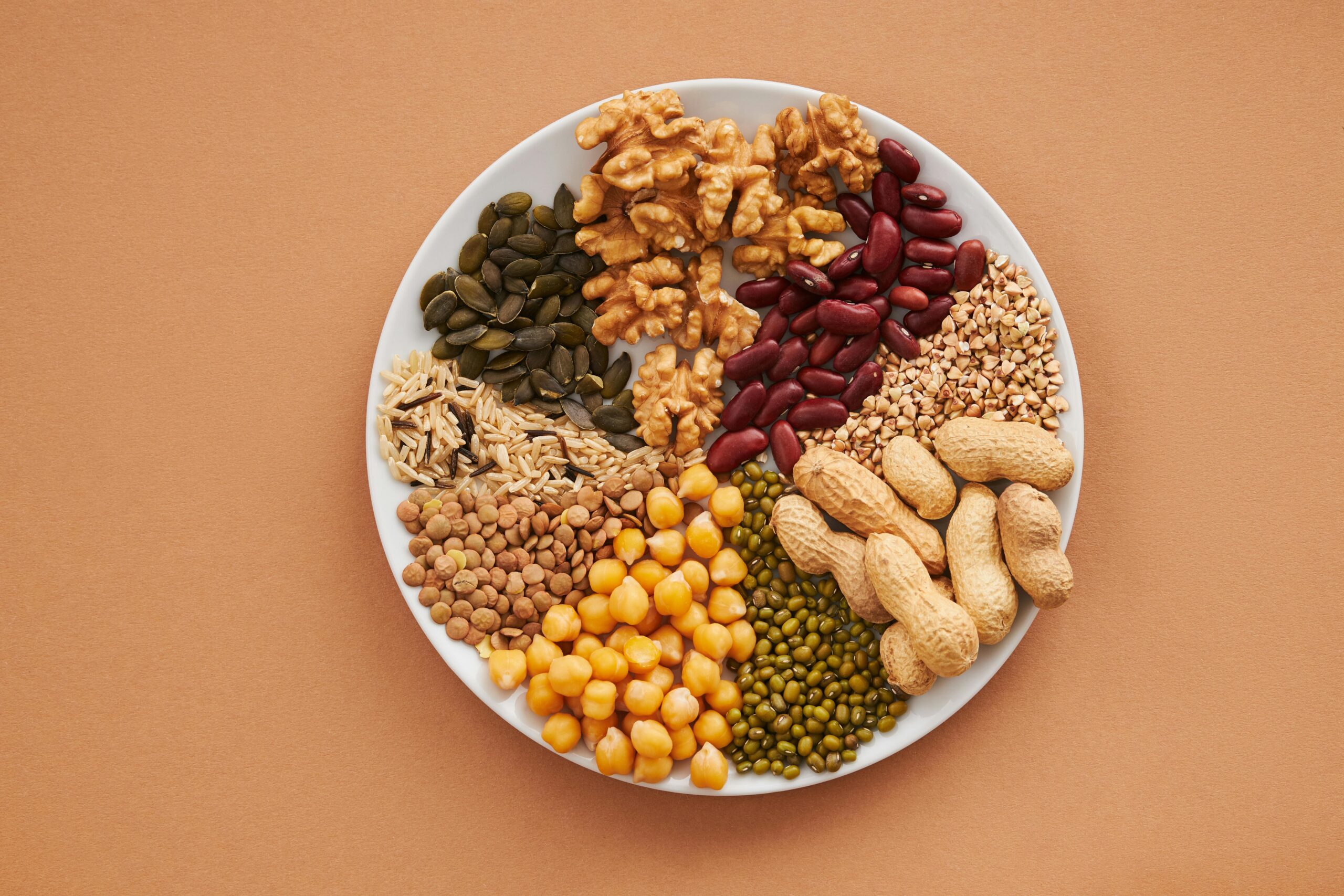
Protein serves as the building block for muscles, hormones, enzymes, and immune cells. Aim for 0.8-1.2 grams per kilogram of body weight daily, increasing toward the higher end if you’re physically active or over 50. Quality sources include lean meats, fish, eggs, legumes, nuts, and dairy products.
Carbohydrates are your body’s preferred fuel source, particularly for brain function. Focus on complex carbohydrates like whole grains, quinoa, sweet potatoes, and oats rather than refined sugars and white flour products. These provide sustained energy without the blood sugar roller coaster.
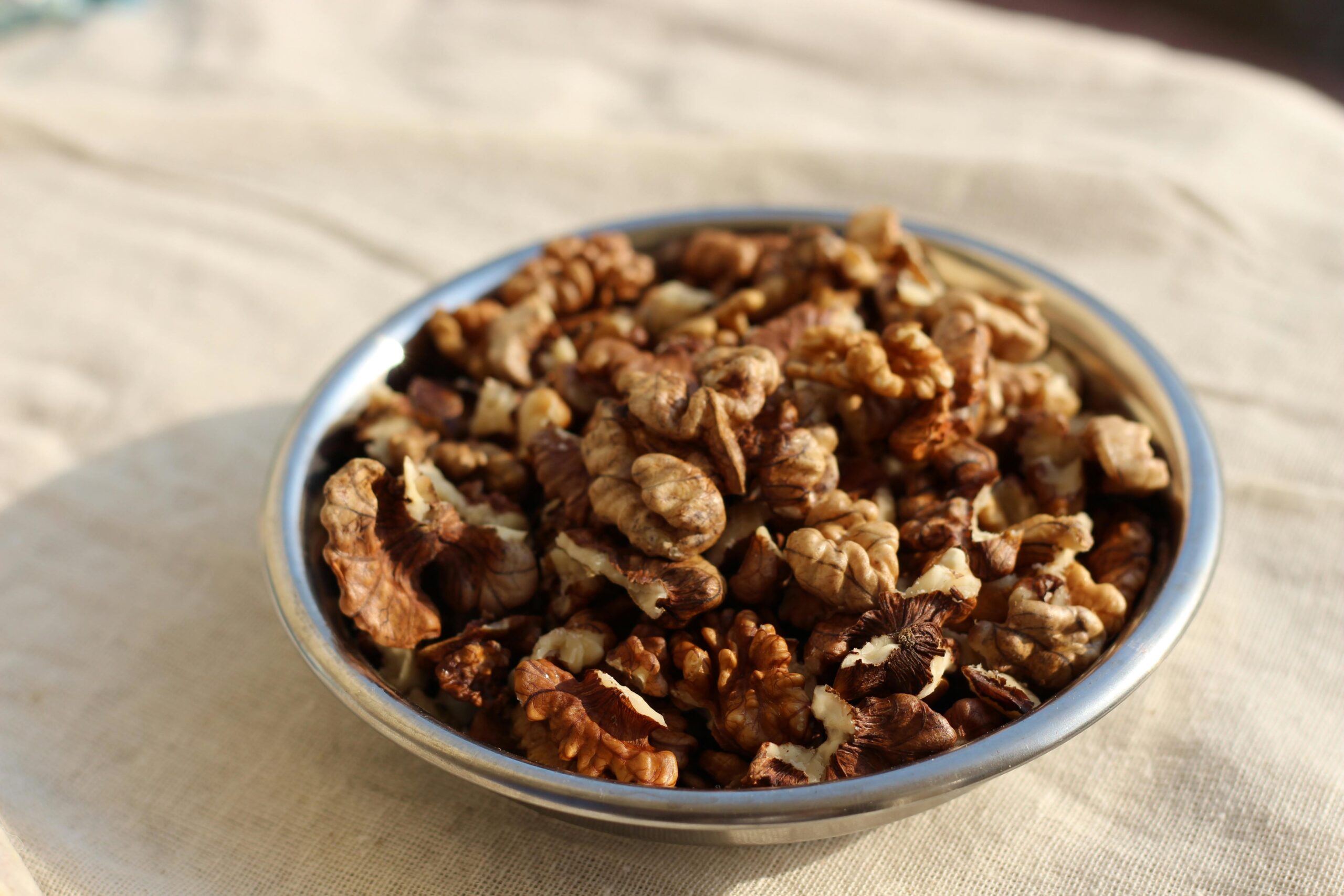
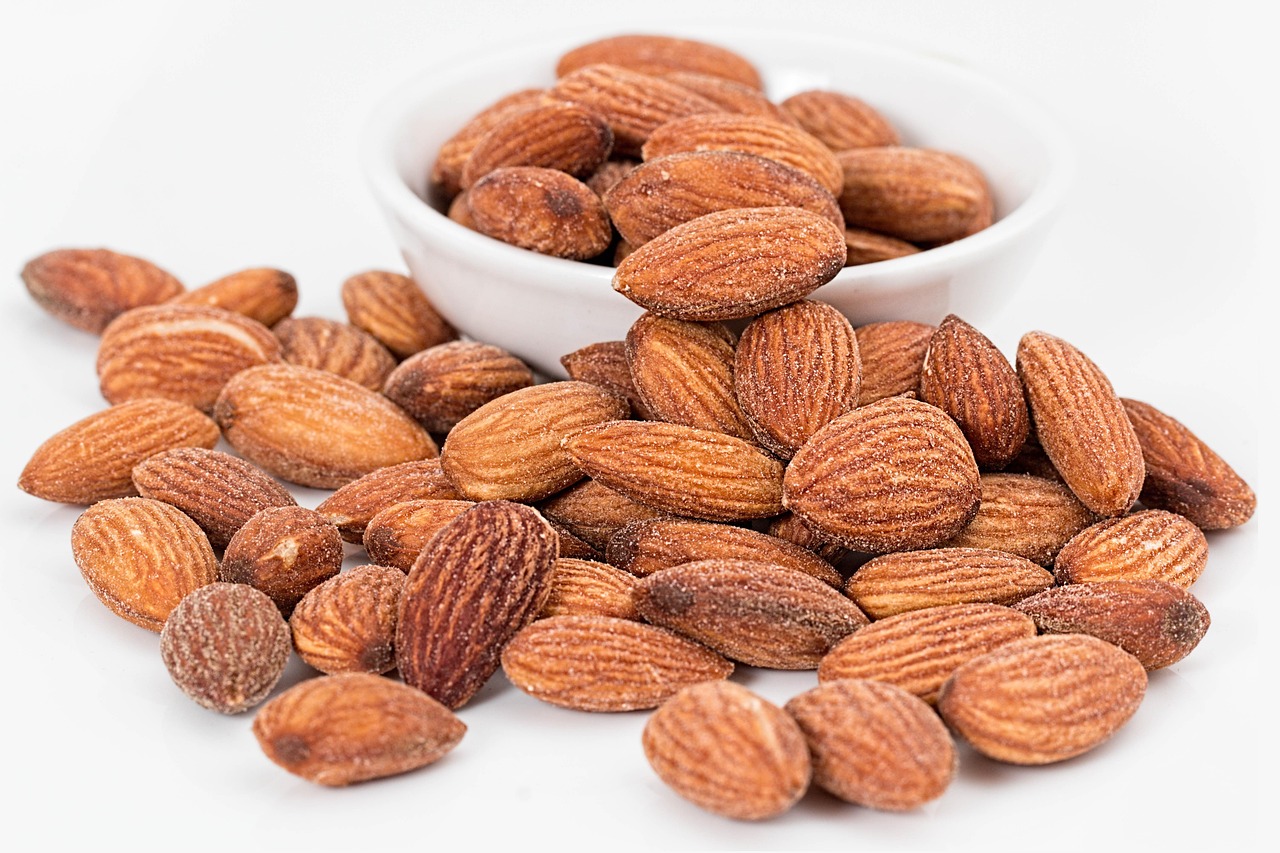
Healthy fats from avocados, olive oil, nuts, seeds, and fatty fish support hormone production, nutrient absorption, and brain health. Contrary to outdated nutrition advice, these fats are essential for wellbeing and should comprise about 20-35% of your daily calories.
🌟 Your Micronutrient Checklist for Optimal Health
While macronutrients provide energy and structure, micronutrients orchestrate thousands of biochemical reactions that keep you alive and thriving. Deficiencies in even small amounts of these vital compounds can significantly impact your health.
Critical Vitamins and Their Food Sources
Vitamin D, the sunshine vitamin, supports bone health, immune function, and mood regulation. Despite its name, it functions more like a hormone. Get moderate sun exposure and consume fortified dairy products, fatty fish, and egg yolks. Many people benefit from supplementation, especially during winter months.
B vitamins, particularly B12, B6, and folate, are crucial for energy metabolism, red blood cell formation, and nervous system health. Find these in whole grains, leafy greens, legumes, meat, and nutritional yeast. Vegetarians and vegans should monitor B12 levels closely and consider supplementation.
Vitamin C acts as a powerful antioxidant and supports immune function and collagen production. Citrus fruits, berries, bell peppers, and broccoli provide abundant amounts. Unlike most animals, humans cannot produce vitamin C and must obtain it through diet.
Vitamin A supports vision, skin health, and immune function. Consume orange and yellow vegetables like carrots and sweet potatoes (providing beta-carotene), as well as animal sources like liver and dairy for preformed vitamin A.
Essential Minerals Your Body Cannot Ignore
Iron carries oxygen throughout your body and prevents anemia. Women of childbearing age need approximately 18mg daily, while men need 8mg. Red meat provides highly absorbable heme iron, while plant sources like spinach, lentils, and fortified cereals offer non-heme iron that’s better absorbed with vitamin C.
Magnesium participates in over 300 enzymatic reactions, including energy production, muscle function, and stress management. Dark leafy greens, nuts, seeds, whole grains, and dark chocolate are excellent sources. Many people don’t consume adequate magnesium through diet alone.
Calcium builds strong bones and teeth while supporting muscle contraction and nerve signaling. Dairy products are well-known sources, but you can also obtain calcium from fortified plant milks, sardines with bones, tofu, and leafy greens.
Potassium regulates fluid balance, blood pressure, and muscle contractions. Bananas are famous for potassium content, but sweet potatoes, white potatoes, avocados, and spinach actually contain more per serving. Aim for 2,600-3,400mg daily.
⚡ Electrolytes: The Hydration Enhancers
Electrolytes are minerals that carry an electrical charge and regulate fluid balance, nerve signals, and muscle function. The primary electrolytes—sodium, potassium, chloride, magnesium, calcium, phosphate, and bicarbonate—work together to maintain proper hydration at the cellular level.
Plain water alone cannot always maintain electrolyte balance, especially during intense exercise, hot weather, or illness. When you sweat profusely or experience fluid loss through vomiting or diarrhea, you lose significant electrolytes that must be replaced.
Natural electrolyte sources include coconut water (high in potassium), watermelon (contains potassium and magnesium), bananas, leafy greens, and even a pinch of sea salt in your water. For athletes or those with high sweat rates, electrolyte drinks can prevent cramping, fatigue, and performance decline.
🍽️ Practical Meal Planning for Nutrient Density
Creating meals that satisfy both your taste buds and nutritional needs doesn’t require culinary expertise—just thoughtful planning and smart substitutions. Focus on nutrient density, which means choosing foods that pack the most nutritional value per calorie.
Building Your Weekly Nutrition Foundation
Dedicate one day weekly to meal prep, washing and chopping vegetables, cooking grains in batches, and preparing protein sources. This investment of 2-3 hours creates effortless healthy eating throughout the week when time and energy are limited.
Breakfast should combine protein, healthy fats, and complex carbohydrates to stabilize blood sugar and sustain energy. Try Greek yogurt with berries and nuts, eggs with avocado and whole grain toast, or overnight oats with chia seeds and almond butter.
Lunch benefits from being your largest meal when digestive fire is strongest. Include a palm-sized portion of protein, two fists of vegetables, a cupped handful of carbohydrates, and a thumb-sized portion of healthy fats. This formula works for bowls, salads, or plated meals.
Dinner should be lighter and earlier when possible, ideally 3-4 hours before bedtime. This timing supports better sleep and allows your body to focus on cellular repair rather than heavy digestion overnight.
🔍 Monitoring Your Hydration and Nutrition Status
Awareness precedes improvement. Regularly assessing your hydration and nutritional status helps you make informed adjustments before minor imbalances become significant health issues.
Simple Self-Assessment Techniques
The urine color test remains one of the simplest hydration indicators. Pale yellow resembling lemonade signals proper hydration, while dark yellow or amber indicates you need more fluids. Clear urine might suggest overhydration, which can dilute electrolytes.
Track your energy levels throughout the day. Consistent energy without significant crashes typically indicates balanced blood sugar and adequate nutrition. Mid-afternoon slumps often signal protein or complex carbohydrate deficiencies at lunch.
Monitor your skin health, as it reflects internal hydration and nutrient status. Dry, flaky skin may indicate dehydration or essential fatty acid deficiency. Slow wound healing can suggest vitamin C, zinc, or protein inadequacy.
Keep a food and symptom journal for 1-2 weeks periodically. This practice reveals patterns between what you eat, how you feel, and your energy levels, helping identify potential sensitivities or deficiencies.
🏃♀️ Adjusting Your Strategy for Activity Levels
Your hydration and nutrition needs aren’t static—they fluctuate based on physical activity, stress levels, and environmental conditions. Athletes and highly active individuals have significantly different requirements than sedentary people.
Before exercise, consume 16-20 ounces of water 2-3 hours prior, followed by another 8-10 ounces 15-20 minutes before starting. This prehydration strategy optimizes performance and reduces injury risk.
Post-workout nutrition timing matters significantly. Consume protein and carbohydrates within 30-60 minutes after exercise to support muscle recovery and glycogen replenishment. A 3:1 or 4:1 ratio of carbohydrates to protein works well for most people.
Endurance athletes require more strategic fueling during activities lasting over 90 minutes, including easily digestible carbohydrates and electrolytes every 45-60 minutes to maintain performance and prevent bonking.
🌡️ Seasonal Considerations for Hydration and Nutrition
Your body’s needs shift with the seasons, requiring dietary adjustments to maintain optimal balance. Summer heat increases fluid and electrolyte requirements, while winter often demands more calories and immune-supporting nutrients.
During hot months, increase your baseline water intake by 20-30% and consume more water-rich fruits and vegetables like cucumbers, watermelon, berries, and lettuce. These foods provide hydration plus vitamins and antioxidants that protect against heat stress.
Winter calls for warming, nutrient-dense foods like soups, stews, and roasted vegetables. Increase vitamin D awareness during darker months, and consume more immune-supporting foods rich in vitamin C, zinc, and antioxidants to ward off seasonal illnesses.
💊 When Supplementation Makes Sense
While whole foods should form your nutritional foundation, strategic supplementation can address gaps that diet alone cannot always fill, especially in our modern environment with depleted soils and busy lifestyles.
A high-quality multivitamin serves as nutritional insurance, covering potential gaps in your diet. Choose versions with methylated B vitamins for better absorption and avoid synthetic additives or megadoses that exceed recommended daily values.
Omega-3 fatty acids from fish oil or algae oil support heart health, brain function, and inflammation control. Most people don’t consume enough fatty fish to meet optimal omega-3 levels, making supplementation beneficial.
Vitamin D supplementation is recommended for most people living in northern latitudes or those who don’t get regular sun exposure. Have your levels tested and work with a healthcare provider to determine your ideal dose.
Probiotics support gut health, which influences nutrient absorption, immune function, and even mental health. Rotate different strains and combine with prebiotic-rich foods like garlic, onions, and asparagus for best results.
🎯 Your Action-Ready Hydration and Nutrition Checklist
Transform knowledge into consistent action with this practical daily checklist that makes optimal hydration and nutrition automatic rather than overwhelming:
- Start each morning with 16-20 ounces of water before coffee or breakfast
- Eat protein with every meal to stabilize blood sugar and support satiety
- Include at least 5 servings of colorful vegetables and fruits daily
- Drink water consistently throughout the day, not just when thirsty
- Consume healthy fats at each meal for hormone production and nutrient absorption
- Choose whole grains over refined carbohydrates for sustained energy
- Eat mindfully without screens, chewing thoroughly and savoring flavors
- Limit processed foods, added sugars, and excessive sodium
- Plan and prepare meals in advance to avoid poor food choices when stressed
- Monitor your urine color as a hydration indicator throughout the day
- Adjust fluid intake based on activity level, weather, and sweat loss
- Include fermented foods like yogurt, kefir, or sauerkraut for gut health
- Stay aware of hunger versus thirst signals—sometimes you’re just dehydrated
- Take strategic supplements only after assessing dietary gaps or consulting professionals
- Keep healthy snacks accessible to prevent emergency junk food consumption

🌈 Creating Sustainable Habits for Long-Term Success
Perfect nutrition and hydration aren’t about rigid rules or short-term diets—they’re about building sustainable habits that support your health throughout your lifetime. Small, consistent actions compound into remarkable transformations over time.
Start with one or two changes from this checklist rather than overhauling everything simultaneously. Master those habits before adding new ones. This approach prevents overwhelm and creates lasting change rather than temporary motivation.
Prepare your environment for success by keeping a water bottle visible on your desk, storing cut vegetables at eye level in your refrigerator, and removing tempting processed foods from your home. Your environment shapes your choices more than willpower alone.
Find accountability through apps, friends, or family members who share your health goals. Social support significantly increases adherence to healthy habits and makes the journey more enjoyable.
Remember that occasional indulgences are part of a balanced life. A single less-than-perfect meal won’t derail your progress—it’s the consistent patterns over weeks and months that determine your health outcomes. Practice self-compassion and simply return to your healthy habits at the next meal.
Your journey toward optimal hydration and nutrient balance is personal and ever-evolving. Listen to your body’s signals, stay curious about how different foods and hydration strategies affect your energy and wellbeing, and adjust accordingly. With this comprehensive checklist as your guide, you’re well-equipped to nourish yourself properly, stay consistently hydrated, and experience the vibrant health that comes from giving your body exactly what it needs to thrive. 🌟