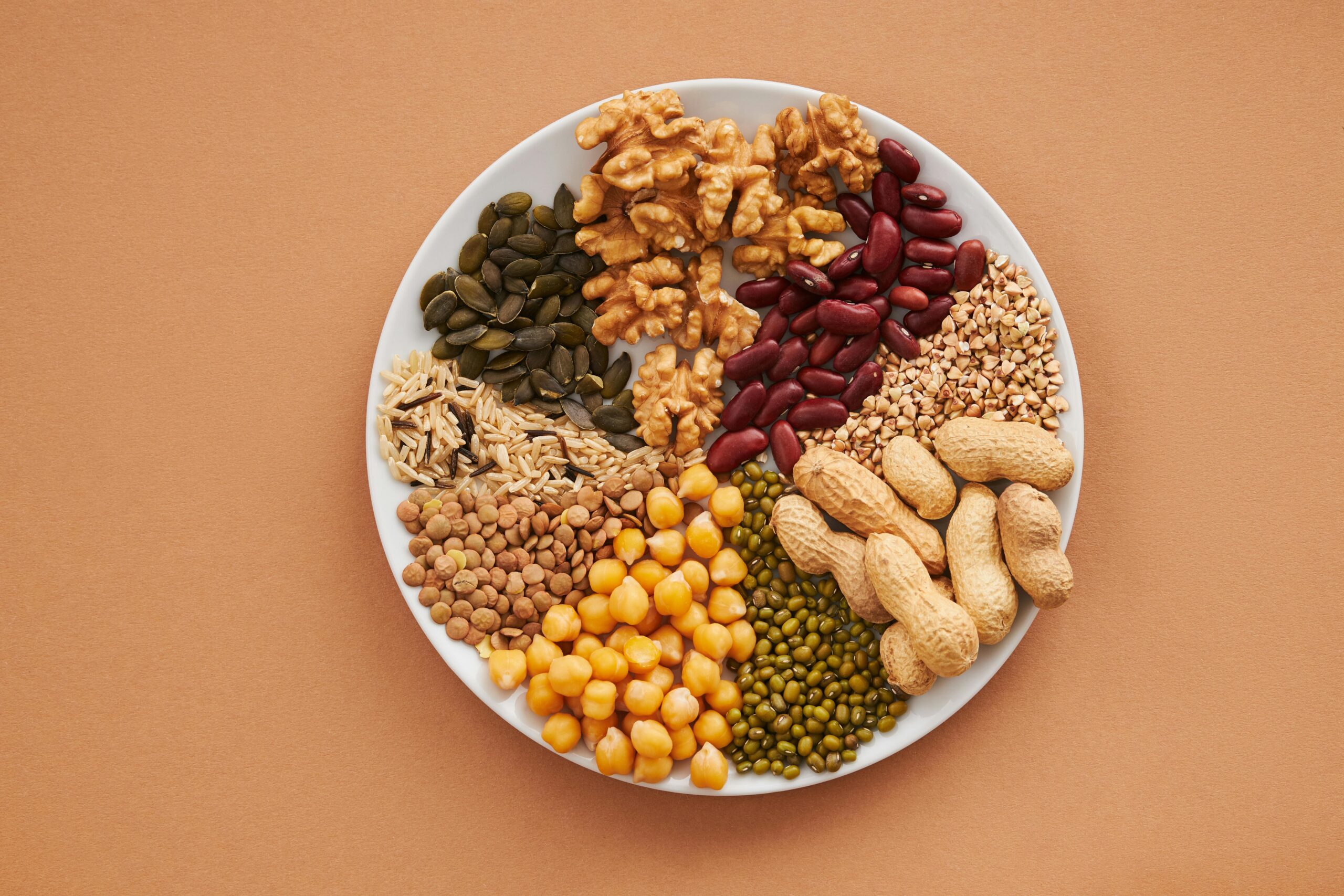
Imagine waking up every morning with boundless energy, mental clarity, and a body that feels truly alive. This isn’t a fantasy—it’s the natural result of giving your body the balanced nutrition it desperately needs to thrive.

The modern diet has left many of us running on empty, experiencing fatigue, brain fog, and a general sense of being unwell. The solution isn’t found in expensive supplements or restrictive diets, but in understanding and implementing a daily nutrient balance that transforms your health from the inside out. Let’s explore how you can unlock your body’s incredible potential through strategic nutritional choices that fuel vibrant living.
🌟 Understanding Your Body’s Nutritional Blueprint
Your body is an extraordinary machine that requires specific nutrients to function optimally. Every cell, tissue, and organ depends on a complex orchestra of vitamins, minerals, proteins, fats, and carbohydrates working in harmony. When even one nutrient falls short, the entire system can suffer consequences ranging from subtle energy dips to serious health challenges.
The concept of nutrient balance goes beyond simply eating “healthy foods.” It involves understanding macronutrients—proteins, carbohydrates, and fats—alongside micronutrients like vitamins and minerals. Each plays irreplaceable roles in everything from energy production and immune function to mood regulation and cellular repair.
Think of your daily nutrition as building blocks for health. Without the right materials, your body cannot construct strong bones, maintain healthy skin, produce hormones, or protect against disease. The quality and variety of what you consume directly determines whether you’re merely surviving or genuinely thriving.
The Protein Powerhouse: Building Blocks for Vitality
Protein stands as one of the most critical macronutrients for maintaining vibrant health. Beyond muscle building, protein supports immune function, hormone production, enzyme creation, and tissue repair throughout your entire body. Adults generally need between 0.8 to 1.2 grams of protein per kilogram of body weight daily, with active individuals requiring amounts on the higher end.
Quality matters tremendously when selecting protein sources. Complete proteins containing all essential amino acids include animal products like lean meats, fish, eggs, and dairy, as well as plant-based options like quinoa, soy, and certain bean combinations. Diversifying your protein sources ensures you receive a full spectrum of amino acids alongside other beneficial nutrients.
Timing your protein intake strategically throughout the day optimizes its benefits. Rather than consuming most protein at dinner, distribute it across meals to support continuous muscle protein synthesis, stabilize blood sugar levels, and maintain sustained energy from morning until night.
Smart Protein Choices for Every Meal 🥚
Breakfast protein options should jumpstart your metabolism and provide lasting satiety. Greek yogurt, eggs, protein smoothies with quality powder, or overnight oats with nuts offer excellent morning fuel. These choices prevent mid-morning energy crashes and reduce cravings for sugary snacks.
Lunch and dinner proteins might include wild-caught fish rich in omega-3 fatty acids, organic poultry, grass-fed beef in moderation, legumes, tofu, or tempeh. Combining animal and plant proteins throughout the week provides nutritional diversity while supporting environmental sustainability.
Carbohydrates: Your Body’s Preferred Energy Currency
Despite unfair demonization in popular diet culture, carbohydrates serve as your body’s primary and most efficient energy source. The key lies not in eliminating carbs but in choosing complex carbohydrates that provide sustained energy, fiber, and essential nutrients while avoiding refined options that spike blood sugar and leave you crashing.
Complex carbohydrates from whole grains, vegetables, fruits, and legumes release glucose gradually into your bloodstream, providing steady energy for both physical activity and brain function. Your brain alone consumes approximately 120 grams of glucose daily—that’s 420 calories dedicated exclusively to keeping your mind sharp and focused.
Fiber, found abundantly in quality carbohydrate sources, supports digestive health, feeds beneficial gut bacteria, helps control cholesterol levels, and promotes feelings of fullness. Adults should aim for 25-35 grams of fiber daily, yet most consume less than half this amount, missing out on profound health benefits.
Selecting Superior Carbohydrate Sources
Prioritize whole grains like quinoa, brown rice, oats, barley, and whole wheat products over their refined counterparts. These retain the bran and germ, preserving fiber, B vitamins, minerals, and beneficial plant compounds stripped away during refinement processes.
Colorful vegetables and fruits should dominate your carbohydrate intake, providing not only energy but also antioxidants, vitamins, minerals, and phytonutrients that protect against disease. Aim for a rainbow of colors throughout the week—deep greens, vibrant oranges, rich purples, and bright reds—each color representing different protective compounds.
Healthy Fats: Essential for Hormones, Brain, and Vitality ✨
Dietary fat has experienced quite the reputation roller coaster, from villain to hero and back again. The truth is nuanced: certain fats are absolutely essential for optimal health, supporting hormone production, brain function, nutrient absorption, and cellular integrity, while others contribute to inflammation and disease when consumed excessively.
Omega-3 fatty acids, particularly EPA and DHA found in fatty fish, stand among the most beneficial fats for human health. These powerful compounds reduce inflammation, support cardiovascular health, enhance brain function, and may even improve mood. Plant-based ALA omega-3s from sources like flaxseeds, chia seeds, and walnuts offer benefits too, though they convert inefficiently to EPA and DHA.
Monounsaturated fats from olive oil, avocados, and nuts support heart health and help reduce harmful LDL cholesterol while maintaining beneficial HDL cholesterol. Meanwhile, saturated fats from animal products and tropical oils should be consumed in moderation, and trans fats from partially hydrogenated oils should be avoided entirely.
Balancing Your Fat Intake for Optimal Health
Approximately 20-35% of your daily calories should come from fats, with emphasis on unsaturated varieties. Include fatty fish like salmon, mackerel, or sardines at least twice weekly, use extra virgin olive oil as your primary cooking and dressing oil, snack on raw nuts and seeds, and enjoy avocado regularly.
Pay attention to omega-6 to omega-3 ratios in your diet. While both are essential, modern diets typically provide excessive omega-6 from vegetable oils and processed foods, creating an inflammatory imbalance. Reducing processed foods and increasing omega-3-rich foods helps restore this critical balance.
Micronutrients: The Mighty Vitamins and Minerals
While needed in smaller quantities than macronutrients, vitamins and minerals are absolutely non-negotiable for health. These micronutrients enable thousands of bodily processes, from energy production and immune function to bone health and antioxidant protection. Deficiencies, even mild ones, can manifest as fatigue, poor immunity, mood disturbances, and increased disease risk.
Vitamin D, often called the “sunshine vitamin,” supports bone health, immune function, and mood regulation, yet deficiency affects nearly half the global population. Iron enables oxygen transport throughout your body, with deficiency causing fatigue and cognitive impairment, particularly common among women of childbearing age.
B vitamins support energy metabolism, nervous system function, and red blood cell formation. Magnesium participates in over 300 enzymatic reactions, supporting muscle and nerve function, blood pressure regulation, and bone health. Zinc strengthens immune function and wound healing, while calcium and vitamin K work synergistically to maintain strong bones.
Creating Your Micronutrient Strategy 💊
The best approach to micronutrient sufficiency involves eating a varied, colorful, whole-foods diet rather than relying heavily on supplements. Different foods provide different nutrient profiles, so dietary diversity ensures comprehensive coverage of your nutritional needs.
Dark leafy greens like kale, spinach, and Swiss chard offer vitamins A, C, K, folate, iron, and calcium. Colorful berries provide antioxidants and vitamin C. Nuts and seeds deliver magnesium, zinc, selenium, and vitamin E. Fatty fish offers vitamin D and B vitamins. Legumes provide iron, zinc, and B vitamins. Together, these foods create a powerful nutritional foundation.
Hydration: The Overlooked Foundation of Health
Water comprises approximately 60% of adult body weight and participates in virtually every physiological process. Adequate hydration supports nutrient transport, waste removal, temperature regulation, joint lubrication, cognitive function, and energy levels. Yet chronic mild dehydration affects countless people, subtly undermining their health and vitality.
Individual hydration needs vary based on body size, activity level, climate, and diet, but a general guideline suggests approximately 2-3 liters daily for most adults. Pay attention to your body’s signals—thirst, dark urine, dry mouth, fatigue, and headaches often indicate insufficient fluid intake.
While plain water should form the foundation of hydration, herbal teas, water-rich fruits and vegetables, and even coffee and tea contribute to daily fluid intake. However, sugary beverages, excessive caffeine, and alcohol can actually promote dehydration and should be consumed mindfully or avoided.
Your Personalized Daily Nutrient Balance Checklist 📋
Creating sustainable nutritional habits requires a practical, actionable approach. This daily checklist helps ensure you’re meeting your body’s needs consistently without overwhelming complexity or restriction.
- Protein at every meal: Include a palm-sized portion of quality protein with breakfast, lunch, and dinner to support muscle maintenance, satiety, and metabolic function.
- Five servings of colorful produce: Aim for at least three vegetable servings and two fruit servings daily, prioritizing variety and color diversity for maximum nutrient density.
- Whole grains over refined: Choose brown rice, quinoa, oats, or whole grain bread instead of white rice, regular pasta, or white bread to increase fiber and nutrient intake.
- Healthy fats with most meals: Add avocado, nuts, seeds, olive oil, or fatty fish to provide essential fatty acids and enhance absorption of fat-soluble vitamins.
- Eight glasses of water: Spread hydration throughout the day, drinking water upon waking, between meals, and before, during, and after exercise.
- Limit processed foods: Minimize consumption of packaged snacks, fast food, sugary beverages, and products with long ingredient lists full of unrecognizable items.
- Mindful eating practices: Eat slowly, chew thoroughly, minimize distractions during meals, and pay attention to hunger and fullness cues.
Tracking Your Nutrition for Sustainable Success 📱
While intuitive eating represents an ideal long-term approach, initially tracking your nutrition can reveal surprising insights about your actual intake versus what you think you’re consuming. Many people significantly underestimate calorie intake while overestimating nutrient density, making tracking a valuable educational tool.
Nutrition tracking applications help identify patterns, highlight deficiencies, and create awareness around portion sizes and food choices. These digital tools calculate macronutrient ratios, track micronutrients, log hydration, and even provide recipe suggestions based on your nutritional goals and preferences.
Remember that tracking serves as a learning tool rather than a permanent requirement. Once you develop intuition about portion sizes, food composition, and balanced eating patterns, you can transition to a more relaxed approach while maintaining the healthy habits you’ve established.
Overcoming Common Nutritional Obstacles
Even with knowledge and intention, various obstacles can derail nutritional consistency. Time constraints, budget limitations, family preferences, social pressures, and emotional eating patterns all present real challenges that require practical strategies rather than simple willpower.
Meal planning and batch cooking transform nutrition from daily stress into manageable routine. Dedicating a few hours weekly to preparing components—washing and chopping vegetables, cooking grains and proteins, preparing healthy snacks—makes nutritious choices convenient when time is limited during busy weekdays.
Budget-Friendly Nutrition Strategies 💰
Contrary to popular belief, healthy eating needn’t break the bank. Purchasing seasonal produce, buying dried beans and grains in bulk, choosing frozen fruits and vegetables (nutritionally comparable to fresh), preparing meals at home, and reducing food waste through proper storage and creative use of leftovers all significantly reduce costs while improving nutrition.
Generic or store-brand healthy products often match name-brand quality at lower prices. Shopping the perimeter of grocery stores where whole foods are typically located, using shopping lists to avoid impulse purchases, and avoiding shopping while hungry further supports both nutritional and financial goals.
The Mind-Body Connection: Nutrition Beyond Physical Health
Emerging research reveals profound connections between nutrition and mental health, with dietary patterns significantly influencing mood, cognitive function, and even mental health conditions. The gut-brain axis, a bidirectional communication system between your digestive tract and brain, means that what you eat directly impacts how you think and feel.
Nutrients like omega-3 fatty acids, B vitamins, magnesium, zinc, and probiotics support neurotransmitter production, reduce inflammation in the brain, and promote the growth of beneficial gut bacteria that influence mental wellbeing. Conversely, diets high in processed foods, sugar, and unhealthy fats correlate with increased rates of depression, anxiety, and cognitive decline.
Stable blood sugar through balanced meals prevents the mood swings, irritability, and anxiety that accompany blood sugar crashes. Adequate protein provides amino acids necessary for producing serotonin, dopamine, and other mood-regulating neurotransmitters. Proper hydration supports concentration and prevents the fatigue and irritability that accompany even mild dehydration.
Adapting Your Nutrition Through Life Stages
Nutritional needs evolve throughout life, with different stages requiring adjustments to maintain optimal health. Children and teenagers need adequate nutrients to support rapid growth and development. Young adults benefit from establishing healthy patterns that prevent future disease. Middle-aged adults should focus on preventing chronic conditions while maintaining muscle mass and bone density.
Older adults often require fewer total calories but need nutrient-dense foods to meet micronutrient needs in smaller portions. Increased protein intake helps combat age-related muscle loss, calcium and vitamin D support bone health, and adequate fiber prevents digestive issues that become more common with aging.
Pregnancy and breastfeeding dramatically increase nutritional requirements, particularly for folate, iron, calcium, and overall calories. Athletes need additional calories, protein, and specific nutrients to support training demands and recovery. Individual health conditions may necessitate further dietary modifications under professional guidance.

Building Your Vibrant Future One Meal at a Time 🌈
Transforming your health through nutrition doesn’t require perfection or restriction—it requires consistency, patience, and self-compassion. Small, sustainable changes compound over time into remarkable results. Start by adding nutritious foods rather than focusing exclusively on elimination, crowding out less healthy options naturally as your palate adapts and cravings shift.
Listen to your body’s wisdom, noticing how different foods make you feel energetically, mentally, and physically. This biofeedback provides personalized guidance that no generic diet plan can match. Some people thrive on higher carbohydrate intake, others feel better with more protein and fat. Honor your individual needs rather than blindly following trends.
Celebrate progress rather than pursuing perfection. Each nutritious meal represents an investment in your future health, energy, and quality of life. Occasional indulgences don’t derail your overall trajectory when balanced with consistent healthy choices. This sustainable, balanced approach creates lasting transformation rather than the temporary results of restrictive dieting.
Your journey toward vibrant, energized living begins with the very next meal you consume. Armed with knowledge about nutrient balance and practical strategies for implementation, you now possess the tools to unlock your body’s incredible potential. The choice to nourish yourself optimally—supporting not just survival but genuine thriving—remains entirely within your power, one mindful, nutritious decision at a time.