Modern life moves fast, and keeping up with proper nutrition often feels like an impossible task. Between work deadlines, family commitments, and personal responsibilities, maintaining a balanced diet becomes just another item on an endless to-do list.

Yet the food choices you make directly impact your energy levels, mental clarity, and overall well-being. Understanding how to fuel your body efficiently doesn’t require complicated meal plans or hours in the kitchen. With strategic approaches and smart shortcuts, anyone can master nutrient balance regardless of their schedule. The key lies in working smarter, not harder, when it comes to daily nutrition habits.
⚡ Why Nutrient Balance Matters More Than Ever
Your body operates like a high-performance machine that requires specific fuel to function optimally. When you consistently provide balanced nutrition, you experience sustained energy throughout the day rather than the crashes that come from poor food choices. Macronutrients—proteins, carbohydrates, and fats—work together to support everything from brain function to muscle repair.
Micronutrients, including vitamins and minerals, play equally critical roles in maintaining immune function, bone health, and cellular processes. A deficiency in even one essential nutrient can trigger fatigue, mood swings, weakened immunity, and decreased productivity. For busy professionals and active individuals, these consequences directly affect performance and quality of life.
Research consistently shows that balanced nutrition improves concentration, reduces stress levels, and enhances physical stamina. When you skip meals or rely on processed convenience foods, you’re essentially running your body on low-quality fuel that creates more problems than it solves.
🍽️ Understanding the Foundation: Macronutrients Simplified
Getting the right balance of macronutrients doesn’t require complex calculations or restrictive dieting. Think of proteins as your body’s building blocks, essential for muscle maintenance, hormone production, and tissue repair. Aim to include a palm-sized portion of quality protein with each main meal—whether it’s chicken, fish, eggs, legumes, or tofu.
Carbohydrates serve as your primary energy source, particularly for brain function and physical activity. The distinction between simple and complex carbohydrates matters significantly. Complex carbs from whole grains, vegetables, and fruits provide steady energy release, while simple sugars cause rapid spikes and crashes in blood glucose levels.
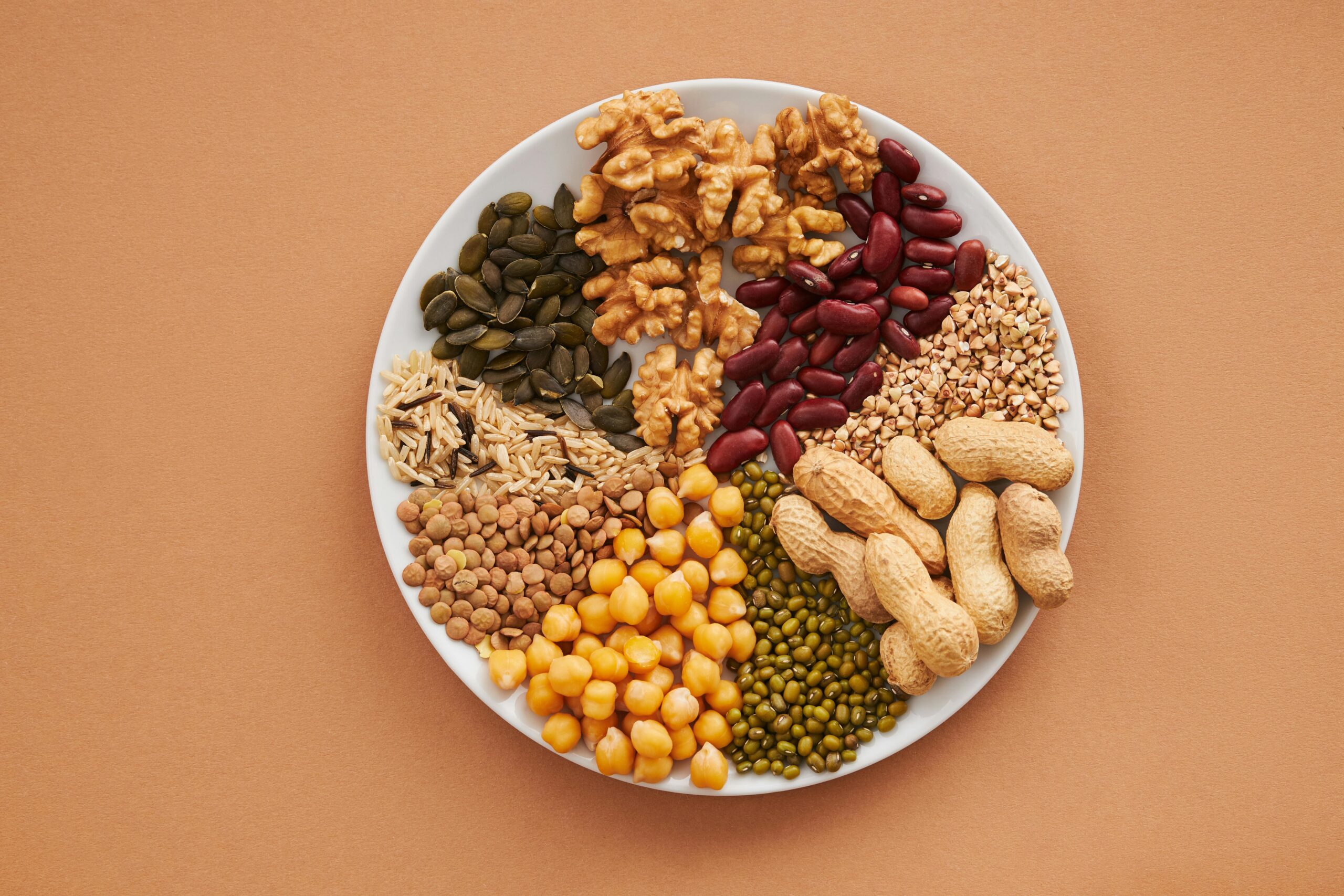
Healthy fats often get unfairly villainized, but they’re crucial for nutrient absorption, brain health, and hormone regulation. Sources like avocados, nuts, seeds, olive oil, and fatty fish provide essential omega-3 and omega-6 fatty acids that support cardiovascular health and reduce inflammation.
The Practical Plate Method
Forget measuring cups and food scales. The plate method offers a visual approach to balanced meals that works perfectly for busy schedules. Fill half your plate with colorful vegetables and fruits, one quarter with lean protein, and the remaining quarter with whole grains or starchy vegetables. Add a small amount of healthy fat, and you’ve created a nutritionally complete meal in seconds.
This simple framework automatically ensures appropriate portions and nutrient variety without requiring detailed tracking. Whether you’re preparing lunch at home or ordering at a restaurant, the plate method provides an instant mental template for balanced eating.
🥗 Micronutrients: The Small Players with Big Impact
While macronutrients provide energy and structure, micronutrients orchestrate thousands of biochemical reactions that keep you functioning. Vitamin D supports immune function and mood regulation, yet many people remain deficient due to limited sun exposure. B vitamins convert food into usable energy and support nervous system health. Iron carries oxygen throughout your body, preventing the fatigue associated with anemia.
The beauty of focusing on whole foods is that you naturally obtain a wide spectrum of micronutrients. Colorful vegetables and fruits contain different phytonutrients—plant compounds with protective properties. Dark leafy greens provide calcium, iron, and folate. Orange and red vegetables deliver beta-carotene and vitamin C. Berries pack antioxidants that combat cellular damage.
Rather than obsessing over individual vitamins, aim for dietary diversity. Eating a rainbow of plant foods throughout the week ensures comprehensive micronutrient coverage without requiring encyclopedic nutrition knowledge.
⏰ Time-Saving Strategies That Actually Work
The biggest barrier to healthy eating isn’t knowledge—it’s time. Implementing efficient systems transforms nutrition from overwhelming burden to manageable routine. Batch cooking dedicates a few hours on weekends to preparing foundation foods that form the basis of multiple meals throughout the week.
Cook large quantities of proteins like grilled chicken, baked salmon, or seasoned beans. Roast several sheet pans of mixed vegetables. Prepare whole grains in bulk—quinoa, brown rice, or farro. Store these components in individual containers, and you’ve created a mix-and-match system for assembling balanced meals in minutes.
The Power of Strategic Meal Prep
Meal prep doesn’t mean eating identical meals seven days straight. Instead, prepare versatile ingredients that combine differently for variety. Grilled chicken works in salads, grain bowls, wraps, or with roasted vegetables. The same roasted sweet potatoes appear in breakfast hashes, lunch bowls, or as dinner sides with different seasonings.
Invest in quality storage containers that make portioning and transporting meals effortless. Glass containers maintain food quality better than plastic and can go from refrigerator to microwave. Label containers with contents and dates to prevent waste and maintain organization.
🛒 Smart Shopping for Maximum Efficiency
Your nutrition success starts in the grocery store. Shopping without a plan leads to impulse purchases, wasted food, and reliance on less nutritious convenience items. Create a master shopping list organized by store sections, including your go-to staples for proteins, produce, whole grains, and healthy fats.
Shop the perimeter of the store first, where fresh whole foods typically reside. The interior aisles contain more processed options, though they also house important staples like canned beans, whole grain pasta, and healthy oils. Reading labels becomes easier when you know what to look for: minimal ingredient lists, recognizable components, and limited added sugars or sodium.
Frozen vegetables and fruits deserve recognition as legitimate nutrition powerhouses. They’re picked at peak ripeness and flash-frozen, often retaining more nutrients than “fresh” produce that traveled thousands of miles. Keep your freezer stocked with mixed vegetables, berries, and other frozen fruits for instant additions to any meal.
Building Your Pantry Arsenal
A well-stocked pantry enables quick, nutritious meals even when fresh ingredients run low. Essential staples include canned beans, canned tomatoes, whole grain pasta, brown rice, quinoa, oats, nut butters, olive oil, vinegars, and a variety of herbs and spices. These ingredients form the foundation of countless healthy meals with minimal effort.
Canned fish like salmon, sardines, and tuna provide convenient protein and omega-3 fatty acids. Dried lentils and beans cost pennies per serving and cook quickly in an Instant Pot or pressure cooker. With these fundamentals always available, you’re never more than 20 minutes from a balanced meal.
🍳 Quick Wins: Nutrient-Dense Meals in Minutes
Breakfast often falls victim to rushed mornings, but it sets your nutritional tone for the entire day. Overnight oats require five minutes of evening prep for a ready-to-eat morning meal packed with fiber, protein, and healthy fats. Combine rolled oats, milk or yogurt, chia seeds, and fruit in a jar, refrigerate overnight, and grab it as you head out the door.
Smoothies deliver concentrated nutrition in drinkable form. Blend leafy greens, frozen fruit, protein powder or Greek yogurt, nut butter, and liquid for a complete meal in two minutes. Prepare smoothie packs in advance by portioning ingredients into freezer bags, making morning assembly even faster.
Eggs cook in minutes and provide high-quality protein plus important nutrients like choline and vitamin D. Keep hard-boiled eggs in your refrigerator for instant protein additions to any meal or snack. A veggie-packed frittata or scramble comes together in under ten minutes and easily reheats throughout the week.
Lightning-Fast Lunch Solutions
Mason jar salads layer ingredients strategically to prevent sogginess—dressing on bottom, hearty vegetables and proteins in the middle, delicate greens on top. Prepare five jars on Sunday for grab-and-go lunches all week. Grain bowls combine your batch-cooked components with fresh toppings for satisfying, balanced meals that taste different each day despite using similar ingredients.
Wraps and sandwiches get an upgrade with whole grain tortillas or bread, plenty of vegetables, quality protein, and flavorful spreads like hummus or avocado. These portable options work perfectly for desk lunches or meals eaten between appointments.
📱 Technology Tools for Nutrition Success
Modern technology offers powerful support for maintaining nutrient balance amidst busy schedules. Meal planning apps streamline the entire process from recipe selection to automated shopping lists. Many generate plans based on dietary preferences, family size, and available prep time, eliminating the mental load of deciding what to eat.
Nutrition tracking applications help identify patterns and gaps in your eating habits. While obsessive tracking isn’t necessary for everyone, periodic monitoring reveals valuable insights about protein intake, hydration levels, and micronutrient consumption. Some apps include barcode scanners that instantly log nutritional information.
Grocery delivery services save precious time while reducing impulse purchases. Creating standard orders for your regular staples means restocking nutritious foods requires just a few clicks. Many services now offer filters for dietary preferences, making it easier to discover new healthy products that align with your nutritional goals.
💪 Staying Consistent When Life Gets Chaotic
Perfect nutrition isn’t the goal—sustainable habits are. When unexpected demands disrupt your routine, having backup strategies prevents complete derailment. Keep emergency options available for truly overwhelming days: pre-washed salad greens, rotisserie chicken, microwaveable brown rice, and pre-cut vegetables enable a balanced meal with zero cooking.
Restaurant meals don’t automatically sabotage nutrition goals. Apply the plate method when ordering, prioritize protein and vegetables, request dressings and sauces on the side, and don’t hesitate to customize dishes. Most restaurants accommodate simple modifications that significantly improve nutritional value.
Progress matters more than perfection. If you manage balanced nutrition 80% of the time, you’ll experience the benefits without the stress of rigid rules. One less-than-ideal meal doesn’t erase consistent healthy habits, and tomorrow always offers a fresh start.
🥤 Hydration: The Often-Forgotten Foundation
Water doesn’t contain nutrients, yet it’s absolutely essential for every bodily function. Dehydration mimics hunger, causes fatigue, impairs concentration, and reduces physical performance. Most people consistently under-drink, especially when busy schedules distract from basic needs.
Keep water visible and accessible throughout your day. A reusable water bottle on your desk serves as a constant reminder. Set phone reminders if necessary until regular hydration becomes automatic. Herbal teas, infused water with fruit, and sparkling water count toward hydration goals while adding variety.
Coffee and tea contribute to fluid intake despite their mild diuretic effects. However, excessive caffeine can interfere with sleep and increase anxiety, potentially creating a cycle of poor rest and increased reliance on stimulants. Balance caffeinated beverages with plenty of plain water throughout the day.
🎯 Creating Your Personalized Nutrition Framework
Individual nutritional needs vary based on age, activity level, health conditions, and personal goals. While general principles apply universally, customization ensures your approach works specifically for your circumstances. Athletes require more carbohydrates and protein than sedentary individuals. Pregnancy and breastfeeding increase needs for specific nutrients like folate and iron.
Pay attention to how different foods make you feel. Some people thrive on higher carbohydrate intakes while others function better with more protein and fat. Digestive comfort, energy levels, mood stability, and sleep quality provide valuable feedback about whether your current approach serves you well.
Consider consulting with a registered dietitian for personalized guidance, especially if you have specific health concerns or performance goals. These professionals translate nutrition science into practical strategies tailored to your lifestyle, preferences, and needs.
🌟 Building Habits That Stick for Life
Sustainable change happens gradually through small, consistent actions rather than dramatic overhauls. Choose one or two strategies from this article to implement first. Master those before adding more changes. This approach prevents overwhelm and allows new behaviors to become automatic habits rather than requiring constant willpower.
Environment design powerfully influences food choices. Keep nutritious options visible and accessible while storing less healthy items out of sight. Place a fruit bowl on your counter, pre-portion snacks into grab-and-go containers, and organize your refrigerator so healthy ingredients are front and center.
Connect with others pursuing similar goals. Social support increases accountability and makes healthy eating more enjoyable. Cook with family members, share meal prep tasks with roommates, or join online communities focused on practical nutrition strategies for busy lives.

🚀 Your Energy-Fueled Future Starts Now
Mastering nutrient balance for a busy lifestyle isn’t about achieving perfection or following restrictive rules. It’s about developing efficient systems, making informed choices, and consistently providing your body with the fuel it needs to thrive. The strategies outlined here work because they respect the reality of modern life while prioritizing your health and wellbeing.
Every meal presents an opportunity to nourish yourself well. As these approaches become second nature, you’ll notice improved energy, better focus, enhanced mood, and greater resilience to stress. The time invested in nutrition pays dividends across every aspect of your life, making you more effective, present, and capable in everything you do.
Start where you are, use what you have, and do what you can. Small consistent improvements compound over time into transformative results. Your body deserves quality fuel, and with these practical, time-saving approaches, providing it becomes not just possible but genuinely sustainable for the long term.