Smart snacking isn’t just about curbing hunger between meals—it’s an art form that can transform your energy levels, boost your metabolism, and support your overall wellness goals. When done right, snacking becomes a powerful nutritional strategy rather than a guilty pleasure.

The modern lifestyle often leaves us reaching for convenient but nutrient-poor options that spike our blood sugar and leave us feeling sluggish. Understanding how to choose snacks that nourish your body while satisfying your cravings is essential for maintaining sustained energy throughout the day and achieving your health objectives.
🎯 Why Smart Snacking Matters More Than You Think
The gap between meals can stretch for four to six hours, during which your body continuously burns energy and depletes nutrients. Strategic snacking bridges this gap, preventing the energy crashes that lead to poor food choices and overeating at main meals. Research consistently shows that people who incorporate healthy snacks into their daily routine tend to maintain more stable blood sugar levels and make better overall dietary decisions.
Beyond hunger management, smart snacking serves multiple physiological purposes. It keeps your metabolism active, maintains muscle mass by providing a steady stream of protein, supports cognitive function with brain-boosting nutrients, and helps you meet your daily requirements for vitamins, minerals, and fiber that you might otherwise miss.
The Foundation: Understanding Macronutrient Balance
Every smart snack should contain a thoughtful combination of macronutrients—proteins, healthy fats, and complex carbohydrates. This trinity works synergistically to provide lasting satisfaction and steady energy release. Protein supports muscle maintenance and satiety, healthy fats promote nutrient absorption and brain health, while complex carbohydrates provide sustained fuel without the blood sugar rollercoaster.
Protein-Powered Snacking Strategy
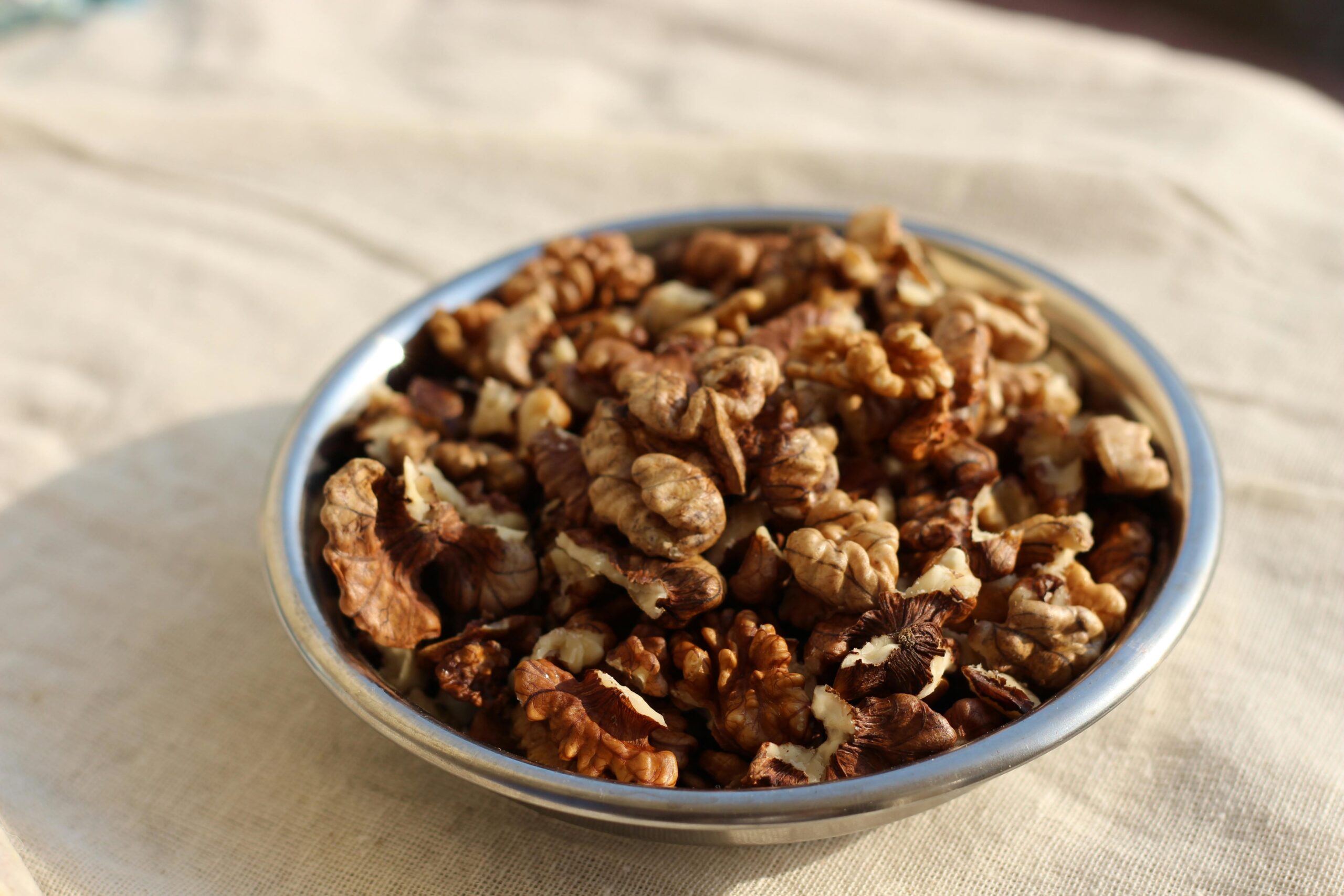
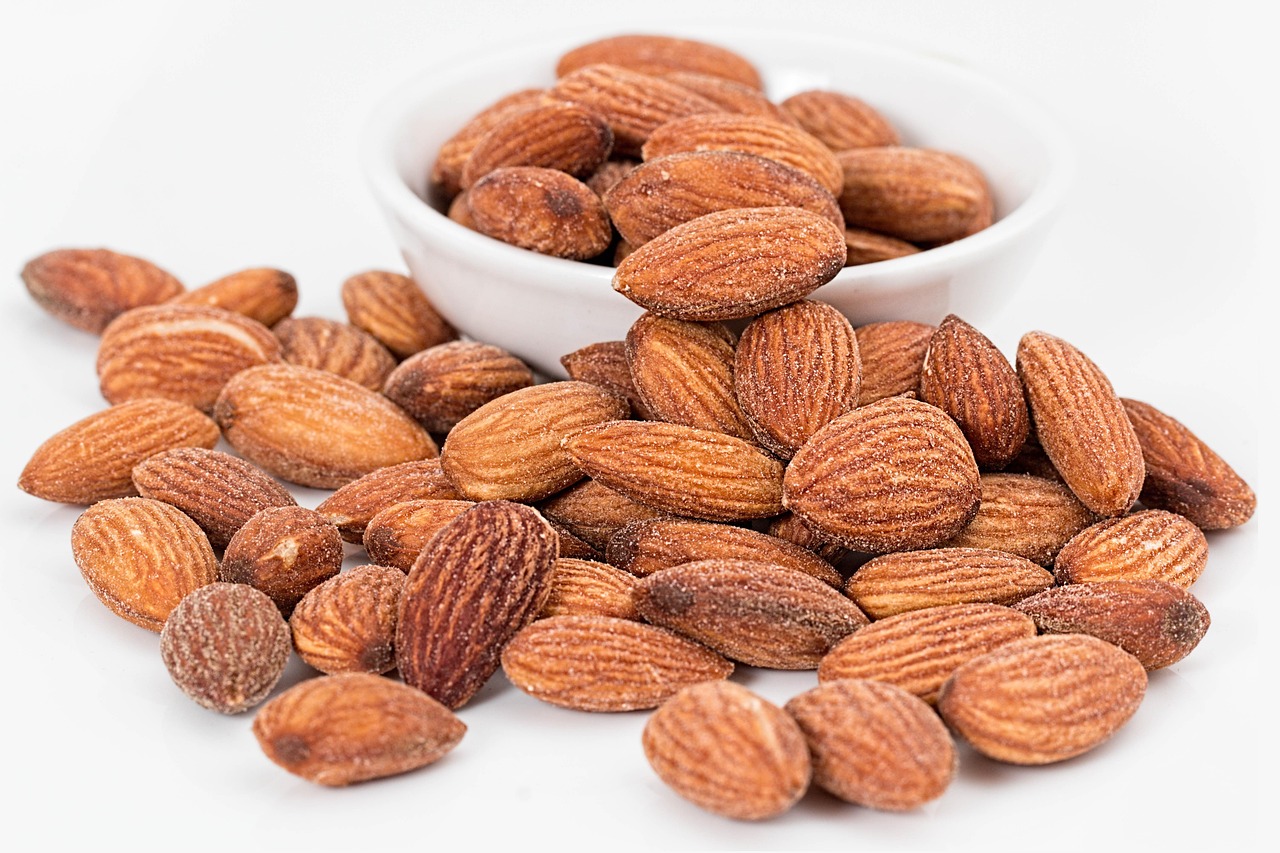
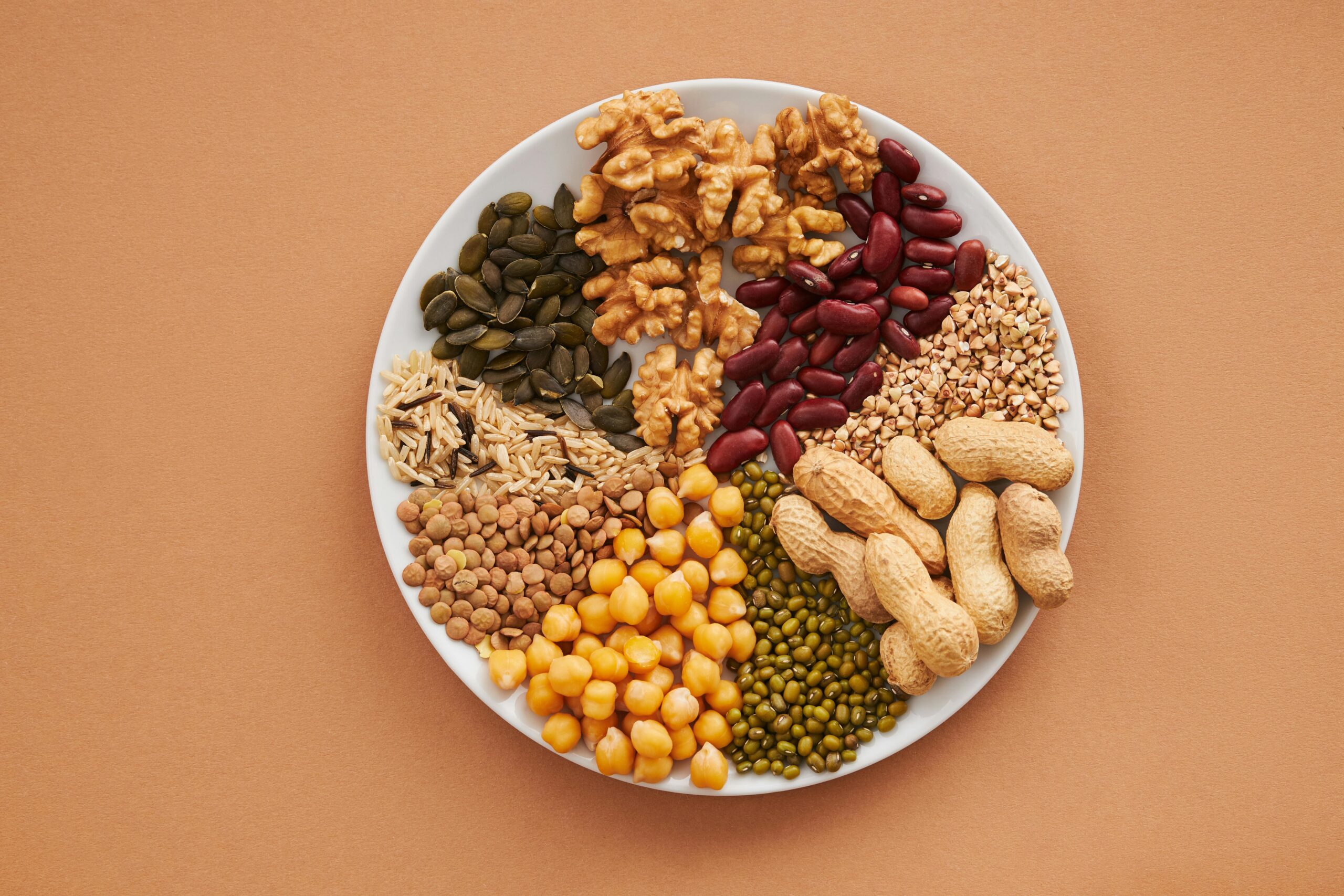
Aim for 5-15 grams of protein per snack, depending on your size, activity level, and how long until your next meal. Protein-rich snacks include Greek yogurt, hard-boiled eggs, cottage cheese, nuts, seeds, edamame, and lean deli meats. The amino acids in protein trigger satiety hormones that communicate fullness to your brain, making you less likely to overeat later.
Healthy Fats That Fuel Your Body
Don’t fear fats—embrace the right ones. Monounsaturated and polyunsaturated fats found in avocados, nuts, seeds, olive oil, and fatty fish support hormone production, reduce inflammation, and enhance the absorption of fat-soluble vitamins A, D, E, and K. Including 3-10 grams of healthy fat in your snacks creates a satisfying texture and mouthfeel while extending the energy release from your food.
Complex Carbohydrates for Sustained Energy
Choose carbohydrates that come packaged with fiber, such as whole fruits, vegetables, whole grain crackers, oats, or legumes. These complex carbs break down slowly, providing a steady glucose supply to your bloodstream rather than the rapid spike and crash associated with refined carbohydrates. Pairing carbs with protein and fat further moderates their glycemic impact.
📋 Your Ultimate Nutrient-Packed Snack Checklist
Building the perfect snack becomes effortless when you follow a systematic approach. Use this comprehensive checklist to evaluate and create snacks that truly nourish your body:
- Protein source: Does your snack contain quality protein from whole food sources?
- Healthy fat inclusion: Have you added nuts, seeds, avocado, or another beneficial fat?
- Fiber content: Does the snack provide at least 3 grams of dietary fiber?
- Portion control: Is the serving size appropriate (generally 150-250 calories)?
- Minimal processing: Are the ingredients recognizable and close to their natural state?
- Added sugar limit: Does the snack contain less than 5 grams of added sugar?
- Nutrient density: Does it provide vitamins, minerals, or antioxidants beyond empty calories?
- Satisfaction factor: Will this snack keep you full until your next meal?
- Convenience level: Can you prepare or access this snack when needed?
- Enjoyment quotient: Do you actually like eating this snack?
🍎 50 Smart Snack Combinations to Transform Your Day
Having a diverse repertoire of go-to snacks prevents boredom and ensures you’re getting a wide spectrum of nutrients. Here are expertly crafted combinations that check all the boxes on your nutrient-packed checklist:
Quick No-Prep Options
These snacks require zero preparation time, perfect for busy schedules: a handful of mixed nuts with a piece of fruit, string cheese with cherry tomatoes, pre-portioned hummus with baby carrots, individual Greek yogurt cups with berries, turkey roll-ups with cucumber slices, or a small portion of trail mix with dark chocolate chips.
Five-Minute Prep Snacks
With just a few minutes, you can create: apple slices with almond butter and a sprinkle of cinnamon, whole grain crackers topped with avocado and everything bagel seasoning, celery sticks filled with cottage cheese and topped with pumpkin seeds, rice cakes with mashed banana and a drizzle of tahini, or bell pepper strips with guacamole and hemp hearts.
Make-Ahead Batch Snacks
Prepare these options weekly for grab-and-go convenience: homemade energy balls combining oats, nut butter, seeds, and dates; hard-boiled eggs seasoned with various spices; roasted chickpeas with your favorite seasonings; overnight oats portioned in jars with different fruit toppings; or vegetable muffins packed with zucchini, carrots, and whole grains.
Timing Your Snacks for Maximum Benefit
When you snack matters almost as much as what you snack on. Strategic timing aligns with your body’s natural rhythms and prevents extreme hunger that leads to poor choices. Most people benefit from snacks approximately 2-3 hours after breakfast (mid-morning), 2-3 hours after lunch (mid-afternoon), and possibly a light evening snack if dinner is early or bedtime is late.
Listen to your genuine hunger signals rather than eating by the clock. True hunger builds gradually and is satisfied by various foods, while cravings appear suddenly and demand specific items—usually processed or sugary. Learning this distinction helps you respond appropriately to your body’s actual needs.
🛒 Building Your Smart Snacking Pantry and Fridge
Success with healthy snacking starts with proper preparation. Stock your kitchen with these versatile staples that form the foundation of countless nutritious snack combinations:
| Pantry Staples | Refrigerator Essentials | Freezer Friends |
|---|---|---|
| Raw nuts and seeds | Greek yogurt | Frozen berries |
| Nut and seed butters | Hummus | Frozen edamame |
| Whole grain crackers | String cheese | Homemade energy balls |
| Dried fruit (no added sugar) | Fresh vegetables | Veggie burger patties |
| Oats | Fresh fruit | Whole grain bread |
| Dark chocolate (70%+ cacao) | Cottage cheese | Pre-portioned smoothie packs |
| Roasted chickpeas | Hard-boiled eggs | Banana slices |
| Rice cakes | Avocados | Homemade muffins |
Navigating Special Dietary Needs and Preferences
Smart snacking adapts beautifully to various dietary patterns. Plant-based eaters can focus on combinations like hummus with vegetables, trail mix with dried fruit, nut butter on whole grain toast, or roasted chickpeas. Those following low-carb or ketogenic diets might choose cheese with olives, celery with cream cheese, nuts with a few berries, or avocado with everything bagel seasoning.
For gluten-free requirements, emphasize naturally gluten-free whole foods like fruits, vegetables, nuts, seeds, yogurt, and certified gluten-free oats or crackers. If you’re managing food allergies, focus on safe alternatives—sunflower seed butter instead of peanut butter, coconut yogurt instead of dairy, or seeds instead of tree nuts.
💪 Pre and Post-Workout Snacking Strategies
Exercise creates unique nutritional demands that strategic snacking can address. Pre-workout snacks should be consumed 30-60 minutes before activity and emphasize easily digestible carbohydrates for quick energy with a small amount of protein—think banana with a tablespoon of almond butter, a small smoothie, or whole grain toast with honey.
Post-workout snacks consumed within 30-60 minutes after exercise should focus on protein for muscle recovery and carbohydrates to replenish glycogen stores. Effective options include Greek yogurt with granola and berries, chocolate milk, a protein smoothie with fruit, or turkey and cheese on whole grain crackers. The 3:1 or 4:1 carbohydrate-to-protein ratio optimizes recovery.
Tracking and Optimizing Your Snacking Habits
Awareness transforms behavior. Keeping a simple food journal for even just one week reveals patterns in your snacking habits—when you’re genuinely hungry versus bored, which snacks truly satisfy you, and how different options affect your energy and mood. Many people discover they’re either under-snacking and becoming ravenous, or mindlessly over-snacking out of habit rather than hunger.
For those who prefer digital tracking, numerous apps can help monitor nutrient intake, set reminders for regular eating intervals, and provide nutritional information for foods. These tools offer valuable insights into whether you’re meeting your macro and micronutrient targets throughout the day.
🚫 Common Snacking Pitfalls to Avoid
Even with the best intentions, certain habits can sabotage your smart snacking efforts. Eating directly from large packages eliminates portion awareness—always transfer snacks to a small bowl or plate. Distracted snacking while working, watching screens, or driving disconnects you from satiety signals, often leading to overconsumption without enjoyment or satisfaction.
Labeling foods as “good” or “bad” creates an unhealthy relationship with eating. Instead, think in terms of “everyday foods” that nourish your body and “sometimes foods” that you enjoy occasionally without guilt. This mindset shift reduces the restrict-binge cycle that plagues many dieters.
Skipping snacks to “save calories” for meals typically backfires. Arriving at meals overly hungry increases the likelihood of rapid eating, poor choices, and consuming more calories overall than if you’d included balanced snacks. Your body functions optimally with consistent, regular nourishment rather than feast-or-famine patterns.
Mindful Snacking: The Often-Overlooked Element
The way you eat matters as much as what you eat. Mindful snacking means fully engaging with your food—noticing colors, textures, aromas, and flavors. This practice enhances satisfaction, improves digestion, and helps you recognize true fullness signals. Before reaching for a snack, pause and ask: Am I physically hungry, or am I responding to stress, boredom, or emotion?
Create a pleasant environment for snacking when possible. Rather than eating on the go or hunched over your desk, take a short break to sit down and focus on your food. This small ritual transforms snacking from a mindless activity into a rejuvenating pause that nourishes both body and mind.
🌟 Elevating Your Snack Game: Advanced Tips
Once you’ve mastered the basics, consider these advanced strategies. Experiment with flavor combinations that satisfy multiple taste receptors—sweet with salty, creamy with crunchy, or tangy with rich. This sensory variety creates deeper satisfaction than single-note snacks. Add unexpected elements like fresh herbs to fruit, spices to nuts, or a squeeze of citrus to avocado.
Consider nutrient timing for specific goals. If you struggle with afternoon energy slumps, emphasize protein and healthy fats in your mid-afternoon snack while reducing simple carbohydrates. For better sleep, an evening snack combining complex carbohydrates with a small amount of protein (like whole grain crackers with cheese) can promote serotonin production.
Rotate your snacks seasonally to take advantage of peak freshness, better prices, and natural variety. Summer brings berries and stone fruits, fall offers apples and pears, winter provides citrus, and spring introduces fresh vegetables. This rotation ensures diverse nutrient intake and prevents taste fatigue.
Creating Your Personalized Snacking Blueprint
Smart snacking isn’t one-size-fits-all. Your ideal approach depends on your schedule, activity level, health goals, taste preferences, and lifestyle. Start by identifying your highest-risk times for poor snacking choices—these are your priority moments to implement strategic planning. Prepare specifically for these vulnerable windows with pre-portioned, readily available options.
Experiment with different combinations and keep notes on which snacks leave you feeling energized versus sluggish, satisfied versus still hungry, focused versus foggy. Your body’s feedback provides invaluable data for refining your personal snacking strategy. Within a few weeks, you’ll develop an intuitive understanding of which snacks serve you best in different situations.
Your Action Plan for Snacking Success
Knowledge becomes power only through action. This week, commit to three specific changes: First, prepare a batch of one make-ahead snack option so it’s ready when hunger strikes. Second, create a small snack kit for your workplace or car with non-perishable items like nuts, seeds, and whole grain crackers. Third, practice the pause—before grabbing a snack, take three deep breaths and honestly assess your hunger level.
Remember that building new habits takes time and patience. You don’t need to overhaul your entire snacking approach overnight. Small, consistent improvements compound into significant results. Each nutrient-dense snack you choose is an investment in your energy, health, and wellbeing. Start where you are, use what you have, and do what you can—your future self will thank you for every smart snacking decision you make today.