Transform your daily eating habits with a strategic approach to meal preparation that saves time, reduces stress, and ensures every bite contributes to your wellness goals. Nutrient-packed meal prep isn’t just a trend—it’s a lifestyle revolution that empowers you to take control of your health.

Modern life demands efficiency without compromising quality, especially when it comes to nourishing our bodies. A well-structured meal prep planner bridges the gap between nutritional aspirations and practical execution, making healthy eating accessible regardless of your busy schedule. Whether you’re a fitness enthusiast, a professional juggling multiple responsibilities, or someone simply seeking better health outcomes, mastering meal preparation becomes your secret weapon for sustained energy and vitality.
🎯 Why Meal Prep Planning Changes Everything
The foundation of successful healthy eating lies not in willpower alone, but in strategic preparation. When hunger strikes and you’re unprepared, even the strongest nutritional intentions crumble in favor of convenient, processed options. Meal prep planning eliminates this vulnerability by ensuring nutritious choices are always within reach.
Research consistently demonstrates that individuals who engage in regular meal preparation consume more fruits, vegetables, and whole foods while reducing their intake of fast food and empty calories. Beyond nutritional benefits, meal prepping delivers significant time savings throughout the week, reduces food waste by up to 50%, and can decrease monthly food expenses by 25-30%.
The psychological advantages are equally compelling. Knowing your meals are prepared reduces decision fatigue, lowers stress around mealtimes, and creates a sense of accomplishment that reinforces positive lifestyle habits. This preparation mindset extends beyond food, often catalyzing improvements in other life areas as discipline and organization become second nature.
🍽️ Building Your Nutrient-Packed Foundation
Creating truly nourishing meals requires understanding the fundamental building blocks of nutrition. Every meal should balance macronutrients—proteins, carbohydrates, and fats—while incorporating essential micronutrients through colorful vegetables, fruits, and whole grains.
The Protein Powerhouses
Protein serves as the cornerstone of satisfying, muscle-supporting meals. Lean chicken breast, turkey, fish like salmon and cod, eggs, Greek yogurt, legumes, tofu, and tempeh all provide excellent protein sources. Aim for a palm-sized portion of protein with each meal to support metabolism, tissue repair, and sustained satiety.
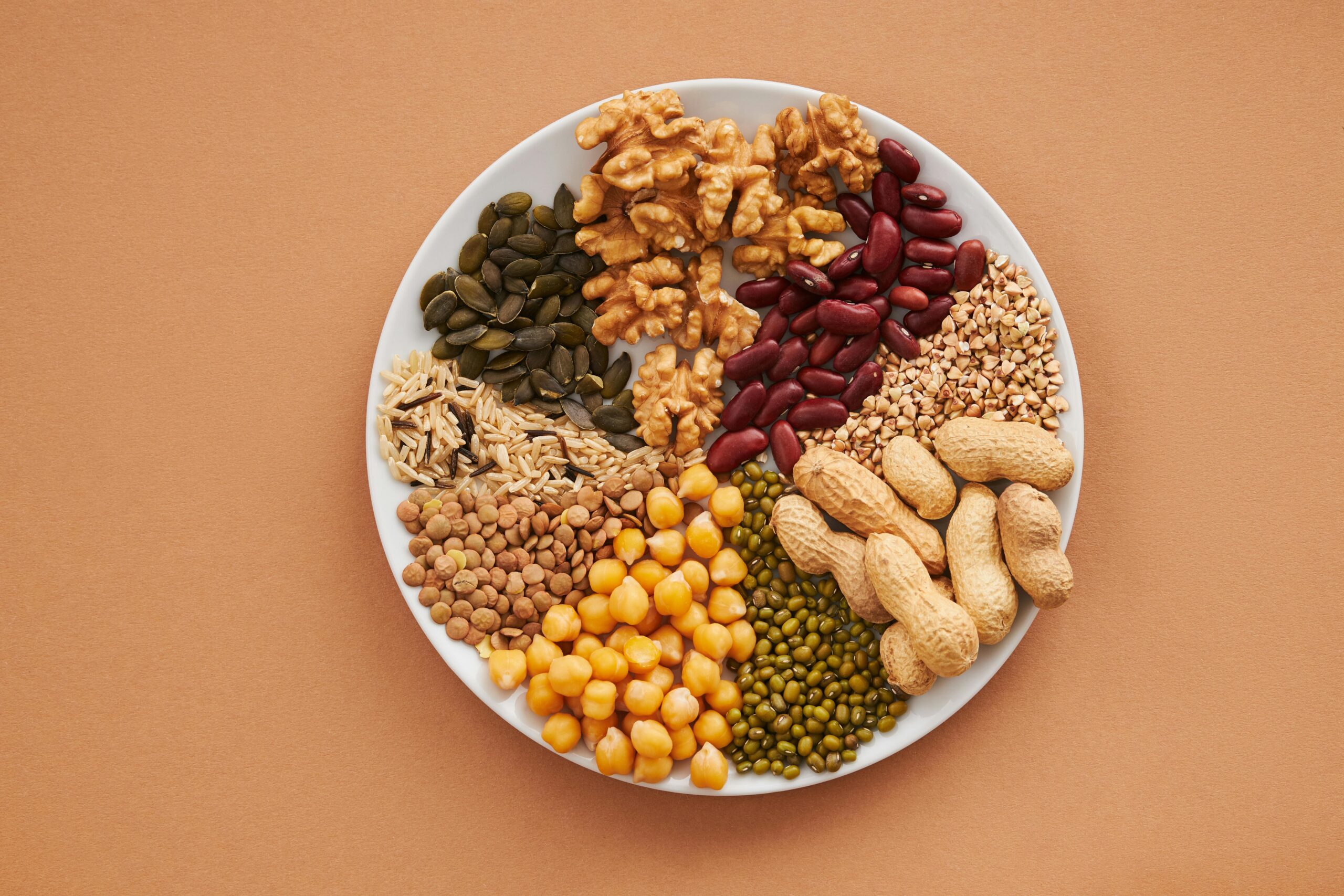
Plant-based proteins deserve special attention for their fiber content and environmental sustainability. Combining different plant proteins throughout the day—such as beans with rice, or hummus with whole grain pita—ensures you receive all essential amino acids your body needs.
Complex Carbohydrates for Sustained Energy
Carbohydrates fuel your brain and muscles, but quality matters immensely. Prioritize complex carbohydrates that digest slowly and provide steady energy: quinoa, brown rice, sweet potatoes, oats, whole wheat pasta, barley, and buckwheat. These foods also deliver valuable fiber that supports digestive health and helps regulate blood sugar levels.
A fist-sized portion of complex carbs per meal typically provides adequate energy without excess. Athletes and highly active individuals may require larger portions, while those with sedentary lifestyles might reduce quantities while maintaining variety.
Healthy Fats That Nourish
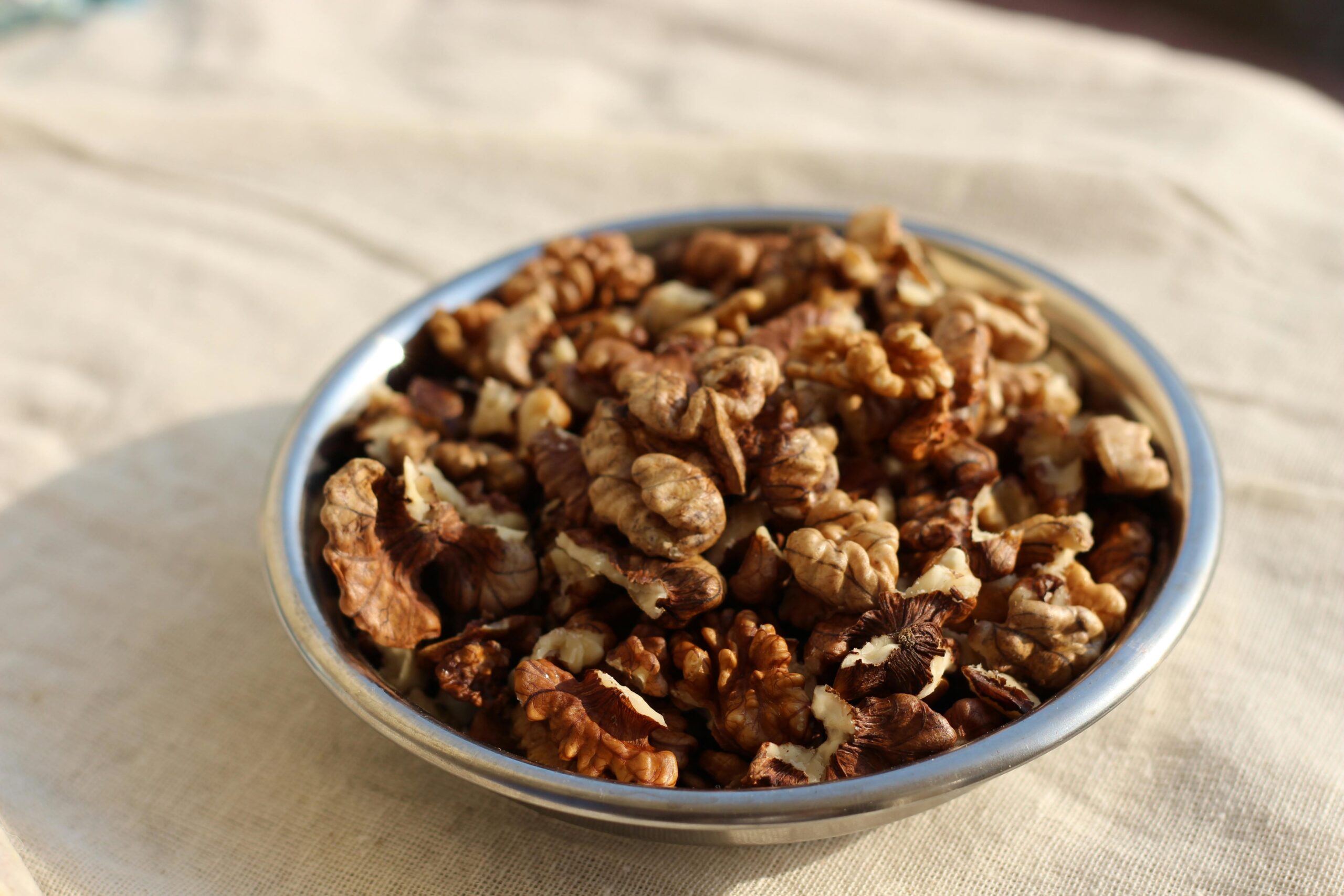
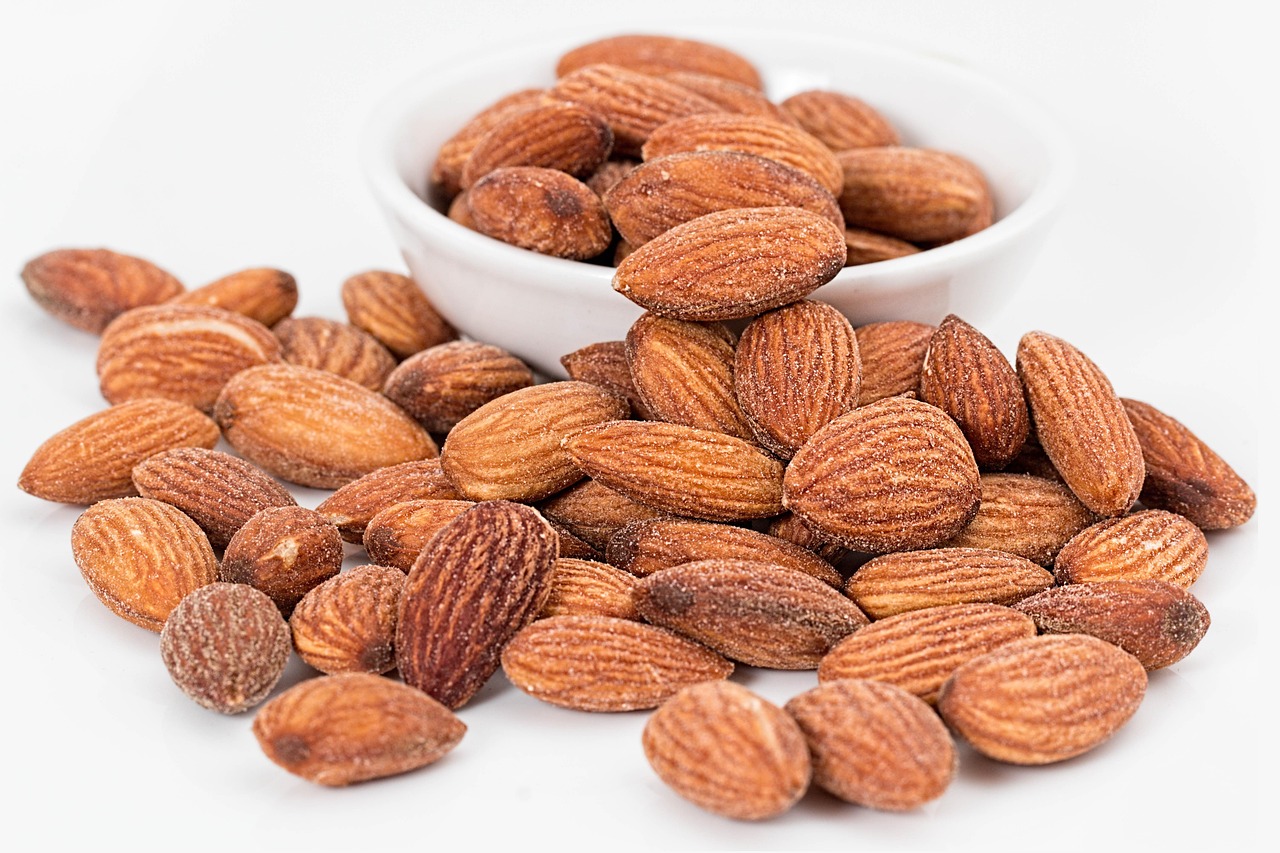
Don’t fear dietary fats—embrace the right ones. Avocados, nuts, seeds, olive oil, fatty fish, and nut butters provide essential fatty acids that support hormone production, brain function, and nutrient absorption. A thumb-sized portion of added fats or a small handful of nuts complements most meals perfectly.
Omega-3 fatty acids deserve particular emphasis for their anti-inflammatory properties. Incorporating salmon, sardines, walnuts, chia seeds, and flaxseeds regularly helps protect cardiovascular health and cognitive function.
📋 Creating Your Weekly Meal Prep Blueprint
Successful meal prep begins with thoughtful planning. Dedicate time each week—typically Sunday afternoon or evening—to map out your meals, create shopping lists, and schedule preparation time.
The Strategic Planning Session
Start by assessing your schedule for the upcoming week. Identify days with longer workdays, evening commitments, or increased activity levels that might require more substantial meals or convenient grab-and-go options. This awareness prevents plan abandonment when life gets hectic.
Select 3-4 core recipes that appeal to your palate and align with your nutritional goals. Choosing recipes with overlapping ingredients streamlines shopping and reduces waste. For example, if Monday’s dinner features roasted chicken with vegetables, Tuesday’s lunch might repurpose that chicken in a vibrant salad or grain bowl.
Batch cooking certain components rather than complete meals often provides more flexibility. Prepare large quantities of grains, roasted vegetables, proteins, and sauces that can be mixed and matched throughout the week, preventing flavor fatigue while maintaining convenience.
Smart Shopping Strategies
A detailed shopping list organized by store section eliminates impulse purchases and ensures nothing gets forgotten. Prioritize the perimeter of grocery stores where fresh produce, proteins, and dairy typically reside, venturing into center aisles only for specific whole food staples.
Consider these shopping principles: buy seasonal produce for peak flavor and value, choose frozen fruits and vegetables when fresh isn’t practical, select sustainable seafood options, and always check pantry staples before shopping to avoid duplicates.
👨🍳 The Meal Prep Execution Day
Transform your kitchen into an efficient preparation station. Clear countertops, gather all necessary containers, and arrange ingredients before beginning. This mise en place approach, borrowed from professional kitchens, dramatically increases efficiency.
Time-Saving Preparation Techniques
Maximize oven space by roasting multiple components simultaneously. While chicken breasts bake on one rack, vegetables can caramelize on another. Utilize your stovetop for grains or legumes while prep work continues.
Multi-task strategically: while quinoa simmers, chop vegetables; while proteins cook, prepare dressings and sauces. This orchestrated approach condenses what might take hours into a manageable 2-3 hour session.
Invest in quality food storage containers that are microwave-safe, leak-proof, and clearly labeled. Glass containers with divided sections keep foods separate while transparent lids let you identify contents instantly. Proper storage extends freshness and prevents cross-contamination of flavors.
🥗 Seven Days of Balanced Meal Ideas
Variety prevents monotony and ensures diverse nutrient intake. Here’s a framework for a week of nutrient-dense meals that excite your palate while supporting your health objectives.
Monday: Grilled lemon herb chicken with roasted sweet potatoes and steamed broccoli. The antioxidants in sweet potatoes pair beautifully with the lean protein and cruciferous vegetables.
Tuesday: Salmon teriyaki over brown rice with sautéed bok choy and snap peas. This omega-3 rich meal supports brain health while delivering satisfying Asian-inspired flavors.
Wednesday: Turkey and black bean burrito bowls with cauliflower rice, salsa, avocado, and Greek yogurt. High in protein and fiber, this customizable meal feels indulgent while remaining nutritious.
Thursday: Mediterranean chickpea salad with cucumber, tomatoes, red onion, feta cheese, and olive oil dressing over mixed greens. Plant-based protein shines in this refreshing, no-reheat-required option.
Friday: Lean beef stir-fry with colorful bell peppers, snap peas, and cashews over quinoa. Iron-rich beef combined with vitamin C-packed vegetables enhances nutrient absorption.
Saturday: Baked cod with Mediterranean herbs, roasted Brussels sprouts, and wild rice pilaf. Light yet satisfying, this meal provides lean protein and cruciferous vegetable benefits.
Sunday: Slow-cooked turkey chili loaded with beans, tomatoes, and peppers, served with a small cornbread muffin. This comfort food classic delivers protein, fiber, and warming spices.
🔧 Essential Tools for Meal Prep Success
Quality equipment transforms meal prep from chore to pleasure. While you don’t need expensive gadgets, certain tools dramatically improve efficiency and results.
Sharp knives are non-negotiable—a quality chef’s knife and paring knife handle virtually all cutting tasks safely and efficiently. Multiple cutting boards prevent cross-contamination between proteins and produce.
Heavy-duty sheet pans facilitate even roasting, while a large stockpot accommodates batch cooking of grains and legumes. A rice cooker or Instant Pot automates cooking processes, freeing attention for other tasks.
Food scales ensure portion accuracy for those tracking macronutrients, while measuring cups and spoons maintain recipe consistency. Digital kitchen timers prevent overcooking and help coordinate multiple dishes.
📱 Leveraging Technology for Planning Excellence
Modern meal prep planning benefits enormously from digital tools that streamline organization, provide recipe inspiration, and track nutritional information. Specialized meal planning applications offer features like automated shopping lists, nutritional breakdowns, and customizable meal schedules.
Many apps integrate with fitness trackers to align meal plans with activity levels and caloric needs. Recipe databases within these platforms often include preparation videos, user ratings, and substitution suggestions for dietary restrictions or preferences.
Digital planning tools also help identify patterns in your eating habits, highlight nutritional gaps, and suggest improvements. The convenience of accessing your meal plan from any device—whether grocery shopping on your phone or cooking with a tablet in the kitchen—cannot be overstated.
💪 Customizing Your Plan for Specific Goals
Individual nutritional needs vary based on activity level, health objectives, age, and metabolic factors. Tailoring your meal prep approach ensures alignment with personal goals.
Weight Management Focus
For weight loss, emphasize high-volume, low-calorie foods like leafy greens, cruciferous vegetables, and lean proteins that promote fullness. Slightly reduce portion sizes of calorie-dense foods while maintaining nutritional completeness. Tracking portions initially helps calibrate appropriate serving sizes.
Weight gain for muscle building requires increased protein intake and a modest caloric surplus. Add extra portions of lean proteins, include calorie-dense healthy fats like nuts and avocados, and don’t fear carbohydrates around workout times when muscles need glycogen replenishment.
Athletic Performance Optimization
Athletes require strategic nutrient timing. Meals preceding workouts should emphasize easily digestible carbohydrates with moderate protein. Post-workout meals need higher protein to support muscle repair alongside carbohydrates to restore energy reserves.
Hydration deserves equal attention in meal planning. Prepare infused water with cucumber, lemon, or berries, and include water-rich foods like watermelon, cucumber, and celery in your prep rotation.
Managing Dietary Restrictions
Food allergies, intolerances, and lifestyle choices like veganism require careful planning but remain entirely compatible with meal prep success. Focus on what you can eat rather than restrictions, exploring new ingredients that might not typically appear in your rotation.
Gluten-free meal prep emphasizes naturally gluten-free whole foods: rice, quinoa, potatoes, all fruits and vegetables, and unprocessed proteins. Dairy-free plans incorporate plant-based milks, nutritional yeast for cheesy flavors, and calcium-fortified alternatives.
🌟 Overcoming Common Meal Prep Obstacles
Even well-intentioned meal preppers encounter challenges. Anticipating obstacles and developing solutions prevents temporary setbacks from derailing long-term success.
Battling Flavor Fatigue
Eating identical meals repeatedly quickly becomes tiresome. Combat this by preparing versatile components rather than complete meals, allowing daily customization. A batch of grilled chicken transforms into different experiences when paired Monday with Mexican spices and salsa, Wednesday with Asian teriyaki sauce, and Friday with Italian herbs and marinara.
Invest in diverse spice blends and condiments that instantly change flavor profiles. A collection including curry powder, za’atar, Chinese five-spice, and cajun seasoning means the same roasted vegetables taste completely different throughout the week.
Time Management Challenges
When life gets hectic, meal prep feels impossible. Start smaller—prep just lunches or dinners rather than every meal. Even preparing breakfast components like overnight oats or egg muffins creates morning ease that cascades positively through your day.
Enlist family members or roommates in prep sessions, transforming solitary work into social time while distributing tasks. Children can wash vegetables, partners can chop produce, and everyone benefits from shared healthy meals.
Storage and Freshness Concerns
Most prepared meals maintain quality for 4-5 days when properly stored. Cook items you’ll eat later in the week on Wednesday to ensure peak freshness. Freeze portions intended for weekend consumption immediately after cooking to preserve texture and flavor.
Store aromatic foods separately from others to prevent flavor transfer. Keep dressings and sauces separate until serving to maintain ideal texture, particularly for salads that become soggy when dressed too early.
🎓 Advanced Meal Prep Strategies
Once basic meal prep becomes routine, advanced techniques elevate results and efficiency further.
Batch Cooking Power Sessions
Dedicate one extended session monthly to prepare and freeze complete meals or components. Soups, stews, casseroles, and marinated proteins freeze beautifully, creating a reserve for unexpectedly busy weeks.
Label frozen items with contents and preparation date. Most frozen prepared foods maintain quality for 2-3 months, though fresher is always better for optimal taste and nutrition.
Strategic Ingredient Rotation
Plan menus around what’s seasonally available and on sale. This economic approach also ensures peak flavor and nutritional content. Winter squashes, root vegetables, and hearty greens dominate cold months, while summer brings abundant berries, tomatoes, and zucchini.
Rotating ingredients prevents both palate boredom and nutritional ruts, ensuring diverse phytonutrient intake across the spectrum of plant foods.
🌈 The Lifestyle Transformation Journey
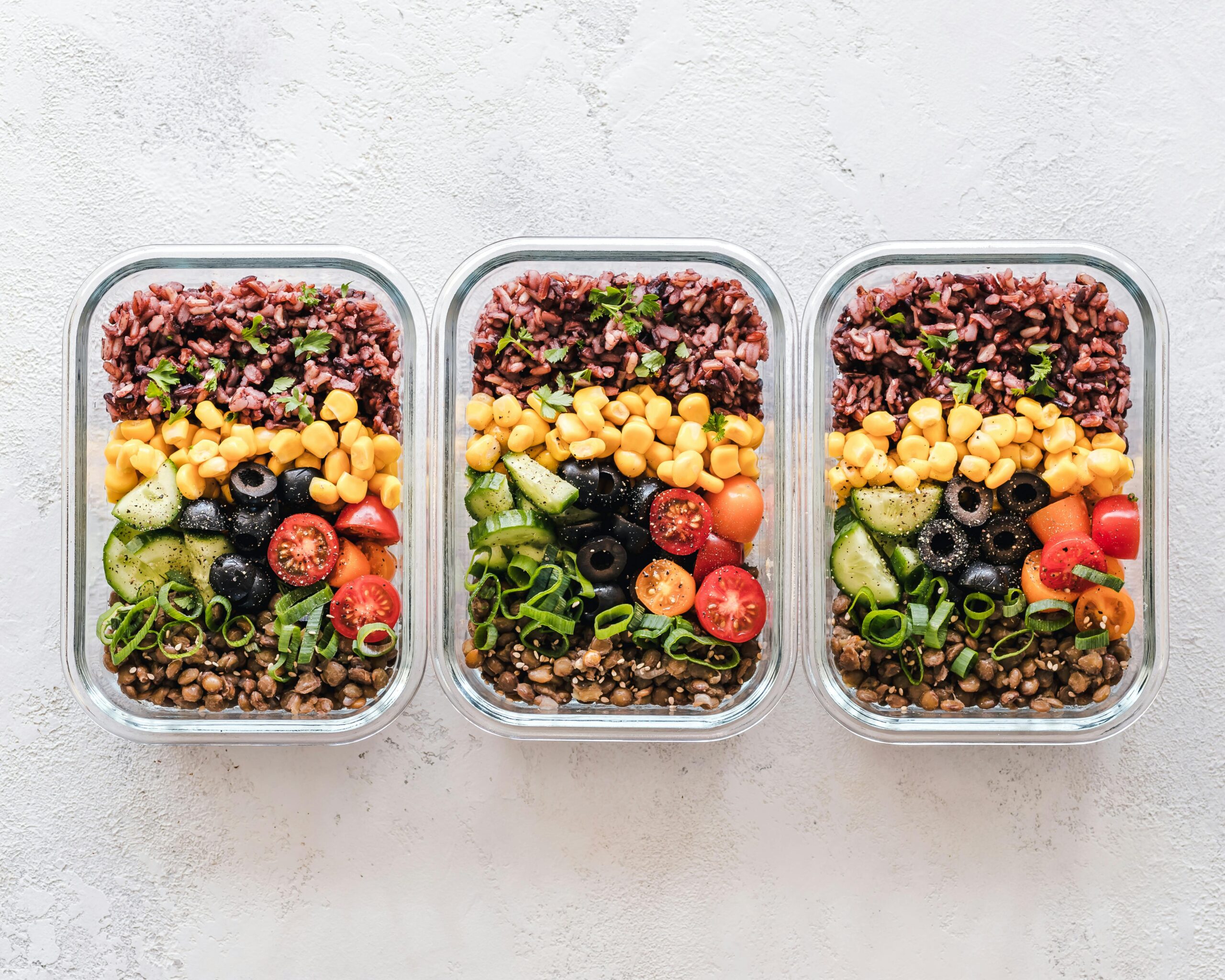
Meal prep mastery extends beyond food preparation—it represents a commitment to self-care and intentional living. Each container filled with nutritious ingredients is a vote for your health, energy, and longevity.
Start gradually if the prospect feels overwhelming. Prep just Sunday’s and Monday’s meals initially, expanding as confidence grows. Perfectionism is the enemy of consistency; an imperfect meal prep that actually happens surpasses an ideal plan never executed.
Celebrate non-scale victories: increased energy, improved digestion, better sleep, clearer skin, and the satisfaction of opening your refrigerator to see organized, ready-to-eat nourishment. These tangible benefits reinforce the habit far more effectively than willpower alone.
Track progress through photos of your weekly prep, noting what worked well and what needs adjustment. This reflective practice accelerates improvement and creates accountability.
Remember that meal prep serves you—not the reverse. Some weeks will be perfect, others improvised. Life happens, and flexibility within structure defines sustainable success. The goal isn’t perfection but progress toward healthier patterns that support your best life.
Your journey toward nutrient-packed, strategically planned meals begins with a single session. The compound benefits of consistent meal preparation transform health outcomes, financial wellness, and daily stress levels. Armed with knowledge, tools, and determination, you’re fully equipped to master your meals and claim the vibrant health that follows. Your future self—energized, nourished, and thriving—will thank you for the investment you make today in planning, preparing, and prioritizing nutrition.