Maintaining optimal health requires more than just eating well—it demands a strategic understanding of essential vitamins and minerals. This comprehensive guide illuminates the path to balanced nutrition and vibrant wellness.

Your body functions as an intricate biological system where every vitamin and mineral plays a specific role in maintaining health, energy, and longevity. Understanding these micronutrients empowers you to make informed dietary choices that support your wellbeing at every level. From strengthening immunity to supporting cognitive function, the right balance of vitamins and minerals creates the foundation for a thriving life.
🔬 Understanding Micronutrients: The Building Blocks of Health
Micronutrients represent the vitamins and minerals your body needs in small quantities but with enormous impact. Unlike macronutrients (proteins, fats, and carbohydrates), these essential compounds don’t provide energy directly but facilitate countless biochemical reactions that keep you alive and functioning optimally.
Vitamins are organic compounds that your body cannot produce in sufficient quantities, requiring dietary intake. They divide into two categories: water-soluble vitamins (B-complex and vitamin C) that need regular replenishment, and fat-soluble vitamins (A, D, E, K) that your body stores in fatty tissues and the liver.
Minerals are inorganic elements from soil and water that plants absorb and animals consume. Your body requires major minerals in larger amounts and trace minerals in smaller quantities, yet both categories prove equally vital for health maintenance.
💪 Essential Vitamins Your Body Craves Daily
Vitamin A: Vision and Immune Champion
Vitamin A supports healthy vision, particularly in low-light conditions, while bolstering immune function and promoting skin health. This fat-soluble vitamin exists in two forms: preformed vitamin A (retinol) found in animal products, and provitamin A carotenoids like beta-carotene from colorful fruits and vegetables.
Adult men require approximately 900 micrograms daily, while women need around 700 micrograms. Excellent sources include sweet potatoes, carrots, spinach, liver, and fortified dairy products. Deficiency can lead to night blindness and compromised immunity, while excessive intake may cause toxicity symptoms.
B-Complex Vitamins: Energy Metabolism Powerhouse
The B-vitamin family encompasses eight distinct vitamins that work synergistically to convert food into cellular energy, support nervous system function, and maintain healthy red blood cells. Each B vitamin serves unique purposes while contributing to overall metabolic health.
Vitamin B1 (thiamine) supports nerve function and energy metabolism. B2 (riboflavin) aids cellular function and energy production. B3 (niacin) supports DNA repair and stress responses. B5 (pantothenic acid) synthesizes coenzyme-A for fatty acid metabolism. B6 (pyridoxine) facilitates amino acid metabolism and neurotransmitter production.
Vitamin B7 (biotin) strengthens hair, skin, and nails while supporting metabolic function. B9 (folate) proves critical for DNA synthesis and cell division, particularly important during pregnancy. B12 (cobalamin) maintains nerve cells and produces DNA, predominantly found in animal products, making supplementation essential for vegans.
Vitamin C: Antioxidant Defender
This water-soluble vitamin functions as a powerful antioxidant, protecting cells from free radical damage while supporting collagen synthesis for healthy skin, blood vessels, and connective tissue. Vitamin C enhances iron absorption and strengthens immune responses against pathogens.
Adults need 75-90 milligrams daily, easily obtained from citrus fruits, berries, bell peppers, broccoli, and tomatoes. Since your body cannot store vitamin C, consistent daily intake ensures optimal levels. Deficiency leads to scurvy, characterized by bleeding gums, poor wound healing, and fatigue.
Vitamin D: The Sunshine Vitamin
Vitamin D regulates calcium absorption for bone health while modulating immune function and reducing inflammation. Your skin synthesizes vitamin D when exposed to sunlight, though many people experience deficiency due to limited sun exposure or geographic location.
The recommended daily intake ranges from 600-800 IU, though some experts suggest higher amounts for optimal health. Natural sources include fatty fish, egg yolks, and fortified foods. Supplementation often proves necessary, particularly during winter months or for individuals with limited sun exposure.
Vitamin E: Cellular Protection Expert
As a fat-soluble antioxidant, vitamin E protects cell membranes from oxidative damage, supports immune function, and promotes healthy blood vessel dilation. It works synergistically with other antioxidants to neutralize harmful free radicals throughout your body.
Adults require 15 milligrams daily, obtainable from nuts, seeds, vegetable oils, spinach, and avocados. Deficiency remains rare but can cause nerve damage and muscle weakness over time.
Vitamin K: Blood Clotting Coordinator
Vitamin K activates proteins essential for blood clotting and bone metabolism. Two primary forms exist: K1 (phylloquinone) from plant sources and K2 (menaquinone) from animal products and fermented foods.
The adequate intake sits at 90-120 micrograms daily. Leafy green vegetables provide abundant K1, while K2 comes from fermented foods like natto, cheese, and egg yolks. Deficiency can cause excessive bleeding and weakened bones.
⚡ Critical Minerals for Peak Performance
Calcium: Skeletal Strength Foundation
Calcium comprises the most abundant mineral in your body, with 99% stored in bones and teeth. Beyond structural support, calcium enables muscle contraction, nerve signal transmission, and blood clotting. Adults need 1000-1200 milligrams daily from dairy products, leafy greens, fortified foods, and canned fish with bones.
Inadequate calcium intake during youth compromises peak bone density, increasing osteoporosis risk later in life. Vitamin D, magnesium, and vitamin K work synergistically with calcium for optimal bone health.
Iron: Oxygen Transport Specialist
Iron forms the core of hemoglobin, the protein that carries oxygen in red blood cells. This mineral also supports energy production, immune function, and cognitive performance. Men require 8 milligrams daily, while women need 18 milligrams due to menstrual blood loss.
Heme iron from animal sources absorbs more efficiently than non-heme iron from plant foods. Pairing plant-based iron sources with vitamin C enhances absorption. Iron deficiency causes anemia, characterized by fatigue, weakness, and impaired cognitive function.
Magnesium: Biochemical Multitasker
Magnesium participates in over 300 enzymatic reactions, supporting energy production, protein synthesis, muscle and nerve function, blood glucose control, and blood pressure regulation. Adults need 310-420 milligrams daily from nuts, seeds, whole grains, legumes, and leafy greens.
Chronic deficiency contributes to hypertension, cardiovascular disease, type 2 diabetes, and osteoporosis. Many people consume insufficient magnesium due to processed food diets and depleted agricultural soils.
Zinc: Immune System Guardian
Zinc supports immune function, wound healing, DNA synthesis, and cell division. This trace mineral also maintains taste and smell senses while supporting normal growth and development during pregnancy, childhood, and adolescence.
Adults require 8-11 milligrams daily from oysters, red meat, poultry, beans, nuts, and whole grains. Zinc deficiency impairs immune responses, delays wound healing, and causes taste abnormalities. Excessive intake can interfere with copper absorption and suppress immune function.
Selenium: Antioxidant Enzyme Activator
Selenium functions as a cofactor for antioxidant enzymes that protect cells from oxidative damage. This trace mineral supports thyroid hormone metabolism, DNA synthesis, and reproductive health. The recommended daily intake sits at 55 micrograms, easily obtained from Brazil nuts, seafood, meat, and whole grains.
Deficiency can compromise immune function and thyroid health, while excessive intake causes selenosis, characterized by hair loss, nail brittleness, and neurological symptoms.
Potassium: Electrolyte Balance Manager
Potassium regulates fluid balance, muscle contractions, and nerve signals while counteracting sodium’s blood pressure effects. Adults need 2600-3400 milligrams daily from fruits, vegetables, legumes, and dairy products.
Modern diets often provide excessive sodium relative to potassium, contributing to hypertension and cardiovascular disease. Emphasizing potassium-rich whole foods helps restore this critical balance.
🍽️ Building Your Balanced Nutrition Strategy
Creating a comprehensive nutrition plan ensures adequate vitamin and mineral intake without excessive supplementation. Focus on dietary diversity, consuming various colorful fruits and vegetables, whole grains, lean proteins, healthy fats, and fermented foods.
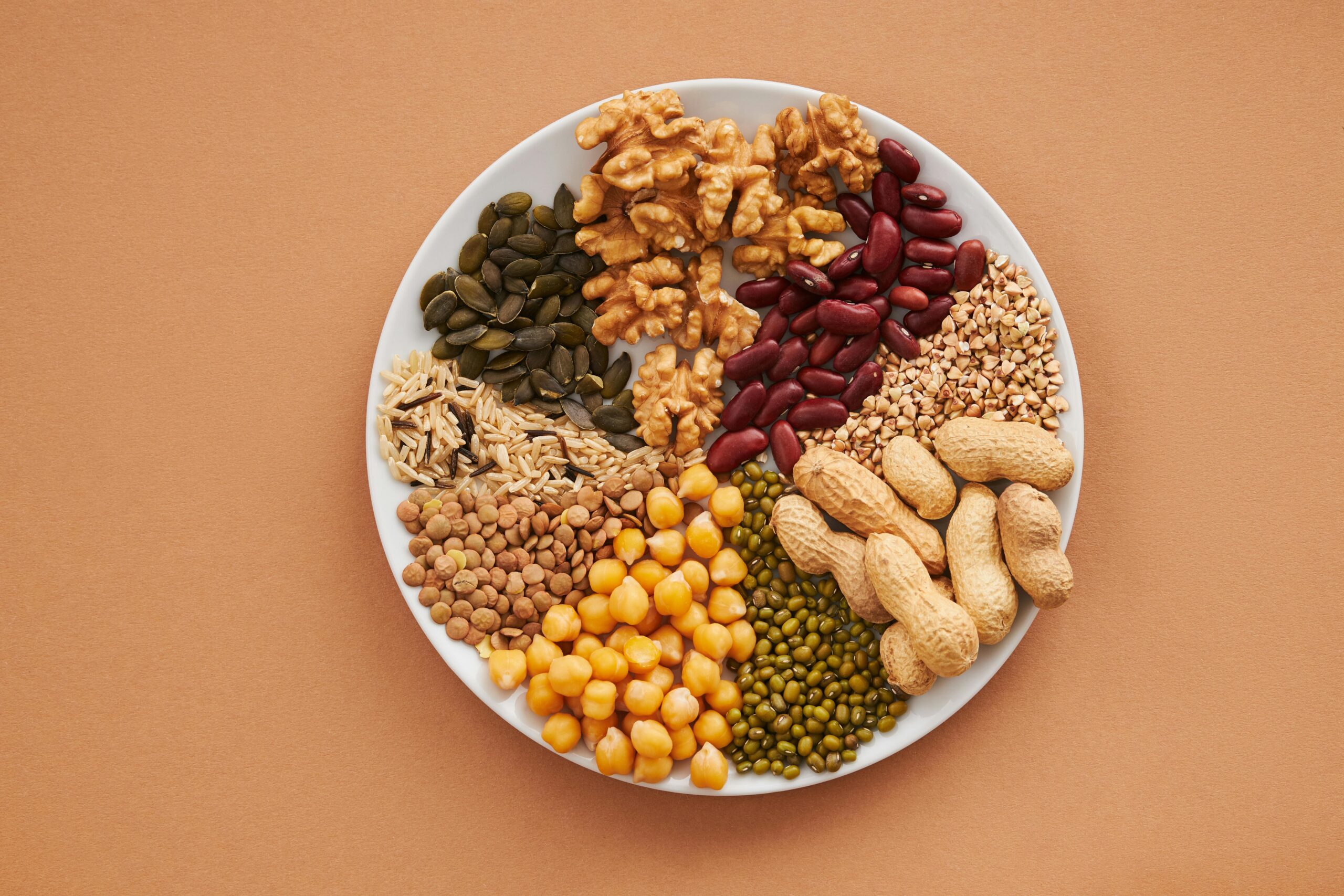
The plate method offers a simple framework: fill half your plate with vegetables and fruits, one-quarter with whole grains, and one-quarter with lean protein. Include healthy fats from nuts, seeds, avocados, and olive oil. This approach naturally provides most essential micronutrients in balanced proportions.
Recognizing Nutrient Deficiency Signs
Your body communicates micronutrient deficiencies through various symptoms. Persistent fatigue may indicate iron, B12, or vitamin D deficiency. Frequent infections suggest compromised immunity from insufficient vitamin C, D, or zinc. Poor wound healing points toward vitamin C or zinc insufficiency.
Brittle nails and hair loss can indicate biotin, iron, or zinc deficiency. Muscle cramps often result from inadequate magnesium, calcium, or potassium. Bone pain or frequent fractures suggest vitamin D or calcium insufficiency. Night blindness indicates vitamin A deficiency.
Strategic Supplementation Guidelines
While whole foods provide the ideal micronutrient source, certain situations warrant supplementation. Pregnant women require prenatal vitamins containing folate and iron. Vegans need vitamin B12 supplementation since plant foods lack adequate amounts.
Individuals with limited sun exposure benefit from vitamin D supplements. Older adults may require calcium and B12 supplementation due to decreased absorption efficiency. Those with diagnosed deficiencies need targeted supplementation under medical supervision.
Quality matters significantly when choosing supplements. Look for third-party testing certifications from organizations like USP, NSF, or ConsumerLab. Avoid mega-doses unless medically indicated, as excessive intake can cause toxicity and nutrient imbalances.
🥗 Maximizing Nutrient Absorption From Food
Food preparation and combination strategies significantly impact nutrient bioavailability. Fat-soluble vitamins (A, D, E, K) require dietary fat for absorption, so pair carrots with hummus or spinach with olive oil. Vitamin C enhances iron absorption from plant sources—combine lentils with tomatoes or beans with bell peppers.
Cooking methods affect nutrient content differently. Water-soluble vitamins leach into cooking water, making steaming or stir-frying preferable to boiling. Some nutrients like lycopene in tomatoes become more bioavailable after cooking. Raw foods preserve heat-sensitive vitamins like vitamin C and folate.
Antinutrients like phytates in grains and legumes bind minerals, reducing absorption. Soaking, sprouting, and fermenting these foods deactivates antinutrients, improving mineral bioavailability. Consuming tea or coffee with meals inhibits iron absorption due to tannin content.
📊 Your Personalized Vitamin and Mineral Checklist
Creating a personalized micronutrient checklist considers your age, sex, activity level, health status, and dietary patterns. Track your daily intake for one week using a food diary or nutrition tracking application to identify potential gaps.
Compare your intake against recommended daily allowances, noting consistently low nutrients. Adjust your diet by incorporating concentrated sources of deficient nutrients. Schedule regular blood tests to assess levels of vitamin D, B12, iron, and other markers based on your risk factors.
Consider life stage requirements: children need adequate vitamin D and calcium for growth; women of childbearing age require sufficient folate and iron; older adults need extra B12, vitamin D, and calcium; athletes may need increased iron, magnesium, and antioxidants.
🌟 Lifestyle Factors Influencing Nutrient Status
Beyond diet, various lifestyle factors affect your vitamin and mineral status. Chronic stress depletes magnesium and B vitamins. Alcohol consumption interferes with thiamine, folate, and vitamin B6 absorption. Smoking increases vitamin C requirements and depletes antioxidants.
Certain medications impact nutrient status. Proton pump inhibitors reduce vitamin B12 and magnesium absorption. Some antibiotics interfere with vitamin K production. Diuretics increase potassium, magnesium, and calcium losses. Discuss potential nutrient interactions with your healthcare provider.
Regular physical activity increases nutrient needs, particularly for energy metabolism vitamins, iron, and electrolytes. Adequate sleep supports nutrient metabolism and cellular repair. Gut health fundamentally impacts nutrient absorption, making probiotic foods and digestive wellness essential.
💡 Practical Implementation for Lasting Health
Transitioning knowledge into action requires practical strategies. Meal planning ensures consistent nutrient intake throughout the week. Prepare colorful Buddha bowls combining diverse vegetables, whole grains, proteins, and healthy fats. Keep nutrient-dense snacks like nuts, seeds, and fruits readily available.
Seasonal eating provides variety while supporting local agriculture. Spring offers leafy greens rich in folate and vitamin K. Summer brings berries packed with vitamin C and antioxidants. Fall provides squash and root vegetables abundant in vitamin A. Winter features citrus fruits delivering vitamin C when immune support becomes crucial.
Educate yourself continuously about nutrition science while maintaining perspective. Food should nourish both body and soul without becoming an obsession. Aim for progress rather than perfection, making gradual improvements that become sustainable habits.

🎯 Achieving Optimal Health Through Nutritional Balance
Your journey toward optimal health through balanced nutrition represents a lifelong commitment to self-care and informed choices. Understanding essential vitamins and minerals empowers you to construct a dietary pattern that supports vitality, longevity, and disease prevention.
Remember that no single superfood or supplement replaces a varied, whole-foods diet. Nutritional synergy occurs when diverse foods work together, providing complementary nutrients that enhance absorption and utilization. Your plate should reflect the rainbow, incorporating various colors that signal different beneficial compounds.
Listen to your body’s signals while consulting healthcare professionals for personalized guidance. Regular health screenings identify potential deficiencies before they manifest as symptoms. Proactive nutrition management prevents chronic diseases while enhancing quality of life at every age.
By implementing this comprehensive vitamin and mineral checklist, you establish the foundation for sustained wellness. Your body possesses remarkable healing and adaptive capabilities when provided with proper nutritional support. Invest in your health today through mindful eating practices that honor your body’s complex micronutrient requirements for optimal functioning and vibrant living.