Creating balanced meals doesn’t have to be complicated. With the right visual tools and understanding of nutritional principles, anyone can master the art of healthy eating and transform their relationship with food.

The journey toward optimal health begins on your plate, and understanding what constitutes a truly balanced meal is the foundation of sustainable wellness. This comprehensive guide will walk you through everything you need to know about creating nutritionally complete meals that fuel your body, satisfy your taste buds, and simplify your daily food choices.
🍽️ Understanding the Balanced Plate Framework
The balanced plate concept has revolutionized how nutrition experts teach healthy eating. Rather than counting calories obsessively or restricting entire food groups, this visual approach makes it incredibly simple to assess whether your meal provides adequate nutrition at a glance.
The fundamental principle divides your plate into specific sections, each representing different food groups that work together to provide complete nutrition. This method acknowledges that our bodies need a variety of nutrients from diverse sources to function optimally, and visual representation makes implementation effortless.
Most balanced plate models recommend filling half your plate with vegetables and fruits, one quarter with quality protein sources, and the remaining quarter with whole grains or starchy vegetables. This ratio ensures you’re getting sufficient fiber, vitamins, minerals, protein, and complex carbohydrates without overthinking measurements.
The Power of Visual Eating Guidelines
Visual checklists work because they align with how our brains naturally process information. When you can see exactly what belongs on your plate, decision-making becomes instantaneous. You’re no longer paralyzed by conflicting nutrition advice or spending mental energy calculating portions.
Research consistently shows that people who use visual plate methods consume more vegetables, maintain healthier weights, and report less stress around meal planning. The simplicity removes barriers that typically derail healthy eating intentions, making consistency achievable even during busy periods.
Beyond practicality, visual guidelines also help you recognize true portion sizes. Many people significantly underestimate how much they’re eating, particularly with calorie-dense foods. A visual checklist recalibrates your perception and establishes realistic standards for everyday meals.
🥗 Breaking Down Each Plate Component
Vegetables: The Foundation of Every Meal
Vegetables should occupy the largest section of your plate, approximately half of the total space. This generous portion ensures you’re consuming adequate fiber, which supports digestive health, blood sugar regulation, and lasting satiety between meals.
Focus on variety and color when selecting vegetables. Different pigments indicate different phytonutrients, so eating a rainbow throughout the week maximizes nutritional benefits. Dark leafy greens provide iron and calcium, orange vegetables offer beta-carotene, and cruciferous options deliver unique cancer-fighting compounds.
Don’t limit yourself to raw salads. Roasted, steamed, sautéed, and grilled vegetables all count toward your vegetable quota. Cooking can actually increase the bioavailability of certain nutrients, making them easier for your body to absorb and utilize.
Protein: Building Blocks for Body Function
The protein quarter of your plate supports muscle maintenance, immune function, hormone production, and countless other physiological processes. Quality matters significantly here, as different protein sources provide varying amounts of essential amino acids and additional nutrients.
Excellent protein choices include fish rich in omega-3 fatty acids, lean poultry, eggs, legumes, tofu, tempeh, Greek yogurt, and lean cuts of red meat consumed occasionally. Aim for palm-sized portions, which typically provides adequate protein for most adults without excess.
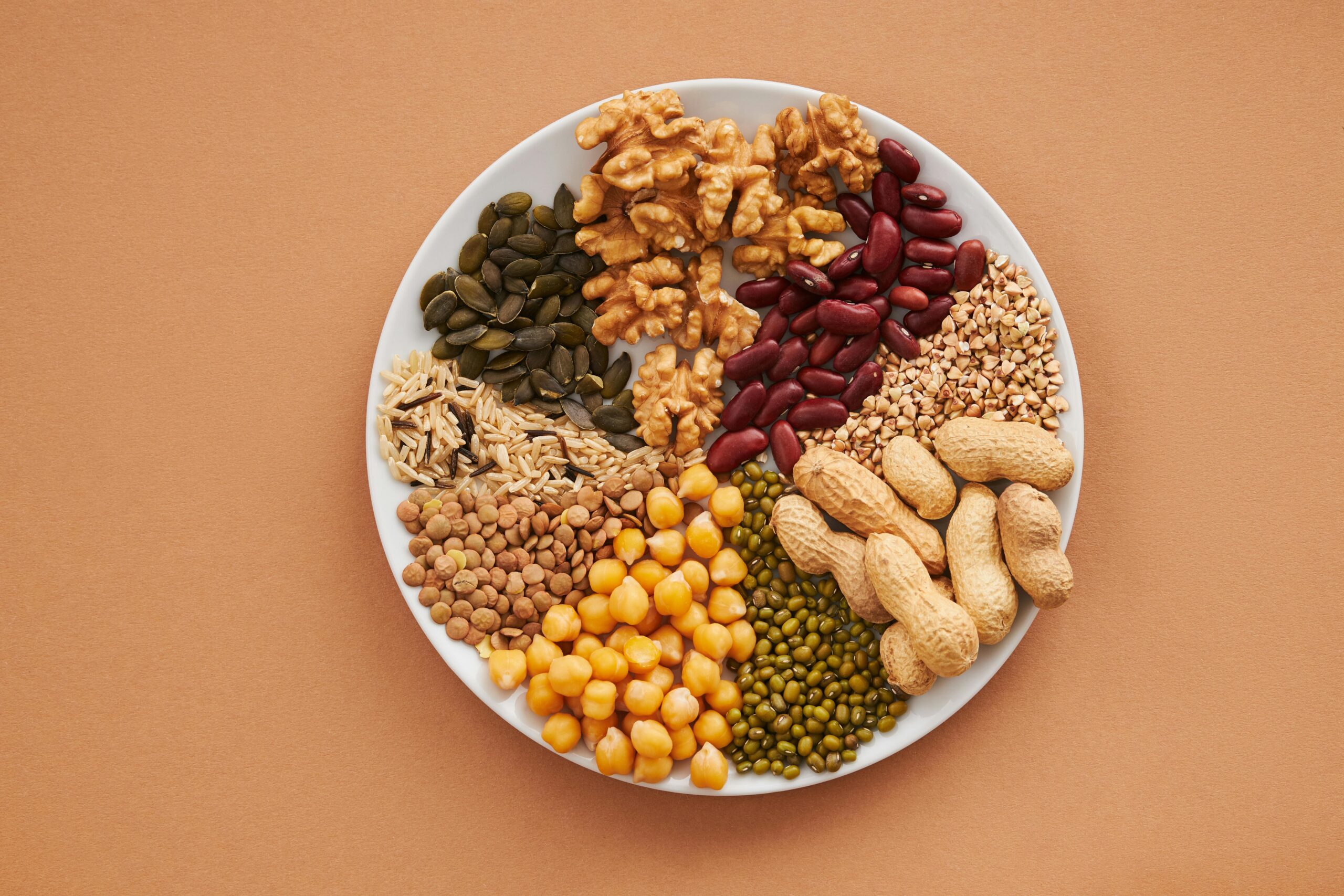
Plant-based proteins deserve special mention for their additional benefits. Beans, lentils, and chickpeas provide not only protein but also significant fiber and resistant starch, which feeds beneficial gut bacteria and supports metabolic health.
Whole Grains and Starchy Vegetables
The final quarter of your plate accommodates complex carbohydrates that provide sustained energy throughout your day. Whole grains retain their bran and germ, delivering fiber, B vitamins, minerals, and phytonutrients that refined grains lack entirely.
Excellent options include quinoa, brown rice, oats, barley, whole wheat pasta, sweet potatoes, winter squash, and corn. These foods maintain stable blood sugar levels compared to refined alternatives, preventing the energy crashes that trigger cravings and overeating.
Portion awareness remains important with this category. While whole grains are nutritious, they’re also relatively calorie-dense. The quarter-plate guideline prevents overconsumption while ensuring you get adequate carbohydrates to fuel physical activity and brain function.
Essential Additions Beyond the Basic Plate
A complete meal includes elements beyond the three main categories. Healthy fats, while calorie-dense, play crucial roles in nutrient absorption, hormone production, brain health, and inflammation control. Small amounts make significant nutritional differences.
Include sources like olive oil, avocado, nuts, seeds, and fatty fish regularly. These provide essential fatty acids your body cannot manufacture independently. A tablespoon of olive oil on vegetables or a quarter avocado with your meal represents appropriate portions.
Hydration deserves equal attention. Water should accompany every meal, as adequate fluid intake supports digestion, nutrient transport, temperature regulation, and virtually every cellular process. Aim for clear or pale yellow urine as a simple hydration indicator.
📋 Your Complete Balanced Plate Checklist
Creating a practical checklist ensures consistency without rigidity. This framework should guide decisions while allowing flexibility for preferences, cultural foods, and special occasions. The goal is progress and overall patterns, not perfection at every single meal.
- Half your plate covered with non-starchy vegetables in various colors
- Quarter plate dedicated to quality protein from diverse sources throughout the week
- Quarter plate filled with whole grains or starchy vegetables
- One serving of healthy fats incorporated through cooking or toppings
- Water or unsweetened beverages accompanying the meal
- Minimal processed foods and added sugars
- Appropriate portions that satisfy hunger without uncomfortable fullness
- Mindful eating practices with minimal distractions
🍳 Practical Application Across Different Meals
Breakfast Balanced Plates
Morning meals often look different from traditional lunch and dinner formats, but the balanced plate principles still apply beautifully. A vegetable omelet with whole grain toast and fruit demonstrates the framework perfectly, providing protein, complex carbs, and abundant produce.
Greek yogurt bowls work exceptionally well when constructed mindfully. Start with plain Greek yogurt for protein, add fresh berries and sliced banana for produce, sprinkle with granola or oats for whole grains, and finish with nuts or seeds for healthy fats.
Even traditional breakfast items can be balanced with minor adjustments. Whole grain pancakes topped with nut butter, served alongside scrambled eggs and fruit salad checks all the boxes while feeling indulgent and satisfying.
Lunch and Dinner Compositions
These meals typically fit the visual plate model most naturally. A grilled chicken breast with roasted Brussels sprouts, carrots, and quinoa perfectly exemplifies balanced eating. The visual division becomes immediately apparent on the actual plate.
Bowl meals have surged in popularity because they naturally encourage balanced compositions. A Buddha bowl with massaged kale, roasted chickpeas, sweet potato, quinoa, avocado, and tahini dressing incorporates every essential element in one delicious container.
Traditional recipes can be rebalanced by adjusting proportions. If your usual pasta dinner includes minimal vegetables, simply reduce the pasta portion, increase the vegetables dramatically, and add grilled shrimp or white beans for additional protein.
Common Mistakes and How to Avoid Them
Even with clear guidelines, certain pitfalls trip up well-intentioned eaters. Recognizing these patterns helps you course-correct quickly and maintain consistency with your healthy eating goals.
The most frequent mistake involves insufficient vegetable consumption. Many people include token vegetable portions rather than genuinely filling half the plate. Be honest about your vegetable intake and actively work toward meeting this recommendation at each meal.
Another common error is misjudging protein portions. Oversized protein servings leave less room for vegetables and can be unnecessarily expensive. Remember that palm-sized portions typically suffice for most adults, with adjustments for highly active individuals or specific medical conditions.
Drinking calories represents a subtle saboteur of balanced eating. Sugary beverages, excessive juice consumption, and specialty coffee drinks add significant calories without providing satiety or nutrition. Prioritize water and save caloric beverages for occasional enjoyment.
🎯 Adapting the Framework to Different Dietary Approaches
The balanced plate concept adapts beautifully to various dietary preferences and restrictions. Whether you follow vegetarian, vegan, paleo, Mediterranean, or other eating patterns, the fundamental principles remain applicable with minor modifications.
Vegetarians and vegans simply focus on plant-based protein sources like legumes, tofu, tempeh, seitan, and protein-rich whole grains like quinoa. The plate proportions remain identical, ensuring adequate nutrition without animal products.
Those following lower-carbohydrate approaches might reduce the grain quarter slightly while increasing the protein and fat portions. However, maintaining generous vegetable intake remains crucial for fiber, micronutrients, and overall health regardless of carbohydrate preferences.
Cultural and traditional foods absolutely fit within this framework. Mexican meals with beans, corn tortillas, and abundant salsa and vegetables check all boxes. Asian stir-fries with plenty of vegetables, protein, and rice served in appropriate proportions perfectly exemplify balanced eating.
Meal Planning Made Simple with Visual Guides
Using the balanced plate as your meal planning template dramatically simplifies weekly preparation. Start by listing favorite foods in each category, then mix and match according to preference, seasonality, and what’s available in your kitchen.
Batch cooking components rather than complete meals provides maximum flexibility. Roast several types of vegetables, cook a large pot of whole grains, and prepare multiple protein options during weekend meal prep, then combine them differently throughout the week.
Keep your pantry stocked with essentials from each category. Frozen vegetables, canned beans, whole grain pasta, eggs, and versatile proteins ensure you can always create balanced meals even when fresh shopping hasn’t happened recently.
Teaching Balanced Eating to Children
Visual plate methods work remarkably well with children because they’re concrete and easy to understand. Rather than abstract nutrition lectures, kids can literally see what belongs on their plate and participate in building balanced meals.
Make it interactive by having children help fill each section of their plate during family meals. This involvement increases vegetable acceptance and helps establish lifelong healthy eating patterns through hands-on learning rather than force or pressure.
Use colorful plates divided into sections to make the concept even more tangible for young children. Some families use actual divided plates, while others simply point out the visual proportions on regular dishes.
🌟 Maintaining Flexibility While Staying Consistent
The balanced plate shouldn’t become another source of food anxiety or rigid control. Life includes celebrations, travel, busy days, and moments when perfect balance simply isn’t the priority, and that’s completely acceptable.
Aim for overall patterns rather than perfection at every meal. If lunch was mostly carbohydrates, emphasize protein and vegetables at dinner. If you enjoyed a decadent restaurant meal, return to balanced eating at the next opportunity without guilt or compensatory restriction.
Remember that adequacy matters more than optimization. A reasonably balanced plate eaten consistently beats a perfect plate maintained sporadically. Sustainable habits that fit your lifestyle will always outperform unsustainable perfection.
Tracking Progress Without Obsession
Some people benefit from occasionally photographing their plates to assess whether they’re consistently meeting balanced plate guidelines. Visual documentation provides objective feedback without the mental load of detailed food journals or calorie counting.
Notice how you feel after balanced meals compared to unbalanced ones. Energy levels, satiety duration, mood stability, and digestive comfort often improve dramatically with consistently balanced eating, providing powerful intrinsic motivation to continue.
Celebrate non-scale victories like improved lab values, better sleep quality, enhanced athletic performance, clearer skin, or simply feeling more confident in your food choices. These markers often reflect health improvements before weight changes become apparent.

Your Path Forward with Balanced Eating
Mastering balanced meals through visual guidelines represents one of the most practical, sustainable approaches to healthy eating available today. The simplicity removes barriers while the flexibility prevents the rebellion that often follows overly restrictive diets.
Start implementing these principles at one meal daily, then gradually expand as the pattern becomes natural. You’ll likely notice that balanced eating becomes increasingly automatic as your taste preferences shift and you experience the benefits firsthand.
Remember that this journey is highly individual. What constitutes balanced eating for you might differ slightly from another person based on activity levels, health conditions, preferences, and goals. Use these guidelines as a starting framework, then adjust based on how your body responds.
The ultimate goal isn’t dietary perfection but rather establishing a peaceful, nourishing relationship with food that supports your health without dominating your thoughts. The balanced plate visual checklist provides exactly that: a simple, effective tool that makes healthy eating accessible, sustainable, and enjoyable for life. 🌈