Managing household expenses doesn’t have to feel overwhelming. With the right approach to grocery shopping, you can significantly reduce your monthly spending while still enjoying nutritious, delicious meals for your entire family.

The secret to successful budget-friendly shopping lies not in extreme couponing or deprivation, but in strategic planning and smart choices. By understanding what to buy, when to buy it, and how to maximize every dollar, you’ll transform your grocery routine into a powerful money-saving tool that benefits your wallet and your well-being.
🛒 Understanding the Foundation of Budget-Friendly Shopping
Before diving into specific products and strategies, it’s essential to understand what makes a grocery list truly budget-friendly. The most effective shopping lists balance three critical elements: nutritional value, versatility, and cost-effectiveness. Items that check all three boxes become the foundation of your smart savings strategy.
Budget-friendly doesn’t mean sacrificing quality or health. In fact, many of the most nutritious foods available are also among the most affordable. Whole grains, legumes, seasonal produce, and basic proteins often cost less per serving than processed convenience foods while providing superior nutrition.
The Psychology of Smart Shopping
Understanding your shopping behavior is crucial for long-term success. Impulse purchases account for a significant portion of grocery overspending, with studies showing that shoppers typically spend 20-30% more than planned when shopping without a list. Creating and sticking to a predetermined shopping list is your first line of defense against unnecessary expenses.
Store layouts are deliberately designed to encourage spending, placing high-margin items at eye level and essential goods at the back of the store. By recognizing these tactics, you can navigate your shopping experience with intention rather than falling prey to marketing strategies.
📝 The Essential Budget-Friendly Grocery Categories
Protein Sources That Won’t Break the Bank
Protein is often the most expensive component of meals, but several affordable options provide excellent nutrition without the premium price tag. Eggs remain one of the most cost-effective protein sources, offering complete amino acids at typically under $3 per dozen. Each egg provides about 6 grams of protein, making them incredibly economical.
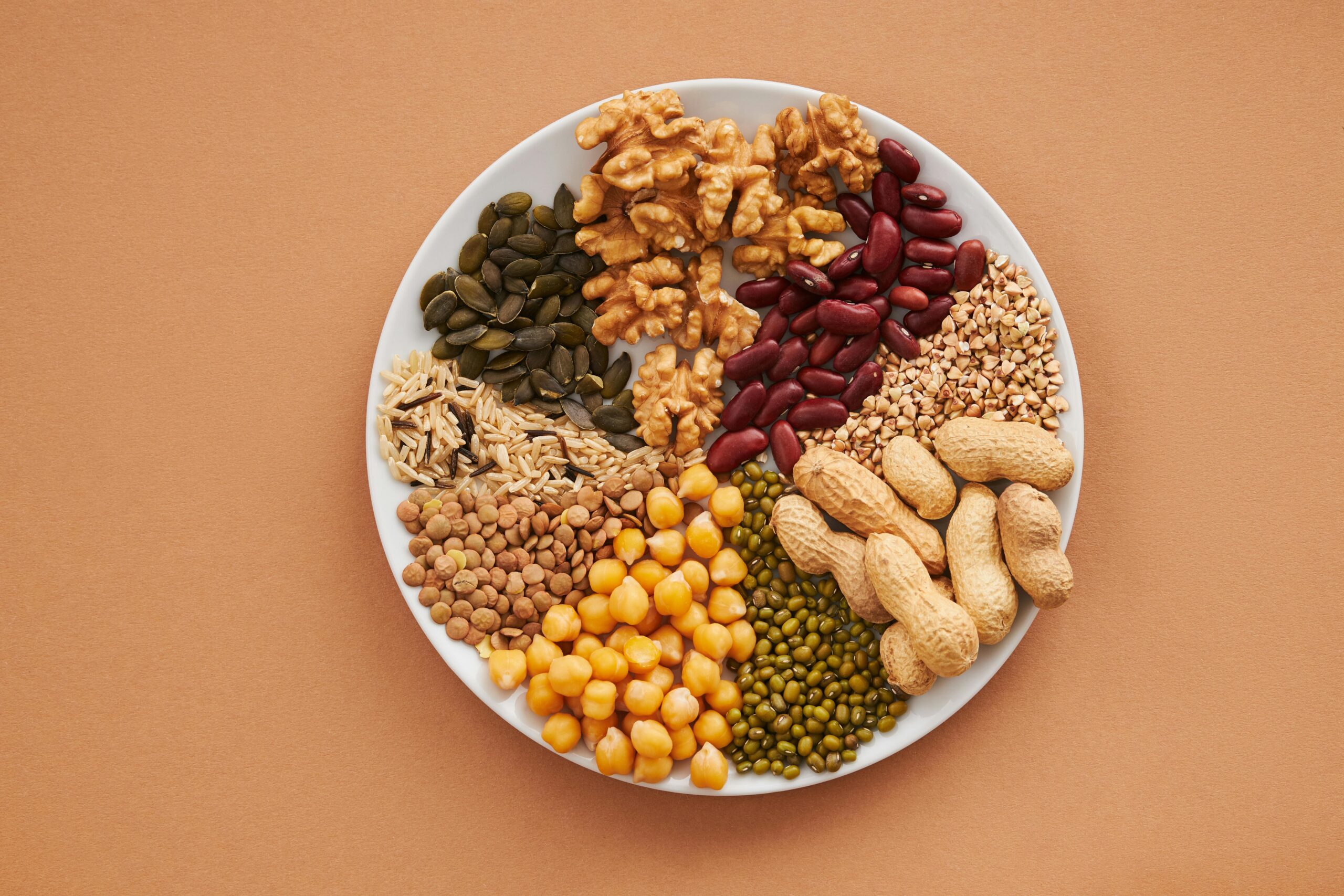
Canned tuna and salmon offer convenient, shelf-stable protein options that frequently go on sale. When purchased in bulk or during promotional periods, these can cost less than a dollar per serving. Dried beans and lentils represent perhaps the ultimate budget protein, costing pennies per serving while providing fiber, iron, and essential nutrients.
Chicken thighs and drumsticks typically cost 30-50% less than chicken breasts while offering more flavor and remaining tender through various cooking methods. Ground turkey or chicken often provides savings compared to ground beef, and whole chickens offer the best per-pound value, with the added bonus of bones for homemade stock.
Grains and Starches: Your Budget’s Best Friend
Whole grains provide lasting energy, fiber, and nutrients at extremely low costs. Brown rice, purchased in large bags, can cost as little as 50 cents per pound and serves as a base for countless meals. Oats are equally economical, offering versatility beyond breakfast into baked goods and savory dishes.
Pasta remains a pantry staple that delivers on both affordability and shelf life. Whole wheat varieties provide additional fiber and nutrients with minimal price difference. Sweet potatoes and regular potatoes offer exceptional nutritional value per dollar, packed with vitamins, minerals, and complex carbohydrates that keep you satisfied.
Vegetables: Fresh, Frozen, and Canned
The key to affordable vegetables is understanding when to buy fresh, frozen, or canned. Seasonal fresh produce always offers the best value, as supply is high and prices drop accordingly. Carrots, cabbage, onions, and celery remain affordable year-round and provide flavor foundations for numerous dishes.
Frozen vegetables deserve special attention in budget shopping. They’re harvested at peak ripeness, require no preparation, produce no waste, and often cost less than fresh alternatives. Frozen spinach, mixed vegetables, and broccoli provide nutrition and convenience without premium pricing.
Canned tomatoes, beans, and corn offer shelf stability and year-round consistent pricing. These form the backbone of soups, stews, and casseroles that stretch your budget further. Look for low-sodium options to maintain control over your family’s salt intake.
Dairy and Alternatives
Milk remains relatively affordable, especially when purchased in larger quantities before the expiration date allows. Many stores mark down dairy products nearing their sell-by dates, offering opportunities for significant savings if you can use them immediately or freeze them.
Plain yogurt costs considerably less than flavored varieties and offers more versatility. You can add your own fruit, honey, or use it in cooking and baking. Block cheese typically costs less per ounce than pre-shredded varieties, with the added benefit of better melting properties and no anti-caking agents.
💰 Strategic Shopping Techniques for Maximum Savings
Mastering the Art of Meal Planning
Meal planning transforms random grocery purchases into a coordinated strategy. By planning a week’s meals before shopping, you buy only what you need, reduce food waste, and avoid the expensive trap of last-minute takeout decisions. Start by checking what you already have, then build meals around sales and seasonal items.
Theme nights simplify planning while providing structure: Meatless Monday, Taco Tuesday, or Soup Sunday create frameworks that make decision-making easier. Building your plan around versatile ingredients that appear in multiple meals maximizes efficiency and minimizes waste.
Understanding Unit Pricing and True Value
Unit pricing reveals the actual cost per ounce, pound, or count, allowing accurate price comparisons between different sizes and brands. While bulk sizes often offer savings, this isn’t universal. Checking unit prices protects against misleading packaging and marketing that suggests value where none exists.
Store brands typically provide 20-30% savings compared to name brands, with most products manufactured in the same facilities to similar standards. Blind taste tests frequently show no discernible difference in quality, making store brands an easy avenue for consistent savings across your shopping list.
Timing Your Shopping Strategically
Shopping on specific days can impact your bottom line. Many stores mark down meat, bakery items, and produce on particular days or times. Evening shopping often reveals clearance stickers on perishables that need to sell quickly. Building relationships with store staff can provide insider knowledge about markdown schedules.
Monthly sales cycles mean certain categories go on sale predictably. Stock up on non-perishables during these promotional periods to maintain a reserve that carries you through higher-price weeks. This approach requires upfront investment but delivers long-term savings.
📱 Technology Tools for Smarter Shopping
Modern technology offers powerful tools for budget-conscious shoppers. Digital coupons, cashback apps, and price comparison tools put savings literally at your fingertips. Many grocery store apps provide digital coupons that automatically apply at checkout, requiring no scissors or organization.
Cashback and rebate apps like Ibotta allow you to earn money back on purchases you’re already making. By checking these apps before shopping, you can prioritize items offering additional savings. Price comparison apps help identify which stores offer the best prices on your regular purchases.
Budget tracking apps help monitor spending patterns over time, revealing where money goes and highlighting opportunities for adjustment. Many offer features like receipt scanning and category analysis that provide insights into your shopping habits.
🍳 Making the Most of Your Purchases
Proper Storage Extends Your Investment
Proper food storage dramatically impacts how far your grocery budget stretches. Learning which produce items should be refrigerated versus kept at room temperature prevents premature spoilage. Herbs stored in water like flowers last weeks instead of days. Cheese wrapped in wax paper then plastic maintains quality longer than plastic wrap alone.
Freezing is perhaps the most underutilized money-saving technique. Bread, butter, cheese, and even milk freeze successfully, allowing you to buy on sale without waste concerns. Preparing and freezing meal components during free time creates future convenience without the restaurant markup.
Cooking Techniques That Maximize Value
Batch cooking transforms budget ingredients into ready-to-eat meals that compete with convenience foods. Spending a few hours preparing soups, casseroles, or protein portions for the week ahead prevents exhausted evenings from derailing your budget through takeout.
Learning to use every part of ingredients eliminates waste and stretches purchases further. Vegetable scraps become flavorful stocks, meat bones create rich broths, and stale bread transforms into croutons or breadcrumbs. This approach aligns with both budget consciousness and environmental responsibility.
🎯 Building Your Ultimate Budget-Friendly Shopping List
The Foundation Staples
Every budget-friendly kitchen should maintain certain staples that enable countless meal variations. Rice, pasta, and oats provide carbohydrate foundations. Canned tomatoes, beans, and broth create flavor bases. Flour, baking powder, and sugar enable homemade baked goods that cost pennies compared to bakery prices.
Cooking oils, vinegar, and basic seasonings might require initial investment but last months while dramatically improving food quality. Salt, pepper, garlic powder, and cumin form a spice foundation that covers most cuisines. Building this pantry gradually prevents overwhelming upfront costs.
Weekly Fresh Items
Your weekly shopping should focus on fresh items that complement your pantry staples. Seasonal produce offers the best combination of quality and value. Protein choices should balance cost, nutrition, and your family’s preferences. Planning meals around what’s on sale this week rather than rigid recipes provides flexibility that translates to savings.
Leafy greens, whatever variety offers the best value, provide essential nutrients and volume for minimal cost. Bananas remain one of the most affordable fresh fruits available year-round. Eggs continue appearing on budget lists for good reason – their versatility spans breakfast, lunch, dinner, and baking.
🌟 Advanced Strategies for Serious Savers
Growing Your Own Supplements
Even apartment dwellers can grow fresh herbs on windowsills, providing expensive ingredients for pennies. A basil plant costs $3-4 and produces $20-30 worth of fresh herbs over its lifetime. Tomatoes, lettuce, and peppers thrive in containers, offering fresh produce and the satisfaction of self-sufficiency.
Community gardens provide plot space for minimal fees, allowing larger-scale vegetable growing without requiring private land. The time investment pays dividends in fresh, organic produce throughout growing seasons.
Buying Clubs and Cooperative Shopping
Warehouse clubs like Costco or Sam’s Club offer bulk pricing that dramatically reduces per-unit costs. However, membership fees mean you must calculate whether your savings exceed the annual cost. Splitting bulk purchases with friends or family members provides warehouse pricing benefits without oversized quantities.
Food cooperatives and buying clubs connect consumers directly with producers, eliminating middleman markups. These organizations often require some volunteer time but reward members with substantial savings on quality products.
🔄 Adapting Your Strategy Over Time
Budget-friendly shopping isn’t a static formula but an evolving practice that adapts to changing circumstances. As prices fluctuate, substitute ingredients maintain your budget without sacrificing nutrition. Regular review of your spending patterns reveals new opportunities for optimization.
Seasonal adjustments keep your menu interesting while capitalizing on natural price fluctuations. Winter squashes and root vegetables dominate cold-weather shopping, while summer brings abundant, affordable fresh produce. Working with rather than against these cycles maximizes both value and flavor.
Teaching Family Members Budget Awareness
Involving household members in planning and shopping creates shared commitment to financial goals. Children who understand budget constraints develop valuable life skills and become partners rather than obstacles to savings. Age-appropriate involvement might include comparing unit prices, identifying sale items, or planning a meal within a specific budget.
Discussing the “why” behind budget choices helps family members understand that smart shopping reflects priorities, not deprivation. Framing it as a challenge or game rather than restriction maintains positive attitudes toward necessary limitations.

💡 Transforming Savings Into Financial Freedom
The ultimate goal of budget-friendly shopping extends beyond reducing grocery bills. Money saved on food creates financial breathing room for other priorities: emergency funds, debt reduction, or quality-of-life improvements. A family saving $100 monthly on groceries redirects $1,200 annually toward goals that matter most.
This approach cultivates mindfulness around consumption that extends beyond the grocery store. The skills developed through strategic shopping – planning, comparison, delayed gratification – apply to all spending categories. What begins as grocery savings evolves into a comprehensive approach to financial wellness.
Smart savings aren’t about perfection but consistent improvement. Small changes compound over time, creating significant impact without requiring dramatic lifestyle overhaul. Start with one or two strategies from this guide, master them, then gradually incorporate additional techniques as they become comfortable habits.
Your journey toward budget-friendly shopping is uniquely yours, reflecting your family’s tastes, needs, and circumstances. The strategies outlined here provide a framework, but you’ll customize and adapt them to create a personalized system that works for your household. The investment of time and attention pays dividends every shopping trip, every meal, and every month as you watch savings accumulate while your family eats well.