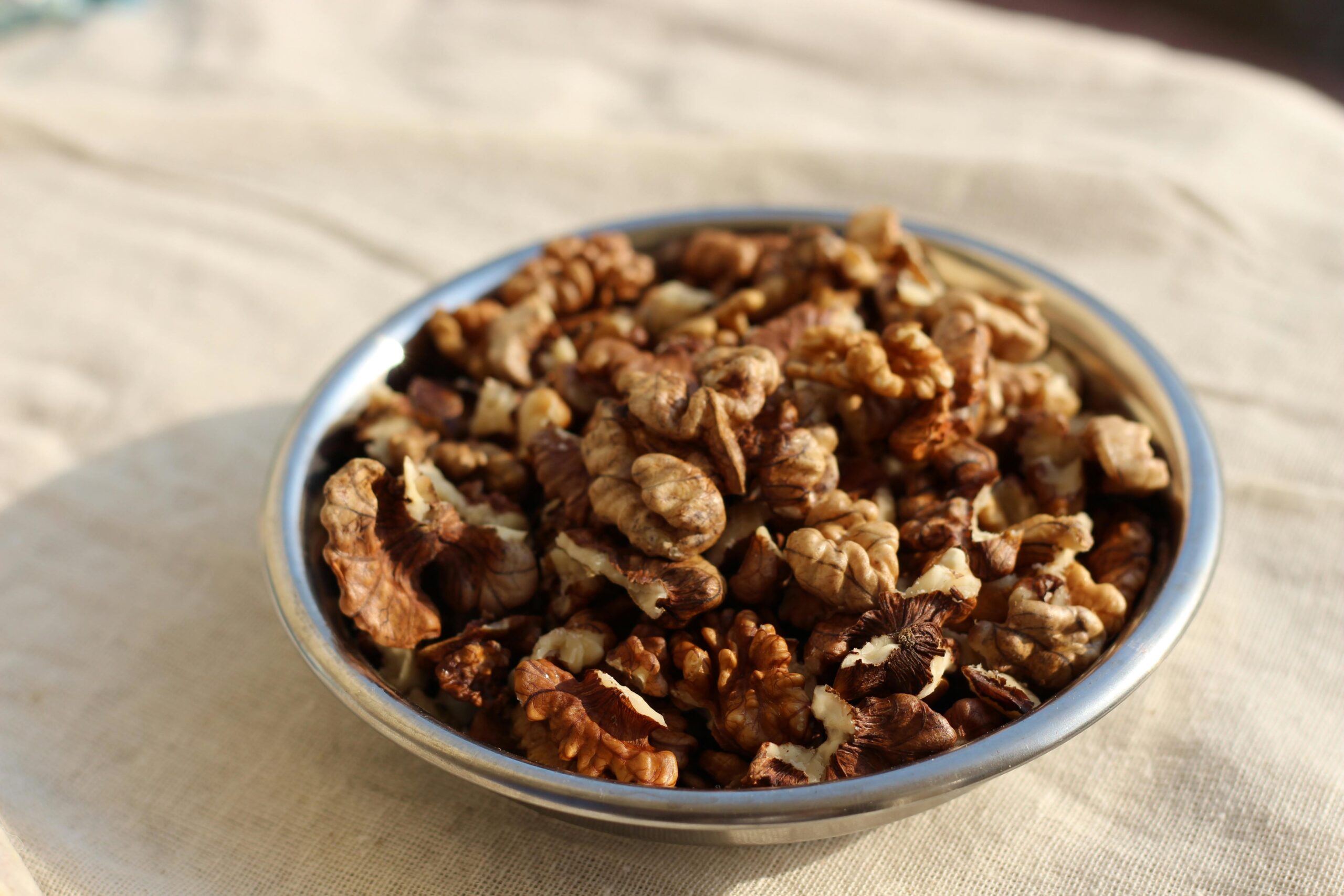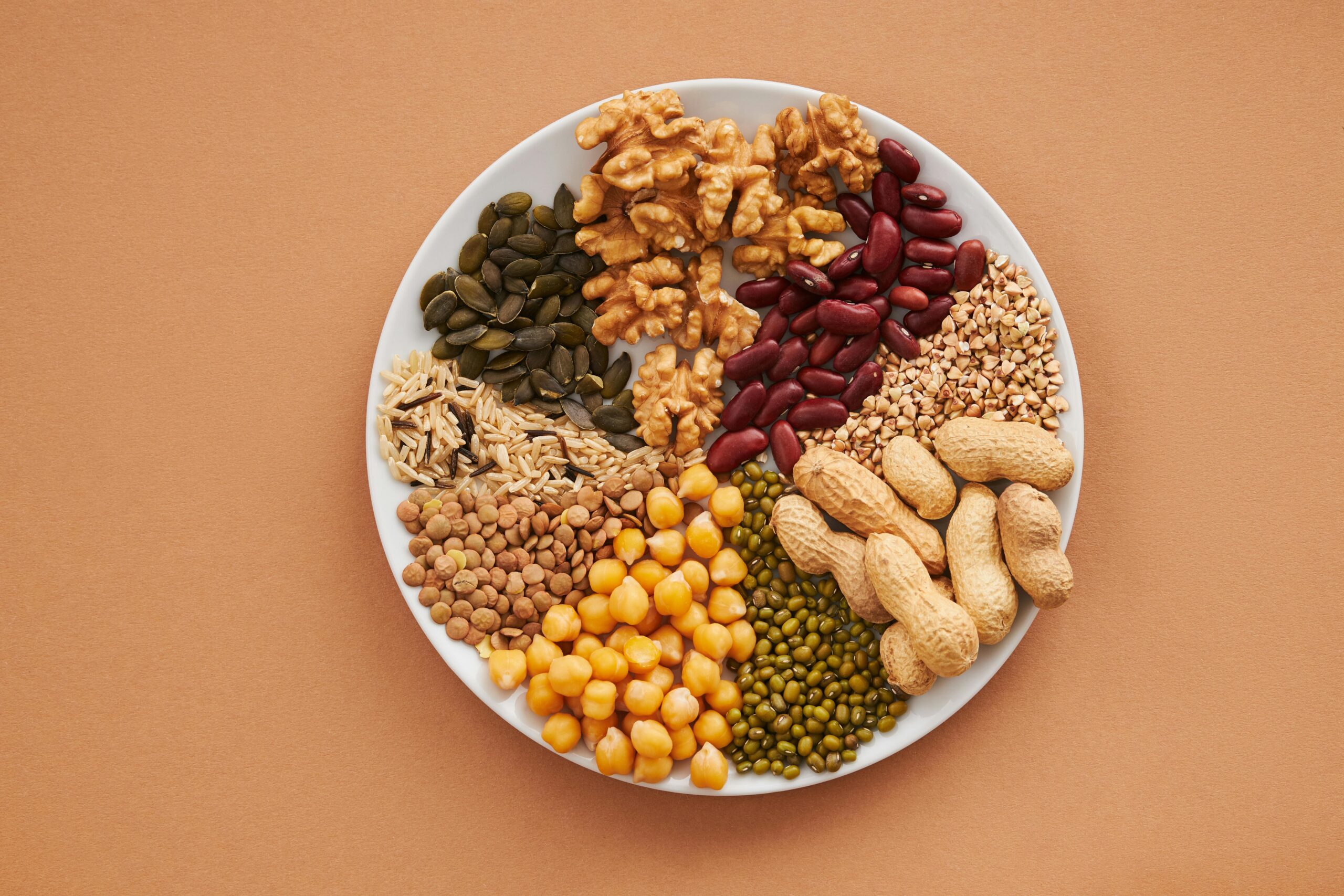
Shopping for groceries on a tight budget doesn’t mean sacrificing flavor or nutrition. With smart planning and the right strategies, you can enjoy delicious, wholesome meals while keeping your wallet happy.

The secret to budget-friendly grocery shopping lies in preparation and knowing exactly what to buy. By creating a strategic weekly grocery list, you can eliminate impulse purchases, reduce food waste, and maximize every dollar spent. This comprehensive guide will walk you through everything you need to create satisfying meals without breaking the bank.
🛒 The Foundation of Budget-Friendly Shopping
Before diving into your shopping list, understanding the basics of economical grocery shopping sets you up for success. The most effective budget shoppers know that planning ahead transforms how money flows through their kitchen.
Start by assessing your actual needs versus wants. Review your pantry, refrigerator, and freezer to identify what you already have. This simple step prevents duplicate purchases and helps you build meals around existing ingredients. Many people waste money buying items they already own simply because they forgot to check.
Setting a realistic weekly budget is crucial. Financial experts recommend spending between 10-15% of your income on groceries, but this varies based on family size and location. Calculate what works for your situation and commit to that number. Track your spending with a simple notebook or budgeting app to stay accountable.
Timing Your Shopping Trips Strategically
When you shop matters almost as much as what you buy. Stores typically mark down perishables like meat, bread, and produce in the early morning or late evening. Shopping during these windows can save you 30-50% on these items. Many grocery stores also have specific discount days for certain categories.
Avoid shopping when hungry – this classic advice exists for good reason. Studies show that hungry shoppers spend up to 64% more on impulse purchases. Eat a meal or snack before heading to the store to maintain discipline and stick to your list.
🥗 Your Essential Weekly Grocery List
A well-structured grocery list serves as your roadmap to affordable, delicious eating. The following categories cover all nutritional bases while keeping costs manageable for tight budgets.
Protein Sources That Won’t Empty Your Wallet
Protein often represents the largest portion of grocery budgets, but affordable options abound if you know where to look. Eggs remain one of the most economical protein sources, providing high-quality nutrition at roughly 20 cents per egg. A dozen eggs can anchor multiple meals throughout the week.
Dried beans and lentils offer incredible value, costing mere pennies per serving while delivering fiber, protein, and essential minerals. A one-pound bag of dried beans yields approximately 12-15 servings and can be incorporated into soups, salads, tacos, and side dishes.
Chicken thighs and drumsticks cost significantly less than breast meat while offering more flavor. Ground turkey or chicken provides versatility for various dishes. Canned tuna and sardines deliver omega-3s and protein at budget-friendly prices. When available, whole chickens offer the best per-pound value and provide bones for homemade stock.
Vegetables: Fresh, Frozen, and Canned Options
Contrary to popular belief, fresh doesn’t always mean better or more nutritious. Frozen vegetables are picked and frozen at peak ripeness, often retaining more nutrients than fresh produce that travels long distances. They’re also typically cheaper and eliminate waste since you use only what you need.
Focus on seasonal produce for the best prices on fresh vegetables. Carrots, cabbage, onions, and potatoes remain affordable year-round and store well. These versatile vegetables form the base of countless dishes and provide excellent nutritional value per dollar spent.
Canned tomatoes, corn, and green beans offer convenience and long shelf life. Look for low-sodium varieties when possible, or rinse regular canned vegetables before use. Buy store brands to save 20-40% compared to name brands – the quality difference is often negligible.
Grains and Starches for Staying Power
Whole grains provide filling, nutritious foundations for meals at minimal cost. Rice, especially brown rice bought in bulk, offers exceptional value. A 10-pound bag can last weeks and costs just dollars. Oats work for breakfast, baking, and even savory applications, making them incredibly versatile.
Pasta remains a budget staple that pairs with countless sauces and proteins. Whole wheat pasta provides more fiber and nutrients for just slightly higher cost. Potatoes, both white and sweet, deliver filling nutrition and adapt to various cooking methods from baking to roasting to mashing.
Consider less common but equally economical options like barley, bulgur, or quinoa when on sale. These grains add variety to your meals and pack impressive nutritional profiles.
💰 Smart Shopping Strategies That Save Money
Having a solid list represents just one piece of the budget puzzle. How you shop determines whether you maximize or waste your food dollars.
Mastering Store Layouts and Marketing Tricks
Grocery stores design layouts to maximize your spending. The most expensive items sit at eye level, while better values hide on top or bottom shelves. Peripheral aisles contain whole foods like produce, meat, and dairy, while processed foods dominate center aisles with higher markups.
Shop the perimeter first, filling your cart with whole food staples. Only venture into center aisles for specific items on your list. This approach naturally limits exposure to tempting but unnecessary products.
Unit pricing reveals true value by showing cost per ounce, pound, or count. Compare unit prices rather than package prices to identify genuine deals. Sometimes smaller packages offer better unit prices than bulk options, especially during sales.
Leveraging Coupons and Loyalty Programs
Digital coupons and store apps have revolutionized savings opportunities. Most major grocery chains offer apps with exclusive discounts, personalized deals, and digital coupons that load directly to your loyalty card. Spend five minutes before shopping to clip relevant coupons.
Stack manufacturer coupons with store sales for maximum savings. Many stores allow combining their coupons with manufacturer coupons on the same item, potentially getting products for free or nearly free. Sign up for loyalty programs at stores you frequent – these programs cost nothing but provide access to member-only pricing.
Buying Generic and Store Brands
Store brands typically cost 20-40% less than national brands while meeting identical quality standards. Many store brand products are manufactured by the same companies that produce name brands, just with different packaging.
Start by trying store brands for staples like flour, sugar, canned goods, dairy, and frozen vegetables. These items rarely show quality differences from pricier alternatives. If you dislike a store brand product, you can always return to the name brand for that specific item while saving on everything else.
🍳 Weekly Meal Planning for Maximum Value
Strategic meal planning transforms random ingredients into cohesive, delicious meals while minimizing waste. This practice represents the cornerstone of budget-conscious cooking.
Building Your Weekly Menu
Start by planning dinners, as these typically represent the most expensive and time-consuming meals. Design meals that share ingredients to maximize efficiency and reduce costs. For example, a whole chicken can provide roasted chicken one night, chicken tacos another night, and chicken soup a third night.
Theme nights simplify planning and create family traditions. Meatless Monday reduces costs while increasing vegetable intake. Taco Tuesday allows creativity with various proteins and toppings. Leftover Friday prevents waste while giving you a cooking break.
Plan at least one slow-cooker or sheet pan meal requiring minimal effort. These cooking methods often use less expensive cuts of meat that become tender with longer cooking times. Plus, they create automatic leftovers for lunches.
Breakfast and Lunch Solutions
Breakfast need not be expensive or time-consuming. Oatmeal costs pennies per serving and can be customized with different toppings throughout the week. Make-ahead egg muffins or breakfast burritos freeze beautifully and reheat quickly on busy mornings.
Lunch often becomes an afterthought, leading to expensive takeout or restaurant meals. Intentionally cooking extra dinner portions provides ready-made lunches without additional effort. Soups, grain bowls, and pasta salads work wonderfully for packed lunches and cost a fraction of bought meals.
🥘 Recipe Ideas Using Budget Staples
Having affordable ingredients means nothing without knowing how to transform them into appealing meals. These recipe frameworks use budget staples to create satisfying dishes.
One-Pot Wonders
One-pot meals minimize cleanup while maximizing flavor and value. Chicken and rice cooked together with vegetables creates a complete meal in a single dish. Add different spices and seasonings to transform the basic framework into varied cuisines – Italian herbs one week, curry powder the next, Mexican spices another time.
Bean-based chilis and stews stretch budgets impressively while providing hearty nutrition. Start with sautéed onions and garlic, add canned tomatoes, dried beans (or canned for convenience), and whatever vegetables need using. Season generously and let simmer until flavors meld.
Pasta dishes accommodate endless variations using different shapes, sauces, and add-ins. A simple tomato sauce with pasta costs less than a dollar per serving but feels indulgent. Add sautéed vegetables, beans, or small amounts of meat to increase protein and nutrients.
Vegetarian Meals That Satisfy
Meatless meals significantly reduce grocery costs while offering delicious, nutritious options. Lentil curry over rice provides complete protein for minimal cost. Black bean tacos with fresh toppings satisfy without expensive meat. Vegetable stir-fries over rice or noodles use whatever produce is affordable and in season.
Egg-based dinners like frittatas, omelets, or shakshuka provide quick, protein-rich meals. Breakfast for dinner eliminates rules while saving money. Add a side salad and toast for a complete, satisfying meal.
📦 Proper Storage Extends Food Life
Buying affordable groceries means nothing if half spoils before you use it. Proper storage techniques maximize freshness and minimize waste, effectively lowering your actual food cost.
Refrigerator and Freezer Organization
Store vegetables in the crisper drawer with appropriate humidity settings – high humidity for leafy greens, low humidity for fruits. Keep herbs fresh by trimming stems and storing upright in water like flowers, covering loosely with plastic bags.
Freeze bread, meat, and many prepared foods to extend life indefinitely. Portion meat before freezing for easier thawing. Label everything with contents and date to maintain quality and prevent freezer burn.
Arrange your refrigerator with older items toward front, newer items toward back. This simple system ensures you use food before it spoils. Designate one shelf or container for items needing to be used soon.
Pantry Management
Store dry goods in airtight containers to prevent pests and maintain freshness. Clear containers let you see quantities at a glance, preventing overbuying. Group similar items together – baking supplies in one area, grains in another, canned goods separately.
Practice first-in, first-out rotation by placing new purchases behind older items. Check expiration dates periodically and plan meals around items approaching their dates. Most dried goods remain safe and nutritious well past printed dates if stored properly.
🎯 Staying Motivated and Flexible
Budget shopping requires discipline, but shouldn’t feel like punishment. Building flexibility into your system prevents burnout and helps maintain long-term success.
Allow small treats within your budget – a favorite snack, special coffee, or dessert ingredient. These minor indulgences make the overall experience more sustainable and enjoyable. Deprivation leads to rebellion and expensive binges.
Review your spending weekly to identify patterns and opportunities. Celebrate wins when you come under budget. Analyze overspending without judgment to understand triggers and adjust strategies. This ongoing refinement process continuously improves your efficiency.
Connect with others pursuing similar goals through online communities or local groups. Sharing recipes, deals, and encouragement makes the journey more enjoyable. Learning from others’ successes and challenges accelerates your own progress.
🌟 Making Budget Shopping Your New Normal
Transforming grocery shopping from a financial burden into a strategic, even enjoyable activity takes practice but delivers tremendous rewards. The money saved accumulates quickly, funding other goals and reducing financial stress.
Start small if the entire system feels overwhelming. Implement one or two strategies this week, then add more as they become habitual. Perhaps begin with meal planning or switching to store brands. Build momentum gradually rather than attempting everything simultaneously.
Track not just spending but also meals enjoyed, waste reduced, and confidence gained. These non-financial victories matter tremendously for long-term success. Cooking skills improve with practice, making future meals easier and more delicious.
Remember that occasional setbacks happen to everyone. A busy week might derail meal planning, or an unexpected event might bust the budget. Learn from these experiences without self-criticism, then return to your strategies with renewed commitment.
Your ultimate weekly grocery list becomes more than a shopping tool – it represents financial empowerment, health consciousness, and creative expression through cooking. Each successful shopping trip and home-cooked meal reinforces positive habits while building toward larger financial goals. Budget-friendly groceries don’t require sacrifice when approached with knowledge, planning, and the strategies outlined here. Delicious, nutritious meals await your well-planned cart and thoughtfully stocked kitchen! 🎉