Shopping smart doesn’t mean compromising on nutrition or taste. With the right strategies and planning, you can create delicious, balanced meals while keeping your grocery budget under control and your health in check.

The rising cost of groceries has made many households rethink their shopping habits. However, eating healthy on a budget is entirely achievable when you understand how to shop strategically, plan meals effectively, and make informed choices at the supermarket. This comprehensive guide will walk you through building a low-cost, balanced grocery list that supports both your wellness goals and your wallet.
🛒 Understanding the Foundation of Smart Grocery Shopping
Before diving into specific foods and strategies, it’s essential to understand what makes a grocery list truly balanced and budget-friendly. A well-planned shopping approach combines nutritional knowledge with financial awareness, ensuring you get maximum value from every dollar spent.
The key principles include prioritizing whole foods over processed options, buying seasonal produce, understanding unit pricing, and avoiding impulse purchases. When you master these fundamentals, grocery shopping transforms from a stressful chore into an empowering activity that supports your health goals.
The Three Pillars of Budget-Friendly Nutrition
Successful budget shopping rests on three essential pillars: planning, flexibility, and knowledge. Planning involves creating meal schedules and corresponding shopping lists before entering the store. Flexibility means being willing to substitute ingredients based on sales and seasonal availability. Knowledge encompasses understanding nutrition labels, price comparisons, and cooking techniques that maximize ingredients.
When these three elements work together, you create a sustainable system that consistently delivers healthy meals without breaking the bank. This approach also reduces food waste, as you’re purchasing with intention rather than impulse.
🥗 Building Your Balanced Grocery List: The Essential Categories
A nutritionally complete grocery list should cover all major food groups while maintaining budget consciousness. Let’s break down each category with specific, affordable options that deliver maximum nutritional value.
Protein Sources That Won’t Break the Bank
Protein is essential for muscle maintenance, satiety, and overall health. Fortunately, affordable protein options abound if you know where to look. Eggs consistently rank as one of the most economical protein sources, providing high-quality nutrition at minimal cost. A dozen eggs can fuel multiple meals throughout the week.
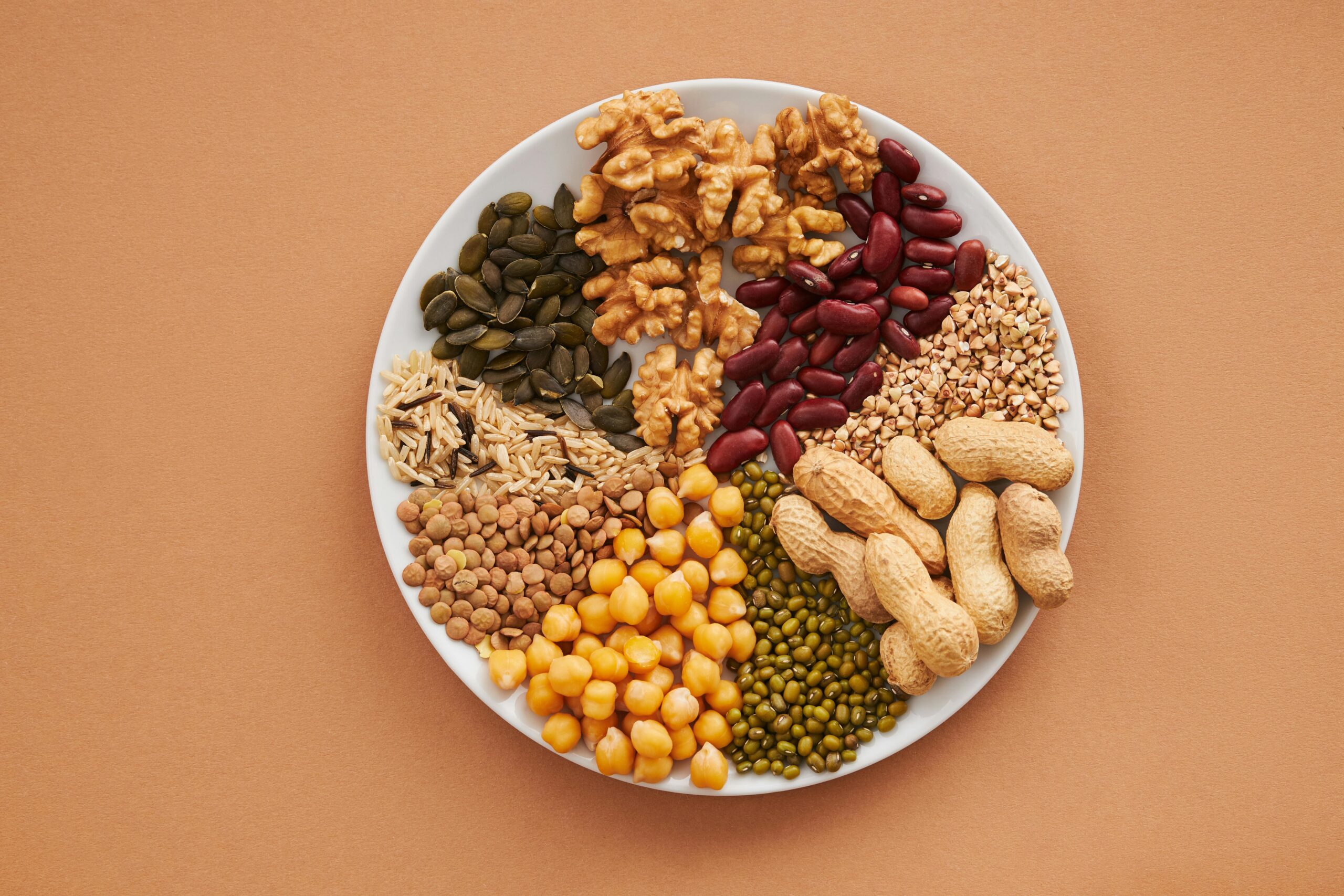
Canned beans and lentils offer exceptional value, delivering both protein and fiber. Black beans, chickpeas, kidney beans, and pinto beans are versatile ingredients that work in salads, soups, tacos, and countless other dishes. Dried beans cost even less if you have time for soaking and cooking.
Chicken thighs and drumsticks typically cost significantly less than breast meat while offering richer flavor and more forgiving cooking properties. Ground turkey or chicken provides lean protein at competitive prices. For plant-based eaters, tofu and tempeh deliver complete proteins at reasonable costs when purchased from Asian markets or in bulk.
Carbohydrates for Energy and Satisfaction
Whole grains and starchy vegetables provide sustained energy without commanding premium prices. Brown rice, oats, and whole wheat pasta are pantry staples that cost pennies per serving. Buying these items in bulk quantities further reduces the per-unit cost.
Potatoes, sweet potatoes, and other root vegetables offer nutrient-dense carbohydrates at budget-friendly prices, especially when purchased in larger bags. These versatile ingredients can be roasted, mashed, baked, or incorporated into various dishes throughout the week.
Whole grain bread, particularly store brands or day-old sections, provides convenient carbohydrates for sandwiches and toast. Freezing extra loaves prevents waste while ensuring you always have bread available.
Vegetables: Fresh, Frozen, and Affordable
Contrary to popular belief, eating plenty of vegetables doesn’t require an enormous budget. The key is strategic selection based on season, format, and versatility. Frozen vegetables often cost less than fresh options while maintaining equivalent nutritional value since they’re frozen at peak ripeness.
Carrots, cabbage, onions, and celery are remarkably inexpensive year-round and serve as foundational ingredients in countless recipes. These vegetables store well, reducing the risk of spoilage and waste. Seasonal produce shopping ensures you’re buying when prices are lowest and quality is highest.
Leafy greens like spinach and kale provide exceptional nutrition, and buying them frozen eliminates concerns about rapid spoilage. Mixed frozen vegetable blends offer convenience and variety at competitive prices, perfect for quick stir-fries or side dishes.
Fruits for Nutrition and Natural Sweetness
Fruit shopping requires similar strategic thinking as vegetables. Bananas consistently rank among the most affordable fruits and provide quick energy, potassium, and natural sweetness. Apples and oranges offer good value, especially when purchased in bulk bags rather than individually.
Frozen fruit is ideal for smoothies, oatmeal toppings, and baking, often costing less than fresh options. Canned fruit in water or natural juice (not syrup) provides shelf-stable nutrition at budget prices. Buying whatever fruit is in season ensures optimal pricing and flavor.
Healthy Fats and Dairy Products
Fats are essential for nutrient absorption and satiety. Cooking oils like canola or vegetable oil provide affordable options for everyday cooking, while olive oil can be reserved for dressings and finishing dishes. Peanut butter and other nut butters deliver healthy fats and protein, with store brands offering significant savings.
For dairy, plain yogurt costs less than flavored varieties and can be customized at home with fruit or honey. Block cheese is more economical than pre-shredded options and often tastes better. Milk alternatives like store-brand plant milks have become increasingly competitive in pricing.
💰 Smart Shopping Strategies to Maximize Your Budget
Having a solid list is just the beginning. How you shop matters as much as what you buy. Implementing smart shopping strategies can reduce your grocery bill by 30% or more without sacrificing nutrition or satisfaction.
Timing Your Shopping Trips Strategically
Many stores mark down perishable items in the morning or evening when they’re nearing sell-by dates. These products are perfectly safe and nutritious but require immediate use or freezing. Shopping during these discount periods can yield significant savings on meat, bakery items, and produce.
Knowing your store’s markdown schedule and shopping accordingly turns timing into a budget tool. Additionally, shopping midweek rather than weekends often means less crowded stores and more time to compare prices without pressure.
The Power of Store Brands and Bulk Buying
Store brands typically offer identical quality to name brands at 20-40% lower prices. For staples like rice, pasta, canned goods, and dairy products, generic options provide exceptional value. Blind taste tests frequently show consumers cannot distinguish between store and name brands.
Bulk sections allow you to purchase exactly the quantity needed, reducing waste while often lowering per-unit costs. Grains, nuts, spices, and dried fruits from bulk bins typically cost significantly less than pre-packaged versions.
Digital Tools and Apps for Savings
Technology has revolutionized budget shopping. Store apps provide digital coupons, personalized deals, and cash-back opportunities. Comparing weekly circulars from multiple stores helps identify the best deals and plan shopping trips accordingly.
Price comparison apps allow you to scan items and instantly see pricing at nearby stores. Meal planning apps help reduce waste by suggesting recipes based on ingredients you already have. Cash-back grocery apps reward you for purchases you’re making anyway.
🍳 Meal Planning: Turning Your List Into Delicious Reality
A grocery list only fulfills its potential when transformed into actual meals. Effective meal planning ensures everything you purchase gets used while providing variety and nutrition throughout the week.
The Weekly Meal Planning Process
Start by surveying what you already have in your pantry, refrigerator, and freezer. Building meals around existing ingredients reduces waste and spending. Then plan 5-7 dinners for the week, keeping breakfast and lunch options simple and repetitive to reduce complexity.
Design meals with ingredient overlap, so one vegetable or protein appears in multiple dishes throughout the week. This approach reduces the number of items needed while preventing boredom through varied preparations. For example, a whole chicken can provide roasted chicken one night, chicken tacos another, and chicken soup using the carcass.
Batch Cooking and Prep for Efficiency
Dedicating a few hours weekly to batch cooking multiplies the value of your groceries. Cooking large portions of grains, beans, and proteins means weeknight meals come together in minutes. Chopping vegetables in advance removes barriers to healthy eating when you’re tired or busy.
Soups, stews, and casseroles freeze beautifully, allowing you to cook once and eat multiple times. This strategy is particularly valuable for single people or couples who struggle with recipe quantities designed for larger families.
📊 Sample Weekly Grocery List and Budget Breakdown
To demonstrate these principles in action, here’s a realistic weekly grocery list for two people, designed to provide balanced, varied meals at approximately $50-60 total:
| Category | Items | Approximate Cost |
|---|---|---|
| Proteins | Dozen eggs, 2 lbs chicken thighs, 2 cans black beans, 1 block tofu | $12-15 |
| Grains | 2 lbs brown rice, 1 lb pasta, loaf whole wheat bread | $6-8 |
| Vegetables | Bag carrots, head cabbage, 2 onions, bag frozen mixed vegetables, bag frozen spinach | $10-12 |
| Fruits | 6 bananas, 4 apples, bag frozen berries | $7-9 |
| Dairy/Fats | Gallon milk, plain yogurt, block cheese, cooking oil | $10-12 |
| Pantry | Peanut butter, oats, canned tomatoes, basic spices | $5-7 |
This list supports meals like stir-fries, pasta dishes, egg scrambles, rice bowls, sandwiches, oatmeal, and more. The ingredients are versatile enough to create variety while remaining budget-conscious and nutritionally balanced.
🌟 Overcoming Common Budget Shopping Challenges
Even with the best planning, challenges arise. Understanding common obstacles and their solutions helps maintain your budget shopping momentum long-term.
Dealing with Food Waste
Food waste directly undermines budget efforts. Combat this by storing produce properly, using your freezer strategically, and getting creative with leftovers. Wilting vegetables can become soup or smoothie ingredients. Overripe bananas are perfect for baking. Leftover grains and proteins transform into fried rice or grain bowls.
Maintaining a “use first” section in your refrigerator keeps aging items visible and top-of-mind. Planning a weekly “clean out the fridge” meal ensures nothing goes to waste while reducing the next week’s shopping needs.
Balancing Convenience with Cost
Pre-cut vegetables, pre-marinated meats, and ready-to-eat options cost significantly more than their whole counterparts. However, if these convenience items mean the difference between cooking at home versus ordering takeout, they may represent good value.
Find your personal balance by identifying which conveniences matter most. Perhaps pre-washed salad greens are worth the premium, but you’re happy to chop your own onions. Strategic convenience purchases support sustainable healthy eating without destroying your budget.
✨ Making Budget Shopping a Sustainable Lifestyle
The goal isn’t perfection but creating a sustainable approach to grocery shopping that supports both health and financial wellness. Start by implementing one or two strategies from this guide, then gradually incorporate more as they become habitual.
Track your grocery spending and meals for a month to identify patterns and opportunities. You’ll likely discover certain meals offer better value or satisfaction than others. Use these insights to refine your approach over time.
Remember that occasional splurges on favorite items contribute to long-term sustainability. A budget that feels overly restrictive becomes difficult to maintain. Building in small indulgences keeps the overall approach balanced and enjoyable.

🎯 Your Action Plan for Smart Shopping Success
Beginning your smart shopping journey requires just a few immediate steps. This week, inventory your current pantry and plan three dinners using ingredients you already own. For your next shopping trip, create a detailed list organized by store section to prevent impulse purchases.
Challenge yourself to try one new budget-friendly ingredient or recipe each week. This experimentation prevents boredom while expanding your culinary repertoire. Join online communities focused on budget cooking for inspiration, recipes, and support from others on similar journeys.
Smart shopping combines planning, knowledge, and flexibility to create a system that nourishes both body and budget. The strategies outlined here work together synergistically—each element strengthens the others. As these practices become second nature, you’ll find grocery shopping transforms from a source of stress into an empowering activity that supports your health goals while respecting your financial reality. Start small, stay consistent, and watch as these simple changes create significant impacts on both your meals and your wallet. 🌱