Building a well-stocked kitchen doesn’t have to drain your bank account. With smart planning and strategic shopping, you can fill your pantry with essential ingredients that save money while keeping your meals delicious and nutritious.

The secret to successful budget cooking lies in understanding which staples offer the best value, versatility, and shelf life. These foundational ingredients form the backbone of countless recipes, allowing you to create everything from quick weeknight dinners to impressive weekend feasts without breaking the bank.
Why Pantry Staples Matter for Your Budget 💰
Maintaining a well-organized pantry filled with affordable staples is one of the most effective strategies for reducing food costs. When you have essential ingredients on hand, you’re less likely to order expensive takeout or make emergency grocery runs that lead to impulse purchases.
A properly stocked pantry allows you to take advantage of sales on fresh ingredients because you already have the complementary items needed to create complete meals. This approach transforms grocery shopping from a stressful necessity into a strategic opportunity to maximize your food budget.
Studies show that households with organized pantries waste significantly less food and spend up to 30% less on groceries annually. The initial investment in pantry staples pays dividends over time as you build meals around affordable base ingredients rather than expensive pre-made options.
Grains and Carbohydrates: The Foundation of Budget Meals
Rice: The Ultimate Versatile Staple
Rice stands as one of the most cost-effective and versatile ingredients you can store. A large bag of white or brown rice typically costs just pennies per serving and can last for months when stored properly in an airtight container.
White rice offers longer shelf life and quick cooking times, while brown rice provides additional fiber and nutrients. Both varieties serve as excellent bases for stir-fries, casseroles, soups, and side dishes that stretch your food budget considerably.
Pasta: Endless Possibilities on Pennies
Dried pasta represents another exceptional value in the budget pantry. Available in countless shapes and sizes, pasta can be the star of Italian classics, comfort food casseroles, cold salads, and even creative fusion dishes.
Stock multiple pasta shapes to keep meals interesting: spaghetti for traditional sauces, penne for baked dishes, and small shapes like orzo for soups. Buying pasta in bulk during sales can reduce costs to as little as 50 cents per pound.
Oats and Breakfast Grains
Rolled oats deliver incredible nutritional value at minimal cost. Beyond traditional oatmeal, these versatile grains work in homemade granola, energy balls, smoothies, baking recipes, and even savory dishes.
A large container of oats typically costs less than five dollars and provides weeks of hearty breakfasts. Old-fashioned rolled oats offer more texture and versatility than instant varieties while costing significantly less per serving.
Protein Sources That Won’t Break the Bank 🥫
Dried Beans and Legumes
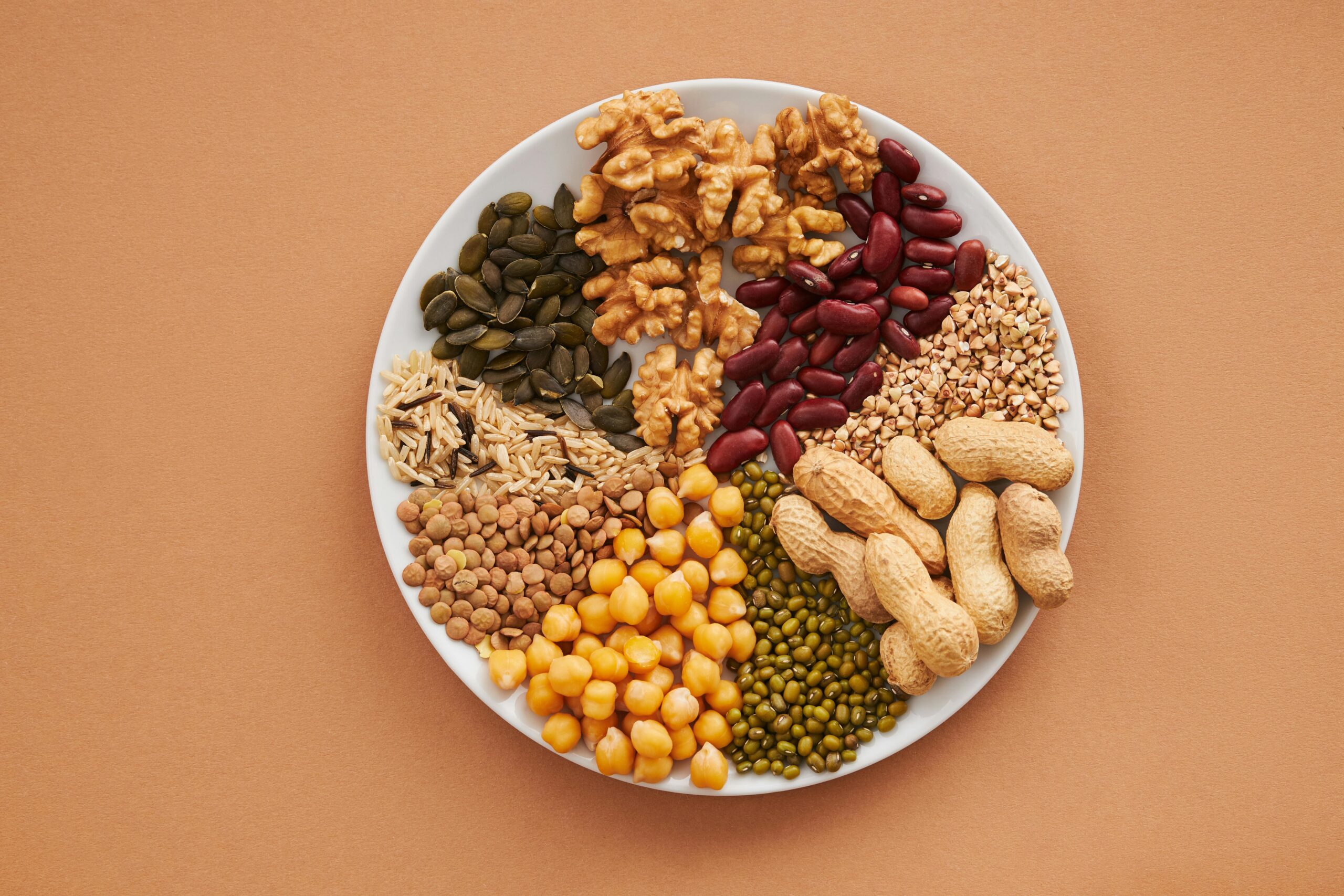
Dried beans represent perhaps the best protein-per-dollar value available in any grocery store. Black beans, pinto beans, chickpeas, and lentils all provide substantial protein, fiber, and nutrients at approximately one-tenth the cost of meat.
While dried beans require soaking and longer cooking times, they’re significantly cheaper than canned alternatives. However, keeping some canned beans on hand offers convenience for last-minute meals without sacrificing budget-consciousness when purchased on sale.
Eggs: Nature’s Perfect Budget Protein
Eggs consistently rank among the most affordable protein sources available, offering complete nutrition in a versatile package. From breakfast scrambles to dinner frittatas, baked goods to binding ingredients, eggs earn their place in every budget pantry.
Store-brand eggs often cost half as much as premium varieties while offering identical nutritional value. Buying larger quantities when prices drop and using them within three to five weeks maximizes savings on this essential staple.
Canned Tuna and Fish
Canned tuna and other shelf-stable fish products provide convenient protein options that last for years in your pantry. These products work in sandwiches, salads, pasta dishes, and casseroles, offering variety without the higher cost of fresh seafood.
Watch for sales on name-brand canned fish, but don’t overlook store brands that often deliver comparable quality at significantly lower prices. Water-packed varieties typically cost less than oil-packed and offer fewer calories.
Canned and Jarred Essentials for Quick Meals 🍅
Tomato Products
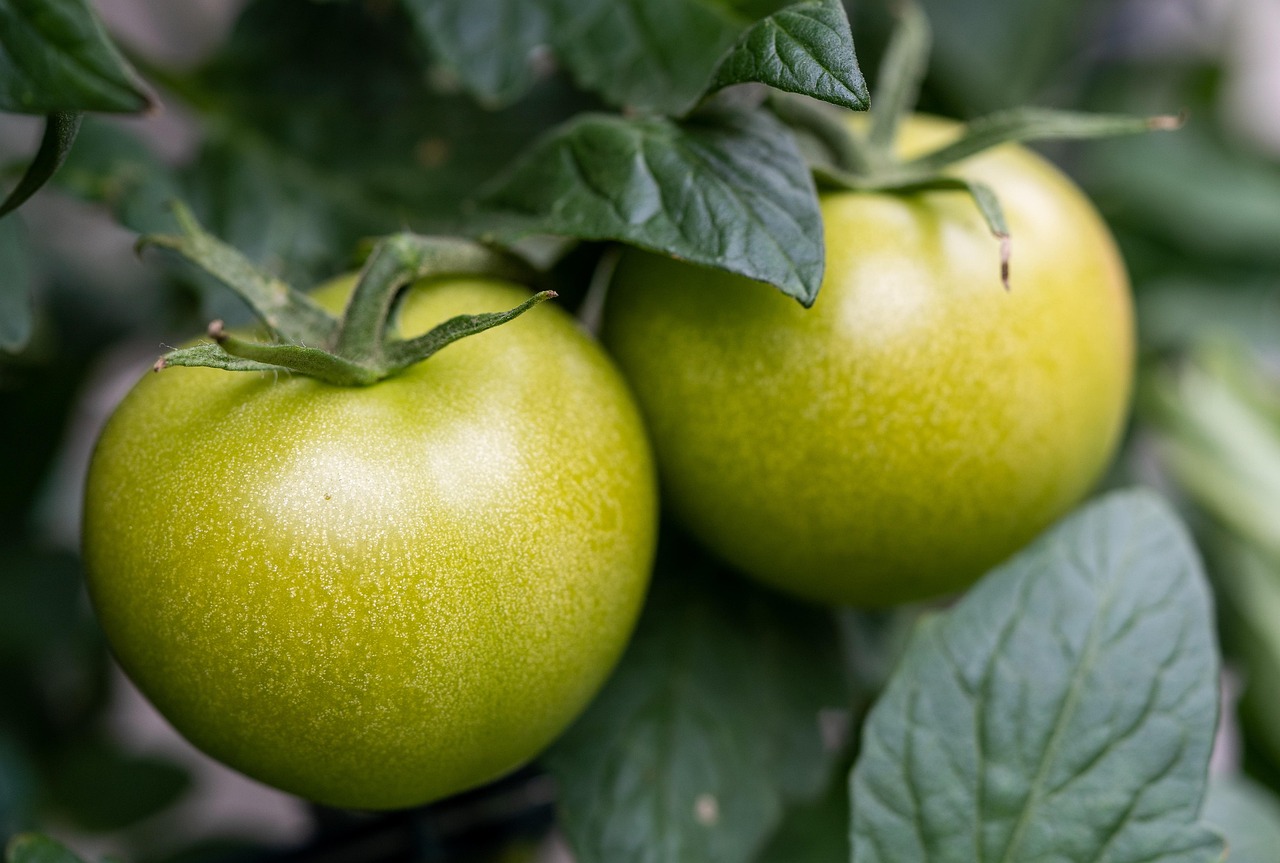
Canned tomatoes in various forms—whole, diced, crushed, sauce, and paste—serve as foundations for countless budget-friendly meals. These preserved products often taste better than fresh tomatoes in cooked dishes, especially during off-season months.
Tomato paste, though small, packs concentrated flavor that enhances soups, stews, and sauces with just a tablespoon or two. Store-brand tomato products typically match name-brand quality while costing 30-40% less.
Broths and Stocks
Chicken, beef, and vegetable broths add depth and flavor to rice, soups, sauces, and braised dishes. While homemade stock offers superior taste, affordable boxed or canned broths provide convenience and extended shelf life.
Bouillon cubes or powder offer even greater value, allowing you to make broth as needed while taking up minimal storage space. These concentrated flavor boosters last indefinitely when stored in a cool, dry place.
Peanut Butter
Natural or conventional peanut butter delivers protein, healthy fats, and satisfying flavor at a budget-friendly price point. Beyond sandwiches, this versatile spread works in sauces, smoothies, baking, and even savory Asian-inspired dishes.
Large jars purchased during sales provide the best value, and unopened peanut butter remains shelf-stable for months. Once opened, it keeps for several weeks at room temperature or even longer when refrigerated.
Cooking Oils and Fats: Essential for Flavor and Function
Vegetable oil stands as the most economical choice for general cooking, frying, and baking. Large bottles purchased at warehouse stores or during sales dramatically reduce the per-use cost of this essential ingredient.
Olive oil, while slightly more expensive, deserves a place in your pantry for dressings, finishing dishes, and Mediterranean-style cooking. Look for “pure” or “light” olive oil for cooking and save extra virgin varieties for dishes where the flavor shines through.
Butter or margarine rounds out your fat collection, essential for baking and adding richness to dishes. Butter freezes excellently, allowing you to stock up during sales without worrying about spoilage.
Baking Basics That Stretch Your Dollar 🍞
Flour and Leavening Agents
All-purpose flour serves as the foundation for homemade bread, pizza dough, pancakes, cookies, and countless other baked goods that cost a fraction of their store-bought equivalents. A five-pound bag typically costs just a few dollars and produces dozens of servings.
Baking powder and baking soda remain essential leavening agents with indefinite shelf lives when stored properly. These inexpensive ingredients enable homemade baking that saves substantial money compared to purchasing prepared baked goods.
Sugar and Sweeteners
Granulated white sugar and brown sugar belong in every budget pantry, serving roles in both sweet and savory cooking. Sugar stores indefinitely, making it worth purchasing larger quantities when prices drop.
Honey offers natural sweetness with additional nutritional benefits and never spoils when stored properly. While initially more expensive than sugar, honey’s intense sweetness means you often need less, balancing the cost difference.
Flavor Enhancers and Seasonings 🧂
Salt and Pepper
Basic table salt and black peppercorns form the foundation of seasoning in virtually every cuisine. These inexpensive staples last indefinitely and transform bland ingredients into flavorful dishes.
Investing in a pepper grinder and whole peppercorns delivers fresher, more vibrant flavor than pre-ground pepper at minimal additional cost. A single container of whole peppercorns lasts months even with daily use.
Dried Herbs and Spices
A well-curated spice collection elevates budget ingredients without expensive additions. Focus on versatile options like garlic powder, onion powder, paprika, cumin, oregano, and basil that work across various cuisines.
Purchase dried herbs and spices in smaller quantities from bulk bins when possible, as they lose potency over time. Store them away from heat and light to maximize their shelf life and flavor impact.
Vinegar and Hot Sauce
White vinegar, apple cider vinegar, and rice vinegar serve multiple purposes from cooking to cleaning. These acidic ingredients brighten flavors, tenderize meats, and preserve foods while costing just pennies per use.
A bottle of hot sauce adds instant flavor excitement to eggs, soups, sandwiches, and countless other dishes. Most varieties last for months or even years, making them worthy investments for budget-conscious cooks.
Smart Shopping Strategies for Maximum Savings 🛒
Purchasing pantry staples strategically multiplies your savings beyond simply buying affordable ingredients. Shopping sales cycles allows you to stock up when prices hit rock bottom, ensuring you never pay full price for essentials.
Store brands typically offer identical quality to name brands for pantry staples like flour, sugar, rice, and pasta. Blind taste tests consistently show consumers cannot distinguish between store and name brands for these basic ingredients.
Warehouse clubs provide exceptional value on pantry staples for families or individuals willing to split large packages with friends. The per-unit savings on items like rice, beans, and oil often exceed 50% compared to regular grocery stores.
Creating a price book—a simple notebook tracking the lowest prices you’ve found for each staple—helps identify genuine deals versus deceptive sales. This strategy ensures you recognize true bargains and avoid marketing gimmicks.
Storage Solutions That Prevent Waste
Proper storage extends the life of pantry staples, protecting your investment and preventing costly waste. Airtight containers keep grains, flour, and sugar fresh while protecting against pests and moisture damage.
Clear containers allow you to see inventory at a glance, preventing duplicate purchases and ensuring you use items before they expire. Dollar stores often carry affordable storage containers that rival expensive organizational systems.
Organizing your pantry with frequently used items at eye level and backups stored higher or lower streamlines meal preparation. A well-organized pantry also makes inventory management easier, preventing forgotten items from expiring unused.
Labeling containers with purchase dates helps implement a first-in, first-out system, ensuring older items get used before newer purchases. This simple practice dramatically reduces waste and maximizes the value of your pantry investments.
Building Your Budget Pantry Gradually
You don’t need to purchase every pantry staple simultaneously. Starting with the most versatile items and gradually expanding your collection prevents financial strain while building a functional kitchen.
Allocate a small portion of each grocery budget—perhaps $5 to $10—specifically for pantry building. This approach allows you to add one or two staples each shopping trip without significantly impacting your weekly food budget.
Prioritize items you’ll use most frequently based on your cooking style and family preferences. Someone who bakes regularly should prioritize flour and sugar, while those who prefer savory cooking might focus on oils, spices, and canned tomatoes first.
Transforming Staples Into Delicious Budget Meals 🍽️
The true value of pantry staples emerges when you understand how to combine them creatively. Rice and beans with canned tomatoes and spices create hearty, nutritious meals costing less than two dollars per serving.
Pasta tossed with olive oil, garlic powder, and whatever vegetables you have on hand delivers restaurant-quality meals at home-cooking prices. These simple combinations prove that budget cooking doesn’t mean sacrificing flavor or satisfaction.
Eggs, flour, and milk form the foundation for pancakes, crepes, or Yorkshire pudding—versatile dishes that work for breakfast, lunch, or dinner. Mastering a few basic preparations that rely on pantry staples ensures you always have meal options available.
Soups and stews showcase pantry staples at their finest, combining dried beans, canned tomatoes, broth, and seasonings into nourishing one-pot meals. These dishes often improve with time, making them perfect for batch cooking and freezing.

Making Your Pantry Work Year-Round
A well-stocked pantry provides security during challenging financial periods, reducing stress when unexpected expenses arise. Knowing you have ingredients for multiple meals at home eliminates pressure to spend money you don’t have on food.
Seasonal shopping strategies complement your pantry staples, allowing you to incorporate affordable fresh produce when prices drop while relying on shelf-stable items when fresh foods become expensive.
Holiday sales present exceptional opportunities to stock pantry staples at deep discounts. Baking ingredients often go on sale before Thanksgiving, while canned goods and pasta frequently see price reductions after major holidays.
Your budget pantry becomes an investment that pays returns every single day. Each meal prepared from staples rather than expensive convenience foods or restaurant orders represents money saved and progress toward your financial goals. With these essential ingredients on hand, you’re equipped to feed yourself and your family well regardless of what challenges come your way.