Grocery shopping doesn’t have to drain your wallet or stress you out. With smart planning and the right strategies, you can feed your entire family delicious, nutritious meals while keeping your budget intact.

Every week, families across the country face the same challenge: balancing quality food with affordability. The good news? Creating an effective grocery list isn’t rocket science—it’s about developing simple habits that lead to big savings. Let’s explore how you can transform your shopping routine and watch those savings add up month after month.
🛒 Why Your Grocery List Is Your Secret Weapon for Savings
Walking into a supermarket without a list is like going into battle without armor. Studies show that shoppers who use lists spend up to 40% less than those who shop impulsively. Your grocery list isn’t just a piece of paper—it’s a financial strategy that protects your budget from marketing tactics and impulse purchases.
Retailers spend millions designing store layouts to maximize your spending. End-cap displays, strategic product placement at eye level, and enticing checkout lane goodies all work against your budget. A well-crafted list keeps you focused and resistant to these psychological triggers.
Beyond saving money, organized lists reduce food waste significantly. When you plan meals around specific ingredients, you’re less likely to buy items that eventually spoil in your refrigerator. This dual benefit of saving money upfront and reducing waste makes list-making an essential skill for budget-conscious families.
📋 Building Your Master Grocery List Template
Creating a reusable template streamlines your shopping preparation. Start by categorizing items based on your regular store’s layout. This approach minimizes backtracking and saves precious time during each shopping trip.
Essential Categories to Include
Organize your template into logical sections that mirror your typical shopping route. Most stores follow similar patterns, starting with produce and ending with frozen foods and dairy products.
- Fresh Produce: Fruits, vegetables, herbs, and salad items
- Proteins: Meat, poultry, fish, eggs, and plant-based alternatives
- Dairy & Refrigerated: Milk, cheese, yogurt, butter, and deli items
- Pantry Staples: Grains, pasta, rice, canned goods, and baking supplies
- Frozen Foods: Vegetables, fruits, meals, and ice cream
- Beverages: Water, juice, coffee, tea, and soft drinks
- Household Essentials: Cleaning supplies, paper products, and toiletries
Having these categories pre-set means you’ll never forget entire sections of your needs. Simply fill in specific items each week based on your meal plan and what’s running low in your pantry.
💰 Strategic Meal Planning for Maximum Budget Impact
Meal planning and list-making go hand in hand. When you know exactly what you’ll cook for the week, your grocery list becomes precise and purposeful. This eliminates guesswork and prevents those expensive “what’s for dinner?” panic purchases.
Start by checking your pantry, refrigerator, and freezer before planning meals. Build recipes around ingredients you already have, then add only what’s missing to your list. This “inventory-first” approach prevents duplicate purchases and uses up items before they expire.
The Power of Flexible Meal Planning
Instead of rigidly assigning meals to specific days, plan by categories. Designate nights for “pasta night,” “taco night,” or “slow cooker meal” without locking yourself into exact recipes. This flexibility allows you to take advantage of sales and seasonal produce while maintaining structure.
Build a rotating menu of 15-20 family-favorite meals. When you work from a tested repertoire, you know exactly what ingredients you need, streamlining your list creation. Over time, you’ll naturally memorize quantities and brands, making the process even faster.
🏷️ Mastering the Art of Sale Shopping and Couponing
Strategic shoppers let sales dictate their meal plans, not the other way around. Before creating your weekly list, review store circulars and digital coupons. When chicken breasts are 50% off, that’s the week to stock your freezer and plan multiple chicken-based meals.
Most major grocery chains offer loyalty programs with personalized digital coupons. These apps track your purchasing habits and provide discounts on items you regularly buy. Combine these with manufacturer coupons for stacking savings that dramatically reduce your total bill.
Creating a Price Book for Better Buying Decisions
A price book tracks the regular and sale prices of items you frequently purchase. This simple reference tool helps you recognize genuine deals versus marketing gimmicks. When you know that your favorite cereal typically goes on sale for $2.50, you won’t be fooled by a $3.99 “special price.”
Track prices for 20-30 of your most-purchased items. Note the store, date, and whether it was a regular or sale price. After a few weeks, patterns emerge showing the best times to stock up on specific products.
🥗 Smart Substitutions That Slash Your Bill
Brand loyalty can be expensive. Store brands typically cost 20-40% less than name brands with virtually identical quality. Challenge yourself to try store brands for non-essential items where brand differences are minimal.
Seasonal produce offers the best value and flavor. Strawberries in December cost three times more than in June. Plan meals around what’s currently abundant, and your produce spending will drop while freshness and taste improve.
Protein Alternatives That Cost Less
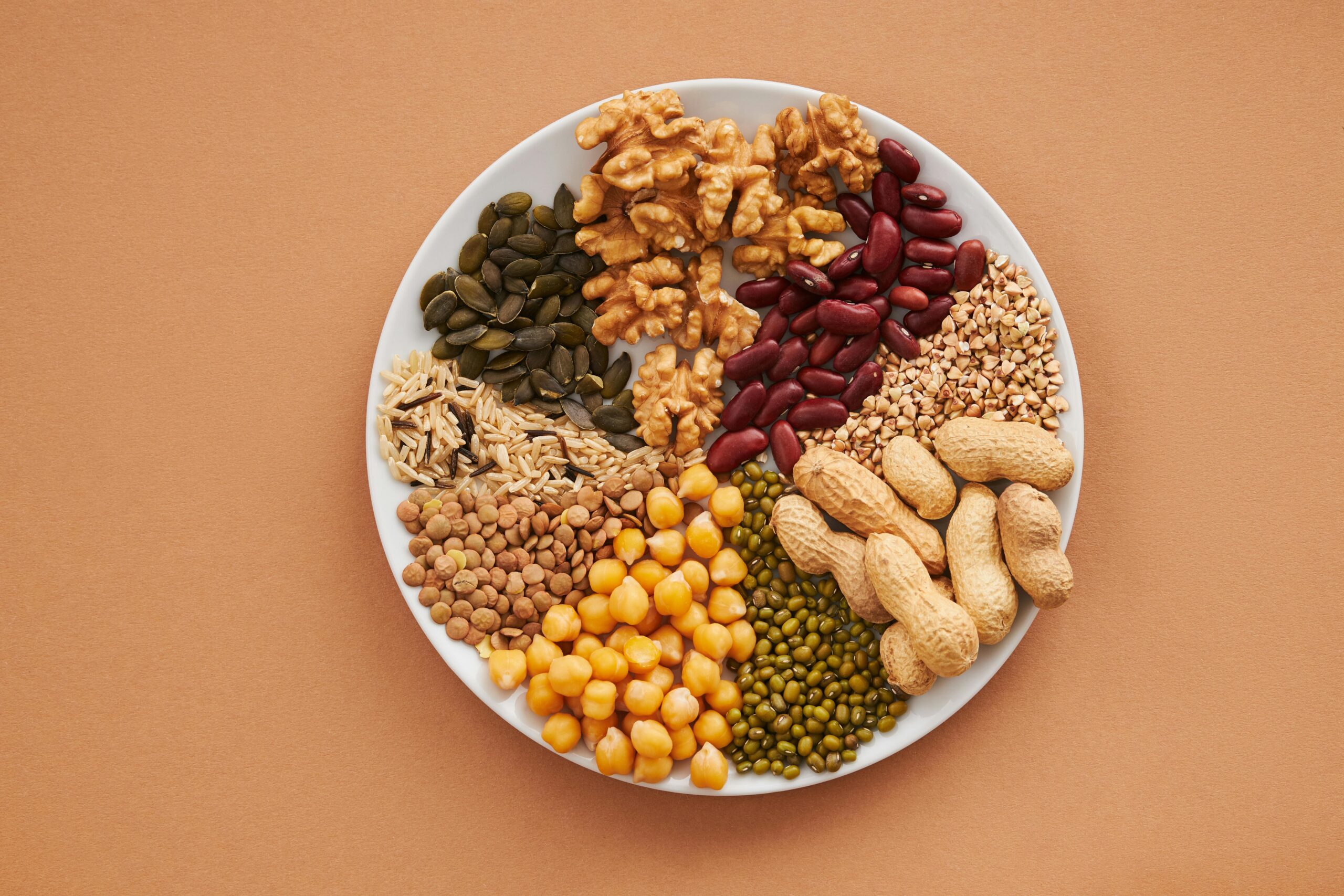
Meat often represents the largest portion of grocery budgets. Incorporating plant-based proteins like beans, lentils, and tofu for even two meals per week can save families $50-75 monthly. These alternatives are nutritious, versatile, and incredibly budget-friendly.
Buy whole chickens instead of pre-cut parts, and learn basic butchering skills. You’ll pay half the price per pound while gaining bones for homemade stock. Similarly, buying block cheese and shredding it yourself costs significantly less than pre-shredded varieties.
📱 Digital Tools That Simplify List Management
Smartphone apps revolutionize grocery list creation with features that save time and money. Shared family lists ensure everyone can add items as they run out, preventing mid-week emergency trips for forgotten essentials.
Many apps integrate with store loyalty programs, automatically applying available coupons and highlighting items on sale. Some even organize your list by store layout, making your shopping trip more efficient. Voice-activated assistants let you add items hands-free while cooking, ensuring you never forget that ingredient you just used up.
Cloud-Based Lists for Family Coordination
When your grocery list lives in the cloud, family members can update it in real-time from anywhere. Dad notices you’re out of milk? He adds it instantly. Kids finish the last granola bar? They can add it to the list immediately rather than hoping to remember later.
This collaborative approach prevents duplicate purchases and ensures nothing gets forgotten. It also helps teenagers learn planning and responsibility by giving them ownership over specific categories like snacks or lunch items.
🎯 Category-Specific Shopping Strategies
Different product categories require different approaches for maximum savings. Understanding these nuances helps you optimize every section of your list.
Produce Section Success
Buy whole fruits and vegetables instead of pre-cut varieties. Those convenient containers cost 200-400% more per pound. Spending ten minutes washing and chopping at home translates to substantial monthly savings.
Ugly produce programs offer cosmetically imperfect fruits and vegetables at significant discounts. These items taste identical to their prettier counterparts but cost much less. Many stores now feature these value sections prominently.
Pantry Staples in Bulk
Non-perishable items you use regularly make excellent bulk purchases during sales. When pasta, canned tomatoes, or rice hit rock-bottom prices, stock up with 2-3 months’ worth. Your cost-per-use drops dramatically with this approach.
However, buying bulk only saves money if you actually use everything before it expires. Be honest about consumption rates, especially with perishable bulk items like fresh bakery goods or produce.
⏰ Timing Your Shopping Trips for Better Deals
When you shop matters almost as much as what you buy. Many stores markdown perishables at specific times—often early morning or late evening. Meat, bakery items, and prepared foods nearing their sell-by dates get discounted 30-50%.
Shopping mid-week, particularly Tuesday or Wednesday mornings, means fewer crowds and fully stocked shelves after weekend depletion. You’ll have better selection and shorter checkout lines, making your trip more pleasant and efficient.
End-of-Month Shopping Advantages
As stores close out their monthly accounting periods, they’re motivated to move inventory. This timing often coincides with aggressive markdowns and special promotions. Check store policies and sale cycles to identify these windows.
Avoid shopping when hungry or rushed. Both conditions lead to impulsive decisions that inflate your bill. Schedule shopping trips after meals when you’re relaxed and can focus on your list without distractions.
🧊 Maximizing Your Freezer for Long-Term Savings
Your freezer is a powerful tool for budget shopping. When you find exceptional deals on meat, bread, or produce, buying extra and freezing immediately locks in those savings for weeks or months.
Proper freezer organization prevents the dreaded “mystery meat” syndrome where items get lost and eventually freezer-burned. Label everything with contents and dates. Arrange items by category using bins or bags so you can quickly locate what you need.
Batch Cooking and Freezer Meals
Dedicating a few hours to batch cooking creates homemade convenience foods that cost pennies compared to store-bought frozen meals. Soups, casseroles, and marinated meats freeze beautifully and provide quick dinner solutions on busy nights.
This strategy prevents expensive takeout orders when you’re too tired to cook. Having quality freezer meals ready means you’ve already invested in your dinner during a more motivated moment.
💡 Teaching Kids Smart Shopping Habits
Involving children in list creation and shopping builds financial literacy from an early age. Give older kids a category and budget, challenging them to find the best values. This hands-on education teaches comparison shopping and prioritization skills.
Let younger children help cross items off the list or find specific products. These activities develop reading skills while keeping them engaged and less likely to request impulse purchases. Frame shopping as a treasure hunt rather than a chore.
The Educational Value of Budget Discussions
Age-appropriate conversations about why you choose certain brands or wait for sales demystify family finances. Kids learn that “no” doesn’t mean you can’t afford something—it means you’re making strategic choices about spending priorities.
Consider giving older children their own grocery budget for personal items like snacks or specialty foods. Managing this limited resource teaches them to make trade-offs and value decisions independently.
🌟 Tracking Your Progress and Celebrating Wins
Monitor your grocery spending month-over-month to see the impact of your improved strategies. Many people are shocked to discover they’re saving $200-400 monthly after implementing systematic list-making and planning.
Keep receipts for a few months to identify spending patterns. Are you consistently overspending in certain categories? Do particular stores offer better values for specific items? This data helps refine your approach for even greater savings.
Reward Milestones Without Sabotaging Progress
When you hit savings goals, celebrate appropriately. Perhaps allocate 10% of saved money toward a family treat or individual reward. This positive reinforcement maintains motivation while still preserving most of your hard-earned savings.
Share successes with family members, emphasizing how everyone’s cooperation contributed to reaching financial goals. This collective achievement strengthens commitment to ongoing budget consciousness.
🚀 Taking Your Grocery Game to the Next Level
Once basic list-making becomes habit, explore advanced strategies like store loyalty stacking, rebate apps, and strategic store comparison. Some dedicated shoppers split purchases between multiple stores, buying only the best-priced items at each location.
Cashback and rebate apps offer additional savings on items you’re already buying. Scan receipts after shopping to earn percentages back on specific products. While individual rebates seem small, they accumulate to significant amounts over time.
Consider joining or forming a buying co-op with neighbors or friends. Purchasing larger quantities together unlocks bulk pricing while splitting items keeps quantities manageable. This approach works especially well for warehouse store memberships.

🎉 Your Journey Toward Stress-Free, Budget-Friendly Shopping
Transforming your grocery shopping from a budget-busting chore into a strategic, money-saving routine doesn’t happen overnight. Start with one or two strategies from this guide, master them, then gradually incorporate additional techniques as they become comfortable.
The combination of thoughtful list-making, strategic meal planning, and smart shopping tactics creates a powerful system that serves your family for years. Your initial time investment pays dividends every single week through reduced spending, less food waste, and calmer shopping experiences.
Remember that perfection isn’t the goal—progress is. Some weeks will go better than others, and that’s perfectly normal. What matters is maintaining the overall trajectory toward more intentional, budget-conscious grocery shopping that frees up money for the things your family truly values.
Start your next shopping trip with a solid list, an open mind about substitutions, and confidence that you’re making smart financial decisions. Your wallet will thank you, your stress levels will drop, and you might even discover that grocery shopping becomes an enjoyable part of your weekly routine rather than a dreaded obligation. Happy shopping and happy saving! 🛒💰