Grocery shopping doesn’t have to be overwhelming or time-consuming. A minimalist approach can transform your weekly trips into efficient, stress-free experiences that save both time and money.

Modern life bombards us with countless choices at the supermarket, from multiple brands of the same product to endless variations of items we didn’t even know existed. This abundance, while seemingly beneficial, often leads to decision fatigue, impulse purchases, and cluttered pantries filled with forgotten ingredients. The minimalist grocery checklist offers a solution: a streamlined, intentional approach to shopping that focuses on essentials, reduces waste, and simplifies meal planning.
🛒 Understanding the Minimalist Grocery Philosophy
Minimalist grocery shopping isn’t about deprivation or eating the same meals repeatedly. Instead, it’s a thoughtful system that prioritizes quality over quantity, versatility over variety, and intention over impulse. This approach recognizes that having fewer, carefully selected items actually increases your culinary creativity rather than limiting it.
The core principle revolves around building a foundation of versatile staples that can be combined in multiple ways to create diverse meals. Rather than buying specialty ingredients for single recipes, minimalist shoppers invest in multipurpose items that work across various dishes. This strategy naturally reduces food waste, as you’re more likely to use everything you purchase before it expires.
Research shows that reducing decision-making during routine tasks like grocery shopping frees up mental energy for more important decisions throughout your day. When you eliminate the need to wander aisles contemplating dozens of options, you reclaim valuable time and reduce stress.
Building Your Foundation: The Essential Pantry Staples
Every minimalist grocery checklist begins with foundational pantry items that have long shelf lives and serve multiple purposes. These staples form the backbone of your meal planning and ensure you can always prepare something nutritious without last-minute shopping trips.
Grains and Legumes That Deliver
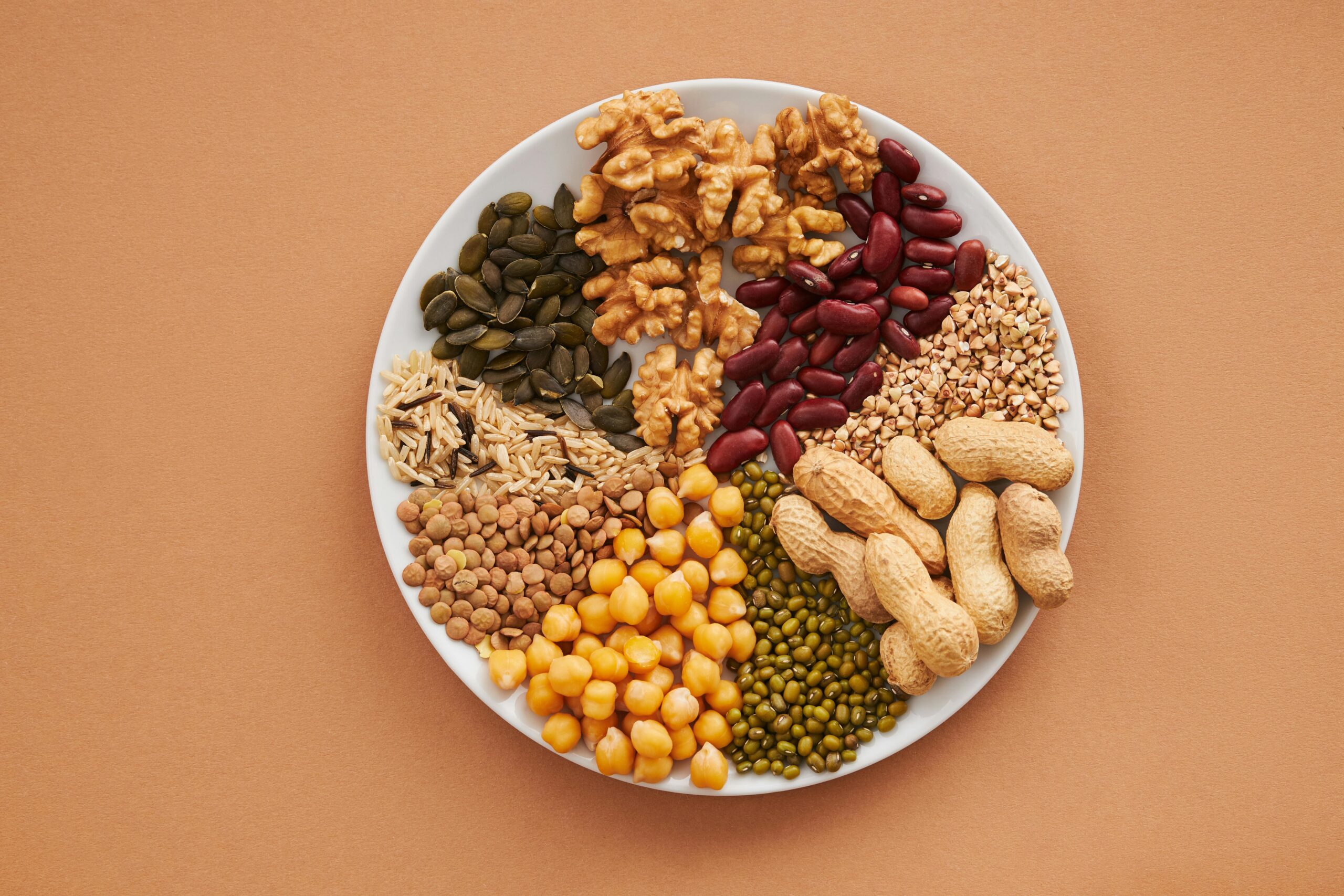
Focus on versatile grains like rice, quinoa, and pasta that pair well with various proteins and vegetables. Choose one or two types rather than collecting every grain variety. Similarly, stock dried beans, lentils, or canned alternatives that provide affordable protein and fiber. These items store well and can anchor countless meals from hearty soups to grain bowls.
Oats deserve special mention as a breakfast staple that doubles as a baking ingredient and can even be processed into flour. This single item serves multiple functions, embodying the minimalist principle perfectly.
Cooking Essentials and Flavor Builders
Quality cooking oils, vinegars, and basic seasonings transform simple ingredients into satisfying meals. Extra virgin olive oil serves most cooking needs, while a neutral oil like avocado or grapeseed handles high-heat cooking. A good vinegar—whether balsamic, apple cider, or rice vinegar—adds acidity and brightness to dishes.
For seasonings, the minimalist approach means selecting versatile options rather than accumulating dozens of single-use spice jars. Salt, black pepper, garlic powder, onion powder, paprika, cumin, and dried herbs like oregano and basil cover most flavor profiles. These basics can recreate most seasoning blends when combined thoughtfully.
🥗 Fresh Items: Strategic Selection for Maximum Value
The produce section challenges minimalist shoppers most significantly because fresh items have limited shelf lives. The key is selecting vegetables and fruits that offer versatility, nutritional density, and reasonable storage times.
Vegetable Workhorses Worth Buying
Certain vegetables consistently deliver value through their versatility and storage capabilities. Onions and garlic form the aromatic base for countless dishes and store for weeks in proper conditions. Carrots, celery, and bell peppers create a classic mirepoix foundation while also serving as raw snacks or salad additions.
Leafy greens like spinach or mixed salad greens provide essential nutrients but require more frequent purchasing due to their perishability. Choose heartier options like kale or cabbage if you shop less frequently, as they maintain quality longer. Root vegetables including potatoes and sweet potatoes offer filling, nutritious options with excellent storage characteristics.
Fruits That Justify Their Spot
Apply the same versatility principle to fruit selection. Bananas work for breakfast, snacks, and baking. Apples store well and serve similar multiple purposes. Citrus fruits like lemons and limes add flavor to both sweet and savory preparations while lasting weeks in the refrigerator.
Frozen fruit deserves consideration as a minimalist option because it eliminates waste from spoilage, maintains nutritional value, and often costs less than fresh alternatives. A bag of mixed berries supports smoothies, yogurt toppings, and baking needs without the pressure of immediate consumption.
Protein Sources: Quality Over Quantity
Protein forms the centerpiece of most meals, but minimalist shopping doesn’t mean you need every protein option available. Instead, rotate between a few favorites that align with your budget, dietary preferences, and cooking skills.
Eggs stand as perhaps the most versatile protein source, suitable for any meal and dozens of preparations. They’re affordable, store well, and provide complete protein along with essential nutrients. A dozen eggs can anchor a week’s worth of breakfasts or supplement dinners when needed.
For meat eaters, selecting one or two proteins per shopping trip prevents freezer accumulation and ensures freshness. Chicken breast or thighs offer lean, versatile options, while ground beef or turkey can transform into tacos, pasta sauces, or stir-fries. Consider purchasing larger quantities when on sale and properly freezing portions for future use.
Plant-based eaters can rely on the dried beans and legumes mentioned earlier, supplemented with tofu or tempeh for variety. These protein sources cost less than meat while providing fiber and other beneficial nutrients.
📝 Creating Your Personal Minimalist Checklist
The most effective grocery checklist reflects your actual eating patterns, not aspirational ones. Many people buy ingredients for elaborate meals they never prepare, leading to waste and frustration. Honest self-assessment creates a practical checklist that serves your real lifestyle.
Audit Your Current Habits
Before creating your checklist, spend a week noting what you actually eat. This reality check often reveals discrepancies between shopping habits and consumption patterns. You might discover you buy fresh herbs that wilt unused or purchase snacks that go stale because you prefer other options.
Review your pantry and refrigerator for items consistently remaining unused. These represent shopping patterns that don’t align with your lifestyle and should be eliminated from future lists. Conversely, note items you frequently run out of or wish you had available—these deserve permanent spots on your checklist.
Organize by Store Layout
Arrange your checklist according to your primary store’s layout to minimize backtracking and reduce shopping time. Most stores organize similarly: produce near the entrance, followed by meat and dairy along the perimeter, with packaged goods in center aisles. A checklist matching this flow creates an efficient shopping route.
Digital tools can optimize this process. Many grocery apps allow customizable lists organized by category or aisle, with the ability to check off items as you shop.
🎯 Shopping Strategies for Maximum Efficiency
A great checklist only works when paired with efficient shopping strategies. These practical approaches complement your minimalist list and further streamline the shopping experience.
The Power of Routine Shopping Days
Designating specific shopping days creates routine and ensures you’re never caught without essentials. Many minimalist shoppers find success with weekly trips on the same day, allowing them to plan meals around a predictable schedule. This consistency also helps you learn your store’s restocking patterns and sale cycles.
Shopping at less busy times—early mornings or weekday evenings—reduces crowds and decision fatigue from navigating congested aisles. You’ll move through your checklist faster and experience less stress overall.
The One-In-One-Out Rule
Before shopping, check what you already have to avoid duplicate purchases. This simple step prevents pantry overflow and ensures you’re using existing items before they expire. Apply a one-in-one-out mentality: when you buy a new jar of pasta sauce, commit to using the existing one first.
This practice naturally limits impulse purchases because you become more conscious of available storage space and existing inventory. It also highlights items you consistently don’t use, helping refine your checklist over time.
Meal Planning: The Minimalist Approach
Effective meal planning supports your minimalist grocery checklist by ensuring every purchased item has a purpose. However, minimalist meal planning differs from elaborate systems requiring detailed weekly menus and complex prep sessions.
Instead of planning specific meals for specific days, minimalist meal planning involves identifying meal categories or formulas. For example: grain + protein + vegetable for dinners, or eggs + toast + fruit for breakfasts. This flexible framework allows ingredient substitution based on what’s available or on sale while providing enough structure to guide your shopping.
Plan for approximately five to six dinner concepts per week, allowing one restaurant meal or leftovers night. This realistic approach prevents over-shopping while ensuring variety. Breakfast and lunch often involve more repetition, which most people tolerate better than dinner monotony.
Leveraging Batch Cooking Wisely
Batch cooking supports minimalist shopping by maximizing ingredient usage and reducing daily cooking demands. When you buy a large bunch of spinach, plan one fresh preparation and incorporate the remainder into a casserole or soup that freezes well.
Cook grains and legumes in larger quantities than single meals require. These bases store for days in the refrigerator and quickly become new meals with different seasonings and accompaniments. A pot of rice becomes fried rice, rice bowls, or a side dish for multiple dinners.
🚫 What to Avoid: Minimalist Shopping Pitfalls
Understanding what doesn’t work helps maintain your streamlined shopping system. These common pitfalls derail even well-intentioned minimalist shoppers.
Resisting Marketing Manipulation
Stores design layouts and promotions to encourage impulse purchases and basket additions. End-cap displays, “buy one get one” deals on items you don’t need, and strategic product placement all work against minimalist intentions.
Stick to your checklist and evaluate whether promotional items truly offer value. A deal only saves money if you would have purchased that item anyway and will use it before expiration. Otherwise, you’re spending money to bring home future waste.
The Specialty Ingredient Trap
Recipe blogs and cooking shows often feature specialty ingredients used in single dishes. While trying new recipes adds culinary excitement, accumulating numerous one-use ingredients clutters your pantry and wastes money.
Before purchasing specialty items, consider whether you’ll realistically use them again. If a recipe requires an obscure spice or sauce, search for substitutions using your existing staples or save that recipe for special occasions when you’re willing to make targeted purchases.
Adapting Your Checklist Seasonally
A static grocery checklist doesn’t account for seasonal availability, price fluctuations, and changing preferences. Minimalist shopping includes periodic checklist reviews to ensure it remains relevant and efficient.
Seasonal produce often costs less and tastes better than out-of-season alternatives. Rather than maintaining a rigid produce list year-round, identify seasonal swaps that maintain nutritional variety while optimizing budget and flavor. Summer tomatoes replace winter root vegetables; fall squash substitutes for spring asparagus.
Similarly, your protein rotation might shift with sales cycles and seasonal preferences. Lighter fish and grilled chicken appeal during summer, while heartier stews and roasts suit winter months. These natural variations prevent boredom while maintaining the minimalist principle of purchasing with intention.
💰 Budget Benefits of Minimalist Shopping
Financial advantages represent one of the most compelling reasons to adopt minimalist grocery shopping. When you purchase fewer items more intentionally, several budget benefits emerge naturally.
Reduced food waste directly translates to money saved. Americans waste approximately 30-40% of their food supply, representing hundreds of dollars annually per household. Minimalist shopping’s focus on using everything purchased eliminates most of this waste.
Fewer impulse purchases significantly impact your grocery budget. Studies show shoppers make unplanned purchases on about 60% of store visits, with these items adding 20-30% to basket totals. A focused checklist and efficient shopping trip minimize opportunities and temptations for impulse buying.
Buying versatile staples instead of specialized ingredients reduces per-meal costs while maintaining nutritional quality and satisfaction. A pantry of basics creates countless meal combinations more economically than purchasing pre-made or specialty products for each dinner.
Environmental Impact of Streamlined Shopping
Beyond personal benefits, minimalist grocery shopping positively affects environmental sustainability. Food waste represents a significant environmental problem, with wasted food generating methane in landfills and wasting the resources required for production and transportation.
By purchasing only what you’ll use, you reduce your contribution to this waste stream. Additionally, fewer shopping trips mean less fuel consumption and emissions. When you shop efficiently once weekly instead of multiple disorganized trips, you lower your transportation footprint.
Focusing on whole ingredients rather than heavily packaged convenience items reduces packaging waste. A bag of rice and fresh vegetables generate less packaging than equivalent frozen dinners or meal kits.
🔄 Refining Your System Over Time
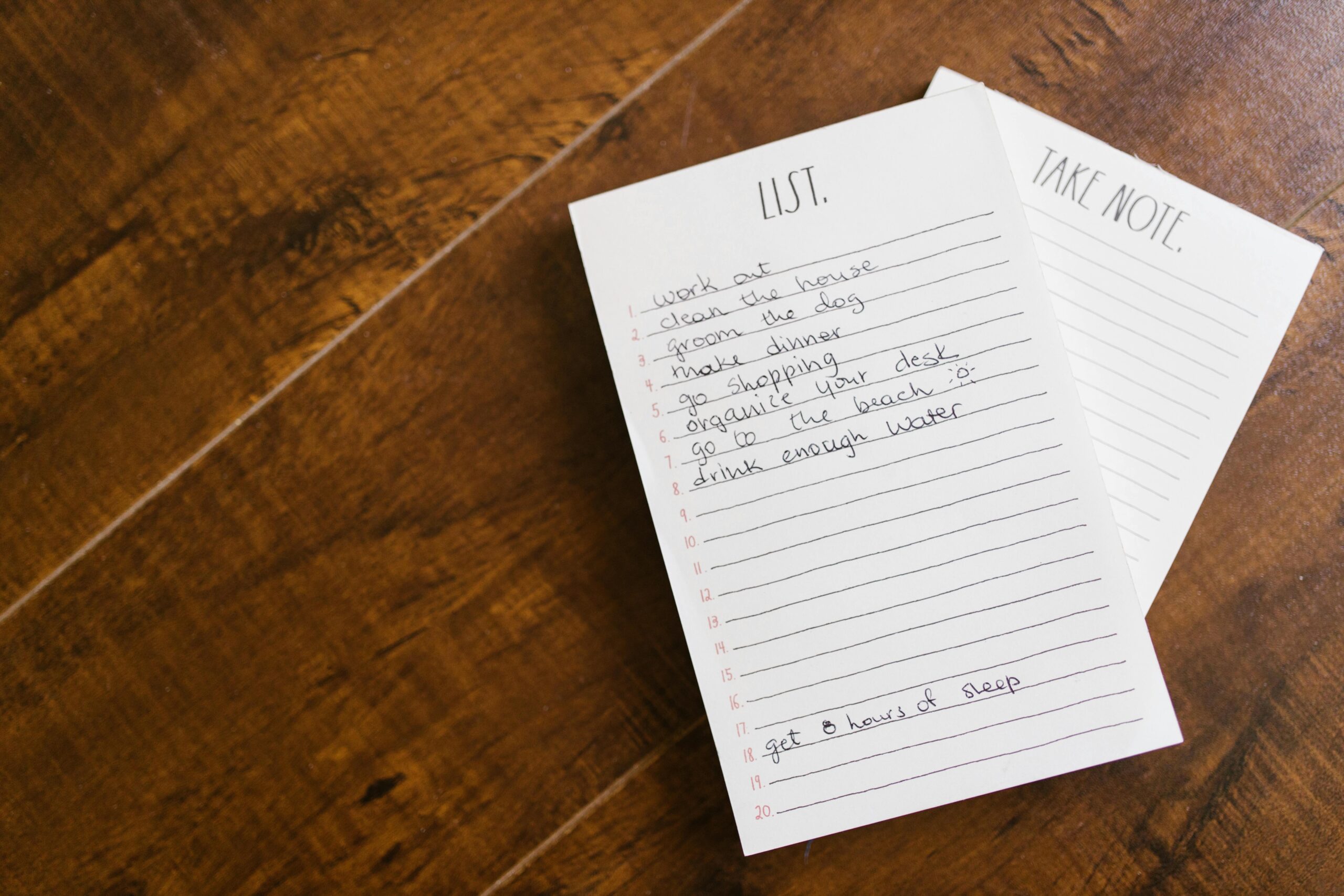
The most effective minimalist grocery checklist evolves through use and reflection. What works initially might need adjustment as you discover patterns, preferences change, or life circumstances shift.
Review your checklist monthly, noting items you consistently don’t use or need more frequently than anticipated. This ongoing refinement process ensures your system stays aligned with reality rather than becoming another rigid rule that doesn’t serve you.
Track which meals you actually prepare versus those you plan but never make. This honest assessment helps eliminate aspirational shopping—buying ingredients for elaborate meals that don’t match your available time or energy. Your checklist should support actual behavior, not idealized versions of your cooking habits.
Celebrate small improvements rather than pursuing perfection. Reducing your typical shopping time by ten minutes, eliminating one regularly wasted item, or feeling less stressed during store visits all represent meaningful progress toward streamlined, efficient grocery shopping.
The minimalist grocery checklist transforms a routine chore into a simple, satisfying task that supports your broader life goals. By focusing on essentials, planning with intention, and shopping efficiently, you reclaim time, reduce stress, save money, and create a sustainable approach to feeding yourself and your family. Start with a basic checklist, apply these principles, and refine your system through experience—you’ll wonder why you ever shopped any other way.