Shopping smart doesn’t have to mean endless hours clipping coupons or sacrificing the quality of your meals. With the right strategies and seasonal awareness, you can dramatically reduce your grocery bills while eating better than ever.

The secret to year-round savings lies in understanding what’s abundant during each season and planning your meals accordingly. When you align your shopping habits with nature’s cycles, you’re not just saving money—you’re also enjoying fresher, more flavorful ingredients that are at their nutritional peak.
🌱 Why Seasonal Shopping Is Your Budget’s Best Friend
Before diving into specific lists and strategies, it’s essential to understand why seasonal shopping works so effectively. When fruits and vegetables are in season, they’re abundant in supply, which naturally drives prices down. Farmers harvest more than consumers can immediately purchase, creating market conditions that favor budget-conscious shoppers.
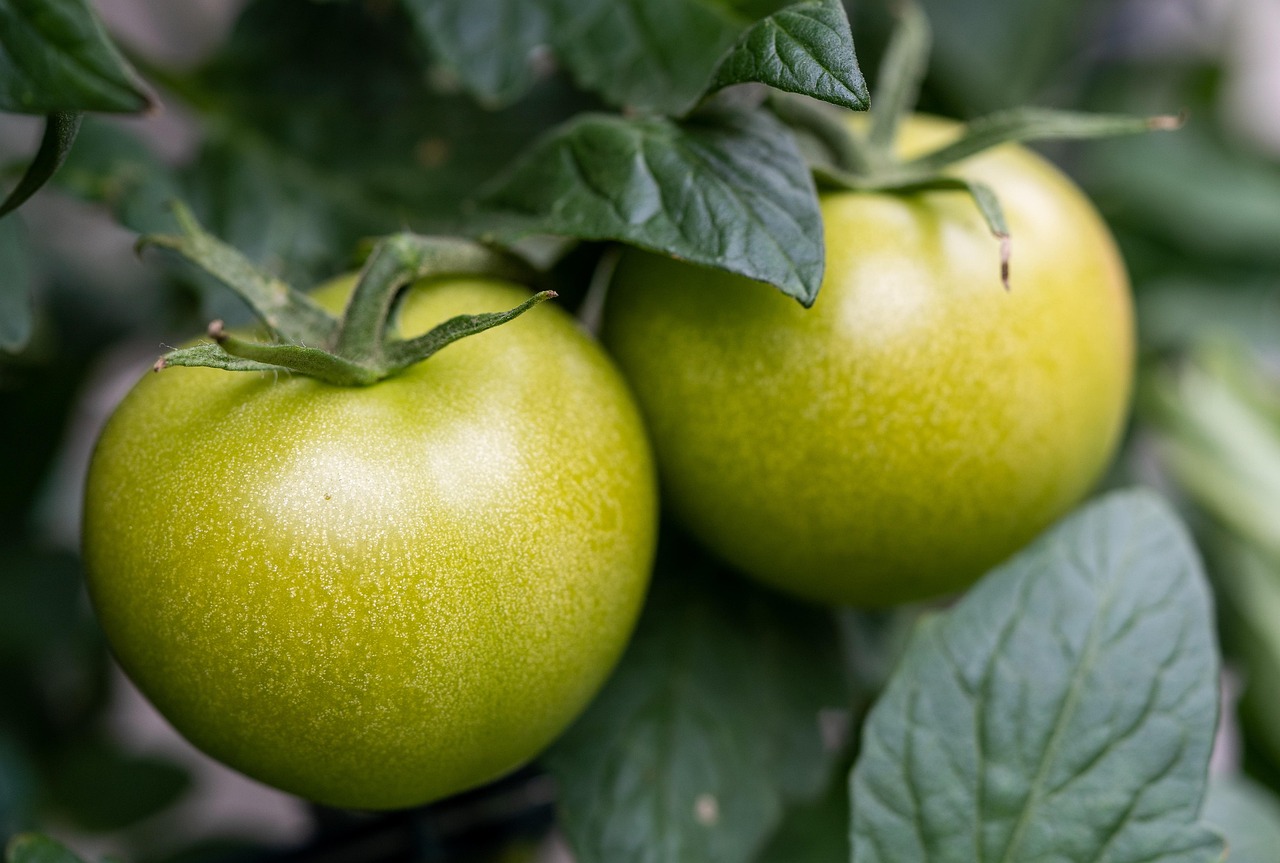
Beyond pricing, seasonal produce travels shorter distances to reach your local store. This reduced transportation cost translates to lower prices at checkout. You’ll also notice that in-season produce simply tastes better—tomatoes in summer have that sun-ripened sweetness you can’t find in winter imports.
The environmental benefits are equally compelling. By choosing seasonal items, you’re reducing the carbon footprint associated with long-distance shipping and energy-intensive greenhouse growing. Your wallet and the planet both benefit from this approach.
🍂 Fall Harvest: September Through November Shopping Guide
Autumn brings an incredible bounty of nutritious, budget-friendly options. This is when your grocery budget can stretch furthest while filling your cart with variety.
Peak Fall Produce for Maximum Savings
Apple varieties flood markets during fall, with prices dropping to their lowest points. Stock up for fresh eating, but also consider preserving them for winter months through freezing or making applesauce. Pumpkins aren’t just for decoration—they’re incredibly versatile and economical when purchased whole rather than as canned puree.
Root vegetables like carrots, beets, and turnips reach peak affordability in fall. These hardy vegetables store exceptionally well, allowing you to buy in bulk when prices dip. Sweet potatoes become remarkably inexpensive and provide excellent nutritional value for your money.
Brussels sprouts, cauliflower, and various squash varieties are fall stars that should feature prominently on your shopping list. Winter squash, in particular, offers incredible value—one butternut squash can provide multiple meals and stores for months in a cool, dry place.
Fall Protein and Pantry Strategies
Thanksgiving season creates opportunities for turkey savings that extend beyond the holiday itself. Many stores offer loss-leader pricing on whole turkeys, which you can portion and freeze for months of affordable protein. The week after Thanksgiving often brings additional markdowns on remaining inventory.
Canned pumpkin frequently goes on sale during October and November. Stock your pantry with these discounted items for year-round use in soups, smoothies, and baked goods. The same applies to baking spices like cinnamon, nutmeg, and ginger.
❄️ Winter Wisdom: December Through February Budget Buys
Winter shopping requires strategic thinking since less fresh produce grows locally in cold climates. However, certain items become surprisingly affordable during these months.
Cold Weather Produce Winners
Citrus fruits reach their absolute peak during winter months. Oranges, grapefruits, and tangerines flood markets from warmer regions, driving prices down substantially. This is the time to enjoy fresh citrus daily and use it generously in cooking.
Cabbage becomes incredibly economical in winter and stores remarkably well. A single head can provide coleslaw, sautéed sides, soup base, and more. Similarly, potatoes hit rock-bottom prices during winter and offer endless meal possibilities.
Winter greens like kale, collards, and Swiss chard actually taste better after frost exposure. These nutrient-dense vegetables typically cost less in winter while providing superior flavor and nutritional content.
Smart Winter Shopping Tactics
Focus on frozen vegetables during winter months. Counterintuitively, frozen produce can be more affordable and nutritious than out-of-season fresh options. Vegetables are typically frozen at peak ripeness, locking in nutrients and flavor.
Winter is prime time for purchasing meat in bulk. Many grocery stores and wholesale clubs offer significant discounts on larger quantities. If you have freezer space, buying a quarter or half beef, pork, or whole chickens during winter sales can dramatically reduce your per-pound protein costs.
🌸 Spring Savings: March Through May Shopping Essentials
As the weather warms, fresh produce options expand while prices on certain items drop significantly. Spring shopping offers a delightful transition from winter staples to lighter, fresher fare.
Spring’s Most Affordable Produce
Asparagus season is brief but glorious, with prices dropping dramatically when local harvests begin. Buy extra during peak season and freeze for later use. The same principle applies to fresh peas and sugar snap peas, which offer sweet flavor at budget-friendly prices during spring.
Leafy greens like spinach, arugula, and lettuce become abundant and affordable. Spring is the perfect time to experiment with different salad combinations without breaking your budget. Radishes, green onions, and fresh herbs also reach their most economical pricing.
Strawberries begin their season in late spring, depending on your region. Watch for the first local harvests when prices plummet and quality soars. This is an excellent time to buy extra and freeze for smoothies and desserts.
Spring Cleaning for Your Food Budget
Spring sales traditionally focus on cleaning products, but grocery stores also discount pantry staples as they clear inventory for summer items. Stock up on pasta, rice, canned goods, and baking supplies when you spot these clearance opportunities.
Easter and Passover create unique shopping opportunities. Ham prices drop significantly before Easter, while matzo meal and other specialized products often go on clearance afterward. These items can be incorporated into your regular cooking repertoire at substantial savings.
☀️ Summer Abundance: June Through August Budget Strategies
Summer represents the absolute peak of fresh produce availability and affordability. Your grocery budget can work overtime during these months if you shop strategically.
Summer’s Bounty for Budget Shoppers
Tomatoes, zucchini, bell peppers, and cucumbers become ridiculously inexpensive during summer peak. Farmers markets often offer even better deals than grocery stores, especially late in the day when vendors prefer selling at discount rather than hauling produce home.
Berries of all varieties hit their lowest prices during summer months. Blueberries, raspberries, and blackberries are typically expensive, but summer is when you can afford to buy them regularly. Purchase extra and freeze them whole on baking sheets before transferring to freezer bags.
Corn on the cob, green beans, and summer squash provide incredible value during peak season. These vegetables freeze well, allowing you to extend summer’s bounty into fall and winter at a fraction of the cost you’d pay for out-of-season produce.
Grilling Season Savings
Memorial Day, Fourth of July, and Labor Day create major opportunities for meat savings. Retailers heavily discount burgers, hot dogs, steaks, and chicken to attract holiday shoppers. Stock your freezer during these sales to enjoy summer prices year-round.
Condiments and grilling supplies also see significant markdowns during summer holidays. Ketchup, mustard, barbecue sauce, and charcoal all go on sale—perfect for stocking up when prices drop.
📱 Technology Tools to Maximize Your Savings
Modern technology offers powerful tools to help you track prices, find deals, and plan meals around seasonal availability. Several apps can transform your shopping habits and dramatically reduce your grocery spending.
Flipp aggregates weekly circulars from stores in your area, allowing you to compare prices without driving around town. You can create shopping lists directly from advertised deals and even clip digital coupons within the app.
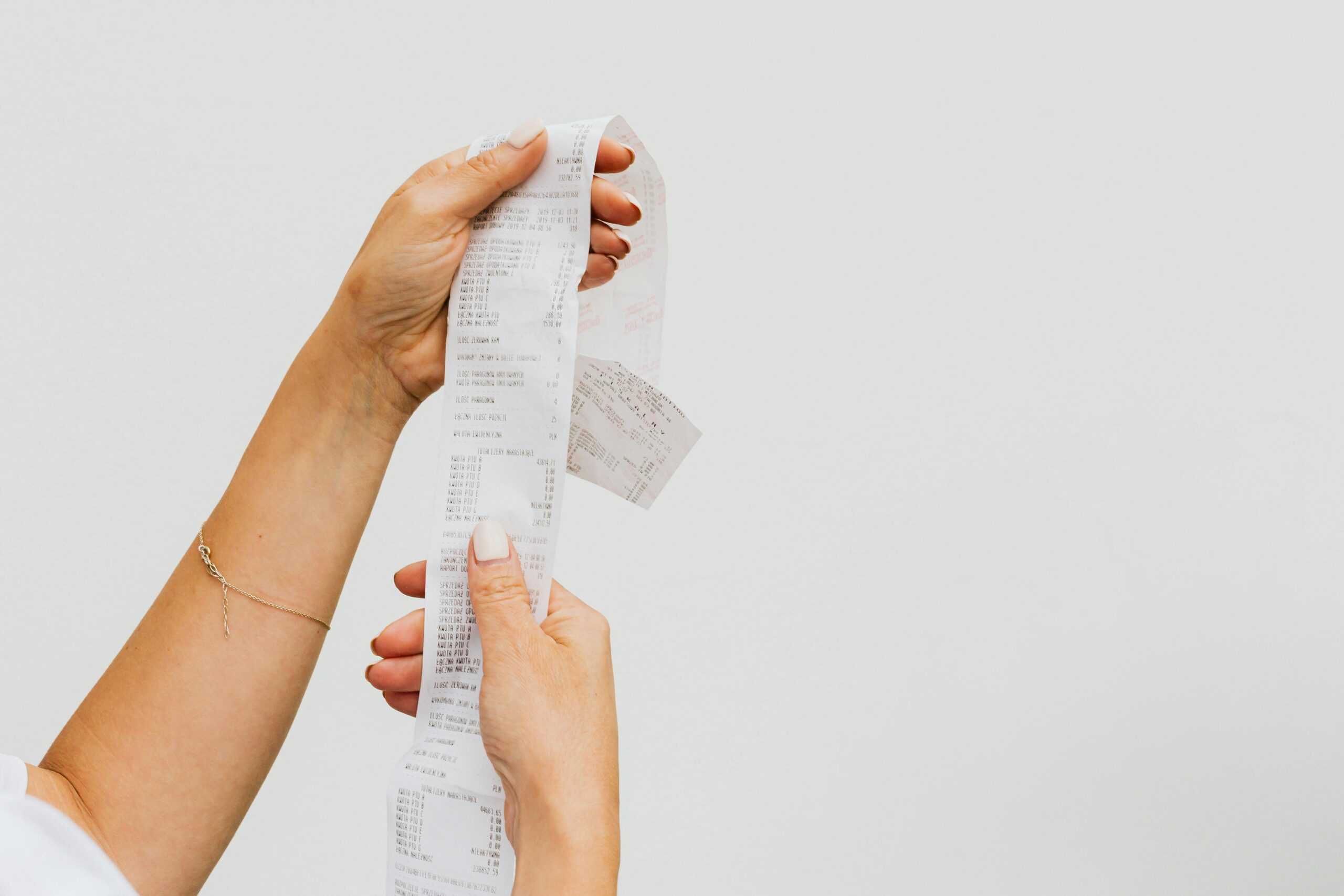
Ibotta provides cashback on grocery purchases when you upload your receipts. The app features rotating offers on seasonal items, effectively reducing your costs even further when combined with store sales. Over time, these small cashback amounts accumulate into substantial savings.
Many grocery chains now offer their own apps with exclusive digital coupons and personalized deals based on your shopping history. These apps often provide early access to sales and special member-only pricing that can significantly reduce your checkout total.
🗓️ Building Your Year-Round Shopping Calendar
Creating a personal shopping calendar helps you anticipate sales cycles and plan purchases strategically. This approach eliminates impulse buying while ensuring you never pay full price for staples.
Monthly Shopping Priorities
Each month has predictable sales patterns based on holidays and seasonal transitions. January brings discounts on party foods and baking supplies post-holidays. February focuses on Valentine’s candy and romantic meal ingredients. March offers corned beef and cabbage deals around St. Patrick’s Day.
April through May centers on spring cleaning and Easter sales. June kicks off summer grilling season with meat markdowns. July continues grilling promotions while adding summer produce. August brings back-to-school lunch supplies at reduced prices.
September transitions to fall baking ingredients and apple-related products. October focuses on pumpkin everything and Halloween candy. November revolves around Thanksgiving staples like turkey and cranberries. December cycles back to holiday entertaining and baking supplies.
Creating Your Personalized Shopping Strategy
Track prices on items you buy regularly over several months to identify patterns. Most grocery staples follow six to eight-week sales cycles. Once you recognize these patterns, you can stock up during low points and avoid purchasing at peak prices.
Maintain a price book—either digital or physical—recording the lowest prices you’ve found for frequently purchased items. This reference tool prevents you from being fooled by “sales” that aren’t actually good deals and helps you recognize genuine bargains.
🥘 Meal Planning Around Seasonal Savings
The most successful budget shoppers plan meals around what’s affordable rather than deciding on recipes first and shopping second. This mindset shift can reduce grocery spending by thirty to fifty percent.
Flexible Recipe Framework
Develop a repertoire of flexible recipes that work with various vegetables and proteins. A basic stir-fry template, for example, works equally well with spring asparagus, summer zucchini, fall broccoli, or winter cabbage. The same principle applies to soups, casseroles, and pasta dishes.
Focus on cooking techniques rather than rigid recipes. When you understand how to roast vegetables, sauté proteins, or build a soup base, you can substitute whatever ingredients offer the best value that week without sacrificing flavor or variety.
Batch Cooking for Budget Efficiency
When seasonal items hit rock-bottom prices, prepare large batches for freezing. Summer tomato sauce, fall applesauce, and winter citrus marmalade all preserve beautifully and taste infinitely better than store-bought versions.
Dedicate a few hours monthly to batch cooking soups, casseroles, and marinated proteins. This investment pays dividends in reduced food waste, fewer emergency takeout meals, and consistent access to affordable, home-cooked food.
💡 Advanced Strategies for Serious Savers
Once you’ve mastered basic seasonal shopping, these advanced techniques can push your savings even further.
Loss Leader Shopping
Grocery stores deliberately price certain items below cost to attract shoppers, hoping you’ll buy higher-margin products once inside. Identify these loss leaders—typically featured on the front page of weekly ads—and plan shopping trips around them.
Purchase only the advertised specials and staples on your list, avoiding impulse buys. Some savvy shoppers visit multiple stores weekly for loss leaders, though you should calculate whether gas costs justify the additional savings.
Clearance and Markdown Timing
Most grocery stores markdown perishables at predictable times. Meat, dairy, and bakery items typically receive discounts early morning or late evening as they approach sell-by dates. These products remain perfectly safe and offer fifty to seventy-five percent savings.
Build relationships with store employees who handle markdowns. They can often tell you the best times to find discounted items in their departments. Some stores even allow customers to request notification when specific items are marked down.
Community Supported Agriculture (CSA) Programs
CSA memberships connect you directly with local farms, providing weekly boxes of seasonal produce at prices below retail. While requiring upfront payment, CSAs offer exceptional value and expose you to vegetables you might not normally purchase.
Many CSAs also offer add-ons like eggs, meat, dairy, and bread at member-discounted prices. These programs support local agriculture while significantly reducing your grocery costs throughout the growing season.
🎯 Making Seasonal Shopping Sustainable Long-Term
The key to lasting success with budget grocery shopping is creating systems that become habitual rather than requiring constant effort and willpower.
Start Small and Build Gradually
Don’t attempt to overhaul your entire shopping approach overnight. Begin by tracking sales on just five to ten items you buy regularly. Once this becomes routine, gradually expand to include more products and more sophisticated strategies.
Choose one new seasonal ingredient each week to incorporate into your meals. This gradual approach prevents overwhelm while steadily expanding your comfort zone with unfamiliar produce and cooking techniques.
Measuring and Celebrating Progress
Track your grocery spending over time to quantify savings. Seeing concrete numbers—whether you’ve reduced spending by fifty dollars monthly or five hundred—provides motivation to continue these habits.
Celebrate milestones by treating yourself to a special ingredient you normally consider too expensive. These occasional splurges feel more justified when you know you’ve saved substantially through smart shopping habits.
Seasonal shopping transforms grocery budgeting from restrictive penny-pinching into an engaging game of strategy and discovery. By aligning your meals with nature’s abundance throughout the year, you’ll eat better food at lower prices while developing cooking skills that serve you for life. The techniques outlined here aren’t quick fixes but sustainable approaches that become easier and more rewarding with practice. Start with whatever season you’re currently experiencing, implement a few strategies that resonate with your lifestyle, and watch as your grocery budget stretches further than you thought possible while your meals improve in quality and variety.