Eating healthy doesn’t have to drain your wallet. With the right strategies and knowledge, you can fill your cart with fresh, nutritious produce while keeping your budget intact and your family well-fed.

The rising cost of groceries has many families reconsidering their shopping habits, but cutting corners shouldn’t mean sacrificing nutrition. Fresh fruits and vegetables are essential for maintaining good health, providing vital nutrients, fiber, and antioxidants that our bodies need. The good news is that with smart planning and strategic shopping, you can enjoy abundant produce without breaking the bank. This comprehensive guide will walk you through everything you need to know about budget-friendly produce shopping, from understanding seasonal pricing to maximizing every dollar spent at the grocery store.
🌱 Understanding Seasonal Produce: Your Secret Weapon for Savings
Shopping seasonally is perhaps the single most effective strategy for reducing your produce expenses. When fruits and vegetables are in peak season, supply increases dramatically, which naturally drives prices down. Strawberries in June cost significantly less than strawberries in December, and winter squash in October is a fraction of its summer price.
Seasonal produce doesn’t just save you money—it also tastes better. Fruits and vegetables harvested at their natural peak are more flavorful, nutritious, and satisfying. They haven’t traveled thousands of miles or spent weeks in cold storage, which means they retain more vitamins and minerals.
To maximize seasonal savings, familiarize yourself with what grows when in your region. Spring brings asparagus, peas, and leafy greens. Summer explodes with tomatoes, berries, peppers, and stone fruits. Fall delivers squash, apples, and root vegetables. Winter offers citrus fruits, cabbage, and hearty greens like kale.
Creating Your Seasonal Shopping Calendar
Develop a simple calendar noting which produce items are cheapest during each month. Keep this list on your phone or posted in your kitchen. When planning meals, consult your calendar first and build menus around what’s currently in season. This approach not only saves money but also adds variety to your diet throughout the year.
💰 Smart Shopping Strategies That Slash Your Produce Bill
Where and how you shop matters tremendously when it comes to produce prices. Different stores and shopping methods offer distinct advantages for budget-conscious consumers.
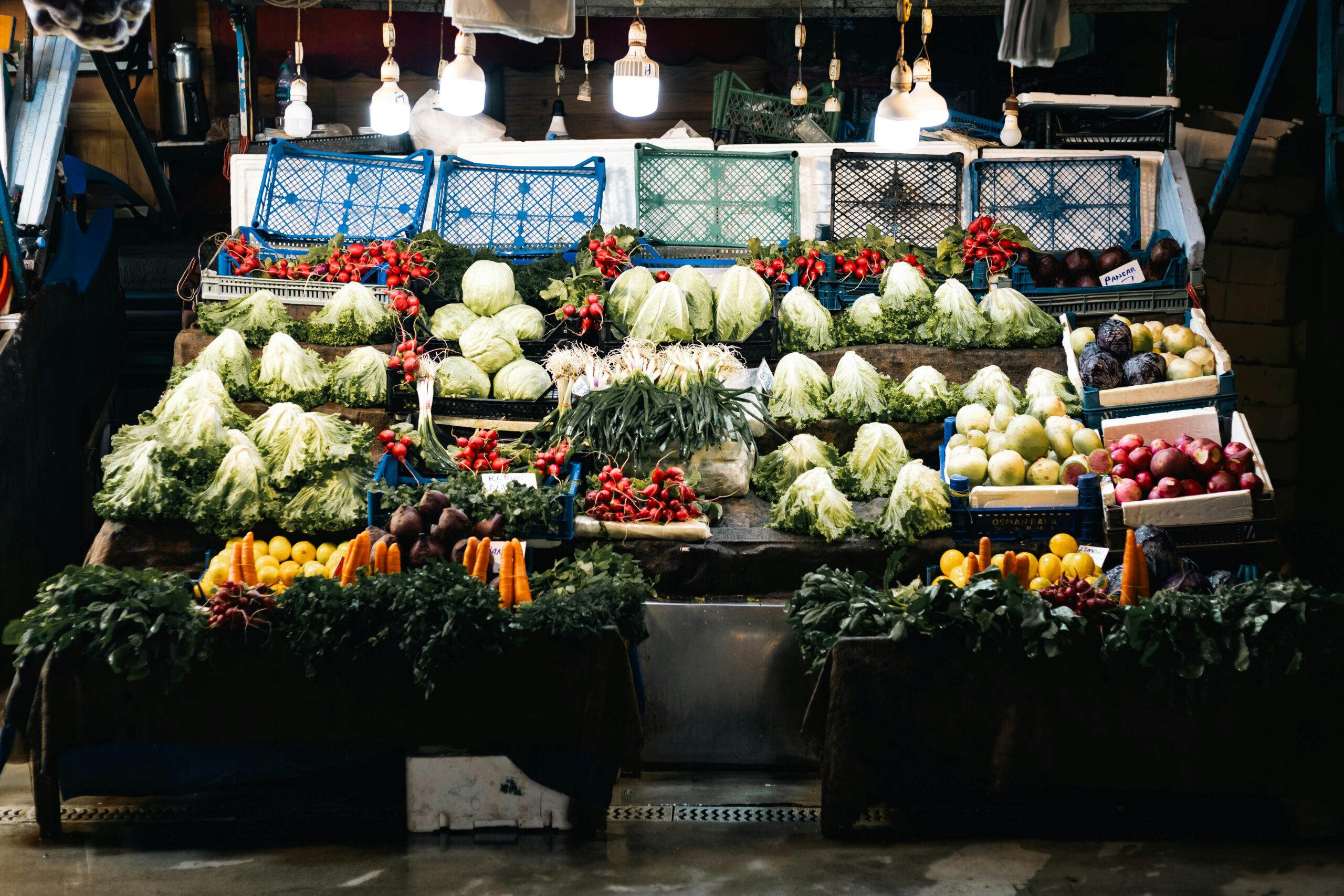
Farmers markets often provide exceptional value, especially late in the day when vendors are eager to sell remaining inventory rather than pack it up. Don’t hesitate to negotiate or ask about bulk discounts. Many farmers are happy to offer reduced prices if you’re buying larger quantities.
Discount grocery stores and ethnic markets frequently offer significantly lower produce prices than mainstream supermarkets. These stores often have different supply chains and lower overhead costs, allowing them to pass savings to customers. The selection might be less predictable, but the savings can be substantial.
Mastering the Art of Strategic Timing
Timing your shopping trips strategically can yield impressive savings. Most grocery stores mark down produce nearing its sell-by date, typically in the morning after restocking or in the evening before closing. These items are perfectly fine to eat immediately or can be frozen for later use.
Shopping midweek rather than on weekends often provides access to better selection and fresher markdowns. Weekend crowds deplete inventory quickly, leaving fewer bargains by Sunday afternoon.
🛒 The Budget-Friendly Produce Priority List
Not all produce offers equal value. Some fruits and vegetables provide more nutrition per dollar than others, making them smart choices for budget-conscious healthy eating.
Bananas consistently rank as one of the cheapest fruits available, packed with potassium, vitamin B6, and fiber. They’re portable, require no preparation, and provide steady energy. Cabbage offers incredible value—a single head costs just a dollar or two and yields numerous servings packed with vitamin C and fiber. Sweet potatoes deliver complex carbohydrates, beta-carotene, and fiber at rock-bottom prices.
Carrots, onions, and celery form the holy trinity of budget cooking, serving as flavor bases for countless dishes while costing mere pennies per serving. Apples, especially when purchased in bulk bags, provide year-round affordable nutrition. Frozen vegetables like peas, corn, and green beans often cost less than fresh while retaining excellent nutritional value.
High-Value Produce Champions
- Leafy Greens: Romaine lettuce and cabbage offer more servings per dollar than spring mix or specialty greens
- Root Vegetables: Potatoes, sweet potatoes, carrots, and beets provide filling nutrition at low cost
- Citrus Fruits: Oranges and grapefruits, especially in winter, deliver vitamin C affordably
- Squash Family: Butternut, acorn, and spaghetti squash offer versatile, filling, and cheap options
- Legume Family: Fresh green beans and snap peas provide protein and fiber economically
🍎 Organic vs. Conventional: Making Smart Decisions
The organic versus conventional debate often creates confusion for budget-minded shoppers. While organic produce offers benefits, it’s not always necessary to buy everything organic, especially when working with limited funds.
The Environmental Working Group publishes annual “Dirty Dozen” and “Clean Fifteen” lists identifying which produce items contain the most and least pesticide residues. Prioritize buying organic for items on the Dirty Dozen list—typically strawberries, spinach, apples, grapes, and tomatoes. Save money by purchasing conventional versions of Clean Fifteen items like avocados, sweet corn, pineapple, onions, and cabbage, which have minimal pesticide residues even when grown conventionally.
This selective approach allows you to minimize pesticide exposure while maximizing your food budget. Remember that eating conventional produce is far better than eating no produce at all due to cost concerns.
📱 Technology Tools for Smarter Produce Shopping
Modern technology offers powerful tools for finding produce deals and managing your grocery budget effectively. Several apps can transform your shopping experience and help you save significantly.
Flipp aggregates weekly sales flyers from all grocery stores in your area, allowing you to compare produce prices without driving around or collecting physical flyers. You can search specific items and see which stores offer the best deals.
Ibotta and similar cashback apps offer rebates on produce purchases, essentially giving you money back for buying items you already planned to purchase. Over time, these small rebates accumulate into meaningful savings.
Store-specific apps from major retailers often include digital coupons, personalized deals based on your shopping history, and notifications about sales on items you frequently buy. Taking five minutes to load digital coupons before shopping can save dollars on every trip.
🥕 Proper Storage: Protecting Your Investment
Saving money on produce means nothing if half of it spoils before you can eat it. Proper storage techniques dramatically extend shelf life and reduce waste, effectively lowering your per-serving cost.
Different produce items have different storage requirements. Tomatoes, potatoes, onions, and garlic should never be refrigerated—they lose flavor and develop unpleasant textures. Store them in a cool, dark, dry place. Leafy greens last longest when washed, thoroughly dried, and stored in containers lined with paper towels to absorb excess moisture.
Herbs stay fresh for weeks when treated like flowers—trim stems and place in a jar with water, then cover loosely with a plastic bag and refrigerate. Berries should only be washed immediately before eating, as moisture accelerates mold growth. Apples emit ethylene gas that accelerates ripening in other produce, so store them separately.
The Refrigerator Zones Strategy
Understanding your refrigerator’s temperature zones helps maximize produce life. The back of the fridge is coldest and best for items like broccoli and carrots. Crisper drawers maintain higher humidity, perfect for leafy greens and herbs. Door shelves experience the most temperature fluctuation, making them suitable only for hardy items like citrus fruits.
🍲 Cooking Strategies That Maximize Every Bite
How you cook and use produce significantly impacts your budget efficiency. Strategic cooking approaches ensure nothing goes to waste while creating delicious, nutritious meals.
Vegetable scraps that many people discard actually contain tremendous value. Carrot tops make excellent pesto. Broccoli stems, when peeled, are tender and delicious. Beet greens cook up like Swiss chard. Cauliflower leaves and cores are perfectly edible. Training yourself to see these “scraps” as ingredients rather than waste immediately increases the value of every produce purchase.
Batch cooking transforms excess produce into convenient future meals. When vegetables approach their prime, make large batches of soup, stir-fry, or roasted vegetables. These dishes freeze beautifully and provide quick, healthy meals on busy days, reducing temptation to order expensive takeout.
The “Eat Your Fridge” Weekly Challenge
Before your next shopping trip, challenge yourself to create meals using only produce already in your kitchen. This practice reduces waste, sparks culinary creativity, and helps you avoid overbuying. You’ll often discover forgotten items hiding in crisper drawers and prevent perfectly good food from spoiling.
🌽 Freezing and Preserving: Banking Produce for Later
Preservation techniques allow you to capitalize on rock-bottom seasonal prices and enjoy that produce year-round. When strawberries hit $1 per pound in June, buying extra and freezing them means you’ll have affordable berries for smoothies all winter.
Most vegetables benefit from blanching before freezing—briefly boiling, then immediately plunging into ice water. This process stops enzyme action that causes loss of flavor, color, and texture. Blanched and frozen vegetables maintain quality for 8-12 months. Fruits can typically be frozen without blanching, though tossing them with a bit of lemon juice prevents browning.
Spread items in a single layer on baking sheets to freeze individually before transferring to freezer bags. This prevents everything from clumping into one unusable mass. Properly frozen produce works wonderfully in smoothies, soups, stir-fries, and baked goods.
👨👩👧👦 Family-Friendly Budget Produce Tips
Families face unique challenges when trying to eat healthy on a budget. Kids can be picky, and growing children need substantial nutrition, but these strategies help families maximize their produce budgets.
Involve children in shopping and meal planning. Kids who help select produce are more likely to eat it. Let them choose one new fruit or vegetable each week to try. Make produce visible and accessible—keep a fruit bowl on the counter and pre-cut vegetables at eye level in the refrigerator.
Buy whole produce rather than pre-cut whenever possible. That container of pre-cut pineapple costs three times more than a whole pineapple, and cutting it yourself takes just minutes. Teaching children basic produce preparation skills empowers them while saving money.
🥗 Building a Budget-Friendly Weekly Produce Plan
Successful budget produce shopping requires planning rather than impulse buying. A structured approach ensures you have what you need without overspending or wasting food.
Start by checking what produce you already have, then plan your week’s meals around those items plus current sales. Create a detailed shopping list organized by store section to prevent wandering and impulse purchases. Set a produce budget and bring only that amount in cash if necessary to maintain discipline.
Designate different produce items for different purposes throughout the week. Hardier vegetables like carrots and cabbage can wait until later in the week, while delicate items like berries and leafy greens should be used first. This strategic sequencing prevents waste and ensures everything gets consumed at peak quality.
🌟 Turning Budget Produce Shopping Into a Lifestyle
Embracing budget-friendly produce shopping isn’t about deprivation—it’s about making informed choices that benefit both your wallet and your health. As you implement these strategies, they’ll become second nature, transforming from conscious effort into automatic habits.
Track your savings by keeping grocery receipts and noting what you would have spent without using these strategies. Watching those savings accumulate provides powerful motivation to continue. Many families discover they’re saving $50-100 monthly on produce alone, money that can be redirected toward other goals or simply provide breathing room in a tight budget.
Remember that every small change matters. You don’t need to implement every strategy immediately. Start with one or two approaches that feel manageable, master those, then gradually add more techniques. Perhaps begin by shopping seasonally, then add strategic timing, then incorporate better storage methods.
The relationship between eating well and spending wisely isn’t antagonistic—with knowledge and planning, they support each other beautifully. Fresh, nutritious produce can fill your plate and nourish your family without emptying your bank account. Armed with these strategies, you’re ready to navigate the produce section with confidence, filling your cart with colorful, healthy foods while keeping your budget intact. Your body and your wallet will thank you for making fresh, frugal produce shopping a cornerstone of your healthy lifestyle. 🥦🍎💪