Healthy eating doesn’t have to be complicated or overwhelming for busy families. With the right approach and a clear understanding of nutritional needs, you can create balanced meals that nourish everyone at your table while saving time and reducing stress in the kitchen.

Modern families face unprecedented challenges when it comes to nutrition: conflicting dietary advice, picky eaters, hectic schedules, and processed food temptations at every corner. The good news is that achieving optimal nutrition isn’t about perfection—it’s about consistency, balance, and making informed choices that work for your unique family dynamic.
🎯 Understanding the Foundation of Nutrient Balance
Before diving into specific nutrients, it’s essential to understand what “balance” truly means in the context of family nutrition. Balanced eating encompasses getting adequate amounts of macronutrients (proteins, carbohydrates, and fats) alongside essential micronutrients (vitamins and minerals) while maintaining appropriate caloric intake for each family member’s age, activity level, and health status.
The traditional food pyramid has evolved into more nuanced approaches like the MyPlate model, which emphasizes filling half your plate with fruits and vegetables, one-quarter with whole grains, and one-quarter with lean proteins, with a serving of dairy on the side. This visual guide simplifies meal planning and helps families understand proper portion sizes at a glance.
Why One-Size-Fits-All Diets Don’t Work for Families
Each family member has different nutritional requirements based on their life stage. Growing children need more calcium and protein per pound of body weight than adults, while teenagers require additional iron and calories to support rapid development. Adults have their own needs, which shift as they age, and seniors require increased vitamin D, calcium, and B12 to maintain bone health and cognitive function.
This diversity within a single household is precisely why rigid diet plans often fail. Instead of following trendy restrictions, focus on nutrient density—choosing foods that pack the most nutritional value per calorie. This approach naturally accommodates everyone’s needs while keeping meal preparation manageable.
🥗 The Essential Macronutrients Checklist
Macronutrients form the building blocks of every meal and provide the energy your family needs to thrive. Understanding each macronutrient’s role helps you make strategic food choices that support optimal health.
Protein Power: Building and Repairing
Protein serves as the foundation for growth, tissue repair, immune function, and hormone production. Children need approximately 0.5 grams of protein per pound of body weight daily, while adults require about 0.36 grams per pound. Active individuals and teenagers may need more to support muscle development and recovery.
Quality protein sources include:
- Lean meats like chicken breast, turkey, and lean beef
- Fatty fish such as salmon, mackerel, and sardines (bonus omega-3s!)
- Eggs, which provide complete protein and choline for brain health
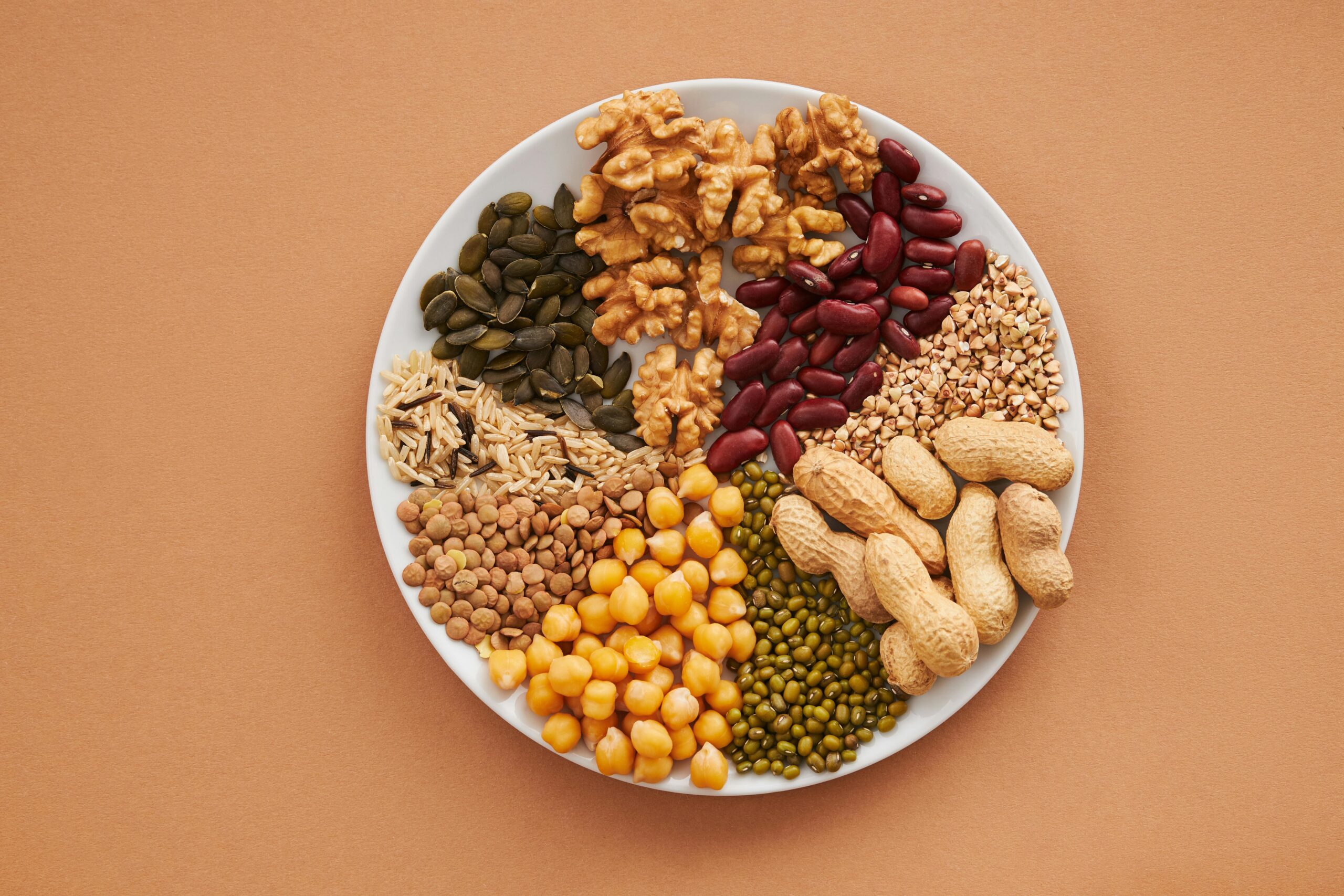
- Legumes including beans, lentils, and chickpeas
- Dairy products like Greek yogurt, cottage cheese, and milk
- Plant-based options including tofu, tempeh, and edamame
- Nuts and seeds, which also provide healthy fats
Carbohydrates: The Energy Providers
Despite their controversial reputation in diet culture, carbohydrates are the body’s preferred energy source, especially for the brain and during physical activity. The key lies in choosing complex carbohydrates over refined sugars and processed grains.
Complex carbohydrates provide sustained energy, fiber for digestive health, and numerous vitamins and minerals. Prioritize whole grains like quinoa, brown rice, oats, and whole wheat bread. Starchy vegetables such as sweet potatoes, squash, and beets offer carbohydrates alongside important phytonutrients. Fruits provide natural sugars with fiber and antioxidants that processed sweets simply cannot match.
Healthy Fats: Essential for Development and Function
Fat often gets unfairly demonized, yet it’s absolutely critical for brain development in children, hormone production, nutrient absorption, and cellular health. Approximately 25-35% of daily calories should come from fat, with emphasis on unsaturated varieties.
Include sources like avocados, olive oil, nuts (almonds, walnuts, cashews), seeds (chia, flax, hemp), fatty fish, and small amounts of full-fat dairy. These foods support cognitive function, reduce inflammation, and keep everyone feeling satisfied between meals.
💎 Micronutrients: The Vital Players in Family Health
While needed in smaller quantities than macronutrients, vitamins and minerals orchestrate countless bodily functions. Deficiencies can lead to fatigue, weakened immunity, poor growth in children, and increased disease risk.
Calcium and Vitamin D: The Dynamic Duo
This partnership is essential for bone development in children and bone maintenance in adults. Children ages 4-8 need 1,000mg of calcium daily, while teenagers require 1,300mg during peak growth years. Adults need 1,000-1,200mg depending on age and gender.
Dairy products remain the most concentrated calcium sources, but leafy greens, fortified plant milks, canned fish with bones, and tofu processed with calcium also contribute significantly. Vitamin D, which helps calcium absorption, can be obtained through sun exposure, fatty fish, fortified foods, and supplementation when necessary.
Iron: Preventing Fatigue and Supporting Growth
Iron deficiency is one of the most common nutritional deficiencies worldwide, particularly affecting young children, teenage girls, and women of childbearing age. This mineral is crucial for oxygen transport, energy production, and cognitive development.
Heme iron from animal sources (red meat, poultry, fish) is more readily absorbed than non-heme iron from plant sources (spinach, beans, fortified cereals). Pair plant-based iron sources with vitamin C-rich foods like citrus fruits, bell peppers, or tomatoes to enhance absorption.
B Vitamins: Energy and Brain Function
The B vitamin family supports energy metabolism, nervous system function, and red blood cell formation. Whole grains, legumes, eggs, dairy, leafy greens, and fortified foods provide various B vitamins. Vitamin B12, found primarily in animal products, may require supplementation for strict vegetarian families.
🍎 Creating Your Family’s Weekly Nutrition Plan
Theory means little without practical application. Transform nutritional knowledge into consistent healthy eating with strategic meal planning that respects your family’s preferences, schedule, and budget.
The Rainbow Rule for Maximum Nutrition
Different colored fruits and vegetables contain different phytonutrients and antioxidants. Aim to include a variety of colors throughout the week: red tomatoes and strawberries (lycopene), orange carrots and sweet potatoes (beta-carotene), yellow bell peppers and corn (lutein), green spinach and broccoli (folate and vitamin K), blue/purple berries and eggplant (anthocyanins), and white/tan cauliflower and mushrooms (selenium).
This simple visual strategy ensures diverse nutrient intake without complicated calculations. Challenge children to “eat the rainbow” to make nutrition fun and engaging.
Batch Cooking and Meal Prep Strategies
Dedicate 2-3 hours weekly to prepare components that simplify daily cooking. Cook large batches of whole grains, roast multiple sheet pans of vegetables, prepare protein sources, and wash and chop produce. Store components separately to mix and match throughout the week, preventing boredom while maintaining nutrition.
This approach reduces decision fatigue, minimizes last-minute unhealthy choices, and makes weeknight dinners achievable even on the busiest days.
🛒 Smart Shopping: Navigating the Grocery Store
Your nutrition journey begins at the grocery store. Strategic shopping sets your family up for success while avoiding the pitfalls of impulse purchases and marketing gimmicks.
The Perimeter Strategy
Most whole, unprocessed foods reside around the store’s perimeter: produce, meat and seafood, dairy, and sometimes whole grains. Center aisles typically house processed foods with longer shelf lives. While some center-aisle items are pantry staples (canned beans, whole grain pasta, oats), spending most of your shopping time on the perimeter naturally improves diet quality.
Decoding Nutrition Labels
When purchasing packaged foods, flip to the nutrition label and ingredient list. Look for products with short ingredient lists featuring recognizable whole foods. Check serving sizes carefully, as packages often contain multiple servings. Prioritize items with fiber, protein, vitamins, and minerals while limiting added sugars, sodium, and unhealthy fats.
A helpful rule: if a product contains more than five ingredients or includes items you can’t pronounce, it’s likely heavily processed. While not every food needs to be whole and unprocessed, making these foods the minority rather than the majority improves overall nutrition.
👨👩👧👦 Addressing Individual Family Member Needs
One household, multiple nutritional requirements—here’s how to accommodate everyone without becoming a short-order cook.
Feeding Young Children (Ages 2-8)
Young children need nutrient-dense foods in appropriate portions. Their stomachs are small, so every bite counts. Offer three meals plus 2-3 snacks daily, focusing on whole foods rather than processed snacks. Include healthy fats for brain development, calcium for bone growth, and iron for cognitive function.
Combat picky eating by repeatedly offering new foods without pressure, involving children in meal preparation, and modeling healthy eating yourself. Research shows it can take 10-15 exposures before a child accepts a new food, so persistence pays off.
Supporting Teenagers Through Growth Spurts
Adolescence brings dramatic physical changes and increased nutritional demands. Teenagers need more calories, protein, calcium, and iron than younger children. Boys experiencing rapid muscle development require additional protein and calories, while girls need extra iron to compensate for menstruation.
Keep nutritious, ready-to-eat foods accessible since teenagers often eat on irregular schedules. Stock Greek yogurt, hard-boiled eggs, cut vegetables with hummus, fresh fruit, nuts, and whole grain crackers. Teach basic cooking skills to promote independence and lifelong healthy habits.
Adult Nutritional Priorities
Adult needs vary based on activity level, health status, and life stage. Parents often neglect their own nutrition while focusing on children, but modeling healthy eating is one of the most powerful teaching tools available. Prioritize protein to maintain muscle mass, fiber for digestive health, and antioxidant-rich foods to combat cellular aging.
⚡ Practical Tools and Technology for Nutrition Success
Modern technology offers valuable support for families committed to better nutrition. Meal planning apps can generate shopping lists, suggest recipes based on available ingredients, and track nutritional intake if desired. Many apps specifically cater to families, offering kid-friendly recipes and customizable meal plans.
Food tracking applications help identify nutritional gaps and patterns you might otherwise miss. While obsessive tracking isn’t necessary or recommended, occasional awareness checks can reveal whether your family consistently falls short on certain nutrients like fiber, vegetables, or healthy fats.
🎉 Making Healthy Eating Sustainable and Enjoyable
The ultimate nutrition plan is the one your family will actually follow long-term. Perfection isn’t the goal—consistency with room for flexibility creates lasting healthy habits.
The 80/20 Approach to Balance
Aim for nutrient-dense whole foods approximately 80% of the time, leaving 20% for treats, convenience foods, and special occasions. This balance prevents feelings of deprivation while maintaining overall excellent nutrition. Birthday cake at parties, occasional fast food, and holiday treats all fit into a healthy lifestyle when they’re the exception rather than the rule.
Building Positive Food Relationships
Avoid labeling foods as “good” or “bad,” which can create unhealthy guilt associations. Instead, discuss foods as “everyday foods” (fruits, vegetables, whole grains, proteins) and “sometimes foods” (candy, soda, chips). This neutral language helps children develop balanced perspectives about nutrition without shame or anxiety.
Never use food as punishment or reward, which creates emotional eating patterns that persist into adulthood. Instead, celebrate with experiences, praise, or special activities unrelated to food.
🔄 Overcoming Common Family Nutrition Obstacles
Every family faces barriers to healthy eating. Identifying your specific challenges and developing targeted solutions makes success more achievable.
Time Constraints and Busy Schedules
Limited time is the most cited barrier to healthy eating. Combat this with strategic meal prep, slow cooker or instant pot meals, and maintaining a well-stocked pantry with healthy staples. Keep backup options available: frozen vegetables are just as nutritious as fresh, canned beans are convenient protein sources, and pre-washed salad greens eliminate preparation time.
Budget Considerations
Healthy eating doesn’t require expensive specialty foods or organic everything. Buy produce in season when it’s most affordable, purchase store brands instead of name brands, buy proteins on sale and freeze them, and incorporate inexpensive nutrient-dense foods like eggs, beans, oats, and bananas.
Managing Different Preferences
When family members have vastly different tastes, create “build-your-own” meals with customizable components. Taco bars, grain bowls, and DIY pizzas on whole wheat crust let everyone select their preferred combinations while ensuring nutritional elements are available. This strategy respects individual preferences while maintaining meal unity.

🌟 Your Family’s Path Forward: Implementing Change Gradually
Overhauling your family’s entire diet overnight typically leads to resistance and failure. Instead, implement small, sustainable changes that build upon each other over time. Start with one meal or one nutritional goal, master it, then add another.
Perhaps begin by adding one additional vegetable serving daily, or swap refined grains for whole grains at breakfast. Once that becomes routine, tackle another area. Small wins create momentum and confidence, leading to lasting transformation rather than temporary changes that fizzle out.
Remember that setbacks are normal and don’t erase progress. A week of vacation eating, a stressful period with more takeout, or a picky eating phase doesn’t negate the healthy foundation you’re building. Simply return to your nutrition principles without guilt or drama.
The journey toward optimal family nutrition is exactly that—a journey, not a destination. As children grow, schedules change, and circumstances shift, your approach will evolve too. The core principles of balance, variety, moderation, and consistency remain constant, providing a reliable framework for nourishing your family through every life stage. By focusing on progress rather than perfection, you’ll create a positive food environment where healthy eating feels natural, enjoyable, and sustainable for years to come.