Snacking doesn’t have to be a last-minute scramble through your pantry. With the right rotation planner, you can transform your weekly snack routine into a streamlined, stress-free experience that saves time, money, and mental energy.

The modern lifestyle demands convenience without sacrificing nutrition, and that’s exactly where strategic snack preparation comes into play. Whether you’re managing a busy household, juggling work commitments, or simply trying to maintain healthier eating habits, having a well-organized snack rotation system can be a game-changer for your daily routine.
Why Snack Prep Rotation Matters More Than You Think 🎯
Most people underestimate the mental load of deciding what to eat between meals. This decision fatigue compounds throughout the week, leading to poor choices, overspending on convenience foods, and unnecessary stress. A rotation planner eliminates this burden entirely by creating a predictable, varied system that works on autopilot.
Research shows that people who prep their snacks in advance are 73% more likely to stick to their nutritional goals. The secret isn’t just about having food ready—it’s about removing the cognitive burden of constant decision-making. When your snacks are planned, prepped, and rotated systematically, you’re setting yourself up for consistent success.
The rotation approach also prevents flavor fatigue. By cycling through different snack options throughout the week, you maintain excitement and satisfaction with your food choices. This variety keeps your taste buds engaged and reduces the temptation to reach for unhealthy alternatives when boredom strikes.
Building Your Foundation: The 5-Day Rotation Framework
The ideal snack rotation spans five days, creating a perfect balance between variety and simplicity. This framework allows you to prepare everything during a single prep session while ensuring you never eat the same snack two days in a row. The system is flexible enough to accommodate different dietary preferences, nutritional goals, and taste preferences.
Understanding Snack Categories for Balanced Rotation
To create a truly effective rotation, organize your snacks into five distinct categories. This classification system ensures nutritional balance and prevents monotony:
- Protein-Packed: Hard-boiled eggs, Greek yogurt parfaits, turkey roll-ups, hummus with vegetables, or cottage cheese bowls
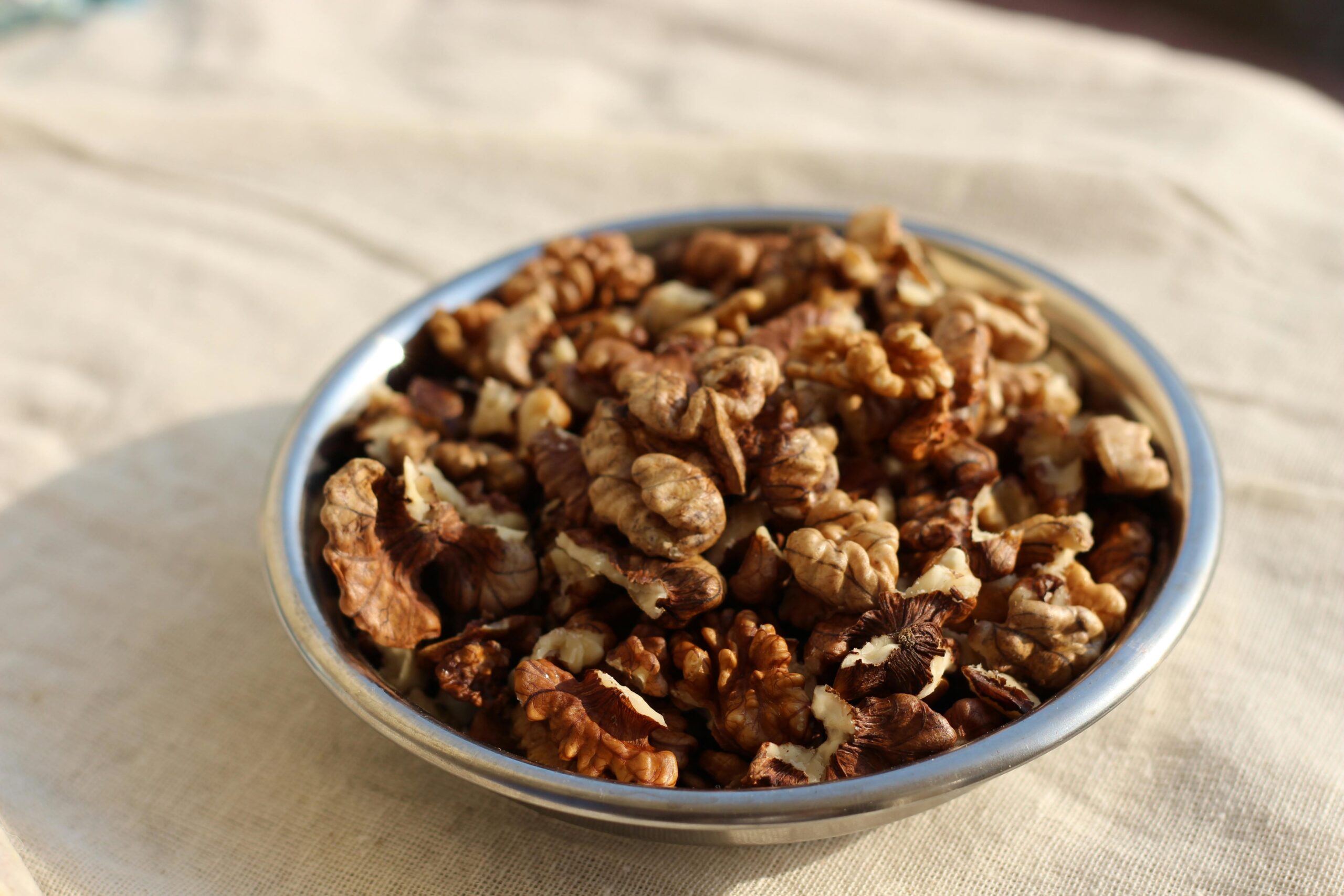
- Crunchy & Savory: Roasted chickpeas, seasoned nuts, homemade popcorn, veggie chips, or whole-grain crackers with cheese
- Fresh & Light: Cut fruit with nut butter, veggie sticks with dip, cucumber boats, cherry tomatoes with mozzarella, or apple slices
- Energy Boosters: Homemade energy balls, trail mix, granola bars, dates with almond butter, or protein smoothie packs
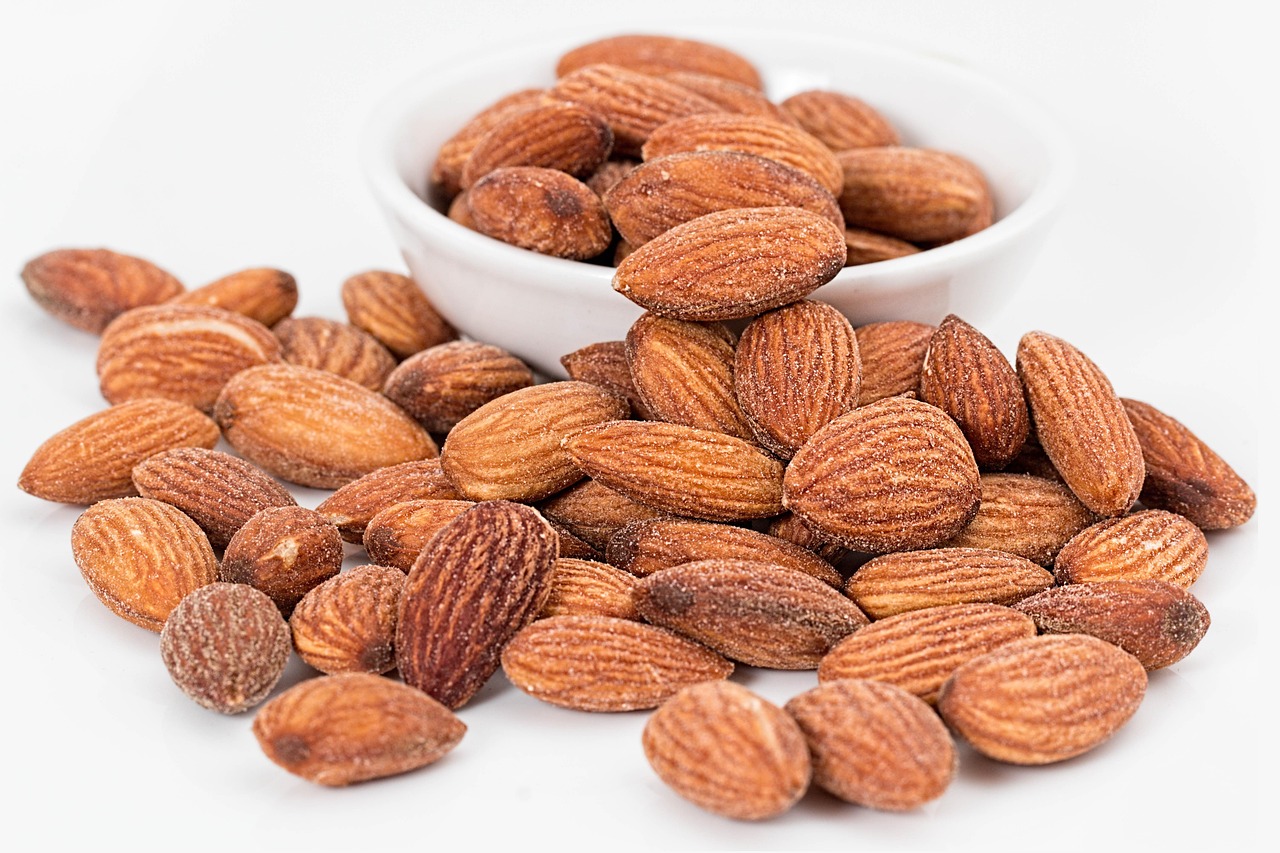
- Sweet Treats: Dark chocolate with almonds, frozen yogurt bark, banana nice cream, chia pudding, or homemade muffins
The Sunday Prep Session: Your Weekly Reset 📋
Dedicate two hours every Sunday to your snack prep routine. This investment pays dividends throughout the week by eliminating daily preparation stress. Start by reviewing your rotation plan and gathering all necessary ingredients and containers.
Begin with items that require cooking or longer preparation times. Boil eggs, roast chickpeas, bake muffins, or prepare energy balls first. While these items are cooking, move on to washing and cutting fresh produce. This parallel processing approach maximizes efficiency and reduces overall prep time.
Container Strategy for Maximum Freshness
The right containers make or break your snack prep system. Invest in glass containers with airtight lids for items that need maximum freshness. Use compartmentalized containers for snacks that include multiple components, like veggies with dip or fruit with nut butter.
Label each container with the day of the week and snack category. This simple organizational step eliminates morning confusion and ensures you stick to your rotation plan. Consider using different colored lids or labels for each snack category to create a visual system that’s easy to navigate when you’re rushed.
Monday Through Friday: Your Daily Rotation Guide 🗓️
A well-structured rotation plan accounts for your energy needs throughout the week. Start Monday with protein-rich snacks to combat the post-weekend transition. Tuesday introduces crunchy, satisfying options that provide sustained energy. Wednesday focuses on fresh, hydrating snacks to reach the midweek milestone feeling refreshed.
Thursday brings energy-boosting combinations that power you through the final stretch of the workweek. Friday celebrates the approaching weekend with slightly indulgent yet nutritious sweet treats. This psychological pacing keeps motivation high and prevents the feeling of dietary restriction.
Sample Weekly Rotation Schedule
Here’s a proven rotation schedule that balances nutrition, variety, and satisfaction:
- Monday Morning: Greek yogurt parfait with berries and granola | Afternoon: Hard-boiled eggs with everything bagel seasoning
- Tuesday Morning: Roasted chickpeas with paprika | Afternoon: Apple slices with almond butter
- Wednesday Morning: Cucumber boats with herbed cream cheese | Afternoon: Mixed berries with mint
- Thursday Morning: Homemade energy balls | Afternoon: Trail mix with dark chocolate
- Friday Morning: Banana nice cream | Afternoon: Chia pudding with honey and nuts
Customizing Your Rotation for Dietary Needs 🥗
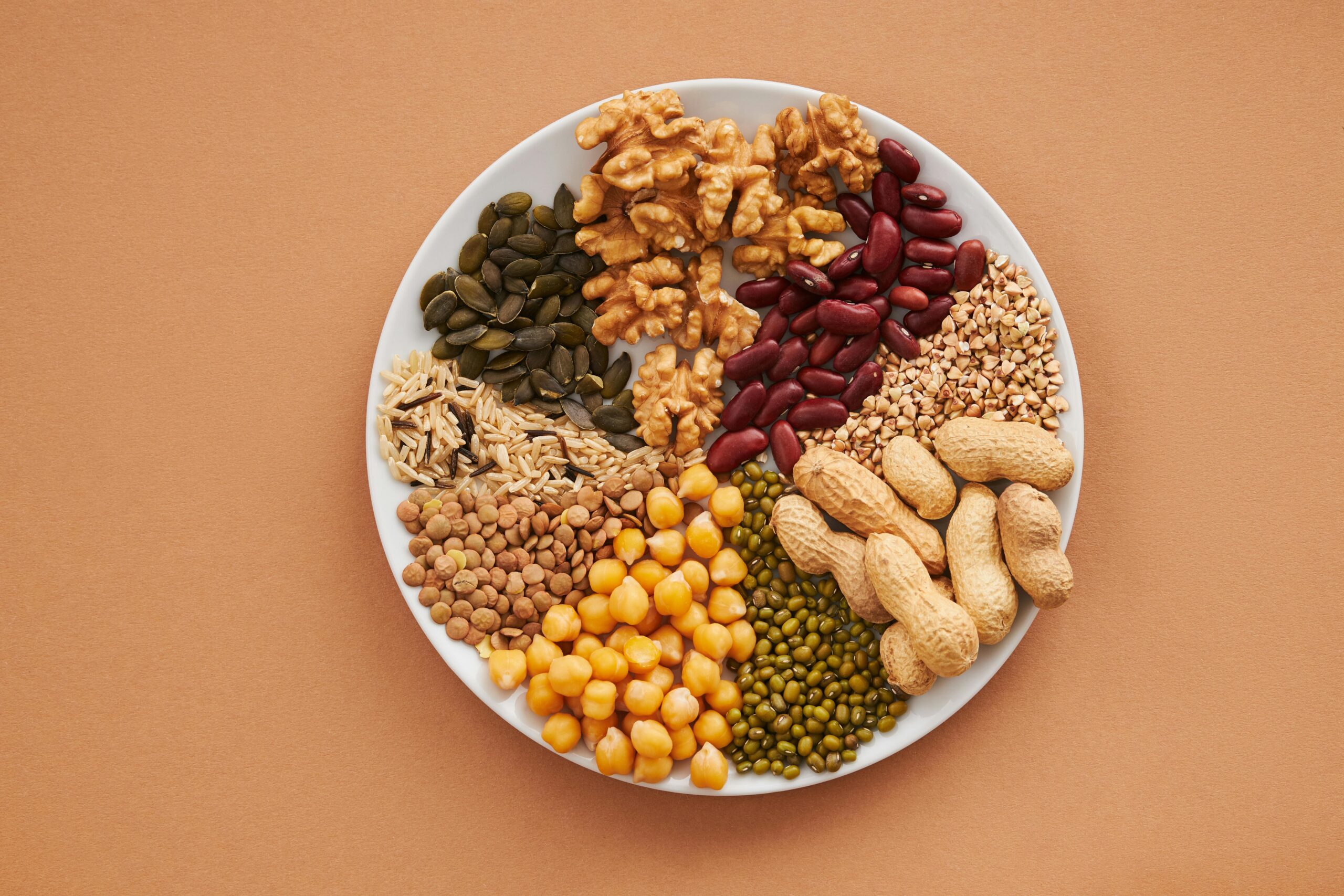
The beauty of a rotation system lies in its adaptability. Whether you follow a specific diet or have food restrictions, the framework remains constant while the contents change. Vegan rotations might emphasize plant-based proteins like edamame, nuts, and legume-based snacks. Keto-focused plans would increase healthy fats and reduce carbohydrates accordingly.
For those managing food allergies, the rotation system actually simplifies safe eating. By preparing your own snacks, you control every ingredient and eliminate cross-contamination concerns. The predictable schedule also makes it easier to identify any adverse reactions, since you know exactly what you consumed and when.
Adjusting Portions for Different Life Stages
Children, teenagers, adults, and seniors all have different snacking needs. The rotation framework scales beautifully across all age groups. For kids, include more interactive snacks like ants on a log or fruit kabobs. Teenagers might need larger portions and more protein-dense options to fuel their growth and activity levels.
Adults focusing on weight management can adjust portion sizes within the same rotation system, while seniors might emphasize softer textures and nutrient-dense options that are easier to chew and digest. The container system makes portion control effortless—simply prepare the appropriate amount for your needs.
Smart Shopping: The Rotation-Based Grocery List 🛒
A rotation planner revolutionizes your grocery shopping by creating a standardized list that evolves minimally week to week. This consistency reduces both shopping time and food waste. You’ll quickly learn exactly which quantities you need, eliminating overbuying and the guilt of throwing away expired food.
Organize your shopping list by store section to maximize efficiency. Group produce together, then proteins, then pantry staples. This strategic approach transforms grocery shopping from a dreaded chore into a quick, focused mission. Most rotation-based shoppers report cutting their shopping time by 40% or more.
Seasonal Adaptations for Optimal Flavor and Value
The smartest rotation planners adjust their snack selections seasonally. Summer rotations feature berries, melons, and refreshing options like frozen fruit. Fall brings apples, pears, and warming spices into the mix. Winter emphasizes citrus fruits and hearty nuts, while spring welcomes fresh vegetables and lighter preparations.
Seasonal shopping also delivers significant cost savings. In-season produce costs substantially less and tastes dramatically better than out-of-season alternatives. Your rotation planner should evolve every three months to reflect these natural cycles, keeping your snacks both affordable and delicious.
Troubleshooting Common Rotation Challenges 💡
Even the best-laid plans encounter obstacles. The most common challenge is losing steam mid-week and abandoning the system. Combat this by keeping emergency backup snacks that fit your categories—individually portioned nuts, fruit pouches, or protein bars can save your rotation when life gets chaotic.
Another frequent issue is recipe fatigue within a category. Solve this by maintaining a master list of 3-5 options per category. Rotate which specific snack you prepare each week within the category. For example, your protein day might feature Greek yogurt one week, cottage cheese the next, and turkey roll-ups the following week.
Managing Texture Changes in Prepped Snacks
Some snacks don’t maintain perfect texture throughout the week. Address this proactively by understanding which items prep best. Cucumbers stay crisp when stored with a paper towel to absorb excess moisture. Apple slices resist browning when tossed with a bit of lemon juice. Granola stays crunchy when stored separately from yogurt and combined right before eating.
For snacks that truly don’t prep well, schedule them strategically. Fresh-cut pineapple tastes best within two days, so plan it for Monday or Tuesday. Conversely, hard-boiled eggs improve in flavor after a day or two in the fridge, making them perfect for Thursday or Friday.
Leveling Up: Advanced Rotation Strategies 🚀
Once you’ve mastered the basic rotation, consider implementing advanced techniques. Theme weeks add excitement—Mediterranean week, Asian-inspired week, or harvest week can inject novelty while maintaining structure. This approach is particularly effective for families, as it creates anticipation and engagement around snack time.
Batch cooking on a larger scale allows you to prep snacks for two weeks at a time. Many items freeze beautifully: energy balls, muffins, and even some cut vegetables maintain quality when properly frozen. This approach is ideal for extremely busy professionals or during particularly hectic life seasons.
Incorporating Family Members Into the System
A rotation system works best when everyone participates. Assign each family member one snack category to prep. This distributes the workload, teaches valuable cooking skills, and increases buy-in from everyone involved. Kids who help prep are significantly more likely to actually eat the snacks they’ve prepared.
Create a visual rotation chart that everyone can see. A simple whiteboard or printed calendar showing which snacks are available each day helps family members plan accordingly and reduces the constant “what’s for snack?” questions. This transparency makes the system self-service for older children and adults.
Tracking Success and Staying Motivated 📊
Measure your rotation system’s success through both quantitative and qualitative metrics. Track how many weeks you successfully complete your prep session, how much money you save compared to buying convenience snacks, and how you feel energy-wise throughout the day.
Qualitative factors matter equally. Notice reduced stress around meal times, decreased afternoon energy crashes, and improved focus during work hours. These benefits compound over time, creating a positive feedback loop that reinforces the habit and makes continuation effortless.
Celebrate milestones in your snack prep journey. After four consecutive weeks of successful rotation, reward yourself with a special kitchen gadget or new containers. After three months, reflect on all the positive changes you’ve experienced. This acknowledgment reinforces the behavior and cements snack rotation as a permanent lifestyle upgrade.

Making It Last: Sustainability and Long-Term Success 🌱
The ultimate goal isn’t just mastering snack prep for a few weeks—it’s creating a sustainable system that becomes second nature. Start by committing to just one month. Research shows that 30 days is sufficient to establish a new habit’s foundation. After this initial period, the routine begins to feel natural rather than forced.
Build flexibility into your system from the beginning. Life happens, and some weeks won’t go according to plan. Having a backup strategy—whether that’s healthy store-bought alternatives or a simplified rotation using just three categories instead of five—prevents one missed week from derailing your entire system.
The rotation planner approach to snacking represents more than just organized food preparation. It’s a mindset shift that prioritizes your wellbeing, reduces decision fatigue, and creates space in your life for things that truly matter. When snacking becomes automatic and stress-free, you reclaim mental energy for creativity, relationships, and personal growth.
Your journey to stress-free snacking starts with a single prep session. The investment of two hours this Sunday will pay dividends every single day next week. You’ll experience the satisfaction of reaching for perfectly prepared, delicious snacks that nourish your body and simplify your life. The rotation planner isn’t just about food—it’s about creating a life with less stress and more intentionality, one snack at a time.