Snack time doesn’t have to be a daily battle with your picky eater. With the right approach to snack rotation, you can keep meals exciting and nutritious.

Every parent knows the frustration of offering the same snacks day after day, only to hear “I don’t want that!” Whether you’re dealing with toddlers who suddenly reject their once-favorite foods or school-age children who claim nothing tastes good anymore, mastering snack rotation can transform your household’s eating habits. This comprehensive guide will show you how to create a dynamic snack system that keeps variety alive, nutrition high, and complaints to a minimum.
🎯 Understanding Why Snack Rotation Matters for Picky Eaters
Children thrive on routine, yet they also crave novelty. This paradox creates the perfect opportunity for structured snack rotation. When kids see the same apple slices every single day, their brains literally stop registering excitement about the food. Nutritional research shows that dietary variety not only prevents boredom but also ensures children receive a broader spectrum of vitamins, minerals, and nutrients essential for growth.
Picky eating often stems from sensory sensitivities, control issues, or simply needing time to warm up to new foods. A rotation system addresses these concerns by providing predictability within variety. Your child knows snack time is coming, but the specific offering changes, reducing mealtime anxiety while gently expanding their palate.
Beyond nutrition and psychology, snack rotation saves you money and reduces food waste. When you plan strategically, you buy only what you need, use ingredients before they spoil, and avoid the expensive habit of purchasing specialty items that sit untouched in your pantry.
🗓️ Building Your Foundation: The Weekly Snack Rotation Framework
Creating an effective snack rotation starts with establishing a realistic framework. Most families find success with a seven-day rotation pattern that repeats weekly with minor adjustments. This timeframe is long enough to prevent monotony but short enough to remain manageable for busy parents.
Begin by categorizing snacks into groups: fresh fruits, vegetables with dips, protein-rich options, whole grains, and occasional treats. Each day should include offerings from at least two different categories to ensure balanced nutrition. For example, Monday might feature apple slices with peanut butter (fruit + protein), while Tuesday brings carrot sticks with hummus (vegetable + protein).
Creating Your Snack Categories
Organizing snacks by category helps you visualize variety and spot nutritional gaps. Your categories might include:
- Fresh Fruits: berries, sliced apples, bananas, grapes, oranges, melon cubes, pears
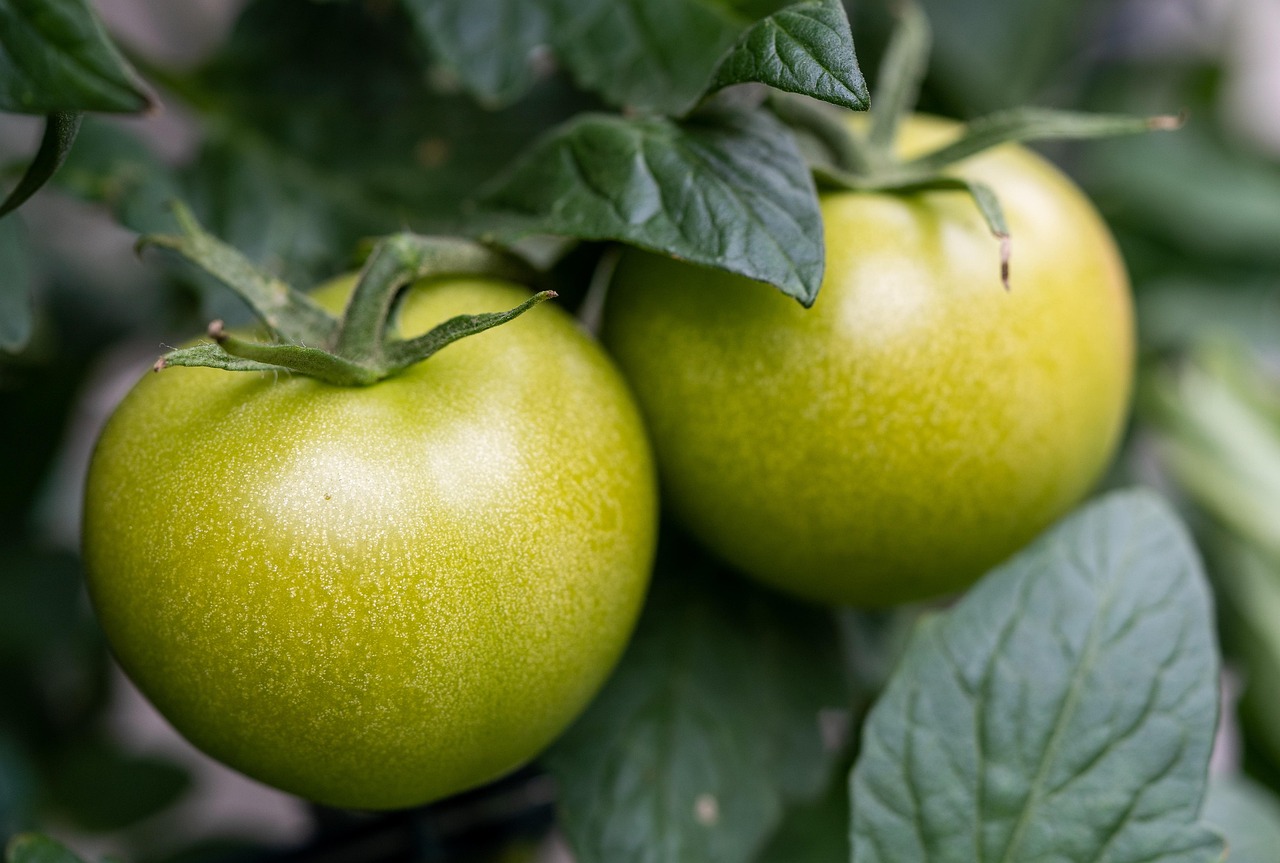
- Crunchy Vegetables: carrot sticks, cucumber slices, bell pepper strips, cherry tomatoes, snap peas
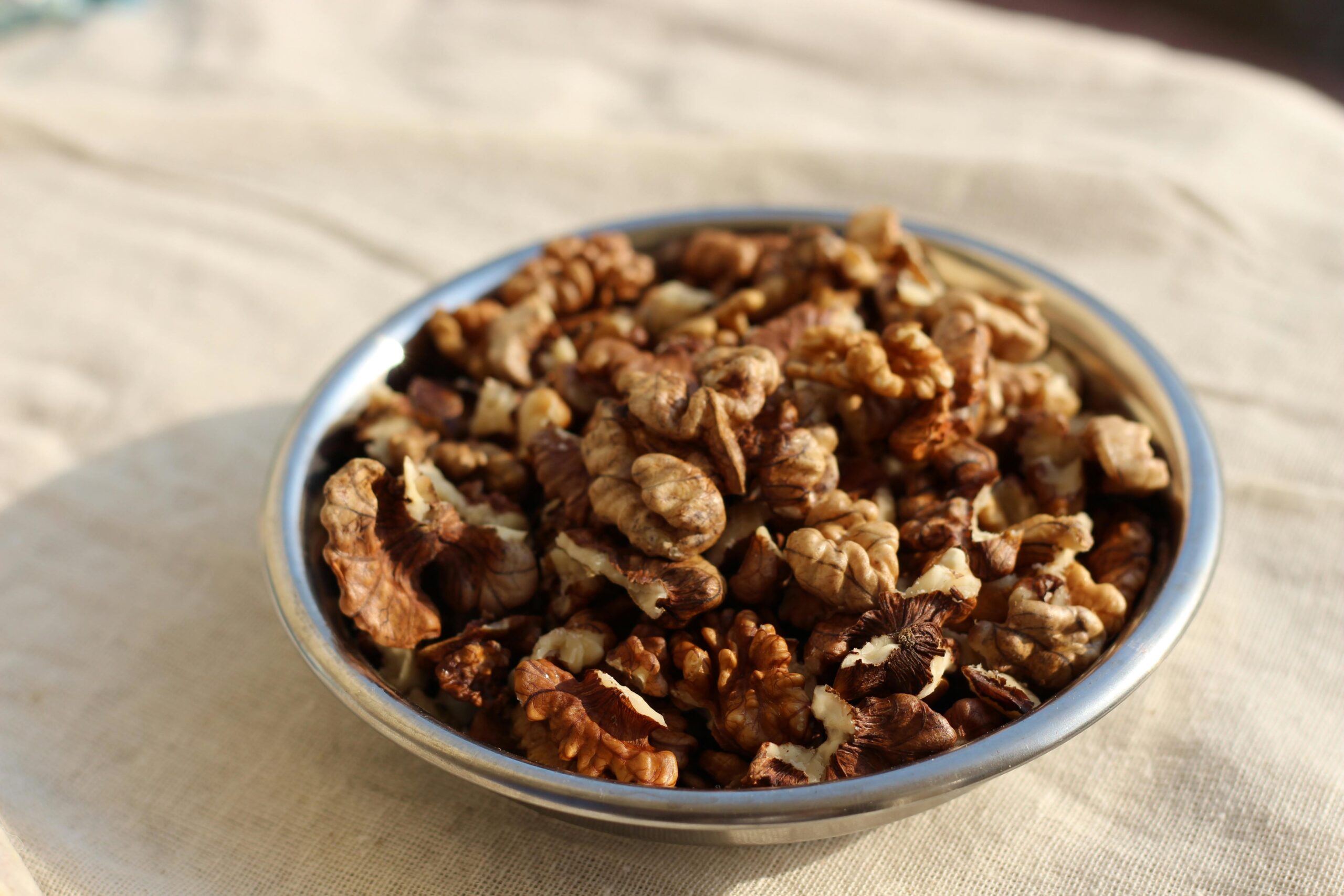
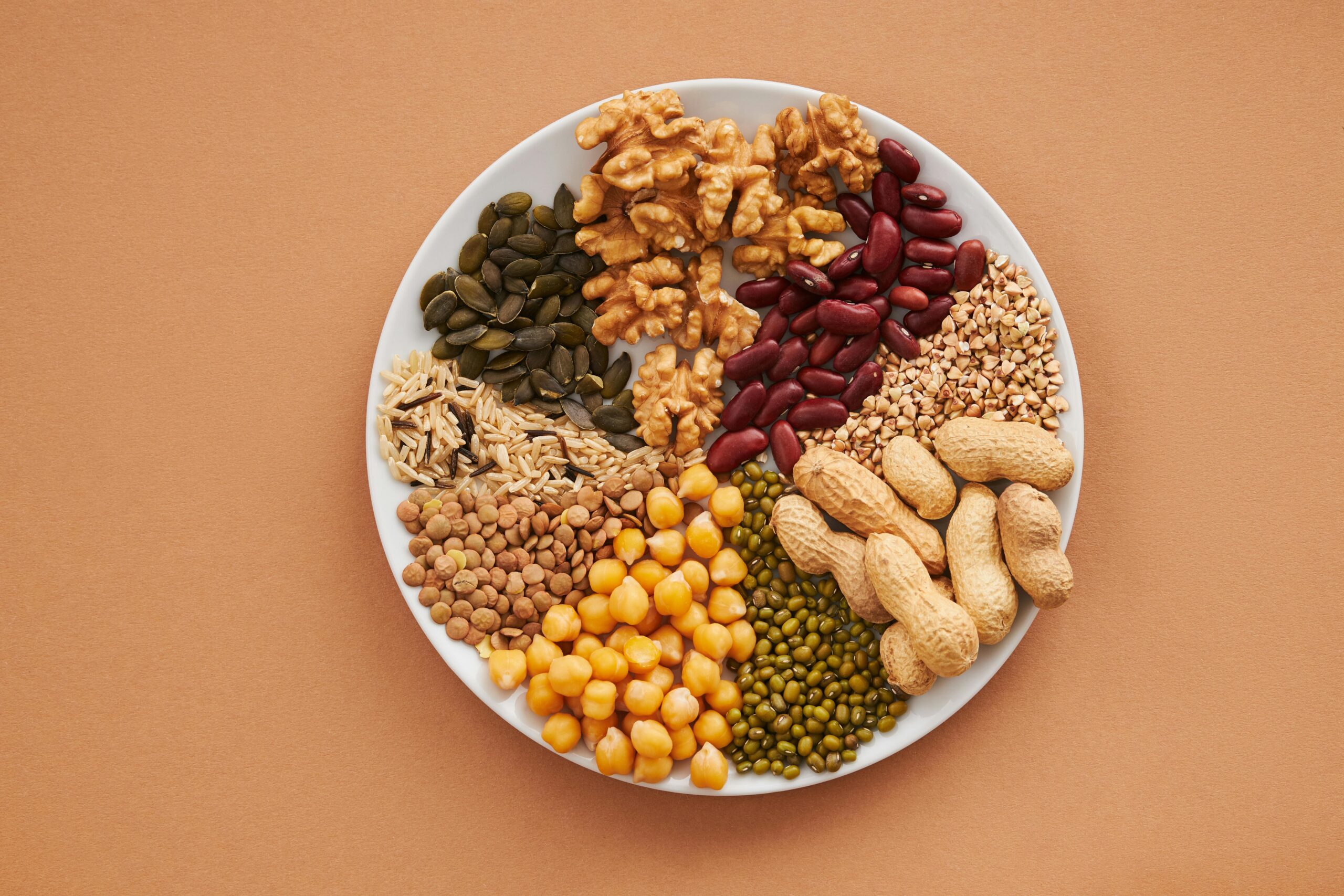
- Protein Power: cheese cubes, hard-boiled eggs, yogurt, nut butters, edamame, turkey roll-ups
- Whole Grain Goodness: whole wheat crackers, air-popped popcorn, granola bars, rice cakes, mini muffins
- Dips and Spreads: hummus, guacamole, yogurt dips, nut butters, cream cheese
- Fun Treats: dark chocolate chips, fruit leather, homemade cookies, frozen fruit bars
✨ The Psychology Behind Successful Snack Presentation
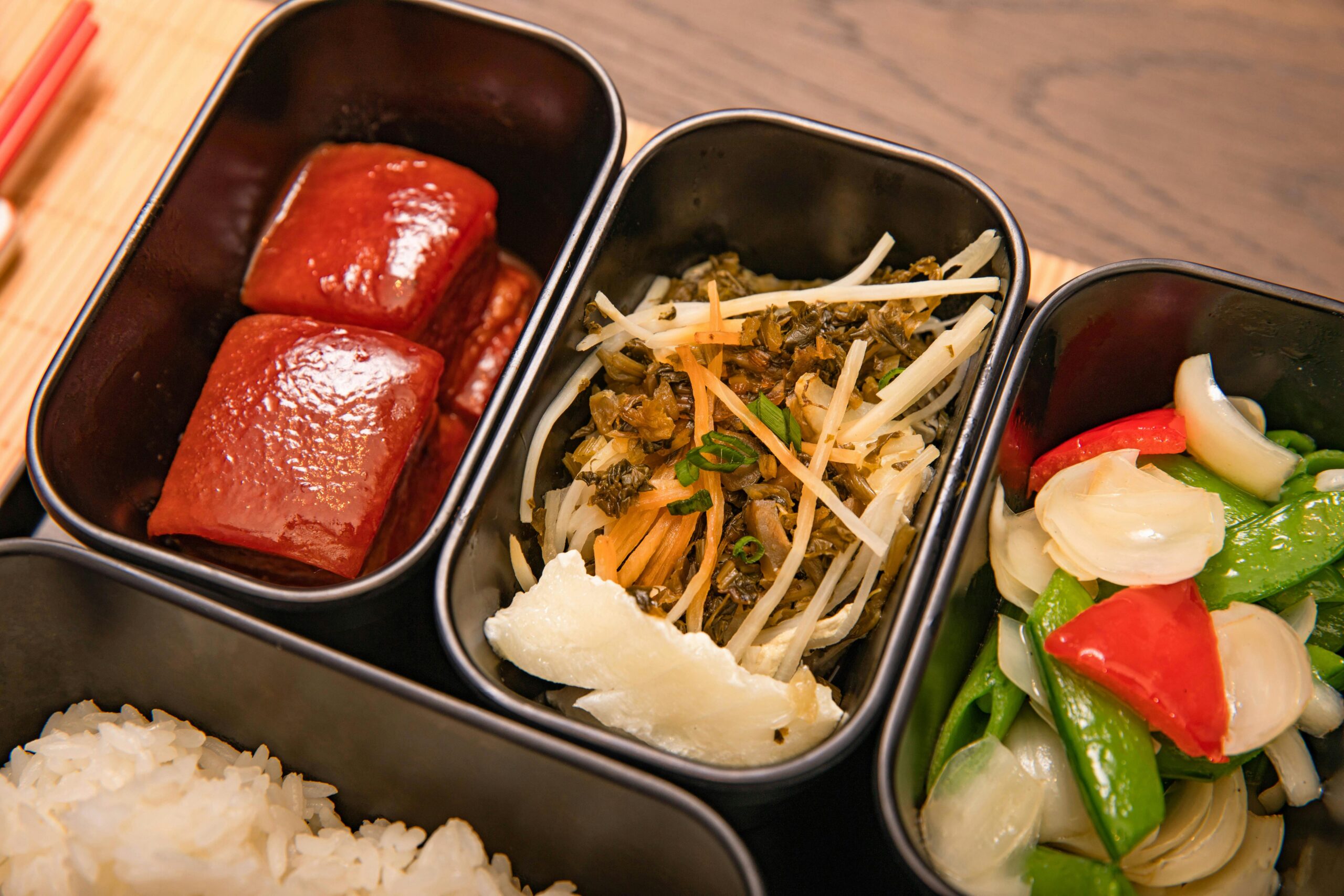
How you present snacks matters just as much as what you serve. Children eat with their eyes first, and creative presentation transforms ordinary snacks into exciting experiences. Cutting fruits and vegetables into fun shapes using cookie cutters, arranging foods into colorful patterns, or serving snacks in bento-style containers with compartments all increase appeal.
The element of choice also plays a crucial role. Instead of simply handing your child a pre-selected snack, offer two or three options from your rotation plan. This gives them ownership over their food choices while keeping you in control of the overall nutrition. The perceived autonomy reduces power struggles and increases consumption.
Timing matters too. Serve snacks when your child is genuinely hungry but not so ravenous that they’re cranky. For most children, this means mid-morning and mid-afternoon, with enough time before meals that appetite isn’t spoiled. Consistency in timing helps regulate blood sugar and establishes healthy eating patterns.
🍎 Fresh Ideas: Rotating Fruit Snacks Throughout the Week
Fruits provide natural sweetness that appeals to young palates while delivering essential vitamins and fiber. The key to successful fruit rotation lies in varying textures, colors, and preparation methods throughout the week.
Start your week with berries served in a fun cup with a toothpick for spearing. Tuesday might bring frozen banana slices that mimic ice cream. Wednesday features apple slices with a light sprinkle of cinnamon. Thursday offers orange segments, while Friday brings watermelon cubes with fresh mint. Weekend snacks can include fruit kabobs or smoothie bowls that children help prepare.
Seasonal Fruit Rotation Strategy
Aligning your fruit rotation with seasonal availability ensures maximum freshness, flavor, and affordability. Spring brings strawberries and cherries, summer offers berries and stone fruits, fall provides apples and pears, while winter highlights citrus fruits and pomegranates. This natural rotation also teaches children about seasons and where food comes from.
🥕 Vegetable Victory: Making Veggies Irresistible
Vegetables present the biggest challenge for picky eaters, but strategic rotation combined with clever preparation can win them over. The secret lies in pairing vegetables with appealing dips and varying preparation methods to highlight different flavors and textures.
Raw vegetables offer satisfying crunch that many children prefer over cooked versions. Create a rainbow rotation: Monday’s orange carrots, Tuesday’s red bell peppers, Wednesday’s yellow summer squash, Thursday’s green cucumbers, and Friday’s purple cabbage slices. The visual variety makes veggie time more exciting.
Dips transform vegetables from boring to brilliant. Rotate between hummus varieties (classic, roasted red pepper, garlic), ranch dressing (try making your own with Greek yogurt), guacamole, tzatziki, and nut-based dips. Children who won’t touch plain broccoli will often devour it when paired with their favorite dip.
💪 Protein-Packed Snacks That Satisfy and Sustain
Protein keeps children fuller longer and supports their growing bodies. Rotating protein sources throughout the week ensures they receive diverse amino acids and prevents boredom with any single option.
Start simple with cheese rotation: Monday brings string cheese, Tuesday offers cheese cubes with whole grain crackers, Wednesday features cream cheese on celery sticks, Thursday provides cottage cheese with fruit, and Friday brings quesadilla triangles. Each format feels different despite being the same basic ingredient.
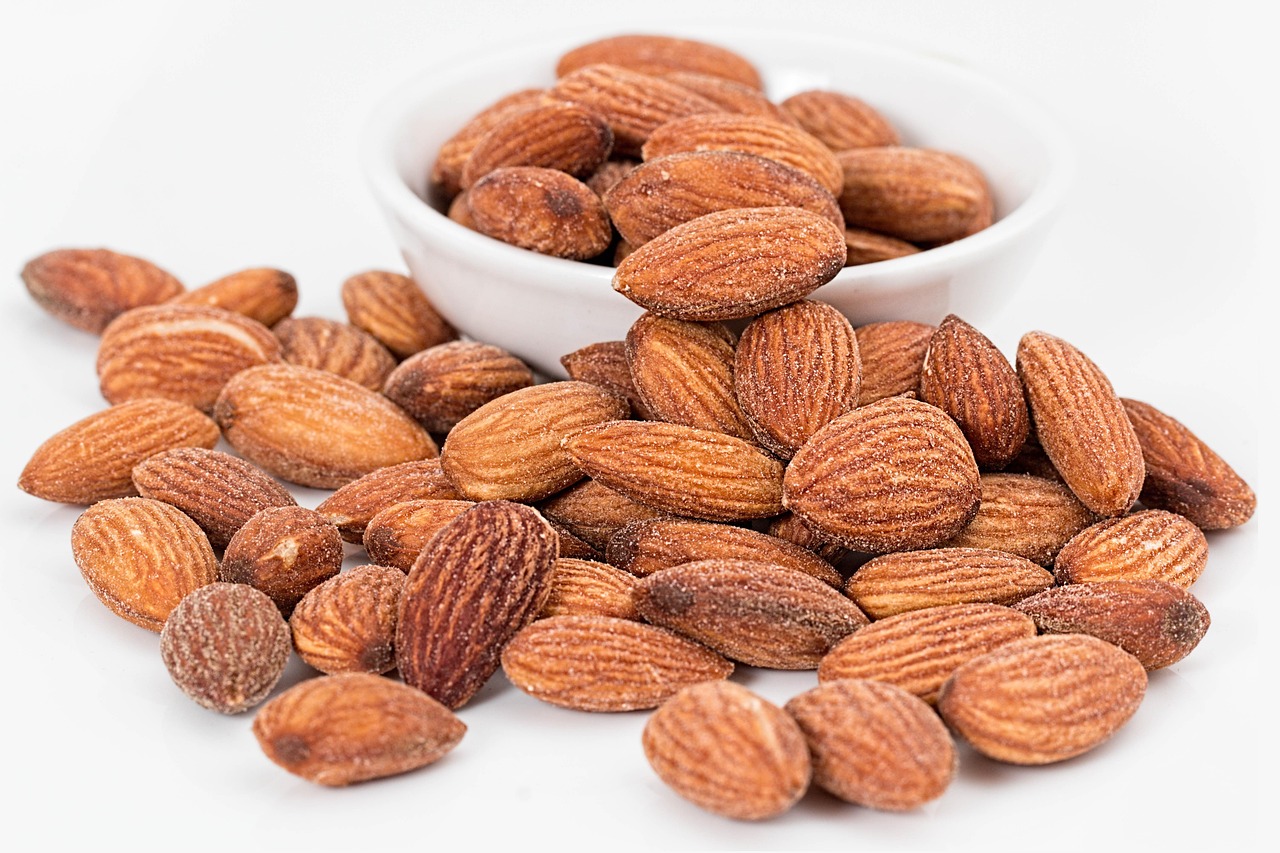
Nut and seed butters provide another versatile protein base. Spread almond butter on apple slices one day, sunflower seed butter on rice cakes another day, and peanut butter with banana on whole wheat toast a third day. If allergies are a concern, seed butters work wonderfully and offer similar nutrition.
Quick Protein Snack Ideas for Busy Days
- Hard-boiled eggs with a sprinkle of everything bagel seasoning
- Greek yogurt parfaits with granola and berries
- Turkey and cheese roll-ups with a side of cherry tomatoes
- Roasted chickpeas seasoned with different spices each week
- Mini egg muffins made in advance and frozen for quick reheating
- Edamame served warm with sea salt
🌾 Whole Grain Options That Add Substance
Whole grains provide sustained energy and important B vitamins. The rotation strategy here focuses on varying textures and flavors to keep interest high. Air-popped popcorn with different seasonings offers endless variety: try nutritional yeast for a cheesy flavor, cinnamon and a tiny drizzle of honey, or everything bagel seasoning.
Crackers come in numerous varieties that work in rotation. Monday might feature whole wheat crackers with cheese, Tuesday brings rice cakes with nut butter, Wednesday offers whole grain pretzels, Thursday provides oat-based crackers, and Friday brings homemade whole wheat mini muffins baked fresh over the weekend.
🎨 Theme Days Make Rotation Exciting
Adding themed snack days to your rotation creates anticipation and makes healthy eating fun. “Tropical Tuesday” might feature pineapple chunks and coconut flakes, while “Crunchy Thursday” highlights carrots, celery, and crispy chickpeas. “Rainbow Friday” challenges kids to eat snacks representing every color of the rainbow.
Shape-themed days work beautifully too. “Circle Monday” brings grape tomatoes, blueberries, and round crackers. “Stick Sunday” features carrot sticks, cheese sticks, and pretzel rods. These playful approaches make children excited about snack time and more willing to try new items that fit the theme.
📱 Using Technology to Track and Plan Your Rotation
Several apps can help you organize snack rotation, create shopping lists, and track which options your children prefer. Meal planning apps allow you to schedule snacks alongside meals for a comprehensive weekly view. Some apps even suggest recipes based on ingredients you already have, reducing waste and saving money.
Simple spreadsheets work wonderfully too if you prefer low-tech solutions. Create a chart with days of the week across the top and snack times down the side. Fill in your planned options, then note which items were hits and which were misses. Over time, you’ll identify patterns that help you optimize your rotation.
🛒 Smart Shopping Strategies for Snack Rotation Success
Effective snack rotation requires strategic shopping. Instead of buying large quantities of single items, purchase smaller amounts of diverse options. This approach costs roughly the same but provides much more variety. Shop your pantry and refrigerator before heading to the store to avoid duplicating items you already have.
Prep snacks immediately after shopping rather than waiting until you need them. Wash and cut fruits and vegetables, portion nuts and seeds into small containers, and prep any items that require cooking. This investment of time once weekly makes daily snack serving effortless and ensures you’ll stick with your rotation plan.
Weekly Snack Shopping List Template
- 3-4 different fresh fruits based on season
- 3-4 different vegetables for raw consumption
- 2 protein options (cheese, yogurt, eggs, deli meat)
- 2 types of whole grain crackers or similar items
- 2-3 dip varieties
- 1 nut or seed butter
- 1 special treat item
🔄 Adapting Your Rotation as Children Grow
Snack needs and preferences evolve as children develop. Toddlers require smaller portions and softer textures, while school-age children need more substantial snacks and can handle complex flavors. Teenagers often need larger portions and appreciate being involved in planning and preparation.
Reassess your rotation every few months. Remove items that consistently get rejected and introduce new options gradually. Research shows children may need to see a new food 10-15 times before accepting it, so don’t give up quickly on initially rejected items. Keep reintroducing them in different preparations or contexts.
🌟 Handling Special Dietary Needs Within Your Rotation
Food allergies, sensitivities, and dietary restrictions require modifications but don’t prevent successful snack rotation. The same principles apply: variety, presentation, and strategic planning. Gluten-free families can rotate rice crackers, corn-based snacks, and gluten-free oat options. Dairy-free households might rotate coconut yogurt, hummus, and nut-based options.
Children with multiple allergies benefit especially from rotation because it maximizes the variety available within their restrictions. Work with a pediatric nutritionist to ensure your rotation meets all nutritional needs while respecting dietary limitations.
💡 Troubleshooting Common Snack Rotation Challenges
Even the best-planned rotation encounters obstacles. When your child suddenly rejects a previously accepted snack, don’t force it. Simply move to the next option in your rotation and try the rejected item again in a week or two. Preferences fluctuate, especially during growth spurts or when children are feeling unwell.
If your child asks for the same snack repeatedly, allow it occasionally but gently redirect to rotation options most of the time. Explain that our bodies need different foods to stay strong and healthy, making variety a positive rather than a restriction. Consider incorporating their favorite item into a weekly “choice day” where they select from approved options.
Time constraints challenge many families. Prepare grab-and-go snack bags over the weekend containing portioned items from your rotation. These make weekday snacking effortless while maintaining variety. Even five minutes of weekend prep dramatically improves weekday compliance with your rotation plan.
🎉 Celebrating Success and Building Lifelong Habits
Snack rotation isn’t about perfection—it’s about progress. Celebrate small victories when your picky eater tries something new or requests a healthy option. Create a sticker chart where children earn rewards not for cleaning their plates, but for trying foods with an open mind. This positive reinforcement builds healthy relationships with food.
The ultimate goal extends beyond childhood. Teaching children to appreciate food variety, listen to their bodies, and view eating as both nourishing and enjoyable creates lifelong healthy habits. Your snack rotation system provides the foundation for these important lessons.
Remember that flexibility matters as much as structure. Some days will go perfectly according to plan, while others require improvisation. Both scenarios are fine. The overall pattern of variety and nutrition across weeks and months matters more than any single day’s choices.
Mastering snack rotation transforms daily struggles into opportunities for connection, learning, and nourishment. With planning, creativity, and patience, you can keep even the pickiest eaters happy, healthy, and excited about food. Start small, stay consistent, and watch as your children naturally expand their palates and develop positive food relationships that will serve them throughout their lives.