Packing school lunches day after day can feel overwhelming, but with a strategic snack rotation planner, you’ll transform this daily task into a streamlined, stress-free routine that keeps kids excited about their midday meal.

Every parent knows the Monday morning scramble: staring into the pantry, wondering what to pack that’s both nutritious and appealing to picky eaters. The repetitive nature of lunch preparation often leads to burnout, resulting in the same boring sandwiches and snacks week after week. But what if you could break free from this cycle with a simple planning system that makes healthy eating effortless while ensuring variety and nutrition? That’s exactly what a well-designed school snack rotation planner delivers—a practical framework that eliminates guesswork and brings joy back to lunchtime.
Why Your Family Needs a School Snack Rotation System 🎯
The average parent makes approximately 180 school lunches per child each academic year. Without a structured approach, this responsibility quickly becomes monotonous and mentally taxing. A rotation planner solves multiple problems simultaneously: it reduces decision fatigue, ensures nutritional balance, prevents food waste, and keeps children engaged with diverse options throughout the week.
Research shows that children who enjoy varied, balanced lunches demonstrate better concentration, improved academic performance, and healthier eating habits that extend into adulthood. When kids look forward to opening their lunch boxes, they’re more likely to actually eat what you’ve packed rather than trading items or tossing them in the trash.
Understanding the Foundation of Effective Snack Planning
Before diving into specific rotations, it’s essential to understand what makes a successful school snack. The ideal lunch box contains a balanced combination of protein, complex carbohydrates, healthy fats, and colorful fruits or vegetables. This nutritional trifecta provides sustained energy, prevents the afternoon slump, and supports growing bodies and developing brains.
The Five Food Groups Framework
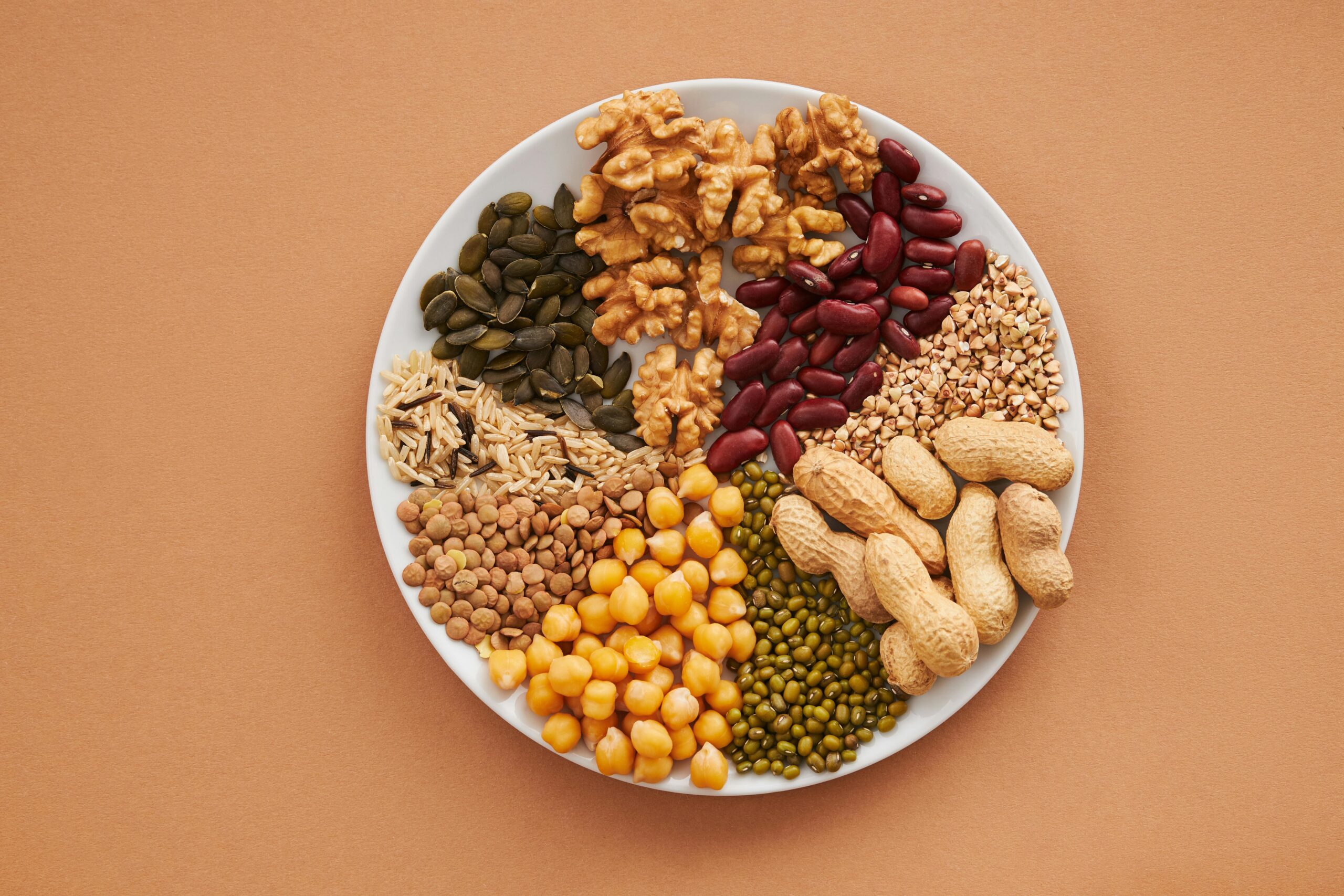
Building your rotation around five essential food groups simplifies planning while guaranteeing nutritional completeness. These categories include proteins (lean meats, eggs, legumes, dairy), whole grains (whole wheat bread, quinoa, oats), fruits (fresh, dried, or freeze-dried), vegetables (raw, roasted, or pickled), and healthy fats (nuts, seeds, avocado, olive oil-based dips).
Each lunch should feature at least three of these five groups, with four or five being optimal. This approach naturally creates variety while ensuring your child receives essential nutrients throughout the day.
Creating Your Master Snack Rotation Calendar 📅
The most effective rotation planners operate on a three to four-week cycle. This timeframe provides enough variety to prevent boredom while remaining manageable for busy parents. Shorter cycles become repetitive too quickly, while longer rotations can feel overwhelming to maintain.
Start by designating theme days that align with your family’s preferences and schedule. For example, Monday might be “Mini Monday” featuring bite-sized portions, Tuesday could be “Wrap Tuesday” with various tortilla-based options, Wednesday becomes “Wholesome Wednesday” with whole grain focus, Thursday transforms into “Themed Thursday” celebrating different cuisines, and Friday celebrates with “Fun Friday” featuring interactive or special treat items.
Week One Sample Rotation
Monday can feature whole grain crackers with cheese cubes, cherry tomatoes, apple slices with almond butter, and a small homemade oat cookie. Tuesday’s wrap might include turkey, hummus, shredded carrots and lettuce in a whole wheat tortilla, paired with cucumber slices, strawberries, and a yogurt tube. Wednesday brings a quinoa salad with chickpeas and colorful vegetables, whole grain pretzels, orange segments, and a hard-boiled egg.
Thursday introduces international flavors with mini whole wheat pita pockets, tzatziki dip, bell pepper strips, grapes, and a granola bar. Friday finishes strong with whole grain pasta salad featuring vegetables and mozzarella, sugar snap peas, watermelon cubes, and a special homemade muffin.
Strategic Shopping: Stocking Your Rotation Pantry 🛒
Success with any meal planning system depends heavily on maintaining a well-stocked pantry and refrigerator. Create a master shopping list organized by food category that supports your entire rotation cycle. This prevents last-minute grocery runs and ensures you always have suitable options available.
Your pantry should include whole grain crackers, rice cakes, popcorn kernels, nut or seed butters, whole grain pasta, canned beans, dried fruits, nuts and seeds (if allowed at school), and healthy granola. The refrigerator needs cheese varieties, yogurt, hummus, fresh vegetables pre-cut for convenience, seasonal fruits, lean deli meats, eggs, and homemade dips or spreads.
Batch Preparation Strategies
Dedicate two hours on Sunday afternoon to batch preparation, and you’ll breeze through the entire week. Hard-boil a dozen eggs, wash and cut vegetables into snack-sized portions, prepare a large batch of whole grain muffins or energy balls, cook grains like quinoa or pasta for salads, and portion out individual servings of items like hummus, guacamole, or yogurt into small containers.
This upfront investment dramatically reduces daily lunch-packing time from 20-30 minutes to just 5-10 minutes per lunch box. Many parents find they can pack an entire week’s worth of lunches on Sunday evening, storing them in the refrigerator ready to grab each morning.
Accommodating Dietary Restrictions and Allergies 🌱
Modern classrooms often include students with various dietary needs, from nut allergies to gluten sensitivities, vegetarian preferences, or lactose intolerance. A flexible rotation planner easily adapts to accommodate these requirements without compromising nutrition or variety.
For nut-free schools, substitute seed butters like sunflower or pumpkin seed butter, which provide similar nutritional benefits and creamy textures. Gluten-free families can use rice crackers, corn tortillas, gluten-free bread alternatives, or naturally gluten-free whole grains like quinoa and rice. Dairy-free options include coconut yogurt, cashew cheese, nutritional yeast for a cheesy flavor, and plant-based milk alternatives.
Building an Allergy-Friendly Rotation
Create parallel tracks within your rotation system that automatically substitute allergen-free options. For instance, if your standard Monday features almond butter, the allergy-friendly version uses sunflower seed butter. If Tuesday’s wrap includes dairy cheese, swap in hummus or mashed avocado for creaminess and protein.
Engaging Kids in the Planning Process 👨👩👧👦
Children who participate in lunch planning are significantly more likely to eat what’s packed. Involve your kids by creating a visual rotation chart displayed on the refrigerator where they can see what’s coming throughout the week. This builds anticipation and reduces mealtime negotiations.
Give children age-appropriate choices within the framework you’ve established. Younger kids might choose between carrot sticks or cucumber slices, while older children can select which type of sandwich or wrap they prefer from approved options. This autonomy fosters healthy decision-making skills while keeping parents in control of nutritional quality.
The Power of Presentation
Never underestimate how visual appeal influences eating behavior, especially with children. Invest in compartmentalized lunch containers that make foods look organized and appetizing. Use cookie cutters to create fun shapes from sandwiches, cheese, or watermelon. Add colorful silicone cupcake liners to separate different items and create visual interest.
Occasionally include a simple note or drawing in the lunch box—these small gestures make lunchtime feel special and show your child you’re thinking of them during the school day. Some parents rotate through themed napkins or stickers that align with their child’s current interests.
Seasonal Rotation Adjustments 🍂☀️
Your snack rotation should evolve with the seasons, taking advantage of fresh, affordable produce while adapting to temperature changes that affect food safety and appeal. Summer rotations can include refreshing items like watermelon, berries, cucumber, and cold pasta salads, while winter calls for heartier options like warm soup in thermoses, roasted vegetables, and warming spices.
Fall brings apples, pears, and pumpkin-based treats, while spring introduces strawberries, snap peas, and baby carrots. Shopping seasonally not only improves flavor and nutrition but also reduces costs, making healthy eating more budget-friendly throughout the year.
Budget-Conscious Planning Without Sacrificing Quality 💰
Healthy school lunches don’t require expensive specialty items or organic everything. Strategic planning actually reduces food costs by preventing waste and eliminating impulse purchases. Buy staple items in bulk, choose store brands for basics, and prioritize organic purchases for the “Dirty Dozen” produce items with highest pesticide residues while buying conventional for the “Clean Fifteen.”
Homemade versions of popular snack items cost a fraction of pre-packaged alternatives. Granola bars, energy balls, muffins, and crackers are surprisingly simple to make in large batches and freeze for future use. Not only are these options more economical, but you also control ingredients, reducing added sugars, sodium, and artificial additives.
Smart Substitutions That Save Money
Replace expensive pre-cut vegetables and fruits with whole produce you cut yourself—this simple change can save hundreds of dollars annually. Buy whole blocks of cheese and cube them instead of purchasing pre-cubed varieties that cost double. Make your own trail mix by combining bulk nuts, seeds, and dried fruit rather than buying premium blends.
Troubleshooting Common Rotation Challenges 🔧
Even the best-planned rotation encounters obstacles. Perhaps your child repeatedly returns a specific item uneaten, or maybe food safety concerns arise with certain ingredients. Address these issues promptly by maintaining open communication with your child about their preferences while standing firm on nutritional non-negotiables.
If sandwiches consistently come home uneaten, explore alternative delivery systems like wraps, bento-style arrangements, or deconstructed versions where children assemble their own combinations. When vegetables are ignored, try different preparation methods—raw carrots might be rejected while roasted carrots disappear, or vice versa.
The Returned Lunch Dilemma
When lunches repeatedly come home barely touched, resist the urge to pack only guaranteed favorites like crackers and fruit snacks. Instead, implement a “one bite rule” where children must try everything packed before deciding they don’t like it. Gradually introduce new items alongside established favorites, and remember that food preferences evolve—something rejected last month might become this month’s favorite.
Leveraging Technology for Planning Success 📱
Digital tools can streamline your rotation planning process significantly. Numerous meal planning apps allow you to save favorite lunch combinations, generate shopping lists automatically, and set reminders for batch preparation days. Some platforms even offer nutritional analysis to ensure your rotations meet dietary guidelines.
Create a digital photo album of successful lunch boxes that your child enjoyed. When you’re stuck for ideas or need to recreate a hit combination, simply reference your visual library. This approach is particularly helpful when multiple family members share lunch-packing responsibilities.
Building Flexibility Into Your System ✨
While structure is valuable, rigidity leads to stress when life inevitably throws curveballs. Build flexibility into your rotation by maintaining a “backup lunch” list of five super-simple combinations you can throw together in under three minutes with pantry staples. These rescue options prevent the panic of discovering you forgot to grocery shop or ran out of a key ingredient.
Your backup lunches might include sunflower seed butter and banana on whole wheat bread with carrots and grapes, cheese and whole grain crackers with apple slices and cherry tomatoes, or hummus with pita, cucumber, and strawberries. Keep these components constantly stocked so you’re never caught without options.
Celebrating Success and Staying Motivated 🌟
Maintaining any new system requires acknowledgment of progress and celebration of wins. At the end of each month, reflect on what worked well in your rotation. Did your child try new foods? Did mornings feel less chaotic? Did you reduce food waste or save money on groceries? Recognizing these victories reinforces your commitment to the system.
Connect with other parents facing similar challenges through school groups, online communities, or social media. Sharing ideas, swapping rotation schedules, and troubleshooting together creates accountability and inspiration. Many parents find that friendly competition—like who can create the most colorful lunch box—adds an element of fun to the process.
Transitioning From Planning to Effortless Routine
The ultimate goal of implementing a school snack rotation planner isn’t just surviving lunch preparation—it’s transforming this daily necessity into an effortless routine that supports your child’s health and your family’s wellbeing. After consistently following your rotation for three to four weeks, you’ll notice the process becomes automatic, requiring minimal mental energy.
Your child will develop healthier eating patterns, broader taste preferences, and positive associations with nutritious foods. Meanwhile, you’ll reclaim time and mental space previously consumed by decision-making and last-minute scrambling. The compound benefits of this systematic approach extend far beyond lunchtime, influencing overall family nutrition, reducing meal-related stress, and modeling planning skills your children will carry into adulthood.
Start small if the full rotation system feels overwhelming. Begin with planning just Monday through Wednesday, using Thursday and Friday as flexible days. As the partial rotation becomes comfortable, extend it to cover the full week. Remember that perfection isn’t the goal—consistency and progress matter far more than flawless execution. Your school snack rotation planner is a living system that will evolve with your family’s changing needs, preferences, and schedules, providing a sustainable framework for stress-free, healthy lunches throughout the entire school year and beyond.