Snacking doesn’t have to be a guilty pleasure or a nutritional afterthought. With strategic planning and mindful choices, your daily snacks can become powerful allies in maintaining energy levels, supporting your health goals, and satisfying those cravings in delicious ways.

The secret to successful snacking lies in preparation and balance. When you plan ahead, you eliminate the temptation of reaching for processed foods and instead create opportunities to nourish your body with wholesome, satisfying options that keep you energized throughout the day.
🎯 Understanding the Foundation of Balanced Snacking
Before diving into calendar planning, it’s essential to understand what makes a snack truly balanced. The best snacks combine macronutrients—protein, healthy fats, and complex carbohydrates—to provide sustained energy rather than the quick spike and crash associated with sugary treats.
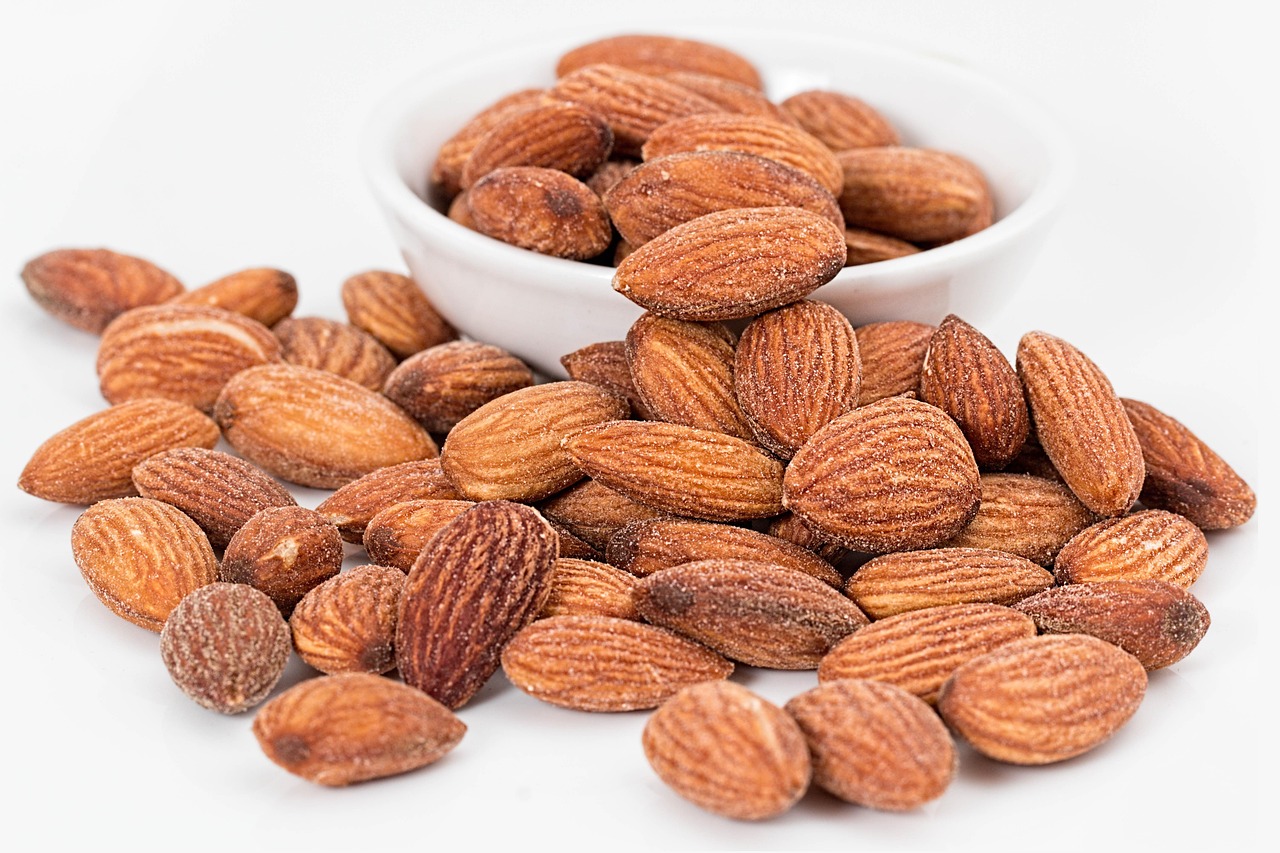
A balanced snack typically contains between 150-250 calories and includes at least two of the three macronutrient groups. This combination ensures steady blood sugar levels, prolonged satiety, and optimal nutrient absorption. Think apple slices with almond butter, Greek yogurt with berries, or whole-grain crackers with hummus.
The Three Pillars of Perfect Snacking
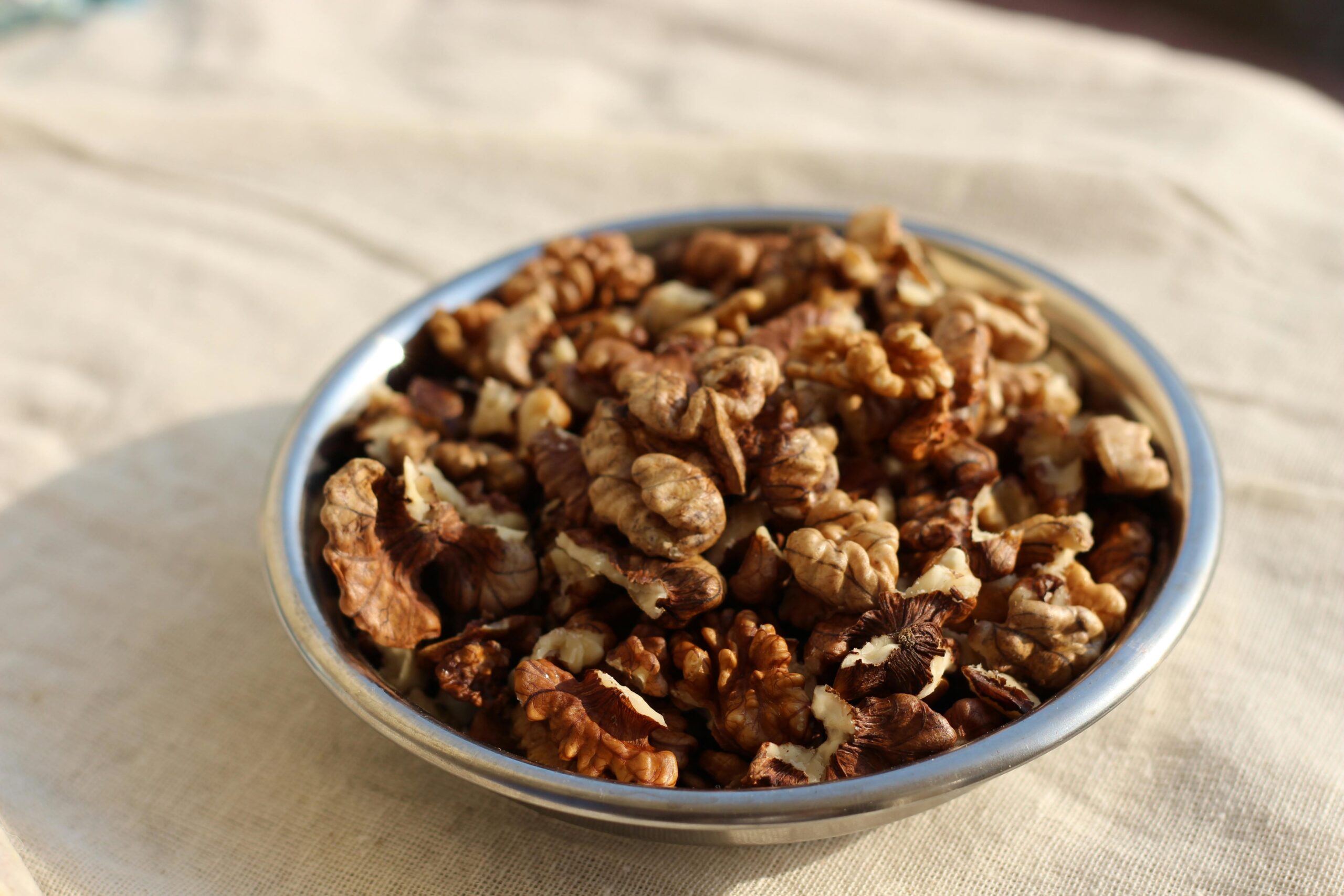
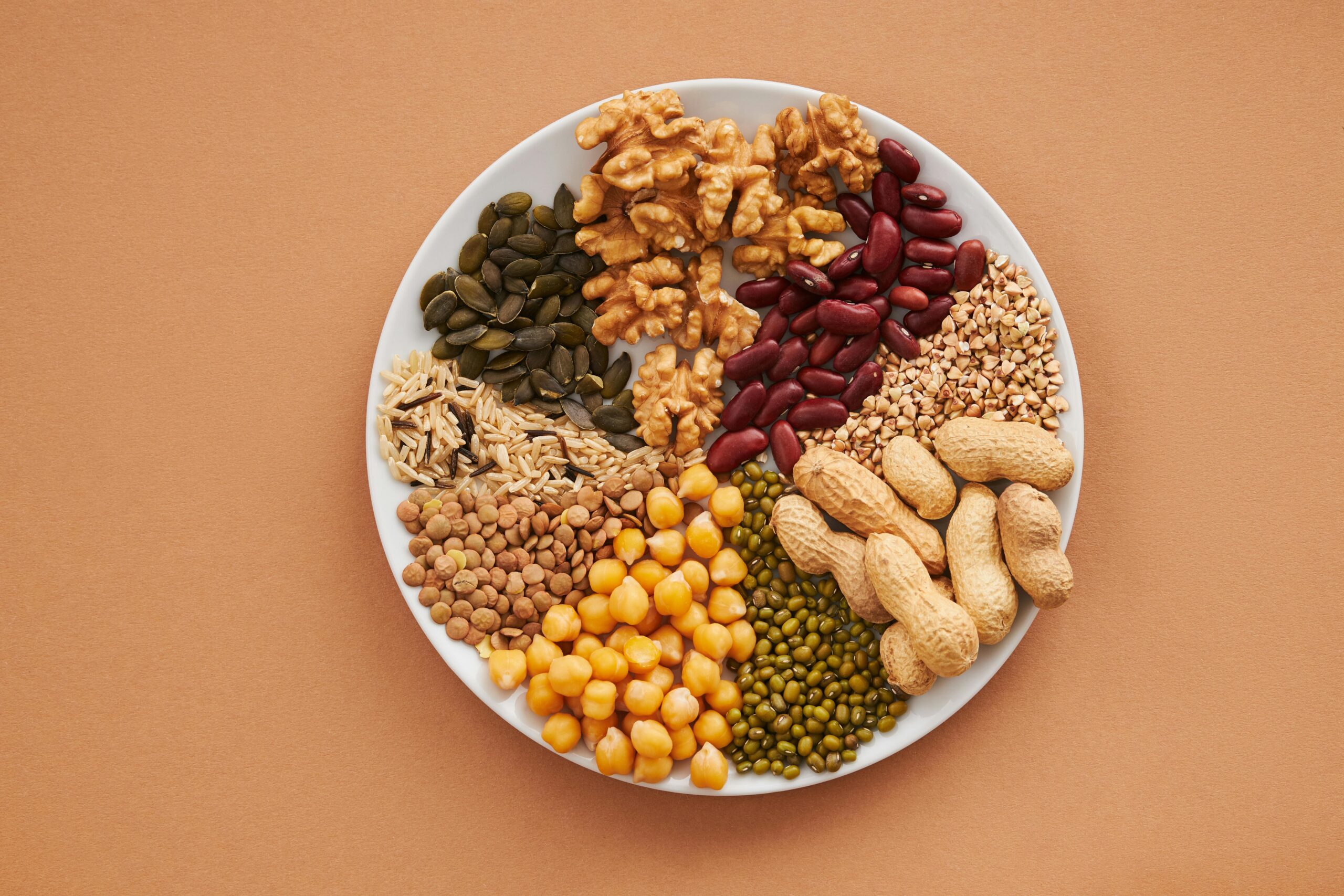
Protein serves as the building block that keeps you feeling full and supports muscle maintenance. Sources like nuts, seeds, Greek yogurt, cottage cheese, and hard-boiled eggs make excellent snack foundations. Aim for at least 5-10 grams of protein per snack.
Healthy fats contribute to satiety and help your body absorb fat-soluble vitamins. Avocados, nuts, seeds, olive oil, and nut butters provide these essential nutrients while adding rich flavor and creamy textures to your snacks.
Complex carbohydrates offer fiber and sustained energy release. Whole fruits, vegetables, whole grains, and legumes provide the fuel your body needs without causing dramatic blood sugar fluctuations.
📅 Creating Your Weekly Snack Planning Calendar
A structured snack calendar eliminates decision fatigue and ensures variety in your diet. By planning snacks alongside meals, you create a comprehensive nutrition strategy that supports your overall wellness goals throughout the week.
Begin by assessing your weekly schedule. Identify times when you typically feel hungry between meals, noting whether these are active periods requiring more substantial snacks or sedentary moments calling for lighter options. Most people benefit from 2-3 planned snacks daily.
Monday to Friday: Workweek Warrior Snacks
Weekdays often demand convenient, portable options that travel well and don’t require refrigeration or preparation. Planning these in advance ensures you’re never caught unprepared during busy workdays.
Morning Snack Ideas (10-11 AM): This snack bridges the gap between breakfast and lunch, preventing mid-morning energy slumps. Greek yogurt parfaits with granola, overnight oats in mason jars, or smoothie bowls provide substantial nutrition that sustains you until lunchtime.
Afternoon Snack Ideas (3-4 PM): Combat the afternoon slump with protein-rich options. Trail mix with dark chocolate, vegetable sticks with guacamole, or cheese cubes with whole-grain crackers deliver the energy boost needed to finish your workday strong.
Weekend Snacking: Freedom with Structure
Weekends offer more flexibility and time for snack preparation. Use this opportunity to try new recipes, batch-prep snacks for the coming week, and enjoy more elaborate options that weekdays don’t accommodate.
Saturday and Sunday snacks can include homemade energy balls, baked vegetable chips, fruit kabobs with yogurt dip, or even small portions of healthy baked goods. The extra time available allows for creativity while maintaining nutritional balance.
🥗 Theme-Based Snack Planning for Variety
Organizing your snack calendar by themes prevents monotony and ensures nutritional diversity. Thematic planning also simplifies grocery shopping by grouping similar ingredients together.
Mediterranean Monday
Embrace Mediterranean-inspired snacks featuring olives, feta cheese, whole-grain pita, hummus, cucumber slices, cherry tomatoes, and tzatziki. These ingredients provide heart-healthy fats, probiotics, and vibrant flavors that transport your taste buds to coastal Greece.
Tropical Tuesday
Incorporate tropical fruits like mango, pineapple, papaya, and coconut into your snacks. Pair them with coconut yogurt, macadamia nuts, or chia seed pudding for an exotic twist that delivers vitamin C, digestive enzymes, and healthy fats.
Protein-Packed Wednesday
Dedicate midweek to high-protein options that combat midweek fatigue. Hard-boiled eggs, turkey roll-ups, edamame, protein smoothies, and cottage cheese bowls provide the sustained energy needed to power through the week.
Comfort Food Thursday
Enjoy healthier versions of comfort favorites like baked sweet potato fries, air-popped popcorn with nutritional yeast, whole-grain toast with avocado, or dark chocolate-covered almonds. These satisfy cravings while maintaining nutritional integrity.
Fresh Friday
Celebrate the approaching weekend with fresh, crisp snacks. Vegetable crudités with various dips, fresh fruit salads, cucumber sandwiches, or spring rolls filled with vegetables and shrimp offer refreshing options that feel celebratory.
📱 Digital Tools for Snack Planning Success
Technology can streamline your snack planning process, making it easier to track nutrition, discover new recipes, and maintain consistency. Several apps help organize meal and snack schedules while providing nutritional information.
Meal planning apps allow you to schedule snacks alongside main meals, create shopping lists automatically, and access thousands of healthy snack recipes. Many include calorie counters and macro trackers to ensure your snacks align with your nutritional goals.
🛒 Strategic Grocery Shopping for Snack Success
Your snack calendar is only as good as the ingredients in your kitchen. Strategic grocery shopping ensures you always have balanced snack components available, preventing impulsive unhealthy choices.
Organize your shopping list by store sections and snack themes. Keep a running list on your phone throughout the week, adding items as you finish them. This prevents last-minute store runs and ensures you’re never without healthy options.
Pantry Staples for Every Snack
Stock your pantry with shelf-stable snack foundations: raw nuts and seeds, nut butters, whole-grain crackers, dried fruits without added sugar, canned beans, olive oil, and dark chocolate. These items form the backbone of countless snack combinations.
Fresh Items to Replenish Weekly
Purchase fresh produce, dairy, and proteins weekly. Prioritize seasonal fruits and vegetables for optimal flavor and nutrition. Greek yogurt, cottage cheese, hummus, and fresh vegetables typically last 5-7 days, aligning perfectly with weekly planning cycles.
🍎 Seasonal Snack Calendar Adjustments
Adapting your snack calendar to seasonal availability ensures maximum freshness, flavor, and nutritional value while supporting local agriculture and reducing environmental impact.
Spring Snacking
Spring brings strawberries, asparagus, snap peas, radishes, and artichokes. Create snacks featuring strawberry caprese skewers, roasted asparagus with lemon, snap peas with herb dip, or artichoke hearts with hummus.
Summer Selections
Summer’s abundance includes berries, stone fruits, tomatoes, cucumbers, and peppers. Watermelon feta bites, peach with cottage cheese, gazpacho shots, cucumber sandwiches, and stuffed mini peppers celebrate summer’s bounty.
Autumn Abundance
Fall offers apples, pears, pumpkin, sweet potatoes, and pecans. Apple nachos with almond butter, pear with blue cheese, pumpkin hummus with vegetables, baked sweet potato rounds, and cinnamon roasted pecans embrace autumn flavors.
Winter Warmth
Winter calls for citrus fruits, pomegranates, root vegetables, and warming spices. Orange segments with almonds, pomegranate yogurt bowls, roasted root vegetable chips, and spiced nuts provide comfort during colder months.
⏰ Timing Your Snacks for Maximum Benefits
When you eat matters almost as much as what you eat. Strategic snack timing supports metabolism, energy levels, and workout performance while preventing overeating at main meals.
Space snacks 2-3 hours after meals and 1-2 hours before the next meal. This timing maintains steady blood sugar levels without interfering with appetite for nutritious main meals. Pre-workout snacks should emphasize carbohydrates for energy, while post-workout options should focus on protein for recovery.
🏋️ Activity-Based Snack Adjustments
Your activity level should influence snack quantity and composition. Sedentary days require fewer calories than active ones, and exercise timing affects optimal snack choices.
On workout days, include an additional snack approximately one hour before exercise, combining easily digestible carbohydrates with a small amount of protein. Think banana with peanut butter or toast with honey. Post-workout snacks should emphasize protein within 30-60 minutes of finishing exercise.
👨👩👧👦 Family-Friendly Snack Planning
Planning snacks for the entire family requires balancing individual preferences, dietary restrictions, and nutritional needs across different ages. Creating a family snack calendar ensures everyone’s needs are met while simplifying preparation.
Involve family members in snack selection and preparation. Children who help choose and prepare snacks are more likely to eat them enthusiastically. Designate one weekly time for family snack prep, turning it into a bonding activity while teaching valuable nutrition skills.
Kid-Approved Healthy Snacks
Children respond well to fun presentations and familiar flavors with healthy twists. Ants on a log (celery with peanut butter and raisins), fruit kabobs, yogurt tubes, cheese and crackers, and smoothie popsicles appeal to young palates while delivering nutrition.
💰 Budget-Conscious Snack Planning
Healthy snacking doesn’t require expensive specialty ingredients. Strategic planning and smart shopping keep snack costs manageable while maintaining nutritional quality.
Buy in bulk when possible, especially for nuts, seeds, and whole grains. These items have long shelf lives and cost significantly less per serving when purchased in larger quantities. Prepare snacks from whole ingredients rather than buying pre-packaged options, which carry convenience premiums.
Seasonal produce costs less and tastes better than out-of-season items. Frozen fruits and vegetables offer year-round accessibility at lower prices while retaining nutritional value. Hard-boiled eggs, hummus, and homemade trail mix provide affordable protein and satisfaction.
🔄 Batch Preparation for Busy Lives
Dedicating one or two hours weekly to snack preparation eliminates daily decision-making and ensures healthy options are always grab-and-go ready. This investment saves time throughout the week and prevents unhealthy convenience choices.
Wash and portion vegetables immediately after grocery shopping. Prepare energy balls, muffins, or granola bars in batches, freezing extras for later weeks. Pre-portion nuts, seeds, and dried fruits into small containers or bags. Cook hard-boiled eggs for the week and prepare overnight oats in individual servings.
🌟 Mindful Snacking Practices
How you eat matters as much as what you eat. Mindful snacking practices enhance satisfaction, improve digestion, and prevent overeating by helping you tune into genuine hunger and fullness cues.
Sit down while snacking rather than eating on the go or while distracted. Put snacks on a plate instead of eating from packages, which makes portion sizes visible. Chew thoroughly and eat slowly, allowing time for satiety signals to reach your brain. Ask yourself whether you’re truly hungry or seeking food for emotional reasons.
📊 Tracking Progress and Making Adjustments
Your perfect snack calendar evolves as your needs, preferences, and circumstances change. Regular assessment ensures your plan continues serving you effectively.
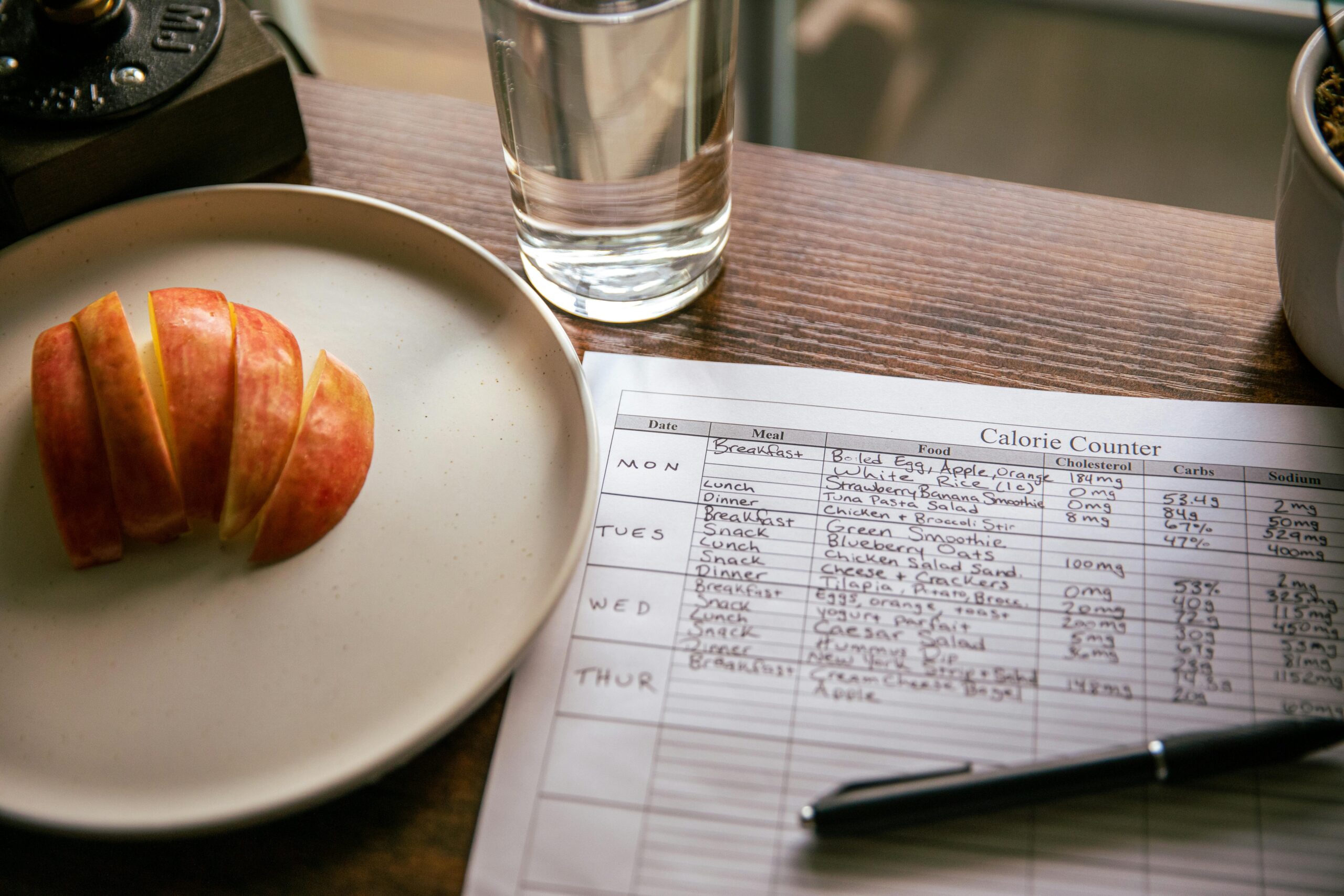
Keep a simple snack journal for two weeks, noting which snacks satisfied you, which left you still hungry, and which you genuinely enjoyed. Notice patterns around timing, portion sizes, and flavor preferences. Use these insights to refine your calendar quarterly.
🎉 Celebrating Special Occasions Without Derailing
Special occasions deserve celebration, and your snack calendar can accommodate treats while maintaining overall balance. Plan for special occasion snacks by slightly reducing portions at other times or adding extra activity.
When you know a celebration is approaching, don’t compensate by restricting beforehand, which often leads to overeating. Instead, enjoy special treats mindfully, savoring each bite, then return to your regular snack schedule without guilt or compensatory restriction.
🌈 Building Your Personalized Snack Calendar Template
Create a reusable template that reflects your lifestyle, preferences, and goals. Include spaces for morning, afternoon, and optional evening snacks across all seven days. Note shopping lists, prep tasks, and any special considerations like travel or social events.
Review and update your template monthly, rotating favorite snacks to prevent boredom while maintaining the structure that supports your success. Your perfect snack calendar becomes a living document that grows with you, supporting your health journey one delicious, balanced bite at a time.
With thoughtful planning, balanced choices, and flexible structure, snacking transforms from a potential nutritional pitfall into a powerful tool for maintaining energy, supporting health goals, and finding joy in nourishing your body throughout every day. Your snack calendar isn’t about restriction or perfection—it’s about creating a sustainable, enjoyable approach to eating well that fits seamlessly into your real life.