Every year, millions of tons of perfectly good food end up in landfills, while our grocery bills keep climbing. It’s time to break this wasteful cycle and embrace a smarter approach to snacking and meal planning that benefits both your wallet and the planet.

Food waste has become one of the most pressing environmental and economic challenges of our time. According to recent studies, the average household throws away nearly 30% of the food they purchase. This isn’t just about wasted money—it’s about the resources, energy, and labor that went into producing, transporting, and storing that food. But here’s the good news: with the right strategies and a calendar-based approach, you can dramatically reduce waste while enjoying delicious snacks and meals throughout the entire year.
🌱 Understanding the True Cost of Food Waste
Before diving into solutions, it’s essential to recognize what we’re up against. Food waste occurs at every level of the supply chain, but household waste represents a significant portion of the problem. When we throw away food, we’re not just discarding the item itself—we’re wasting all the water, energy, and resources used to grow, process, package, and transport it.
The financial impact is equally staggering. The average family of four loses approximately $1,500 annually to uneaten food. Imagine what you could do with that extra money in your budget. Beyond the monetary aspect, rotting food in landfills produces methane, a greenhouse gas far more potent than carbon dioxide, contributing significantly to climate change.
📅 The Calendar Approach: Your Year-Round Strategy
The secret to cutting food waste lies in strategic planning aligned with the seasons. A calendar-based approach helps you buy what’s fresh, abundant, and affordable while ensuring you use everything you purchase. This method transforms how you think about shopping, storing, and snacking throughout the year.
Winter Wisdom: December through February ❄️
Winter months present unique challenges and opportunities for smart snacking. Root vegetables like carrots, parsnips, and sweet potatoes are at their peak and store beautifully for weeks. Citrus fruits flood the market, offering vitamin C-rich snacks perfect for cold weather. Stock up on these seasonal stars and incorporate them into your rotation.
During winter, focus on preservation techniques like freezing and proper cold storage. Leftover holiday foods can be transformed into creative snacks rather than discarded. That turkey can become protein-packed snack wraps, while cranberry sauce pairs beautifully with cheese boards for weeks after the festivities end.
Spring Renewal: March through May 🌸
As the weather warms, fresh greens and herbs emerge. Spring is the perfect time to start planning ahead for abundance. Asparagus, peas, strawberries, and early lettuce varieties become available. These items are best consumed fresh but can also be preserved through blanching and freezing for future snacking.
Create a spring snack rotation that includes fresh vegetable sticks with homemade dips, strawberry-based treats, and herb-infused waters. Plan your shopping trips around weekly harvests to ensure maximum freshness and minimal waste. Remember, the fresher you buy, the longer items last in your refrigerator.
Summer Bounty: June through August ☀️
Summer brings overwhelming abundance—and with it, the greatest risk of waste. Berries, stone fruits, tomatoes, cucumbers, and peppers arrive in massive quantities. This is when your calendar system becomes most crucial. Plan to buy smaller quantities more frequently, or master preservation techniques to capture summer’s flavors for year-round enjoyment.
Frozen fruit makes exceptional smoothie bases and healthy ice pop alternatives. Dehydrate excess produce to create chips and dried fruit snacks. Pickle cucumbers and peppers for crunchy, probiotic-rich snacks that last months. The key is having systems in place before the abundance arrives, preventing the overwhelming scramble that leads to waste.
Autumn Harvest: September through November 🍂
Fall transitions us back toward heartier fare. Apples, pears, squash varieties, and late-season berries dominate markets. This season naturally encourages batch cooking and preservation as we prepare for winter. Apple slices with nut butter, roasted squash seeds, and pear chips become staple snacks.
Use autumn to audit your preservation efforts from summer and spring. What worked? What didn’t? Adjust your calendar planning for the following year based on these insights. This continuous improvement approach ensures each year becomes more efficient and waste-free than the last.
🎯 Smart Shopping Strategies for Every Season
Your calendar is only as effective as your shopping habits. Implementing smart purchasing strategies dramatically reduces waste before items even enter your home. Start by creating a master list of seasonal produce for your region—this becomes your shopping bible throughout the year.
Shop your refrigerator and pantry first. Before adding anything to your shopping list, assess what you already have. Plan snacks and meals around these existing items, preventing them from spoiling while reducing unnecessary purchases. This simple habit can cut your grocery bill by 20-30% immediately.
Embrace imperfect produce. Many stores now offer “ugly” fruits and vegetables at discounted prices. These items are nutritionally identical to their prettier counterparts and perfect for snacking, especially when cut up or blended. By purchasing these items, you’re preventing waste at the retail level while saving money.
🥕 Storage Solutions That Actually Work
Even the best calendar planning fails without proper storage. Different foods require different conditions to maximize shelf life. Understanding these nuances transforms how long your snacks stay fresh and delicious.
Invest in quality storage containers with proper sealing mechanisms. Glass containers work beautifully for cut vegetables and fruits, keeping them crisp and visible—the visibility factor is crucial because we eat what we see. Produce languishing in opaque bags at the back of the refrigerator inevitably becomes waste.
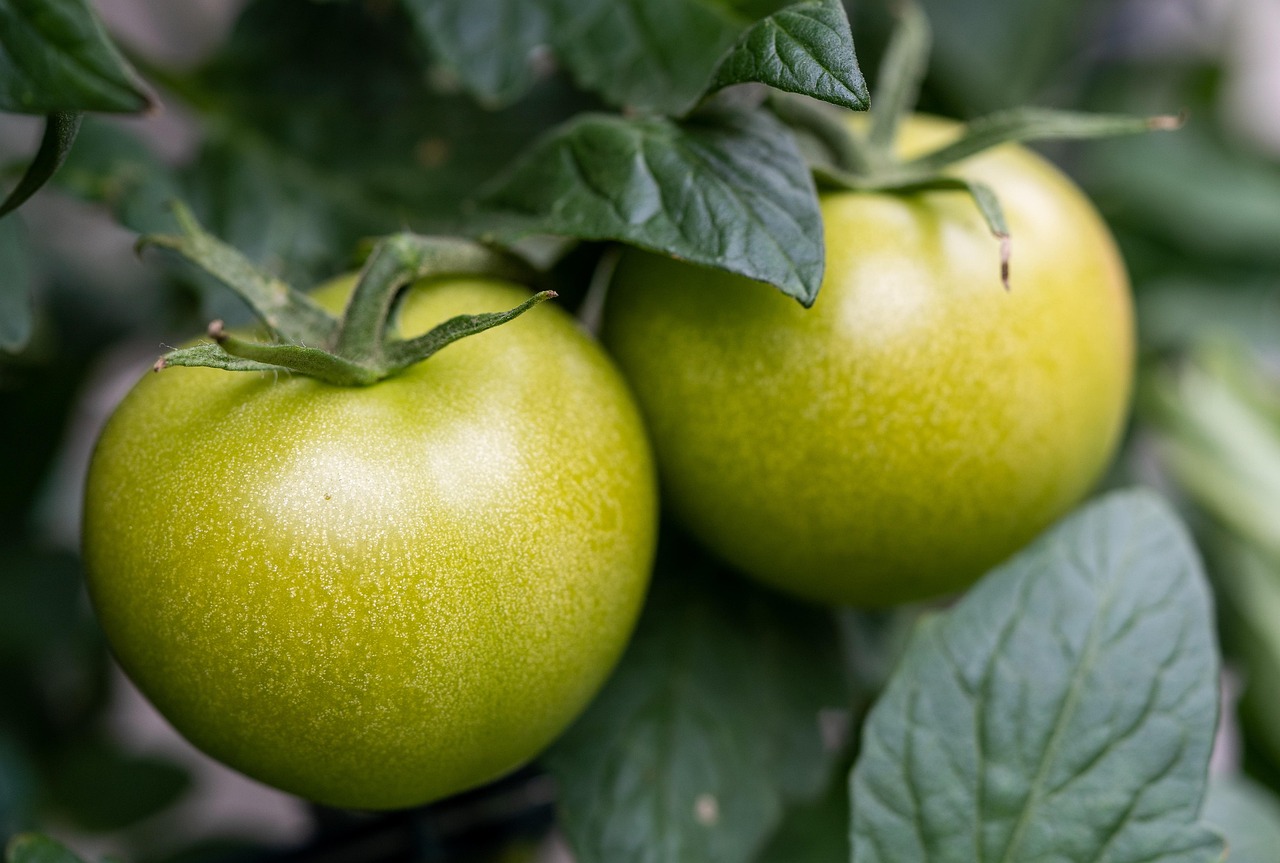
Learn the ethylene gas secret. Some fruits and vegetables produce ethylene gas as they ripen, which accelerates the ripening (and subsequent spoiling) of other produce nearby. Keep ethylene producers like apples, bananas, and tomatoes separate from ethylene-sensitive items like leafy greens, berries, and broccoli.
The Refrigerator Zone System
Organize your refrigerator into zones based on temperature and humidity needs. The crisper drawers maintain higher humidity, perfect for leafy vegetables and herbs. The main shelves work best for prepared snacks, dairy products, and items that need cool but not cold temperatures. The door, being the warmest area, should house condiments and items less sensitive to temperature fluctuations.
Create a “use first” section in your refrigerator. Designate one easily visible shelf or container for items approaching their peak freshness. Check this section first when looking for snacks, ensuring nothing goes to waste through simple neglect.
🍎 Prep Once, Snack All Week
The meal prep revolution extends beautifully to snacking. Dedicating one or two hours weekly to snack preparation dramatically reduces waste while making healthy choices convenient. When nutritious snacks are grab-and-go ready, we’re less likely to let fresh produce spoil while reaching for processed alternatives.
Wash and cut vegetables immediately after grocery shopping. Portion them into individual containers with accompanying dips or hummus. This simple step transforms raw produce from a chore into a convenience food, dramatically increasing consumption rates and reducing waste.
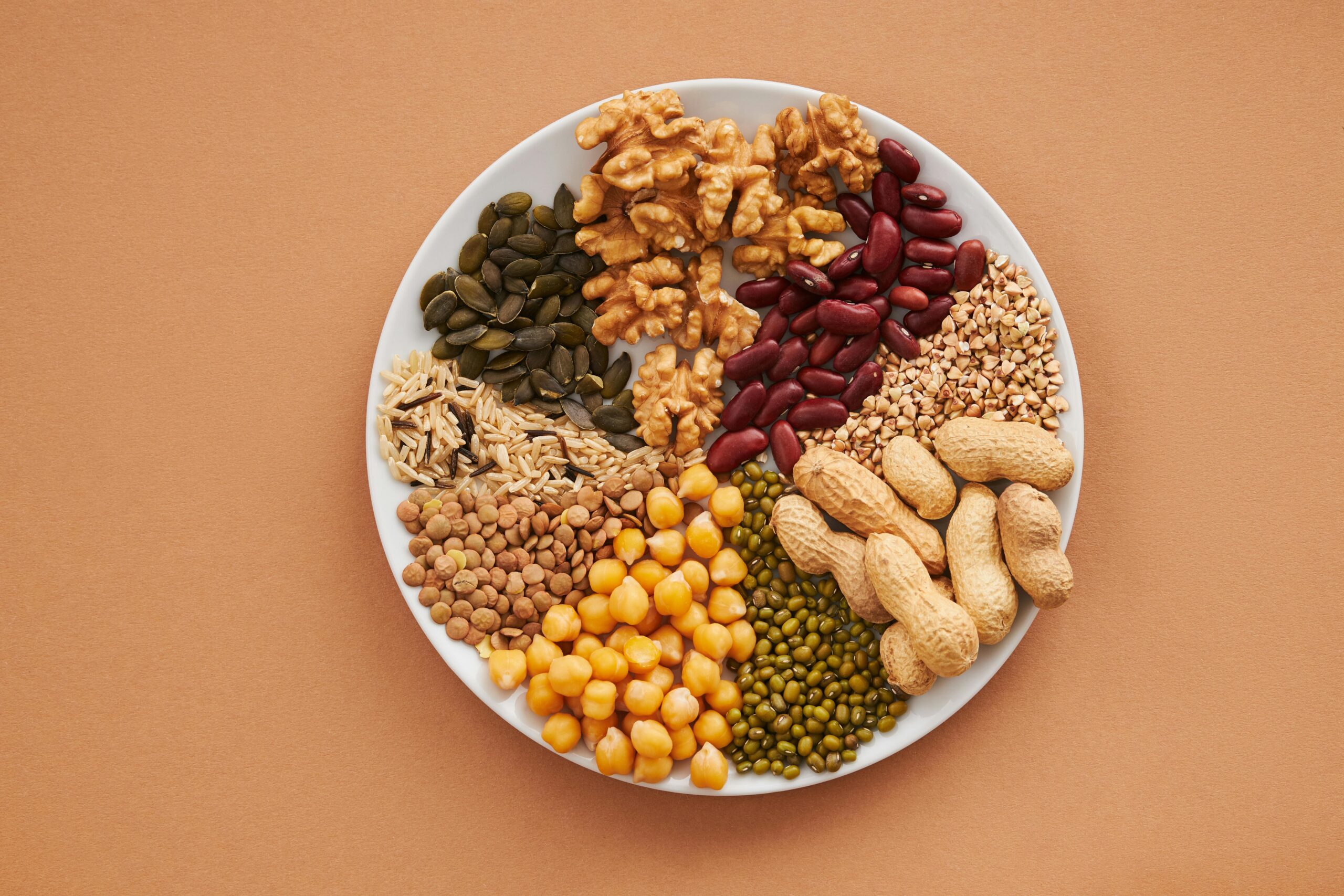
Prepare snack boxes for the week ahead. Combine nuts, dried fruits, cheese cubes, and whole grain crackers into portioned containers. These become emergency snacks that prevent both food waste and poor food choices when hunger strikes unexpectedly.
♻️ Transforming “Waste” into Delicious Opportunities
Redefining what constitutes waste opens up a world of snacking possibilities. Vegetable scraps, fruit peels, and seemingly past-prime produce often have delicious second lives waiting to be discovered.
Overripe bananas become the base for energy balls, smoothies, or banana ice cream. Brown-spotted berries transform into compotes, sauces, or dried fruit leather. Vegetable scraps create flavorful broths that serve as soup bases or cooking liquids, extracting every last bit of nutrition and flavor from your purchases.
Citrus peels can be candied, dried for tea, or zested and frozen for future baking projects. Apple peels and cores make excellent homemade apple cider vinegar or pectin for jams. Herb stems infuse oils and vinegars with robust flavors. The key is viewing these items as ingredients rather than waste products.
📱 Technology Tools for Waste Reduction
Modern technology offers powerful allies in the fight against food waste. Numerous apps help track inventory, plan meals based on what you have, and alert you when items approach expiration dates. These digital tools complement your calendar approach, providing real-time assistance when you need it most.
Inventory management apps let you photograph and catalog pantry and refrigerator contents, creating searchable databases of what you have on hand. Recipe apps suggest dishes based on ingredients you need to use, turning potential waste into culinary inspiration. Some apps even connect you with neighbors to share excess produce, building community while reducing waste.
🌍 The Ripple Effect of Smarter Snacking
When you commit to cutting food waste through calendar-based planning and smarter snacking, the benefits extend far beyond your household. You’re participating in a global movement toward sustainability and conscious consumption. Every meal planned, every vegetable scrap repurposed, and every piece of fruit saved from the trash contributes to meaningful change.
Your efforts reduce demand for resource-intensive food production, lower greenhouse gas emissions from landfills, and support more sustainable agricultural practices through your purchasing decisions. When you buy seasonal, local produce at peak freshness, you’re voting with your wallet for farming practices that work with nature rather than against it.
Children and family members watching your waste-reduction efforts learn valuable lessons about resourcefulness, environmental stewardship, and creative problem-solving. These lessons compound over generations, creating lasting cultural shifts toward sustainability.
💡 Building Your Personalized Waste-Free Calendar
Creating your ultimate food waste calendar starts with understanding your household’s unique patterns, preferences, and challenges. Track your current waste for two weeks, noting what gets thrown away and why. This data reveals your specific problem areas and opportunities for improvement.
Build your calendar around your local growing seasons. Research what’s harvested in your region each month, then plan your snacking and shopping accordingly. Connect with local farmers’ markets to get firsthand information about availability and peak freshness periods.
Include reminders for preservation activities during abundance periods. Schedule time in June to freeze berries, in September to can tomatoes, and in October to make applesauce. These calendar entries transform overwhelming abundance into manageable projects that provide snacks for months.
🎉 Celebrating Success and Staying Motivated
Reducing food waste is a journey, not a destination. Celebrate small victories along the way—the week you used every vegetable, the month your trash output decreased, or the moment you realized you haven’t bought processed snacks in weeks because your homemade options are so good.
Track your financial savings as motivation. Many people find that reducing food waste by just 50% saves $50-100 monthly—that’s $600-1,200 annually that can fund other priorities. Document these savings and reward yourself for milestones achieved.
Share your journey with friends and family. The accountability and community support make the process more enjoyable and sustainable long-term. Exchange tips, recipes, and surplus produce with like-minded individuals, building a support network for waste-free living.
🚀 Your Next Steps Toward Waste-Free Snacking
Start small but start today. Choose one strategy from this article to implement this week. Perhaps it’s creating that “use first” section in your refrigerator, or maybe it’s planning this weekend’s snack prep session. Success builds on itself—one small change leads to another, and before you know it, waste-free snacking becomes second nature.
Remember that perfection isn’t the goal; progress is. Some weeks will be better than others, and that’s completely normal. What matters is the overall trajectory toward less waste, better nutrition, and more mindful consumption. Your calendar becomes a living document, evolving with your needs, seasons, and growing expertise.
The ultimate calendar to cut food waste and savor every bite all year long isn’t something you buy—it’s something you create through consistent attention, seasonal awareness, and commitment to doing better. Armed with these strategies, you’re ready to transform your relationship with food, turning waste into abundance and guilt into satisfaction. The planet, your wallet, and your taste buds will thank you for every conscious choice you make along this delicious, sustainable journey.