Embracing a plant-forward lifestyle doesn’t mean you have to go fully vegan or vegetarian overnight. It’s about making intentional choices that prioritize nutrient-dense plant foods while still allowing flexibility in your diet. This approach not only benefits your health but also supports environmental sustainability.

The journey toward better nutrition can feel overwhelming with conflicting information everywhere you turn. From trendy diets to influencer recommendations, it’s easy to lose sight of what truly matters: balanced, whole-food nutrition that nourishes your body and respects the planet. That’s where a comprehensive plant-forward balance checklist becomes your most valuable tool.
🌱 Understanding the Plant-Forward Philosophy
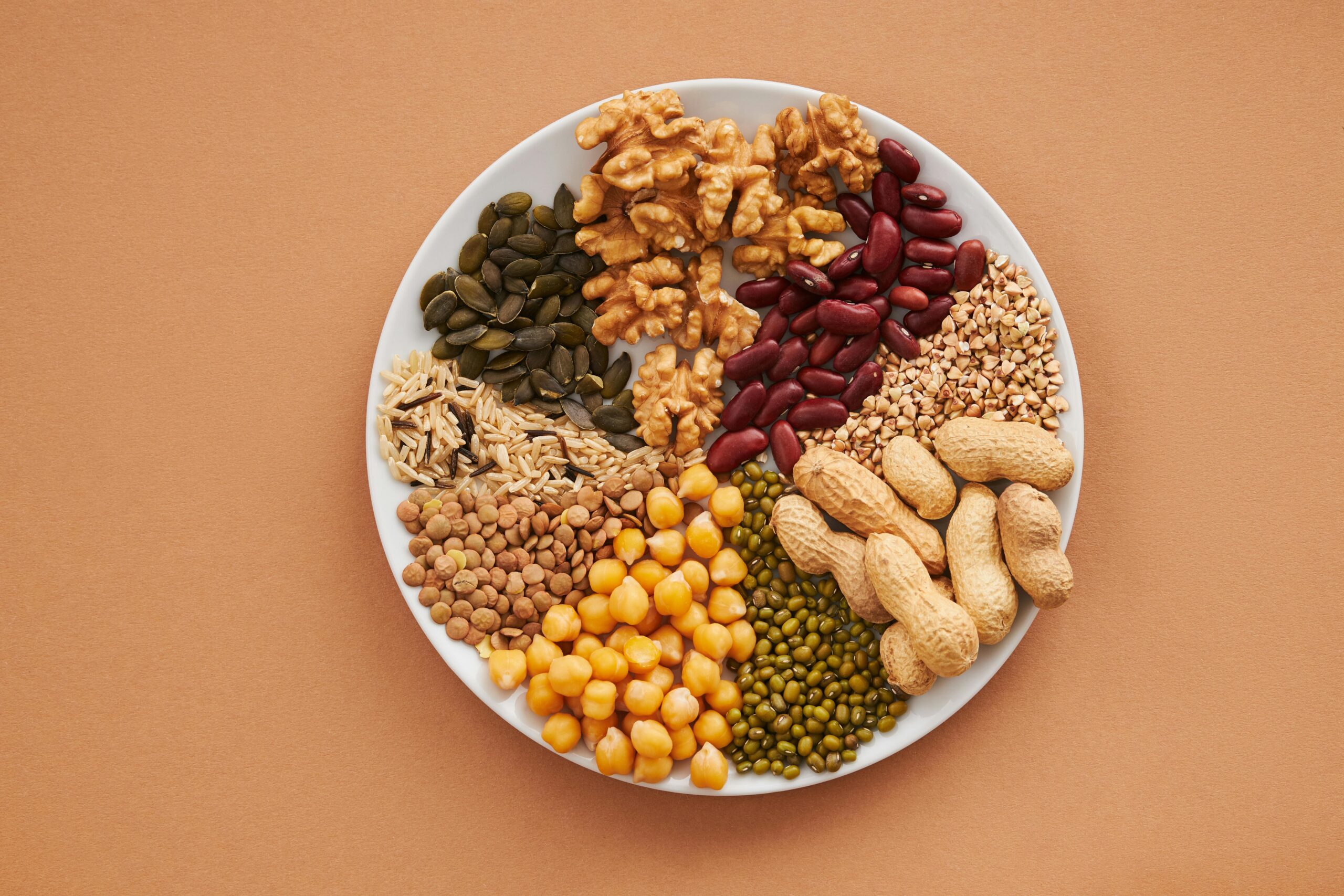
Plant-forward eating isn’t about restriction—it’s about abundance. This nutritional approach emphasizes vegetables, fruits, whole grains, legumes, nuts, and seeds as the foundation of your meals, with animal products playing a supporting role when desired. Unlike strict dietary labels, this flexible framework adapts to your individual needs, preferences, and health goals.
Research consistently demonstrates that plant-forward diets reduce the risk of chronic diseases including heart disease, type 2 diabetes, and certain cancers. The fiber, antioxidants, and phytonutrients abundant in plant foods work synergistically to support optimal health. Additionally, shifting toward more plant-based meals significantly reduces your carbon footprint, making it one of the most impactful personal choices for environmental conservation.
Building Your Foundation: Essential Nutrient Categories
Mastering plant-forward nutrition requires understanding the key nutrient categories your body needs daily. Each plays a distinct role in maintaining health, energy, and vitality throughout your life.
Protein Power Without the Meat-Centric Mindset
Contrary to popular belief, meeting your protein needs on a plant-forward diet is remarkably straightforward. Legumes like lentils, chickpeas, and black beans provide substantial protein alongside fiber and minerals. Tofu, tempeh, and edamame deliver complete proteins with all essential amino acids. Quinoa, hemp seeds, and nutritional yeast round out your plant-based protein arsenal.
Aim for approximately 0.8 grams of protein per kilogram of body weight daily, adjusting upward if you’re particularly active. Spreading protein intake throughout the day optimizes muscle protein synthesis more effectively than consuming large amounts in a single meal.
Complex Carbohydrates: Your Body’s Preferred Fuel
Whole grains like brown rice, oats, farro, and barley provide sustained energy without the blood sugar spikes associated with refined carbohydrates. These foods supply B vitamins essential for energy metabolism and fiber that supports digestive health. Sweet potatoes, butternut squash, and other starchy vegetables offer similar benefits with additional vitamin A and potassium.
The key is choosing minimally processed carbohydrates that retain their natural fiber content. This slows digestion, promotes satiety, and supports stable blood sugar levels throughout the day.
Healthy Fats for Hormone Balance and Nutrient Absorption
Plant-based fats from avocados, nuts, seeds, and olive oil support brain function, hormone production, and the absorption of fat-soluble vitamins A, D, E, and K. Including small amounts of healthy fats with meals enhances the bioavailability of nutrients like beta-carotene from carrots and lycopene from tomatoes.
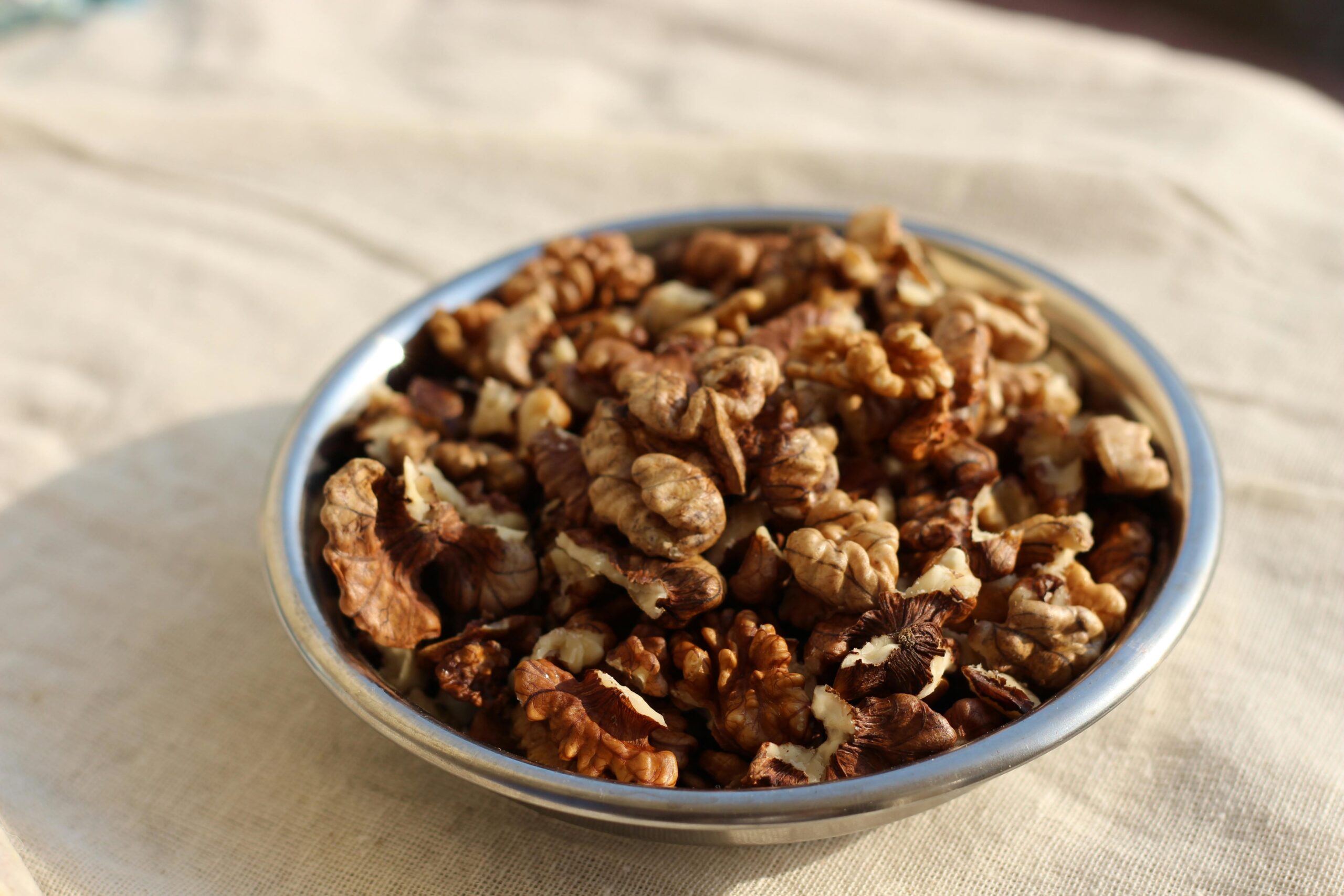
Focus on omega-3 fatty acids from walnuts, flaxseeds, chia seeds, and hemp seeds to support cardiovascular and cognitive health. These essential fats cannot be produced by your body and must come from dietary sources.
🥗 Your Ultimate Plant-Forward Balance Checklist
Use this comprehensive checklist daily to ensure you’re meeting your nutritional needs while embracing variety and flexibility. Think of it as your personalized nutrition roadmap rather than rigid rules.
Daily Nutrition Essentials
- At least 5 servings of colorful vegetables (emphasize dark leafy greens, cruciferous vegetables, and colorful options)
- 2-3 servings of whole fruits (prioritize berries and vitamin C-rich options)
- 3-4 servings of whole grains or starchy vegetables
- 2-3 servings of legumes, tofu, tempeh, or other plant proteins
- 1-2 servings of nuts or seeds
- 1-2 tablespoons of healthy oils or whole food fat sources
- 8-10 glasses of water or hydrating beverages
- Optional: small amounts of dairy, eggs, or animal proteins if desired
Weekly Nutrition Goals
- Consume at least 30 different plant foods throughout the week for optimal microbiome diversity
- Include fermented foods like sauerkraut, kimchi, tempeh, or plant-based yogurt 3-4 times weekly
- Eat the rainbow—ensure your plate includes red, orange, yellow, green, blue/purple, and white/tan foods
- Incorporate sea vegetables or iodized salt for iodine
- Include vitamin B12-fortified foods or supplements (essential for plant-forward eaters)
- Get adequate vitamin D through sun exposure, fortified foods, or supplementation
Critical Nutrients Requiring Special Attention
While plant-forward diets offer numerous health advantages, certain nutrients deserve particular attention to ensure you’re meeting all your nutritional needs without deficiencies.
Vitamin B12: The Non-Negotiable Supplement
Vitamin B12 exists primarily in animal products, making supplementation or consumption of fortified foods essential for those eating predominantly plant-based. Deficiency can lead to fatigue, neurological issues, and anemia. Adults should aim for at least 2.4 micrograms daily through supplements or fortified plant milks, nutritional yeast, and breakfast cereals.
Iron Absorption Optimization
Plant-based iron (non-heme iron) is less readily absorbed than iron from animal sources, but strategic eating habits dramatically improve absorption. Consume iron-rich foods like lentils, spinach, and quinoa alongside vitamin C sources such as bell peppers, citrus fruits, or tomatoes. Avoid drinking tea or coffee with iron-rich meals, as these beverages contain compounds that inhibit absorption.
Calcium Beyond Dairy
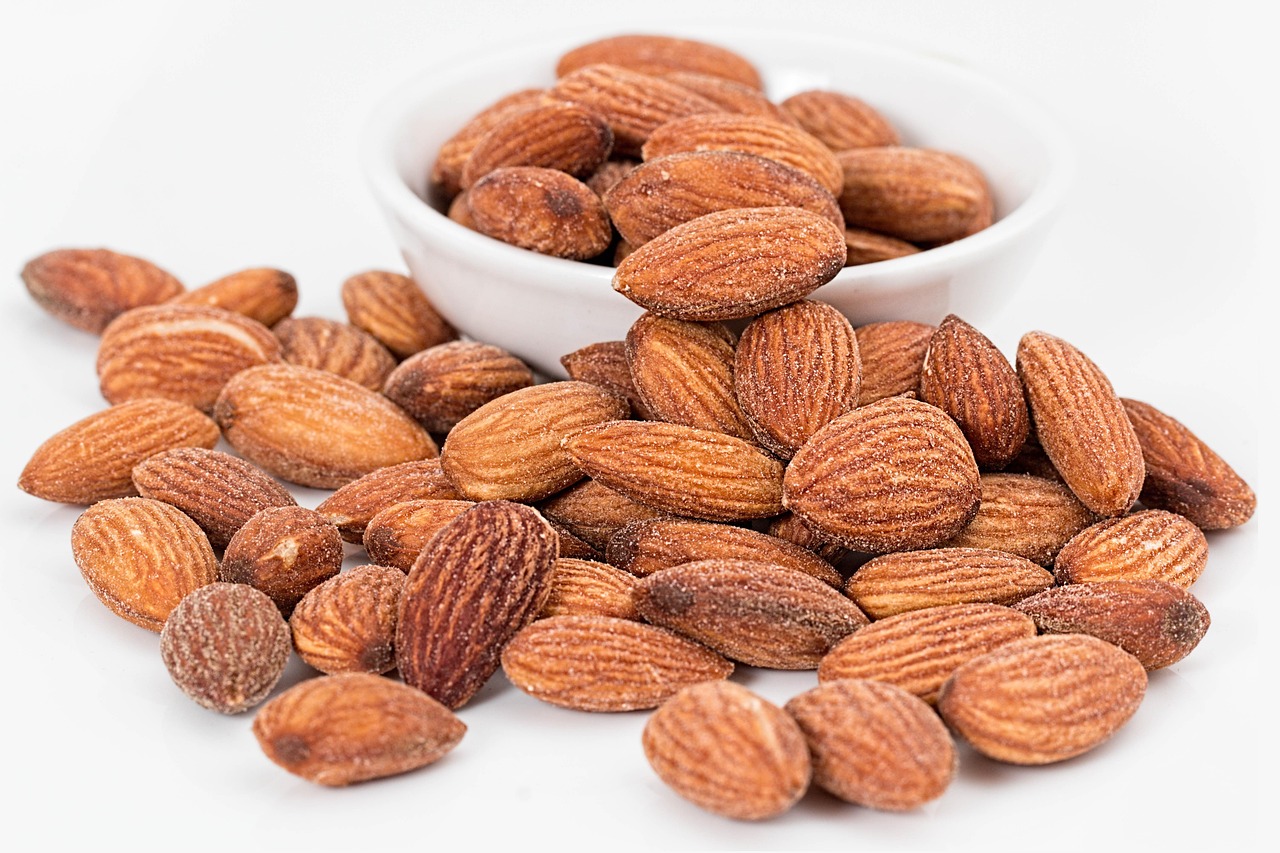
Fortified plant milks, tofu prepared with calcium sulfate, tahini, almonds, and dark leafy greens like collards and bok choy provide substantial calcium. Adults need approximately 1,000-1,200 milligrams daily depending on age and gender. Vitamin D enhances calcium absorption, making adequate levels of both nutrients essential for bone health.
Omega-3 Fatty Acids for Brain and Heart Health
While plant sources provide ALA omega-3s, your body must convert these to the more active forms EPA and DHA—a process that’s relatively inefficient. Consider an algae-based omega-3 supplement providing 250-500 milligrams of combined EPA and DHA daily, especially if you don’t consume fish regularly.
🍽️ Practical Meal Planning Strategies
Theoretical knowledge means little without practical application. These strategies transform your plant-forward checklist into delicious, satisfying meals that nourish your body and delight your taste buds.
The Power Plate Method
Visualize your plate divided into quarters: fill half with non-starchy vegetables, one quarter with whole grains or starchy vegetables, and one quarter with protein-rich legumes or plant-based proteins. Add a small portion of healthy fats, and you’ve created a nutritionally balanced meal without complicated calculations.
Batch Cooking for Success
Dedicate a few hours weekly to preparing staples: cook large batches of grains, roast vegetables, prepare several legume dishes, and chop fresh produce. These components become building blocks for quick meals throughout the week, preventing decision fatigue and reducing reliance on less nutritious convenience foods.
Smart Snacking Between Meals
Keep nutrient-dense snacks readily available: hummus with vegetables, fruit with nut butter, trail mix with nuts and dried fruit, or energy balls made from dates and nuts. These options stabilize blood sugar between meals and prevent excessive hunger that leads to poor food choices.
🌍 Environmental Impact: Why Your Plate Matters
Your food choices extend far beyond personal health, influencing environmental sustainability, animal welfare, and global food security. Understanding these connections empowers you to make informed decisions aligned with your values.
Animal agriculture accounts for approximately 14.5% of global greenhouse gas emissions—more than the entire transportation sector. Producing plant-based proteins requires dramatically less water, land, and energy compared to animal proteins. For example, producing one kilogram of beef requires approximately 15,000 liters of water, while producing one kilogram of lentils needs only 1,250 liters.
By centering meals around plants, you significantly reduce your carbon footprint, conserve water resources, and minimize habitat destruction. Even modest reductions in animal product consumption create meaningful environmental benefits when multiplied across populations.
Tracking Your Progress Without Obsession
Monitoring your nutritional intake helps identify patterns and gaps without fostering unhealthy relationships with food. The goal is awareness and optimization, not perfection or restriction.
Using Technology Mindfully
Nutrition tracking applications can provide valuable insights into your eating patterns, nutrient intake, and areas for improvement. These tools help you understand whether you’re consistently meeting your needs for protein, fiber, essential vitamins, and minerals. However, avoid becoming overly fixated on numbers—use these apps as educational tools rather than strict monitors.
For those interested in comprehensive nutrition tracking with plant-based eating in mind, applications like Cronometer offer detailed micronutrient analysis particularly helpful for plant-forward eaters monitoring key nutrients.
Intuitive Eating Alongside Structure
While checklists provide helpful structure, developing intuitive awareness of your body’s signals ensures long-term success. Notice how different foods affect your energy levels, digestion, mood, and satiety. This internal feedback system ultimately proves more valuable than any external tracking method.
🥘 Overcoming Common Plant-Forward Challenges
Transitioning toward more plant-based eating presents predictable obstacles. Anticipating these challenges and developing practical solutions ensures sustainable progress.
Social Situations and Dining Out
Restaurant meals and social gatherings can feel restrictive when eating plant-forward. Research restaurant menus in advance, communicate your preferences clearly without apologizing, and focus on what you can enjoy rather than limitations. Most establishments happily accommodate plant-based requests when asked respectfully.
Family Members With Different Preferences
When household members aren’t aligned with your nutritional approach, prepare meals with component parts: everyone builds their own bowls or plates from shared ingredients, adding animal proteins if desired. This strategy honors individual preferences while minimizing meal preparation burden.
Budget Considerations
Contrary to popular belief, plant-forward eating can be remarkably economical. Dried beans, lentils, rice, oats, seasonal produce, and frozen vegetables provide exceptional nutrition at minimal cost. Prioritize whole foods over processed plant-based substitutes, which tend to be more expensive and less nutritious.
Seasonal Eating for Optimal Nutrition and Flavor
Aligning your food choices with seasonal availability enhances flavor, maximizes nutrition, reduces environmental impact, and often decreases costs. Produce harvested at peak ripeness contains higher nutrient levels than items picked prematurely for long-distance shipping.
Spring brings tender greens, asparagus, and strawberries. Summer overflows with tomatoes, zucchini, peppers, berries, and stone fruits. Fall offers squash, apples, root vegetables, and hearty greens. Winter provides citrus fruits, cruciferous vegetables, and stored root vegetables. Eating seasonally naturally creates dietary variety throughout the year.
💪 Supporting Your Active Lifestyle Plant-Forward
Athletes and active individuals often question whether plant-forward eating can support their performance and recovery needs. The evidence is clear: properly planned plant-based diets support athletic performance across all levels and disciplines.
Emphasize protein timing around workouts, consuming 20-30 grams within two hours post-exercise to optimize muscle recovery. Carbohydrate-rich plant foods rapidly replenish glycogen stores depleted during training. Anti-inflammatory compounds abundant in plant foods may accelerate recovery and reduce exercise-induced inflammation.
Endurance athletes particularly benefit from the high-carbohydrate nature of plant-forward diets, while strength athletes can easily meet protein requirements through strategic food combining and adequate caloric intake.
Long-Term Success Through Flexibility and Self-Compassion
Perfectionism undermines sustainable dietary change more than any other factor. Your plant-forward journey will include days when convenience wins over ideal choices, social situations that challenge your intentions, and moments when you simply crave something outside your typical pattern.
These experiences don’t represent failure—they’re normal aspects of living in the real world. What matters is your overall pattern across weeks and months, not individual meals or days. Approach your nutritional evolution with curiosity rather than judgment, viewing challenges as learning opportunities that refine your approach over time.
Celebrate progress in all forms: trying new vegetables, successfully preparing a plant-based meal, choosing whole grains over refined options, or simply becoming more mindful about food choices. These incremental improvements accumulate into transformative change that supports your health, values, and planet for decades to come.

🌟 Your Personalized Path Forward
Mastering plant-forward nutrition is not a destination but an ongoing journey of discovery, experimentation, and adaptation. Your ultimate balance checklist serves as a flexible framework rather than rigid rules, guiding your choices while honoring your individual needs, preferences, and circumstances.
Start where you are, use what you have, and do what you can. Perhaps that means adding one additional serving of vegetables to your meals this week, trying a new legume-based recipe, or replacing refined grains with whole grain alternatives. Small, consistent actions compound into remarkable results over time.
The combination of improved personal health, environmental stewardship, and alignment with your values creates powerful motivation that transcends temporary diet trends. You’re not just changing what you eat—you’re participating in a movement toward more sustainable, compassionate, and health-promoting food systems that benefit individuals, communities, and the planet we all share.
Armed with your comprehensive plant-forward balance checklist and practical strategies for implementation, you possess everything needed to transform your nutrition and embrace a healthier, greener lifestyle. The journey begins with your very next meal—make it colorful, make it plant-forward, and make it delicious.