Achieving optimal health begins with understanding what you put into your body every single day. The balance between macronutrients and micronutrients determines how your body functions, recovers, and thrives.

Whether you’re an athlete pushing performance limits, someone managing weight, or simply pursuing wellness, mastering nutritional balance transforms how you feel and perform. This comprehensive guide breaks down everything you need to create a personalized nutrition strategy that works for your unique body and lifestyle.
🔬 Understanding the Foundation: What Are Macronutrients?
Macronutrients are the nutrients your body requires in large quantities to function properly. These include proteins, carbohydrates, and fats—each serving distinct and essential roles in maintaining health, energy levels, and bodily functions.
Proteins act as the building blocks of muscle tissue, enzymes, and hormones. They’re composed of amino acids that repair damaged cells and construct new ones. Your body needs approximately 0.8 to 1.2 grams of protein per kilogram of body weight daily, though this varies based on activity level and goals.
Carbohydrates serve as your body’s primary energy source, fueling everything from brain function to physical activity. Despite their controversial reputation, carbs are essential for optimal performance and metabolic health when chosen wisely and consumed in appropriate amounts.
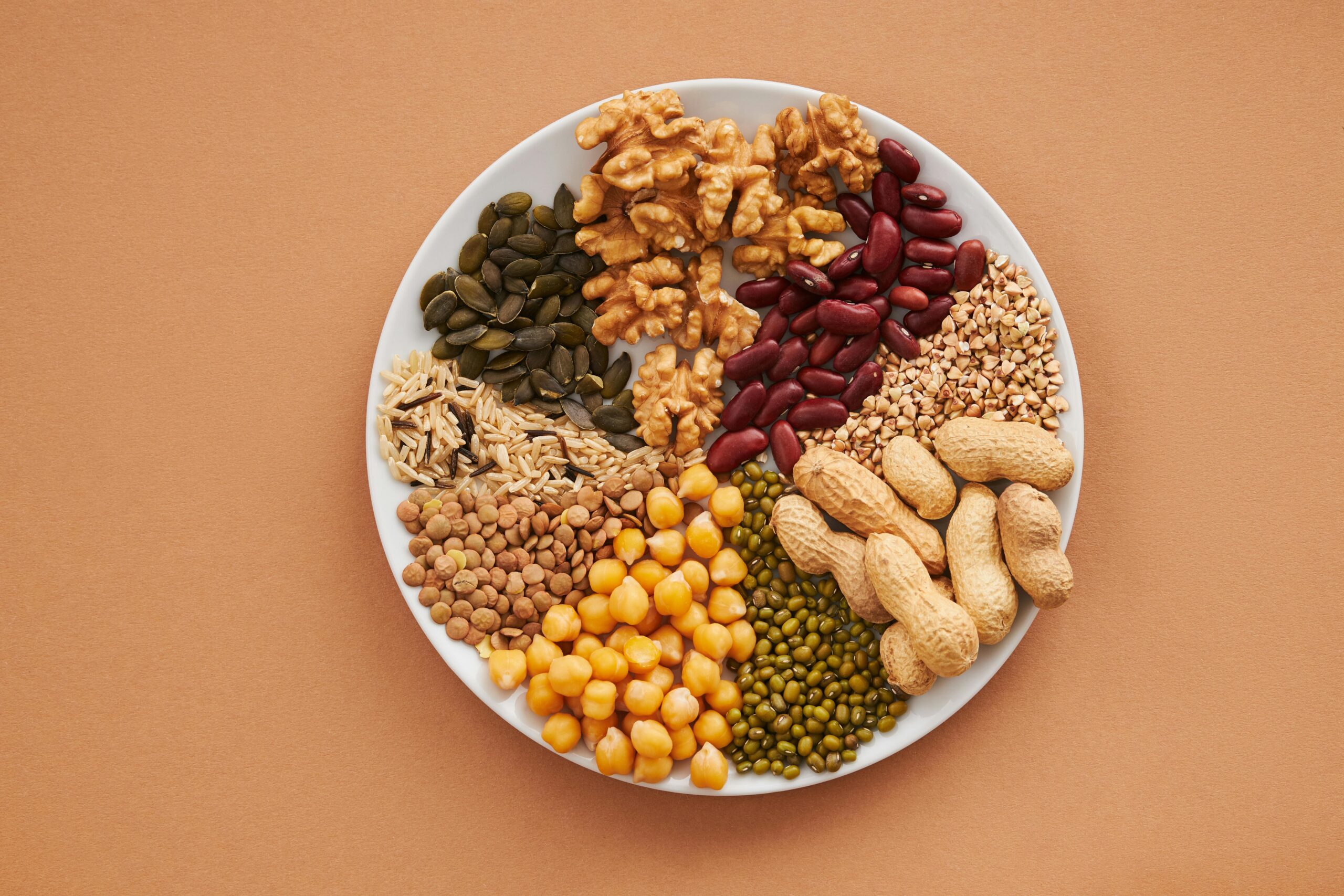
Fats support hormone production, protect organs, aid nutrient absorption, and provide sustained energy. Healthy fats from sources like avocados, nuts, seeds, and fatty fish contribute to brain health, reduce inflammation, and keep you feeling satisfied longer.
💪 Calculating Your Personal Macro Requirements
Determining your ideal macronutrient ratio isn’t a one-size-fits-all equation. Your perfect balance depends on multiple factors including age, gender, activity level, metabolism, health conditions, and specific goals like muscle building or fat loss.
Start by calculating your Total Daily Energy Expenditure (TDEE), which represents the total calories you burn each day. This includes your Basal Metabolic Rate (BMR)—the energy required for basic functions—plus calories burned through activity and digestion.
Once you know your TDEE, you can distribute calories among macronutrients. A common starting point for general health is the 40/30/30 split: 40% carbohydrates, 30% protein, and 30% fats. However, athletes might increase carbs to 50-60%, while those following ketogenic approaches might reduce carbs to 5-10%.
Tracking macros has become significantly easier with modern technology. Applications like MyFitnessPal allow you to log meals, scan barcodes, and monitor your daily intake with precision.
Adjusting Macros for Specific Goals
For muscle building, increase protein intake to 1.6-2.2 grams per kilogram of body weight while maintaining a slight caloric surplus. This provides the raw materials for muscle synthesis while fueling intense training sessions.
Fat loss requires a caloric deficit while preserving lean muscle mass. Keep protein high (1.8-2.4g/kg), reduce carbohydrates moderately, and maintain adequate healthy fats for hormonal balance and satiety.
Endurance athletes need higher carbohydrate intake (6-10g/kg body weight) to fuel prolonged activity and replenish glycogen stores. Protein remains important at 1.2-1.6g/kg for recovery and adaptation.
🌟 The Micronutrient Universe: Small but Mighty
While macronutrients provide energy and structure, micronutrients enable countless biochemical reactions that keep you alive and healthy. These vitamins and minerals are required in smaller quantities but are absolutely non-negotiable for optimal function.
Vitamins are organic compounds that regulate metabolism, support immune function, and facilitate cellular processes. They’re classified as either fat-soluble (A, D, E, K) or water-soluble (B-complex vitamins and vitamin C), each with unique functions and storage characteristics.
Minerals are inorganic elements that support bone health, fluid balance, nerve transmission, and oxygen transport. Major minerals like calcium, magnesium, and potassium are needed in larger amounts, while trace minerals like zinc, selenium, and iron are required in smaller quantities but remain equally crucial.
🥗 Essential Micronutrients and Their Food Sources
Vitamin D supports bone health, immune function, and mood regulation. While your body produces it through sun exposure, many people are deficient, especially in northern climates. Food sources include fatty fish, fortified dairy products, and egg yolks.
B vitamins are critical for energy metabolism, brain function, and red blood cell formation. B12 is particularly important for vegetarians and vegans, as it’s primarily found in animal products. Excellent sources include whole grains, legumes, leafy greens, and animal proteins.
Iron carries oxygen throughout your body and prevents fatigue and weakness. Women of reproductive age need significantly more iron than men. Heme iron from meat is better absorbed than non-heme iron from plants, though vitamin C enhances plant-based iron absorption.
Magnesium participates in over 300 enzymatic reactions, supporting muscle function, sleep quality, and stress management. Dark leafy greens, nuts, seeds, and whole grains provide abundant magnesium.
Zinc supports immune function, wound healing, and protein synthesis. Oysters contain more zinc per serving than any other food, but meat, legumes, and seeds also provide substantial amounts.
Creating a Micronutrient-Rich Plate
The simplest strategy for micronutrient adequacy is eating a rainbow of whole foods. Different colors indicate different phytonutrients and vitamins, so variety ensures comprehensive coverage.
Prioritize nutrient density over calorie density. Foods like organ meats, shellfish, dark leafy greens, and colorful vegetables pack tremendous nutritional value into relatively few calories, making them efficiency champions for health optimization.
Consider the bioavailability of nutrients, not just their presence. Cooking methods, food combinations, and gut health all affect how much of a nutrient your body actually absorbs and utilizes.
⚖️ The Synergy Between Macros and Micros
Optimal nutrition isn’t about macros OR micros—it’s about understanding how they work together. Fat-soluble vitamins require dietary fat for absorption. Protein supports mineral transport and utilization. Carbohydrates influence how your body uses various nutrients.
This interdependence means that focusing exclusively on macros while ignoring food quality leaves massive gaps in your nutritional foundation. A diet hitting perfect macro ratios but consisting of processed foods will never support optimal health.
Conversely, obsessing over micronutrients while ignoring macronutrient balance creates different problems. You might consume all necessary vitamins and minerals but lack sufficient protein for muscle maintenance or adequate carbohydrates for energy.
🍽️ Practical Strategies for Nutritional Balance
Meal planning eliminates guesswork and decision fatigue while ensuring consistent nutritional adequacy. Dedicate time weekly to planning meals that hit your macro targets while incorporating diverse, nutrient-dense whole foods.
Batch cooking saves time and maintains nutritional consistency. Prepare protein sources, complex carbohydrates, and vegetables in bulk, then mix and match throughout the week for variety without constant cooking.
Strategic supplementation fills genuine gaps but should never replace whole foods. Common beneficial supplements include vitamin D, omega-3 fatty acids, and magnesium, though individual needs vary based on diet, lifestyle, and health status.
Building Your Personalized Nutrition Framework
Start with your foundational protein needs, ensuring adequate intake to support muscle maintenance, satiety, and metabolic health. Distribute protein across meals for optimal muscle protein synthesis.
Add carbohydrates based on activity level and personal tolerance. Active individuals require more carbs for performance and recovery, while sedentary people might function better with moderate intake focused on nutrient-dense sources.
Fill remaining calories with healthy fats from varied sources including nuts, seeds, avocados, olive oil, and fatty fish. These support hormone production, reduce inflammation, and provide lasting satiety.
Finally, build meals around colorful vegetables and fruits to ensure micronutrient coverage. These foods provide vitamins, minerals, fiber, and beneficial plant compounds that processed foods simply cannot match.
📊 Monitoring and Adjusting Your Nutritional Strategy
Your body provides constant feedback about nutritional adequacy through energy levels, recovery capacity, mood, sleep quality, hunger patterns, and physical changes. Learning to interpret these signals helps you fine-tune your approach.
Regular blood work provides objective data on nutrient status, allowing you to identify deficiencies before they cause symptoms. Common tests include complete blood count, comprehensive metabolic panel, vitamin D, B12, iron studies, and thyroid function.
Body composition tracking reveals whether your macronutrient balance supports your goals. Changes in muscle mass, body fat percentage, and overall weight indicate whether adjustments are needed.
Performance metrics matter for active individuals. Are you recovering well? Maintaining strength? Completing workouts with good energy? These indicators reflect nutritional adequacy as much as programming.
🚫 Common Nutritional Mistakes to Avoid
Extreme restriction of any macronutrient category rarely supports long-term health. While some people thrive on lower-carb or lower-fat approaches, eliminating entire food groups often creates nutritional deficiencies and psychological stress around food.
Ignoring individual responses leads to frustration. What works brilliantly for your training partner might leave you exhausted and hungry. Honor your unique biology rather than forcing yourself into someone else’s perfect plan.
Overlooking food quality in favor of hitting macros creates a false sense of nutritional security. Three hundred calories of candy affects your body completely differently than 300 calories of sweet potato, despite identical macro profiles.
Inconsistency undermines results more than imperfection. A good plan followed consistently outperforms a perfect plan followed sporadically. Sustainability matters more than theoretical optimization.
🎯 Advanced Optimization Techniques
Nutrient timing strategically places specific nutrients when your body can best utilize them. Consuming protein and carbohydrates around training maximizes muscle protein synthesis and glycogen replenishment.
Cycling macronutrients based on activity creates metabolic flexibility. Higher carbohydrates on training days fuel performance, while lower carbohydrates on rest days may enhance fat oxidation and metabolic health.
Intermittent fasting patterns create windows of eating and fasting that may improve insulin sensitivity, cellular repair processes, and body composition. However, this approach requires careful planning to meet nutritional needs within compressed timeframes.
Personalized nutrition based on genetic testing, microbiome analysis, and metabolic assessment represents the cutting edge of nutritional science. While still developing, these tools may eventually allow unprecedented customization.
🌱 Sustainable Nutrition for Lifelong Health
Perfect nutrition doesn’t exist, and chasing it creates unnecessary stress that undermines wellbeing. Instead, aim for consistent adequacy—meeting your needs most of the time while remaining flexible and enjoying food as both fuel and pleasure.
Build habits rather than relying on willpower. Automatic behaviors surrounding food shopping, meal preparation, and eating patterns require less mental energy and persist through challenging periods when motivation wanes.
Educate yourself continuously as nutritional science evolves. What we understood about nutrition five years ago differs from current knowledge, and future research will refine recommendations further. Stay curious and adaptable.
Remember that nutrition exists within the larger context of overall lifestyle. Sleep quality, stress management, physical activity, and social connections all influence how your body uses nutrients. Optimization requires a holistic approach rather than nutritional tunnel vision.
Mastering nutritional balance isn’t about perfection—it’s about understanding your body’s needs and consistently meeting them through informed choices. By respecting both macronutrients and micronutrients, you create the foundation for optimal health, performance, and longevity. Your journey toward nutritional mastery is personal, dynamic, and ultimately one of the most empowering investments you can make in yourself.