Healthy eating doesn’t have to be complicated or restrictive. With the right knowledge and approach, anyone can transform their relationship with food and unlock the benefits of balanced nutrition for a vibrant, energetic life.

Whether you’re just starting your wellness journey or looking to refine your eating habits, understanding nutrient balance is the foundation of sustainable health. This comprehensive guide will walk you through the essentials of healthy eating, breaking down complex nutritional concepts into practical, actionable steps that fit seamlessly into your daily routine.
🌱 Understanding the Fundamentals of Nutrient Balance
Nutrient balance refers to consuming the right proportions of macronutrients and micronutrients that your body needs to function optimally. Think of your body as a high-performance machine that requires specific fuel types in precise amounts to run efficiently.
The three primary macronutrients—carbohydrates, proteins, and fats—provide energy and support essential bodily functions. Micronutrients, including vitamins and minerals, work behind the scenes to regulate metabolism, support immune function, and maintain overall health. Getting this balance right isn’t about perfection; it’s about consistency and making informed choices most of the time.
The Macronutrient Trio: Your Body’s Building Blocks
Carbohydrates are your body’s preferred energy source, particularly for brain function and physical activity. Complex carbohydrates found in whole grains, vegetables, and legumes provide sustained energy and fiber, which supports digestive health and helps regulate blood sugar levels.
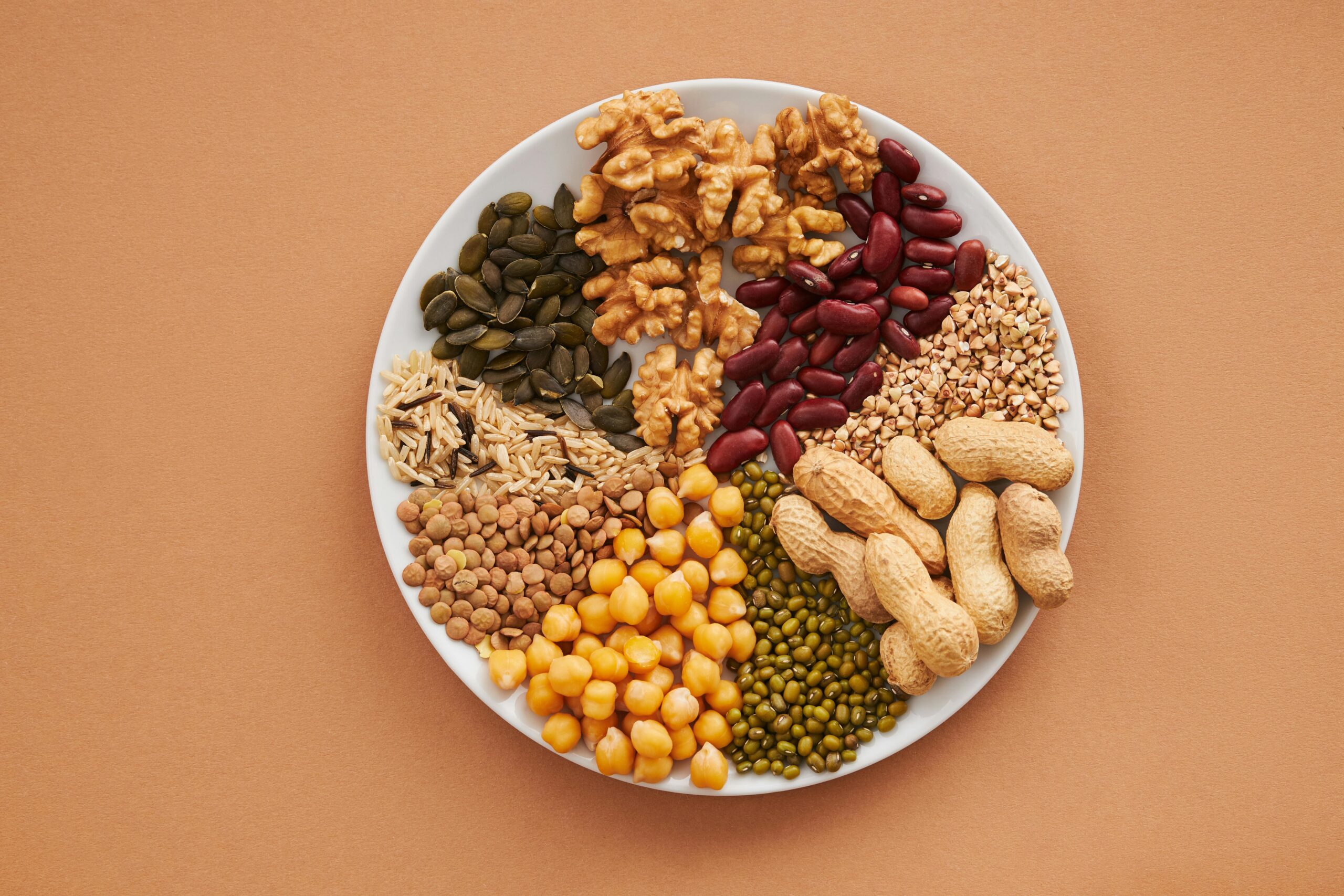
Proteins serve as the building blocks for muscle tissue, enzymes, hormones, and immune cells. Quality protein sources include lean meats, fish, eggs, dairy products, legumes, nuts, and seeds. Aim to include protein in every meal to maintain muscle mass, support recovery, and promote satiety.
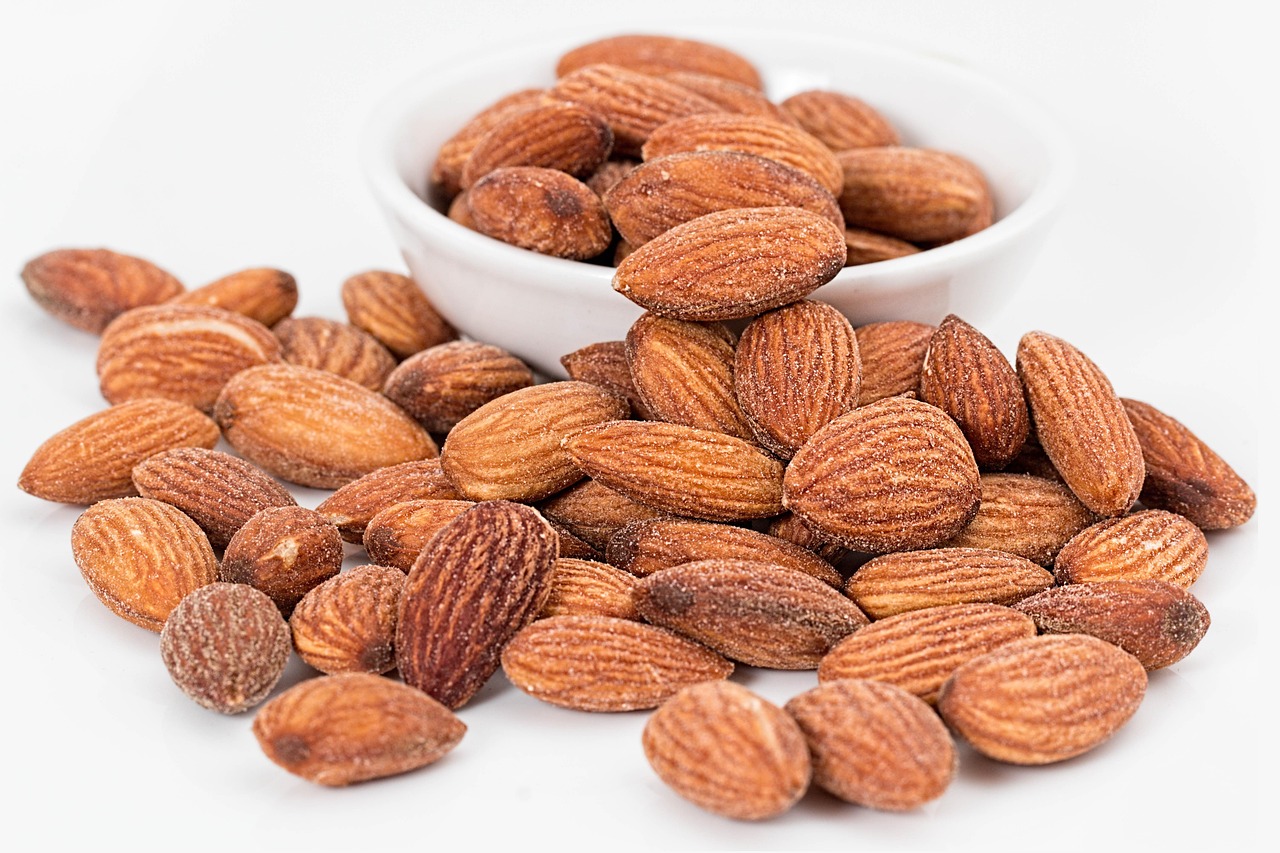
Fats have been unfairly demonized in the past, but healthy fats are essential for hormone production, nutrient absorption, and brain health. Focus on unsaturated fats from sources like avocados, olive oil, nuts, seeds, and fatty fish while limiting saturated and trans fats.
🍽️ Creating Your Balanced Plate: The Simple Visual Approach
One of the easiest ways to achieve nutrient balance is by visualizing your plate. This method eliminates the need for calorie counting or complex calculations, making healthy eating accessible to everyone.
Imagine dividing your plate into sections: half should be filled with colorful vegetables and fruits, one quarter with lean protein, and one quarter with whole grains or starchy vegetables. Add a small serving of healthy fats, and you’ve created a nutritionally balanced meal that provides sustained energy and essential nutrients.
The Rainbow Principle: Eating a Spectrum of Colors
Different colored fruits and vegetables contain unique phytonutrients and antioxidants that protect your cells from damage and support various bodily functions. Dark leafy greens provide iron and calcium, orange vegetables offer beta-carotene for eye health, red fruits contain lycopene for heart health, and purple produce delivers anthocyanins with anti-inflammatory properties.
Challenge yourself to include at least three different colors of produce in your meals each day. This simple practice ensures you’re getting a diverse array of vitamins, minerals, and protective compounds without overthinking individual nutrient requirements.
💪 Protein Priorities: Building and Maintaining Lean Muscle
Protein needs vary based on activity level, age, and health goals, but most adults benefit from consuming approximately 0.8 to 1 gram of protein per kilogram of body weight daily. Athletes and those building muscle may require more, while older adults should prioritize protein to prevent age-related muscle loss.
Distribute your protein intake throughout the day rather than consuming large amounts in one sitting. Your body can only utilize a certain amount of protein for muscle building at once, making consistent intake more effective than sporadic consumption.
Plant-Based Protein Options
You don’t need to eat meat to meet your protein requirements. Plant-based proteins like quinoa, lentils, chickpeas, tofu, tempeh, and edamame provide excellent nutrition along with fiber and additional micronutrients. Combining different plant proteins throughout the day ensures you get all essential amino acids your body needs.
🥑 The Truth About Dietary Fats: Friends Not Foes
Understanding which fats to embrace and which to limit transforms your health outcomes. Monounsaturated and polyunsaturated fats from sources like olive oil, avocados, nuts, seeds, and fatty fish support heart health, reduce inflammation, and improve cholesterol levels.
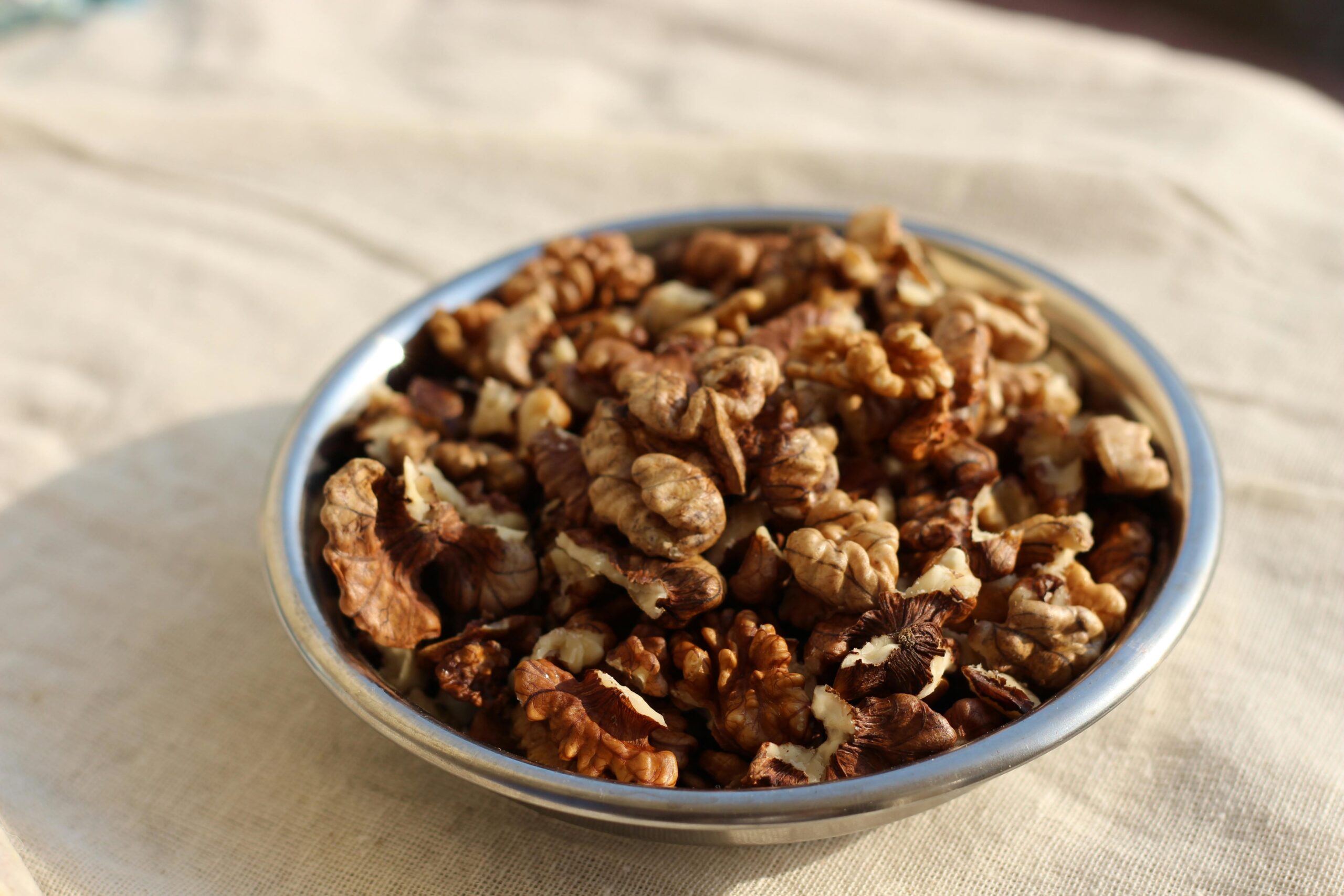
Omega-3 fatty acids, particularly EPA and DHA found in fatty fish like salmon, mackerel, and sardines, are especially beneficial for brain health, mood regulation, and cardiovascular function. If you don’t consume fish regularly, consider incorporating walnuts, flaxseeds, and chia seeds, which provide ALA omega-3s that your body can partially convert.
Limit saturated fats from red meat, full-fat dairy, and processed foods, and avoid trans fats entirely. These unhealthy fats contribute to inflammation, elevated cholesterol, and increased disease risk.
🌾 Carbohydrate Intelligence: Choosing Quality Over Quantity
Not all carbohydrates are created equal. Refined carbohydrates like white bread, pastries, and sugary snacks spike blood sugar rapidly, leading to energy crashes and increased hunger. Complex carbohydrates from whole grains, vegetables, and legumes release energy gradually, keeping you satisfied and energized longer.
Fiber, found in complex carbohydrates, is crucial for digestive health, blood sugar regulation, and cholesterol management. Most adults should aim for 25-35 grams of fiber daily from varied sources including vegetables, fruits, whole grains, legumes, nuts, and seeds.
Smart Carbohydrate Swaps
Making simple substitutions can dramatically improve your carbohydrate quality without sacrificing satisfaction. Replace white rice with brown rice or quinoa, swap white bread for whole grain varieties, choose sweet potatoes instead of white potatoes, and snack on fruit with nut butter rather than cookies or chips.
💧 Hydration: The Often Overlooked Nutrient
Water is essential for every bodily function, from temperature regulation and nutrient transport to waste elimination and joint lubrication. Even mild dehydration can impair cognitive function, physical performance, and mood.
While individual needs vary, aim for approximately 8-10 cups of water daily, more if you’re physically active or live in a hot climate. You can also meet hydration needs through water-rich foods like cucumbers, watermelon, lettuce, and soups.
Limit sugary beverages, energy drinks, and excessive caffeine, which can contribute empty calories and potentially dehydrate you. If plain water feels boring, infuse it with fresh fruit, cucumber, or herbs for natural flavor without added sugar.
📱 Technology as Your Nutrition Ally
Modern technology offers powerful tools to support your healthy eating journey. Nutrition tracking apps help you understand your eating patterns, identify nutritional gaps, and make data-driven improvements to your diet.
Apps like MyFitnessPal provide comprehensive food databases, barcode scanning, and macro tracking features that simplify the process of monitoring your nutrient intake. These tools offer valuable insights without requiring you to become a nutrition expert.
Remember that apps are tools to educate and guide you, not rigid rules to follow obsessively. Use them to learn portion sizes, understand nutrient content, and develop intuition about balanced eating that eventually becomes second nature.
🍳 Meal Planning and Preparation: Your Success Strategy
Planning ahead is one of the most effective strategies for maintaining healthy eating habits. When you have nutritious meals ready or planned, you’re less likely to resort to convenient but unhealthy options during busy or stressful times.
Dedicate a few hours each week to meal planning and preparation. Choose a variety of recipes that incorporate different proteins, vegetables, and whole grains to prevent boredom and ensure nutritional diversity. Prepare ingredients in advance by washing and chopping vegetables, cooking grains in batches, and portioning proteins.
Building a Balanced Breakfast
Starting your day with balanced nutrition sets a positive tone and provides sustained energy. Combine protein, healthy fats, and complex carbohydrates for optimal results. Examples include Greek yogurt with berries and nuts, eggs with whole grain toast and avocado, or oatmeal topped with nut butter and sliced banana.
🥗 Navigating Common Nutritional Challenges
Everyone faces obstacles on their healthy eating journey. Recognizing these challenges and developing strategies to overcome them increases your likelihood of long-term success.
Time constraints are among the most common barriers. Combat this by batch cooking on weekends, keeping healthy convenience foods stocked, and embracing simple recipes that require minimal preparation. A rotisserie chicken, pre-washed salad greens, and microwavable brown rice can create a balanced meal in minutes.
Managing Cravings and Emotional Eating
Cravings are normal and don’t indicate failure. When cravings strike, pause and assess whether you’re physically hungry or responding to emotions, stress, or boredom. If you’re truly hungry, choose a balanced snack that includes protein and fiber. If it’s emotional, address the underlying feeling through movement, journaling, or connection rather than food.
Practice the 80/20 rule: eat nutritious, balanced meals 80% of the time, allowing 20% flexibility for treats and indulgences. This approach prevents feelings of deprivation that often lead to binge eating or abandoning healthy habits entirely.
🎯 Portion Control Without Deprivation
Understanding appropriate portion sizes helps you enjoy all foods while maintaining nutritional balance. Use your hand as a portable measuring tool: your palm represents a protein serving, your fist equals a carbohydrate portion, your cupped hand measures healthy fats, and your entire hand spread out indicates a vegetable serving.
Eating mindfully—without distractions from phones, computers, or television—helps you tune into hunger and fullness cues. Eat slowly, savoring each bite, and pause mid-meal to assess your satisfaction level. Stop eating when you’re comfortably satisfied rather than uncomfortably full.
🌟 Micronutrients Matter: The Vitamin and Mineral Connection
While macronutrients provide energy and structure, micronutrients enable thousands of chemical reactions that keep you healthy. Deficiencies in vitamins and minerals can manifest as fatigue, weakened immunity, poor concentration, and various health issues.
Eating a diverse diet rich in whole foods typically provides adequate micronutrients without supplementation. However, certain populations may benefit from specific supplements, including vitamin D for those with limited sun exposure, B12 for vegans, iron for menstruating women, and folate for women of childbearing age.
Nutrient-Dense Superfoods to Emphasize
While no single food provides complete nutrition, some options pack exceptional nutritional value. Include these regularly: dark leafy greens, berries, salmon, eggs, nuts and seeds, legumes, cruciferous vegetables, sweet potatoes, and fermented foods like yogurt and sauerkraut.
🔄 Creating Sustainable Habits for Lifelong Health
Temporary diets fail because they’re unsustainable. Lasting change comes from developing habits that feel natural and enjoyable rather than restrictive and punishing. Start with small, manageable changes and build gradually rather than overhauling your entire diet overnight.
Focus on adding nutritious foods rather than only eliminating unhealthy ones. When you crowd your plate with vegetables, lean proteins, and whole grains, there’s naturally less room for processed, nutrient-poor options. This positive framing feels empowering rather than limiting.
Track progress through how you feel—energy levels, sleep quality, mood, and physical performance—rather than exclusively focusing on weight. These markers often improve before the scale changes and provide motivation to continue your healthy habits.
🍴 Practical Tips for Eating Out and Social Situations
Maintaining balanced nutrition doesn’t mean avoiding restaurants or social gatherings. Review menus in advance when possible, choosing grilled or baked proteins, vegetable-based sides, and requesting dressings and sauces on the side. Don’t be afraid to make modifications; most restaurants accommodate reasonable requests.
At social events, eat a small balanced meal before arriving so you’re not ravenous and vulnerable to less nutritious options. Fill your plate with vegetables and proteins first, then add small portions of other offerings. Focus on conversation and connection rather than making food the event’s centerpiece.

🚀 Your Journey Begins Today: Taking the First Step
Mastering healthy eating is a journey, not a destination. Progress isn’t linear, and perfection isn’t the goal. Every meal is a new opportunity to nourish your body, regardless of previous choices. Be patient and compassionate with yourself as you develop new skills and preferences.
Start by implementing one or two strategies from this guide rather than attempting everything simultaneously. Perhaps you’ll begin by adding an extra serving of vegetables to dinner or drinking more water throughout the day. Small consistent actions compound into significant results over time.
Remember that your nutritional needs are unique, influenced by genetics, activity level, health status, and personal preferences. Listen to your body, adjust based on how you feel, and consult with healthcare professionals or registered dietitians for personalized guidance when needed.
The art of healthy eating combines science with intuition, structure with flexibility, and planning with spontaneity. By understanding nutrient balance and implementing practical strategies, you’re investing in energy, longevity, and quality of life. Your relationship with food can be positive, nourishing, and enjoyable—starting right now with your very next meal.