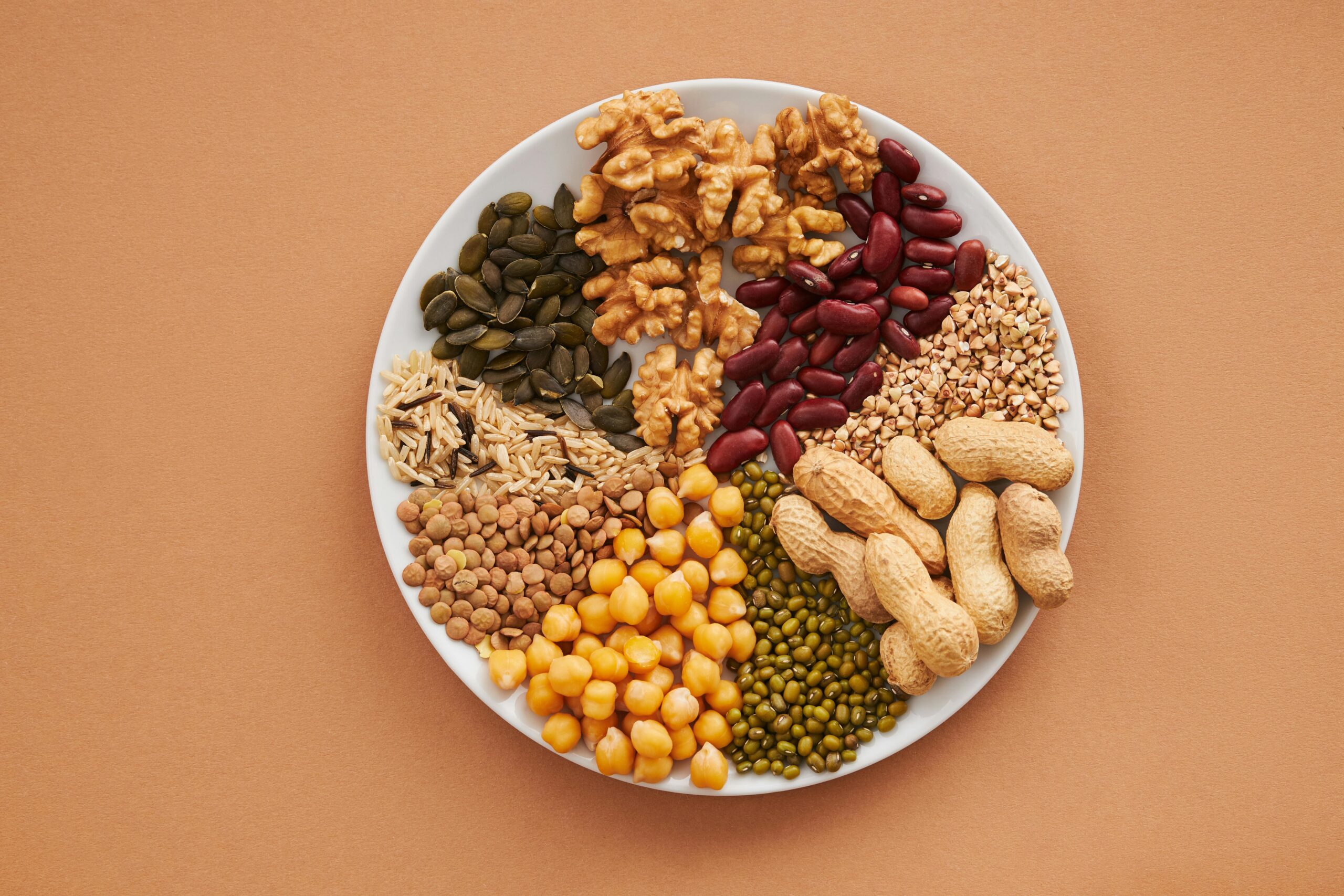
Keeping your family healthy doesn’t have to be complicated. With the right nutrient balance checklist, you can transform your household’s well-being, boost energy levels, and create lasting healthy habits that everyone will enjoy.

Modern families face unprecedented challenges when it comes to nutrition. Between busy schedules, conflicting dietary information, and the temptation of processed foods, maintaining proper nutrient balance can feel overwhelming. Yet the solution is simpler than you might think. By following a structured approach to family nutrition, you can ensure everyone from toddlers to grandparents receives the essential vitamins, minerals, and macronutrients they need to thrive.
🌟 Why Nutrient Balance Matters More Than Ever
The foundation of family health begins with understanding that proper nutrition goes far beyond simply filling bellies. Nutrient balance directly impacts cognitive function, emotional stability, immune system strength, and long-term disease prevention. When your family consumes a well-balanced diet, you’ll notice improved concentration in children, better stress management in adults, and increased vitality across all age groups.
Recent studies show that nutrient deficiencies have become increasingly common, even in developed countries. Iron deficiency affects energy levels, vitamin D insufficiency weakens bones and immunity, and inadequate omega-3 intake can impact brain health. Creating a nutrient balance checklist helps you systematically address these gaps before they become problems.
Understanding the Essential Nutrient Categories
Before diving into your checklist, let’s clarify what nutrients your family actually needs. Nutrients fall into two main categories: macronutrients and micronutrients. Macronutrients include proteins, carbohydrates, and fats—the building blocks your body needs in larger quantities. Micronutrients encompass vitamins and minerals required in smaller amounts but equally critical for optimal function.
Macronutrients: The Energy Foundation
Proteins serve as the construction crew for your body, building and repairing tissues, producing enzymes, and supporting immune function. Quality protein sources include lean meats, fish, eggs, legumes, nuts, and dairy products. Each family member needs different amounts based on age, activity level, and individual health status.
Carbohydrates provide the primary fuel source for your brain and muscles. Focus on complex carbohydrates from whole grains, vegetables, and fruits rather than refined sugars and processed foods. These nutrient-dense options deliver sustained energy without the crashes associated with simple sugars.
Healthy fats support brain development, hormone production, and nutrient absorption. Include sources like avocados, olive oil, fatty fish, nuts, and seeds in your family’s meal rotation. Don’t fear fat—embrace the right kinds in appropriate portions.
Micronutrients: The Invisible Protectors
Vitamins and minerals work behind the scenes, enabling countless biochemical reactions that keep your family functioning optimally. Vitamin C boosts immunity, B vitamins support energy metabolism, calcium builds strong bones, and iron carries oxygen throughout the body. A colorful, varied diet naturally provides most micronutrients your family needs.
🍎 Your Ultimate Nutrient Balance Checklist
Now let’s get practical. This comprehensive checklist will help you ensure your family receives balanced nutrition every single day without obsessing over every meal.
Daily Protein Goals
Check that each family member consumes adequate protein at breakfast, lunch, and dinner. Protein requirements vary by age and activity level, but a general guideline includes a palm-sized portion of protein at each main meal. This might look like eggs at breakfast, chicken in a lunchtime salad, and fish with dinner vegetables.
Don’t forget plant-based options—beans, lentils, quinoa, and tofu offer excellent protein alternatives that add variety and additional nutrients like fiber. Mix animal and plant proteins throughout the week for optimal nutrient diversity.
Rainbow Plate Challenge 🌈
Aim for at least five different colors of fruits and vegetables daily across your family’s meals. Each color represents different phytonutrients with unique health benefits. Red tomatoes provide lycopene, orange carrots deliver beta-carotene, green spinach offers folate and iron, and purple berries pack anthocyanins.
Make this fun for children by creating a color chart and letting them track their rainbow progress. This simple visual tool teaches nutrition awareness while ensuring micronutrient variety.
Whole Grain Integration
Replace at least half of your family’s grain products with whole grain alternatives. Swap white rice for brown rice or quinoa, choose whole wheat bread over white, and experiment with oats, barley, and other ancient grains. Whole grains provide fiber, B vitamins, and minerals often stripped away during refining processes.
Healthy Fat Inclusion
Ensure your family gets healthy fats daily through nuts, seeds, avocados, olive oil, or fatty fish like salmon and sardines. These fats support brain health, reduce inflammation, and help absorb fat-soluble vitamins A, D, E, and K.
A simple checkpoint: Does today’s menu include at least two sources of healthy fats? Perhaps almond butter on morning toast and salmon for dinner, or avocado in lunch wraps and walnuts as an afternoon snack.
Hydration Station 💧
Water often gets overlooked in nutrition discussions, yet proper hydration is absolutely essential for nutrient transport, temperature regulation, and cellular function. Children need approximately 5-8 cups daily depending on age, while adults require 8-10 cups minimum.
Create hydration habits by starting each day with a glass of water, placing water bottles in visible locations, and flavoring water naturally with lemon, cucumber, or berries if plain water feels boring.
Weekly Planning Strategies for Nutrient Success
Daily checklists work best when supported by weekly planning. Dedicate 30 minutes each weekend to map out your family’s meal framework for the coming week. This doesn’t mean rigidly planning every bite, but rather ensuring your shopping list includes all essential nutrient categories.
The Template Approach
Create meal templates rather than specific recipes. For example, your breakfast template might be: protein source + whole grain + fruit. This could manifest as Greek yogurt with granola and berries on Monday, scrambled eggs with whole wheat toast and orange slices on Tuesday, and oatmeal with nuts and banana on Wednesday.
Templates provide structure without monotony, making it easier to ensure nutrient balance while accommodating preferences and schedules. Apply the same concept to lunches and dinners with templates like: protein + colorful vegetables + healthy carb + healthy fat.
Batch Preparation Wins
Invest a few hours weekly in batch preparation to make balanced eating effortless during busy weekdays. Wash and chop vegetables, cook grains in bulk, prepare protein portions, and portion healthy snacks. When healthy options require zero additional effort, your family naturally makes better choices.
Age-Specific Nutrient Considerations
While the fundamental principles of nutrient balance apply universally, different family members have unique nutritional needs based on their life stage.
Growing Children and Teens
Children experiencing growth spurts need additional calories, protein, calcium, and iron. Teenagers, particularly active athletes, require even more substantial portions. Ensure teens don’t skip breakfast, as this meal significantly impacts academic performance and energy levels throughout the day.
Calcium-rich foods become especially important during adolescence when bone density development peaks. Include dairy products, fortified plant milks, leafy greens, and calcium-set tofu regularly.
Adult Nutritional Priorities
Adults benefit from emphasizing nutrient density over calorie quantity. Focus on foods that deliver maximum nutrition per calorie—think leafy greens, berries, lean proteins, and whole grains rather than empty-calorie processed options.
As metabolism naturally slows with age, portion awareness becomes increasingly important while nutrient needs remain high. This is where quality truly trumps quantity.
Senior Family Members
Older adults often need fewer calories but more of certain nutrients, particularly vitamin B12, vitamin D, calcium, and protein to maintain muscle mass. Digestive efficiency may decrease, making nutrient absorption more challenging.
Ensure elderly family members consume adequate protein at each meal, consider vitamin D supplementation (especially in winter months), and emphasize easily digestible, nutrient-dense foods.
🛒 Smart Shopping for Nutrient Balance
Your nutrient balance checklist starts at the grocery store. Shopping strategies directly impact what ends up on your family’s plates, making this step crucial for success.
Perimeter Shopping Strategy
Shop primarily around the store’s perimeter where fresh produce, meats, dairy, and whole foods typically reside. The interior aisles predominantly house processed products with longer shelf lives and fewer nutrients.
When you do venture into interior aisles, focus on whole grain products, canned beans, nuts, seeds, and minimally processed staples. Read ingredient lists—shorter generally means better.
Seasonal and Frozen Options
Buying seasonal produce offers peak nutrition at lower prices. Frozen fruits and vegetables provide excellent nutritional value, sometimes even superior to “fresh” options that traveled long distances. Keep your freezer stocked with frozen berries, spinach, broccoli, and other nutrient powerhouses for convenience.
Overcoming Common Nutrient Balance Obstacles
Even with the best intentions, families face challenges when implementing consistent nutrient balance. Let’s address the most common obstacles with practical solutions.
Picky Eaters
Rather than fighting food battles, involve picky eaters in meal planning and preparation. Children who help cook show increased willingness to try new foods. Repeatedly expose picky eaters to rejected foods without pressure—research shows it can take 10-15 exposures before acceptance develops.
Use creative presentations, pair new foods with familiar favorites, and model adventurous eating yourself. Your enthusiasm for trying new vegetables speaks louder than any lecture about nutrition.
Time Constraints
Busy schedules rank among the top nutrition saboteurs. Combat this by embracing time-saving strategies: one-pot meals, slow cooker recipes, sheet pan dinners, and strategic convenience foods like pre-washed greens, rotisserie chicken, and canned beans.
Remember that simple meals can be perfectly nutritious. A balanced plate doesn’t require elaborate recipes—grilled chicken, roasted sweet potato, and steamed broccoli takes 20 minutes and checks all nutrient boxes.
Budget Limitations
Nutrient-dense eating doesn’t require expensive superfoods or organic everything. Prioritize budget-friendly nutrition champions like eggs, beans, lentils, frozen vegetables, seasonal produce, whole grain oats, and canned fish.
Buy versatile ingredients that serve multiple purposes throughout the week. A bag of dried beans becomes taco filling, soup base, and salad topping. A whole chicken provides multiple meals including nutrient-rich bone broth.
📱 Tracking Tools and Technology
While you don’t need to obsessively track every nutrient, occasional use of nutrition tracking apps can provide valuable insights into your family’s eating patterns and reveal unexpected gaps or excesses.
Many families find that tracking for just one or two weeks provides eye-opening information that informs better long-term habits without creating ongoing stress or obsession.
Creating Sustainable Family Nutrition Habits
The ultimate goal isn’t perfection but rather establishing sustainable habits that naturally promote nutrient balance without constant effort or vigilance.
The 80/20 Principle
Aim for nutrient-balanced choices 80% of the time while allowing flexibility for treats, celebrations, and less-than-ideal situations the remaining 20%. This approach prevents the all-or-nothing mentality that often leads to complete abandonment of healthy eating.
When your family consistently nourishes their bodies well most of the time, occasional indulgences become truly special without derailing overall health.
Family Meal Priority ✨
Shared family meals offer benefits beyond nutrition, including improved communication, stronger relationships, and better eating behaviors in children. Prioritize eating together whenever possible, even if just a few times weekly.
These meals don’t need to be elaborate dinners—weekend breakfasts or simple weeknight suppers work beautifully. The togetherness matters more than menu complexity.
Measuring Your Success Beyond the Scale
While many people associate nutrition success with weight changes, true nutrient balance produces far more meaningful improvements in quality of life.
Notice increased energy levels throughout the day, improved mood stability, better sleep quality, enhanced focus and productivity, fewer illnesses, and general feelings of vitality. These markers indicate your nutrient balance checklist is working effectively.
Children may show improved behavior, better academic performance, and increased participation in physical activities. Adults might experience reduced inflammation, better stress resilience, and improved markers in routine health screenings.

Your Action Plan Starting Today
Begin implementing your ultimate nutrient balance checklist immediately with these simple first steps. Choose just one or two changes to focus on this week rather than attempting a complete overhaul overnight.
Perhaps you’ll start by ensuring everyone eats protein at breakfast, or maybe you’ll commit to adding one additional vegetable serving daily. Small, consistent improvements compound over time, creating transformative results without overwhelming your family.
Review your checklist weekly, celebrating successes and problem-solving challenges together as a family. This collaborative approach builds buy-in and teaches children lifelong skills for managing their own nutrition as they grow.
Remember that providing balanced nutrition for your family represents one of the most powerful expressions of love and care. Each nutritious meal supports their current happiness and lays the foundation for lifelong health and vitality. Your efforts today create ripples extending far into your family’s future, making this checklist approach one of the most valuable investments you’ll ever make.