Protein is the cornerstone of a healthy, vibrant body. Whether you’re an athlete, a busy professional, or someone simply looking to improve overall wellness, understanding how to balance your protein intake can transform your health journey.

In today’s world of conflicting nutritional advice and fad diets, knowing exactly how much protein your body needs—and when to consume it—can feel overwhelming. This comprehensive guide will walk you through everything you need to master your protein nutrition, helping you build a stronger, healthier version of yourself without the guesswork.
🎯 Why Protein Balance Matters More Than You Think
Protein isn’t just about building muscle mass. This essential macronutrient plays crucial roles throughout your entire body, from supporting immune function to maintaining healthy skin, hair, and nails. Every cell in your body contains protein, making it fundamental to your existence.
When you consume protein, your body breaks it down into amino acids—the building blocks that repair tissues, produce enzymes and hormones, and support countless metabolic processes. Without adequate protein intake, your body begins to break down its own muscle tissue to obtain these critical amino acids, leading to muscle loss, decreased metabolism, and compromised health.
The challenge lies in finding your personal protein balance. Too little protein leaves you feeling fatigued, hungry, and unable to recover properly from exercise. Too much can strain your kidneys, displace other essential nutrients, and even lead to weight gain if you’re exceeding your caloric needs.
Understanding Your Personal Protein Requirements
The one-size-fits-all approach to protein intake is fundamentally flawed. Your individual needs depend on multiple factors including age, gender, activity level, body composition goals, and overall health status.
Calculating Your Baseline Protein Needs
For sedentary adults, the recommended dietary allowance (RDA) is 0.8 grams of protein per kilogram of body weight daily. However, this represents the minimum amount needed to prevent deficiency—not the optimal amount for health and performance.
Active individuals typically require significantly more protein. Research suggests that people engaged in regular exercise should consume between 1.6 to 2.2 grams of protein per kilogram of body weight. Athletes in intense training may need even higher amounts, sometimes reaching 2.5 grams per kilogram.
Age also influences protein requirements. Older adults benefit from higher protein intake, around 1.2 to 1.5 grams per kilogram, to combat age-related muscle loss and maintain strength and independence.
Factors That Increase Your Protein Needs 💪
Several circumstances demand increased protein consumption. Understanding these situations helps you adjust your intake accordingly:
- Recovery from illness or injury requires additional protein for tissue repair
- Pregnancy and breastfeeding significantly increase protein demands
- Caloric restriction or weight loss diets benefit from higher protein to preserve muscle mass
- Endurance training depletes amino acid stores that need replenishment
- Strength training creates micro-tears in muscle fibers requiring protein for growth
The Ultimate Protein Timing Strategy
When you consume protein matters nearly as much as how much you consume. Strategic protein timing optimizes muscle protein synthesis, satiety, and overall body composition.
Morning Protein: Starting Strong
Breaking your overnight fast with adequate protein sets the tone for stable blood sugar throughout the day. A protein-rich breakfast reduces cravings, improves focus, and may enhance fat loss. Aim for at least 25-30 grams of protein within two hours of waking.
Morning protein options include eggs, Greek yogurt, protein smoothies, cottage cheese, or lean breakfast meats. This early protein intake kickstarts muscle protein synthesis after the night’s fasting period.
Pre-Workout Protein Preparation
Consuming protein 1-2 hours before exercise provides amino acids that become available during and after your workout. This timing reduces muscle breakdown during training and primes your body for post-exercise recovery. A moderate serving of 15-25 grams is typically sufficient.
The Anabolic Window: Post-Workout Nutrition ⏰
While the traditional “30-minute anabolic window” has been somewhat overstated in fitness circles, consuming protein within 2-3 hours post-exercise remains beneficial. This protein intake supports muscle repair and growth when your muscles are most receptive to nutrient uptake.
Post-workout protein servings of 20-40 grams, depending on body size and training intensity, maximize recovery. Combining protein with carbohydrates further enhances recovery by replenishing glycogen stores and improving amino acid delivery to muscles.
Evening Protein for Overnight Recovery
Contrary to outdated advice suggesting no eating before bed, consuming slow-digesting protein in the evening supports overnight muscle recovery and may improve body composition. Casein protein, cottage cheese, or Greek yogurt consumed before bed provides sustained amino acid release throughout the night.
Quality Over Quantity: Choosing the Right Protein Sources
Not all protein sources are created equal. The biological value, amino acid profile, and digestibility of different proteins significantly impact their effectiveness.
Complete vs. Incomplete Proteins
Complete proteins contain all nine essential amino acids your body cannot produce independently. Animal-based proteins—meat, fish, poultry, eggs, and dairy—are typically complete proteins. Most plant proteins are incomplete, lacking one or more essential amino acids.
However, combining complementary plant proteins throughout the day creates complete amino acid profiles. Beans with rice, hummus with pita, or peanut butter on whole grain bread all provide complete protein combinations.
Top High-Quality Protein Sources 🥩
Building your diet around these nutrient-dense protein sources ensures you meet your needs while obtaining valuable micronutrients:
- Chicken breast: Lean, versatile, approximately 31 grams per 100 grams
- Salmon: Complete protein plus omega-3 fatty acids, 25 grams per 100 grams
- Eggs: Bioavailable protein with essential nutrients, 6 grams per large egg
- Greek yogurt: Probiotic benefits with 10 grams per 100 grams
- Lentils: Plant-based fiber-rich option, 9 grams per 100 grams cooked
- Quinoa: Complete plant protein with 4 grams per 100 grams cooked
- Tofu: Versatile soy protein with 8 grams per 100 grams
Tracking Your Protein Intake Effectively
Monitoring your daily protein consumption removes guesswork and ensures you consistently meet your targets. Modern technology has made protein tracking more accessible than ever.
Using Nutrition Apps for Precision
Food tracking applications help you log meals, scan barcodes, and automatically calculate protein intake. Apps like MyFitnessPal provide comprehensive food databases and macro tracking features that simplify monitoring your daily protein consumption.
Consistency matters more than perfection. Even tracking your protein intake for one or two weeks provides valuable insights into your eating patterns and helps identify areas for improvement.
The Hand Portion Method
For those who prefer not to track meticulously, the hand portion method offers a practical alternative. Your palm size (thickness and circumference) represents approximately one serving of protein, roughly 20-30 grams depending on the source and your hand size.
Most people benefit from consuming one palm-sized portion of protein at each meal, with active individuals potentially needing one and a half servings per meal.
Common Protein Intake Mistakes to Avoid ⚠️
Even with good intentions, many people make critical errors that sabotage their protein nutrition strategy.
The Front-Loading Trap
Consuming most of your daily protein at dinner while neglecting breakfast and lunch limits muscle protein synthesis throughout the day. Your body can only utilize approximately 25-40 grams of protein per meal for muscle building, with excess being used for energy or stored as fat.
Distributing protein evenly across 3-5 meals maintains elevated muscle protein synthesis throughout the day, leading to better results than consuming the same total amount concentrated in fewer meals.
Relying Exclusively on Supplements
While protein powders serve as convenient options, whole food sources provide fiber, vitamins, minerals, and phytonutrients that supplements lack. Aim to obtain at least 70-80% of your protein from whole foods, using supplements strategically when convenience demands it.
Ignoring Individual Tolerance
Some people experience digestive discomfort with certain protein sources. Lactose intolerance affects dairy protein consumption, while some individuals struggle with plant-based proteins. Listening to your body and adjusting sources accordingly ensures sustainable adherence to your protein goals.
Optimizing Protein Absorption and Utilization
Consuming adequate protein represents only half the equation. Maximizing absorption and utilization ensures your body actually benefits from the protein you eat.
Supporting Digestive Health
Strong digestive function is essential for breaking down protein into absorbable amino acids. Staying hydrated, consuming adequate fiber, managing stress, and potentially supplementing with digestive enzymes all support optimal protein digestion.
Chewing thoroughly and eating mindfully rather than rushing through meals also improves protein breakdown and absorption.
Pairing Protein with Complementary Nutrients 🥗
Certain nutrients enhance protein utilization. Vitamin C supports collagen synthesis, B vitamins facilitate amino acid metabolism, and zinc plays crucial roles in protein synthesis. Consuming protein alongside vegetables and whole grains ensures you obtain these supporting nutrients.
Adequate carbohydrate intake also matters, particularly for active individuals. Carbohydrates spare protein from being used as energy, allowing amino acids to fulfill their primary roles in tissue building and repair.
Special Considerations for Different Goals
Your specific health and fitness objectives should guide your protein intake strategy.
Protein for Fat Loss
Higher protein intake during caloric restriction preserves lean muscle mass while promoting fat loss. Protein’s high thermic effect means your body burns more calories digesting protein compared to fats or carbohydrates. Additionally, protein increases satiety, making caloric deficits more sustainable.
During weight loss phases, aim for the higher end of protein recommendations—around 2.0 to 2.4 grams per kilogram of body weight. This elevated intake protects against muscle loss while supporting metabolic health.
Building Muscle Mass
Muscle growth requires both adequate protein intake and a slight caloric surplus. Consuming 1.6 to 2.2 grams per kilogram of body weight, distributed evenly throughout the day, supports the increased protein synthesis demands of strength training.
Progressive overload in training combined with consistent protein intake creates the environment necessary for muscle hypertrophy. Patience remains essential, as muscle building occurs gradually over months and years, not days or weeks.
Plant-Based Protein Strategies 🌱
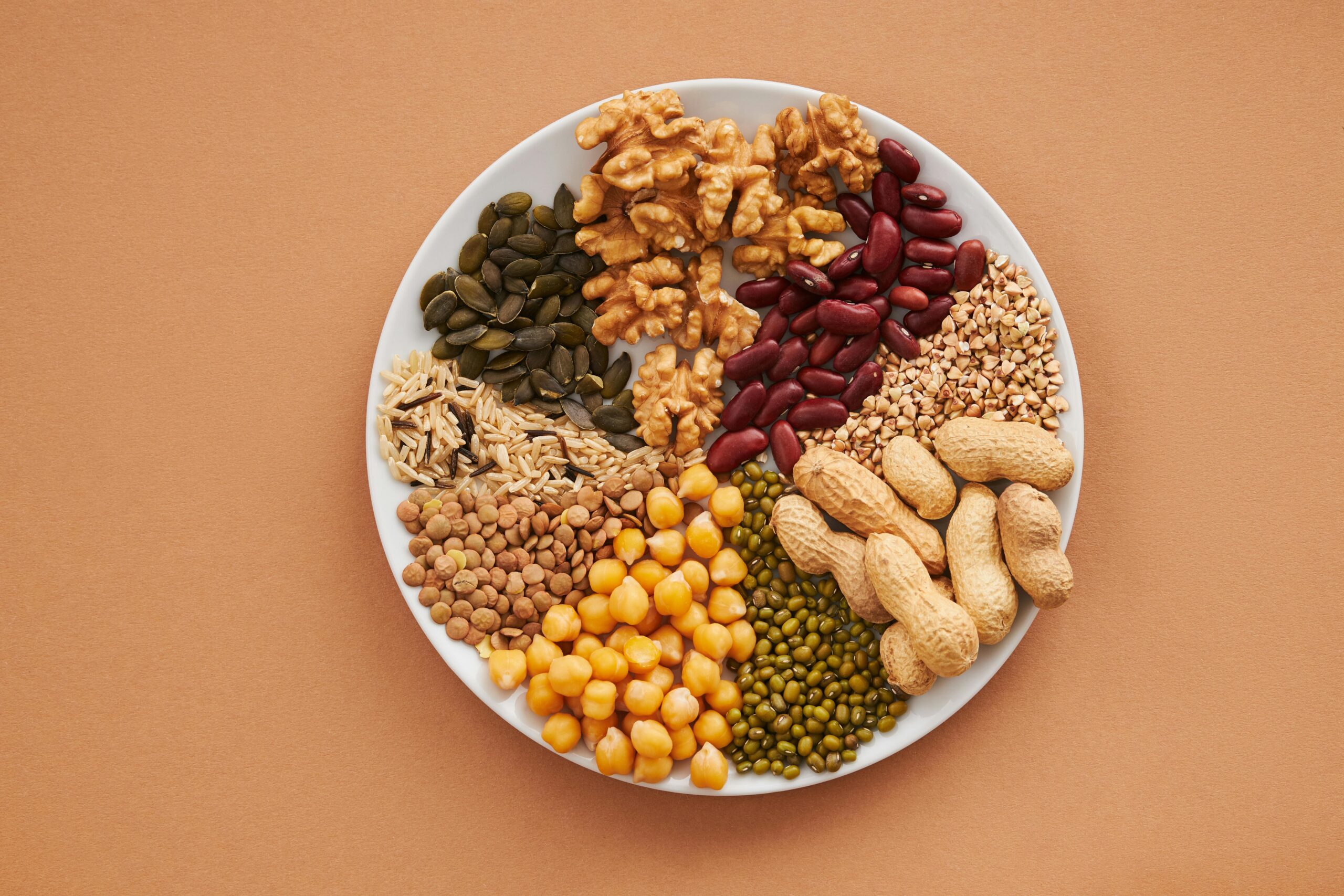
Vegetarians and vegans can absolutely meet protein requirements through careful planning. The key involves consuming varied plant protein sources throughout the day to ensure complete amino acid profiles.
Plant-based athletes may benefit from slightly higher protein targets—around 2.0 to 2.4 grams per kilogram—to compensate for lower digestibility of some plant proteins compared to animal sources. Supplementing with pea protein, brown rice protein, or hemp protein can help meet elevated needs.
Creating Your Personal Protein Balance Checklist ✅
Implementing an effective protein strategy requires a systematic approach. Use this actionable checklist to optimize your protein nutrition:
- Calculate your specific protein target based on body weight and activity level
- Distribute protein intake evenly across 3-5 meals daily
- Include a quality protein source at every meal and snack
- Prioritize whole food protein sources for 70-80% of intake
- Time protein consumption around workouts for optimal recovery
- Track intake for at least two weeks to establish baseline patterns
- Adjust based on results, energy levels, and body composition changes
- Stay hydrated to support protein metabolism and kidney function
- Combine plant proteins throughout the day if following a vegetarian diet
- Reassess needs quarterly as activity levels or goals change
Sustaining Your Protein Strategy Long-Term
The most effective protein strategy is one you can maintain consistently over months and years. Perfection isn’t required—consistency is what drives results.
Meal preparation helps ensure protein availability when life gets busy. Batch cooking chicken, hard-boiling eggs, preparing protein-rich snacks, and having quality protein powder on hand creates the infrastructure for success.
Flexibility also matters. Occasional variations in protein intake won’t derail your progress. Focus on weekly averages rather than daily perfection, allowing for social situations and dietary preferences while maintaining overall consistency.
Remember that protein nutrition exists within the larger context of overall health. Adequate sleep, stress management, regular physical activity, and balanced nutrition across all macronutrients work synergistically with proper protein intake to create optimal health outcomes.
Moving Forward with Confidence 💯
Mastering your protein nutrition doesn’t require perfection or obsessive tracking. Understanding your individual needs, implementing strategic timing, choosing quality sources, and maintaining consistency form the foundation of success.
Start by calculating your personal protein target and assessing your current intake patterns. Make gradual adjustments rather than dramatic overnight changes, allowing your body and habits to adapt sustainably.
With the comprehensive knowledge and practical strategies outlined in this guide, you now possess everything needed to optimize your protein nutrition. The stronger, healthier version of yourself begins with the choices you make today. Your body will thank you for providing the essential building blocks it needs to thrive.