Fiber is one of the most underrated yet powerful nutrients for achieving optimal health. Despite its incredible benefits, most people consume far less fiber than their bodies need, leading to digestive issues, weight gain, and increased disease risk.

Understanding how to track and increase your fiber intake can transform your wellness journey. This comprehensive guide will walk you through everything you need to know about fiber tracking, providing practical tools and strategies to help you reach your daily fiber goals effortlessly while enjoying delicious, nutritious foods.
🌾 Why Fiber Deserves Your Attention: The Health Benefits You Can’t Ignore
Fiber is a type of carbohydrate that your body cannot digest, yet it plays a crucial role in maintaining your overall health. Unlike other nutrients that get broken down and absorbed, fiber travels through your digestive system relatively intact, providing numerous benefits along the way.
The impact of adequate fiber consumption extends far beyond digestive health. Research consistently shows that people who consume recommended amounts of fiber experience lower rates of heart disease, type 2 diabetes, certain cancers, and obesity. Fiber helps regulate blood sugar levels, lowers cholesterol, promotes healthy gut bacteria, and keeps you feeling satisfied longer after meals.
Most adults should aim for 25-38 grams of fiber daily, yet the average person consumes only about 15 grams. This significant gap represents a major opportunity for health improvement. By tracking your fiber intake systematically, you can identify where you fall short and make targeted dietary adjustments.
Understanding the Two Types of Fiber for Optimal Health
Not all fiber is created equal. Understanding the difference between soluble and insoluble fiber helps you create a balanced diet that maximizes health benefits.
Soluble Fiber: Your Heart’s Best Friend 💙
Soluble fiber dissolves in water, forming a gel-like substance in your digestive tract. This type of fiber is particularly effective at lowering cholesterol levels and stabilizing blood sugar. Foods rich in soluble fiber include oats, beans, lentils, apples, citrus fruits, barley, and psyllium.
When soluble fiber reaches your colon, it becomes food for beneficial gut bacteria, supporting a healthy microbiome. This fermentation process produces short-chain fatty acids that have anti-inflammatory properties and may protect against various diseases.
Insoluble Fiber: Your Digestive System’s Maintenance Crew
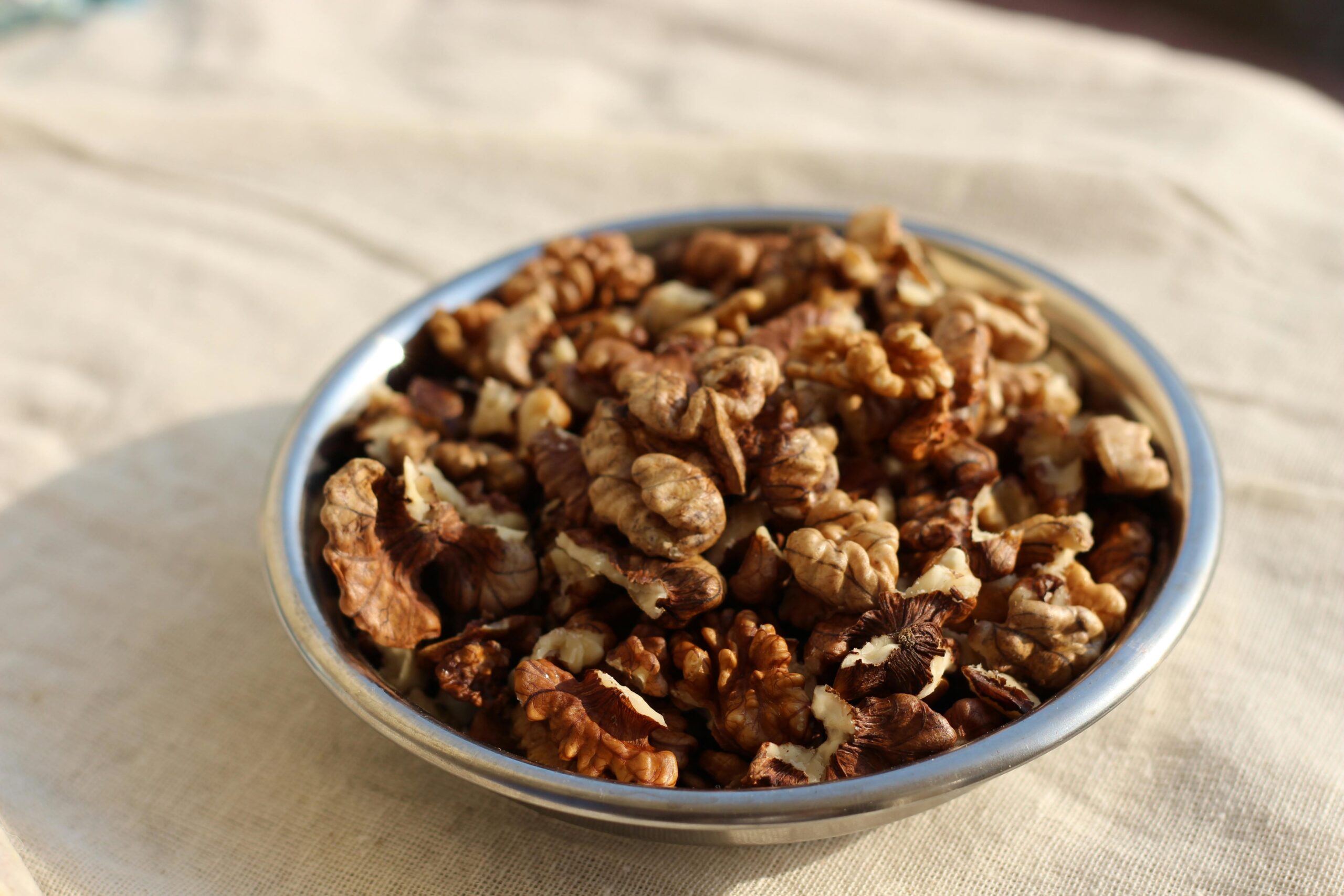
Insoluble fiber doesn’t dissolve in water and adds bulk to your stool, helping food pass more quickly through your digestive system. This type prevents constipation and promotes regularity. Excellent sources include whole wheat products, brown rice, nuts, seeds, vegetables, and fruit skins.
Both types of fiber work together synergistically, which is why consuming a variety of fiber-rich foods is more beneficial than focusing on just one type. A diverse diet naturally provides the right balance for optimal health.
🎯 Creating Your Personalized Fiber Intake Tracking System
Tracking fiber intake doesn’t have to be complicated or time-consuming. The key is finding a system that fits seamlessly into your lifestyle and provides accurate information without creating stress or obsession.
Starting with Your Baseline Assessment
Before making changes, spend three to five days tracking what you currently eat without modifying your habits. This baseline data reveals your typical fiber consumption patterns and helps identify the biggest opportunities for improvement.
Write down everything you eat and drink, then use nutrition labels, apps, or online databases to calculate fiber content. This initial assessment often surprises people—many discover they’re consuming even less fiber than they thought.
Setting Realistic and Achievable Goals
If your current fiber intake is significantly below recommendations, don’t try to reach your target overnight. Rapidly increasing fiber can cause bloating, gas, and digestive discomfort. Instead, aim to add 5 grams weekly until you reach your goal.
Consider your personal health conditions, age, and activity level when setting targets. Some people may benefit from higher fiber intakes, while others with certain digestive conditions may need to approach fiber increases more gradually under medical supervision.
The Ultimate Fiber Tracking Checklist for Daily Success ✅
A practical checklist transforms fiber tracking from an abstract goal into concrete, actionable steps. Use this comprehensive checklist to ensure you’re covering all bases throughout your day.
Morning Fiber Foundations
- Start with a high-fiber breakfast cereal (at least 5 grams per serving)
- Add fresh berries or sliced banana to your breakfast (3-4 grams)
- Choose whole grain toast instead of white bread (2-3 grams per slice)
- Include a tablespoon of ground flaxseed or chia seeds in smoothies or yogurt (2-3 grams)
- Opt for steel-cut oats or oatmeal (4 grams per cup cooked)
Midday Fiber Boosters
- Pack raw vegetables like carrots, celery, or bell peppers for snacking (2-3 grams)
- Choose whole grain bread or wraps for sandwiches (3-5 grams)
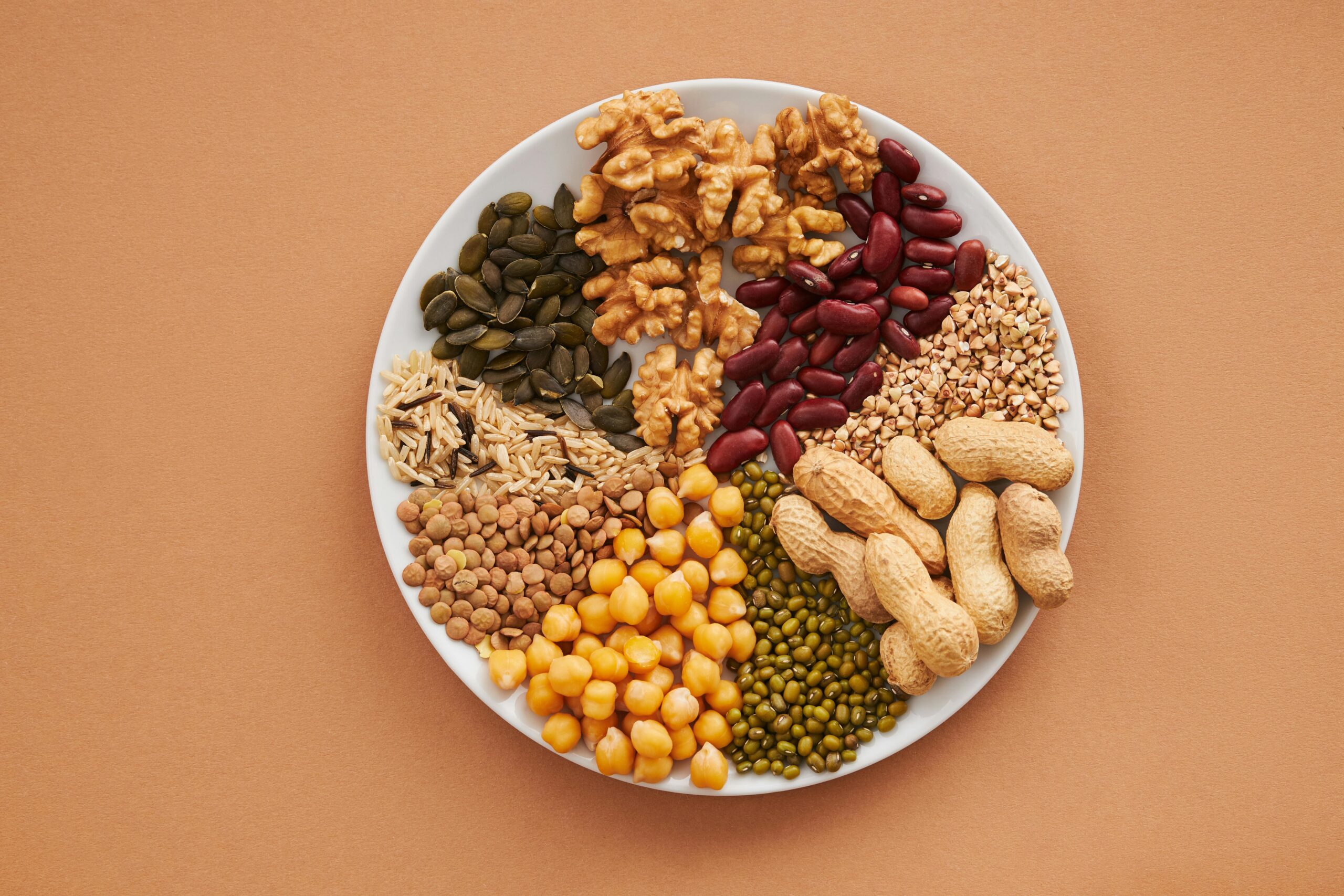
- Add beans, lentils, or chickpeas to salads and soups (7-8 grams per half cup)
- Select fresh fruit like apples or pears with skin on (4-5 grams)
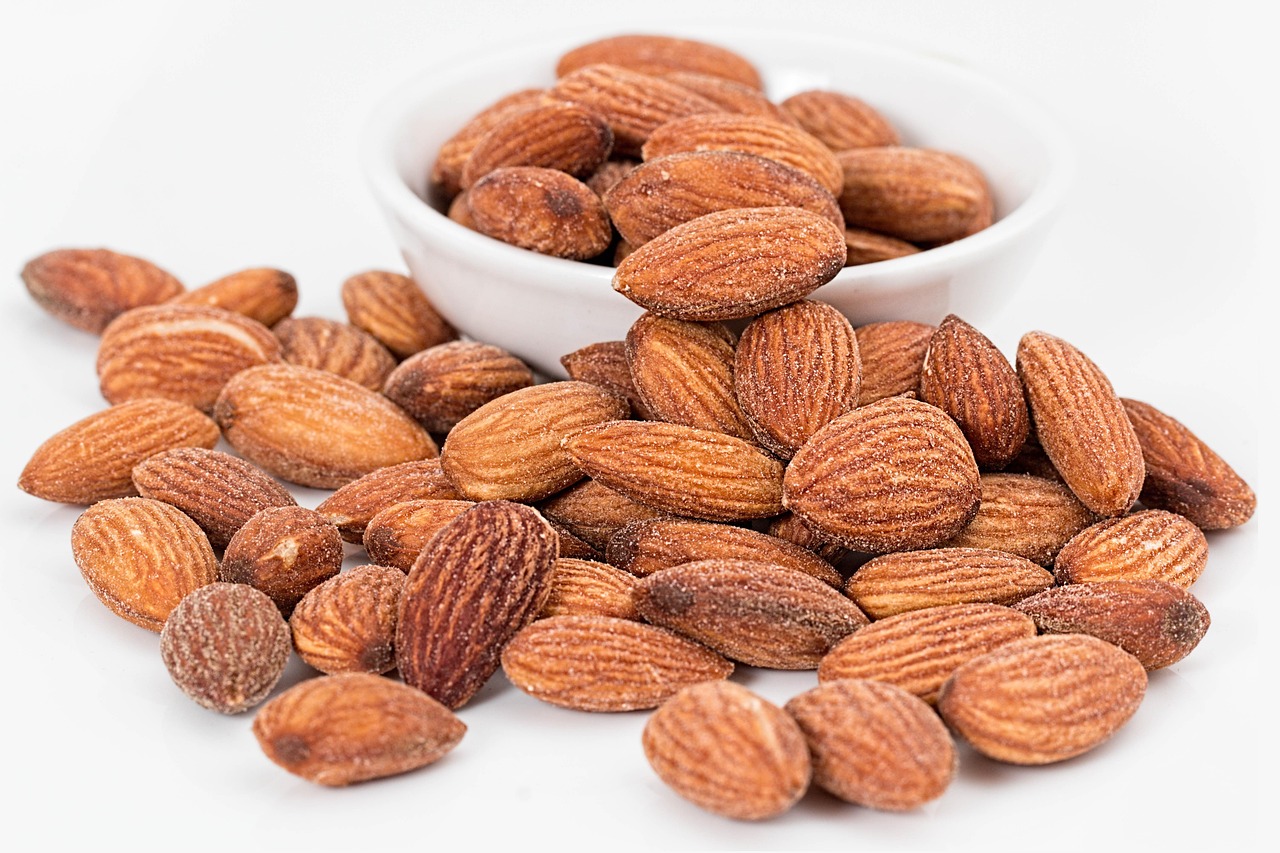
- Include a handful of almonds or other nuts as a snack (3-4 grams)
Evening Fiber Essentials
- Fill half your dinner plate with non-starchy vegetables (4-6 grams)
- Choose brown rice, quinoa, or whole wheat pasta as your grain (3-5 grams)
- Incorporate legumes into main dishes at least three times weekly (8-15 grams)
- Keep vegetable skins on when appropriate for added fiber
- End your day with a high-fiber snack if needed to reach your goal
📱 Leveraging Technology for Effortless Fiber Tracking
Modern technology has made nutrition tracking more accessible and accurate than ever. Smartphone apps can calculate fiber content automatically, track your progress over time, and provide insights into your eating patterns.
Many comprehensive nutrition apps include fiber tracking features alongside other nutrients. These tools typically offer large food databases, barcode scanners for packaged items, and the ability to save frequent meals for quick logging. Some apps also provide personalized recommendations based on your goals and preferences.
When selecting a tracking app, look for features that matter most to you: user-friendly interface, comprehensive database, customizable goals, and helpful reporting features. The best app is the one you’ll actually use consistently, so prioritize ease of use over advanced features you may never need.
Smart Shopping Strategies for Fiber-Rich Foods 🛒
Your fiber intake starts at the grocery store. Strategic shopping ensures your kitchen is stocked with convenient, delicious high-fiber options that make healthy eating effortless.
Reading Labels Like a Nutrition Pro
Nutrition labels are your best tool for comparing fiber content between products. Look for items that provide at least 3 grams of fiber per serving—these can be labeled as “good sources” of fiber. Products with 5 grams or more per serving are considered “high fiber” or “excellent sources.”
Don’t be fooled by marketing claims on the front of packages. Always check the nutrition facts panel and ingredient list. Whole grain items should list whole grains as the first ingredient, and bread products should contain at least 2-3 grams of fiber per slice.
Building Your High-Fiber Shopping List
Organize your shopping list by food categories to ensure you’re getting fiber from diverse sources throughout the week. This variety provides different types of fiber along with a broader range of vitamins, minerals, and phytonutrients.
| Food Category | Top Fiber Choices | Fiber per Serving |
|---|---|---|
| Legumes | Lentils, black beans, chickpeas | 8-15 grams |
| Whole Grains | Oats, quinoa, brown rice | 3-5 grams |
| Vegetables | Broccoli, Brussels sprouts, artichokes | 3-7 grams |
| Fruits | Raspberries, pears, apples | 4-8 grams |
| Nuts & Seeds | Almonds, chia seeds, flaxseed | 3-10 grams |
Overcoming Common Fiber Tracking Challenges 💪
Even with the best intentions, you’ll encounter obstacles on your fiber-tracking journey. Anticipating these challenges and having strategies ready helps you stay on track when life gets complicated.
Managing Dining Out and Social Situations
Restaurant meals and social gatherings often present the biggest tracking challenges. Many restaurants now provide nutrition information online, allowing you to review options and plan ahead. When dining at establishments without nutritional data, make educated estimates based on ingredients and portion sizes.
Focus on making the best choice available rather than achieving perfection. Choose whole grain options when offered, request extra vegetables, start with a salad, and consider bean-based dishes. These strategies increase your fiber intake even when exact tracking isn’t possible.
Dealing with Digestive Discomfort
Increasing fiber too quickly commonly causes bloating, gas, and cramping. If you experience digestive issues, slow down your fiber increases and ensure you’re drinking plenty of water. Fiber needs adequate hydration to move through your digestive system smoothly.
Some people find that certain high-fiber foods cause more digestive symptoms than others. Pay attention to your body’s responses and adjust accordingly. Cooking vegetables, choosing well-cooked legumes, and gradually introducing new high-fiber foods can minimize discomfort.
🌟 Advanced Strategies for Fiber Tracking Success
Once you’ve mastered basic fiber tracking, these advanced strategies can take your efforts to the next level, making high-fiber eating an effortless habit rather than a conscious effort.
Meal Prepping for Consistent Fiber Intake
Preparing fiber-rich meals and snacks in advance removes decision fatigue and ensures healthy options are always available. Batch cook legumes, portion out nuts and seeds, pre-cut vegetables, and prepare whole grain salads that last several days.
Having grab-and-go high-fiber options prevents you from reaching for low-fiber convenience foods when hunger strikes. This preparation is especially valuable during busy weeks when cooking daily isn’t realistic.
Creating Fiber-Focused Food Combinations
Combining different fiber sources in single meals increases your intake while creating satisfying, delicious dishes. Grain bowls with quinoa, black beans, roasted vegetables, and avocado can easily provide 15-20 grams of fiber in one meal.
Think creatively about adding fiber to existing favorites. Stir vegetables into pasta sauces, add beans to soups and stews, mix berries into desserts, and incorporate whole grains into casseroles. These small additions accumulate throughout the day, making target goals achievable without dramatic diet changes.
Monitoring Progress and Celebrating Milestones 🎉
Tracking data means nothing without reviewing it and learning from patterns. Regular progress assessments help you understand what’s working, identify areas needing adjustment, and celebrate your successes along the way.
Weekly reviews of your fiber tracking data reveal important patterns. Are certain days consistently lower? Do specific meals need fiber boosts? Are you meeting targets on weekends as successfully as weekdays? These insights guide targeted improvements.
Beyond just numbers, pay attention to how you feel. Many people notice improved energy, better digestion, more stable hunger levels, and easier weight management as fiber intake increases. These non-scale victories often provide more motivation than tracking data alone.
Building a Sustainable Fiber-Rich Lifestyle for Long-Term Health
The ultimate goal isn’t perfect fiber tracking forever—it’s developing intuitive eating habits that naturally include adequate fiber without conscious tracking. As you become familiar with fiber-rich foods and standard portions, tracking becomes less necessary.
View fiber tracking as a learning tool rather than a permanent obligation. Most people need to track actively for only a few weeks or months before developing enough knowledge to maintain healthy fiber intake naturally. Periodic check-ins ensure you haven’t drifted from good habits over time.
Remember that health is a journey, not a destination. Some days will be easier than others, and that’s perfectly normal. The goal is progress, not perfection. Each high-fiber choice contributes to better health, regardless of whether you hit your exact target every single day.

Your Fiber-Filled Future Starts Today 🚀
Increasing your fiber intake is one of the most impactful dietary changes you can make for better health. With the tracking checklist and strategies outlined in this guide, you have everything needed to boost your fiber consumption confidently and consistently.
Start small, be patient with yourself, and focus on adding fiber-rich foods you genuinely enjoy. As these foods become regular parts of your diet, you’ll experience the numerous health benefits that adequate fiber provides—improved digestion, better weight management, reduced disease risk, and enhanced overall wellbeing.
Your journey toward optimal health through better fiber intake begins with a single choice. Make that choice today, use your tracking checklist, and watch as small, consistent efforts create remarkable transformations in how you look, feel, and thrive. Your happier, healthier future is waiting, and it’s filled with delicious, nutritious, fiber-rich foods that nourish your body from the inside out.